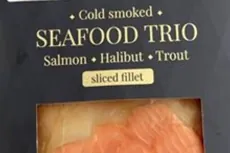
Starfish smoked seafood recalled over possible Listeria contamination
Krasnyi Oktyabr Inc. is recalling Starfish Seafood Trio over possible Listeria contamination.The affected smoked fish was distributed in six states; no ill…
Krasnyi Oktyabr Inc. is recalling Starfish Seafood Trio over possible Listeria contamination.The affected smoked fish was distributed in six states; no ill…
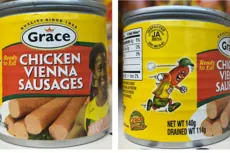
Federal food safety officials have issued a public health alert for Grace chicken Vienna sausages illegally imported from Jamaica.The regular and Hot &…
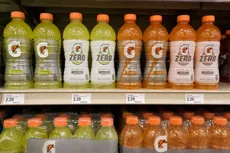
PepsiCo is recalling 122,021 cases of 28-ounce Gatorade bottles because they contain food dyes missing from their ingredient labels.The recall involves Lem…
FDA investigators found Cyclospora in two environmental samples collected in Mexico during their investigation of the massive summer outbreak.The outbreak …
Walmart and Trader Joe’s frozen berries recalled over E. coli risk
Consumer product safety recall roundup for October 02, 2026
Fontanini recalls pork sausage after pieces of hard plastic are found
Raw milk cheese recalled as E. coli outbreak sickens 13
Consumer product safety recall roundup for September 25, 2026
Sempio recalls chicken stew imported without required inspection
Cinnamon recalled due to high lead levels
Wakefern recalls Wholesome Pantry applesauce over elevated toxin levels
Nearly 168,000 pounds of meat recalled over false USDA inspection mark
Bettergoods frozen fettuccine recalled over possible Listeria contamination
So Delicious recalls non-dairy frozen dessert over possible foreign material
CDC declares massive Cyclospora outbreak over
Imported pork cracklings recalled because Colombia is not eligible to export meat to U.S.
Food recalls are making consumers increasingly wary of what they buy
Imported Italian pork recalled over possible Listeria contamination
Grand Central Bakery recalls sourdough bread after nail found in loaf
Alfalfa sprouts linked to multistate E. coli and Salmonella outbreak
Cyclospora outbreak tops 15,000 cases as search for other sources continues
Publix frozen blueberry recall upgraded to FDA’s highest threat level
Outshine fruit bars recalled for potential glass contamination
Massive July egg recall upgraded to most serious threat
Marketside tomato bisque soup kits recalled over possible listeria contamination
Oma’s Pride recalls raw dog food over Salmonella risk
Taylor Fresh Foods recalls jalapeño products due to potential Salmonella
Food To Live recalls green powders nationwide over Salmonella risk
CDC warns about multi-state salmonella outbreak from pistachio cream
Trader Joe’s Sesame Miso Salad with Salmon is being recalled
Bread rolls recalled because they may contain glass
Chocolate-covered macadamia nuts recalled due to undeclared allergens
Tainted cucumbers prompt recall of Gyro kits sold at Sprouts
Kroger recalls vegetable products containing tainted cucumbers
Recall issued for tainted cucumbers sold at 36 Texas Walmart stores
Cucumbers recalled in more than two dozen states for salmonella risk
Organic eggs sold at Costco recalled due to potential Salmonella
Carrot recall expanded to produce sold at Whole Foods
More than 167,000 pounds of ground beef recalled due to E. coli
Organic baby carrots recalled after E. Coli outbreak
Nearly 5,000 pounds of ready-to-eat meat recalled for listeria risk
Recall issued for turkey sandwiches with listeria-tainted Brie
Wilcox recalls dozens of ice cream products
Cantaloupe is the source of a nationwide salmonella outbreak