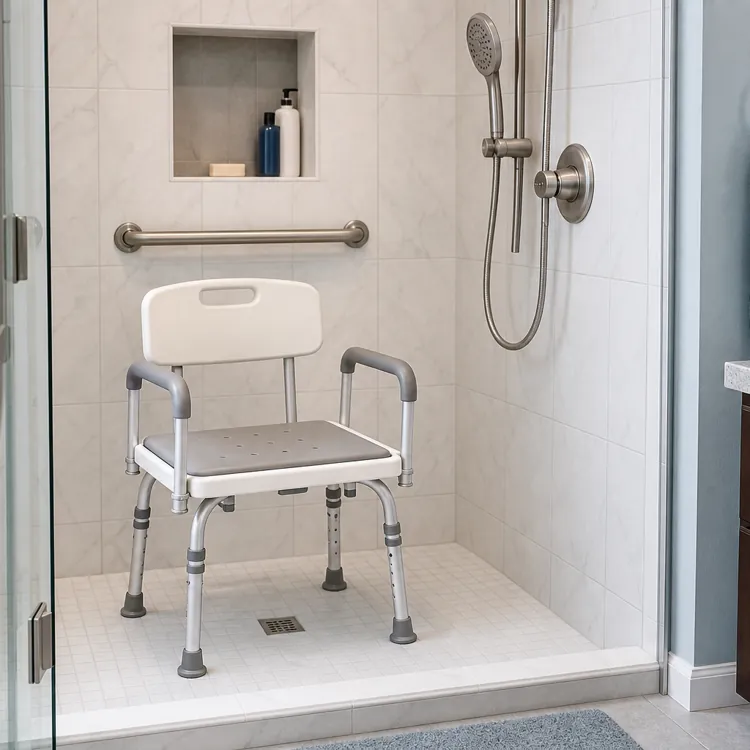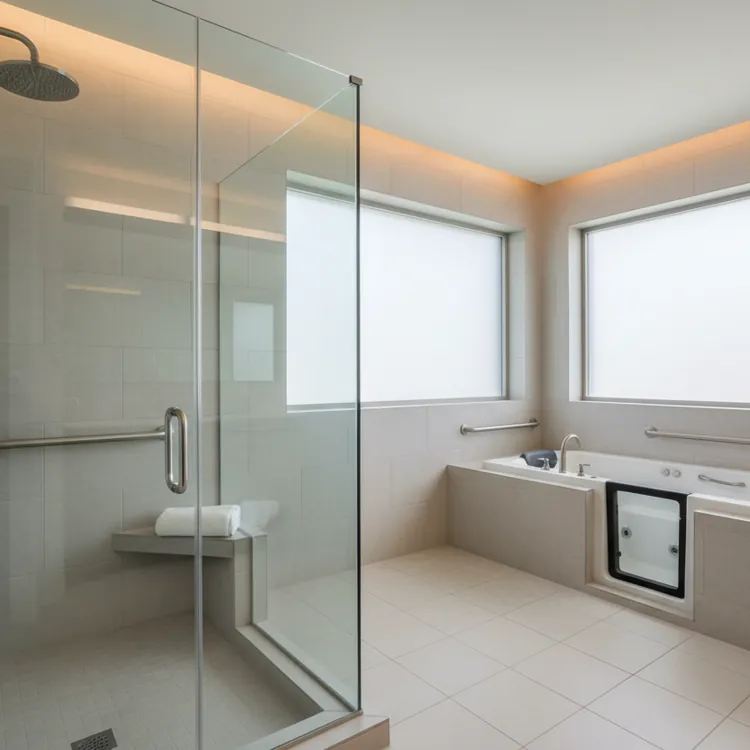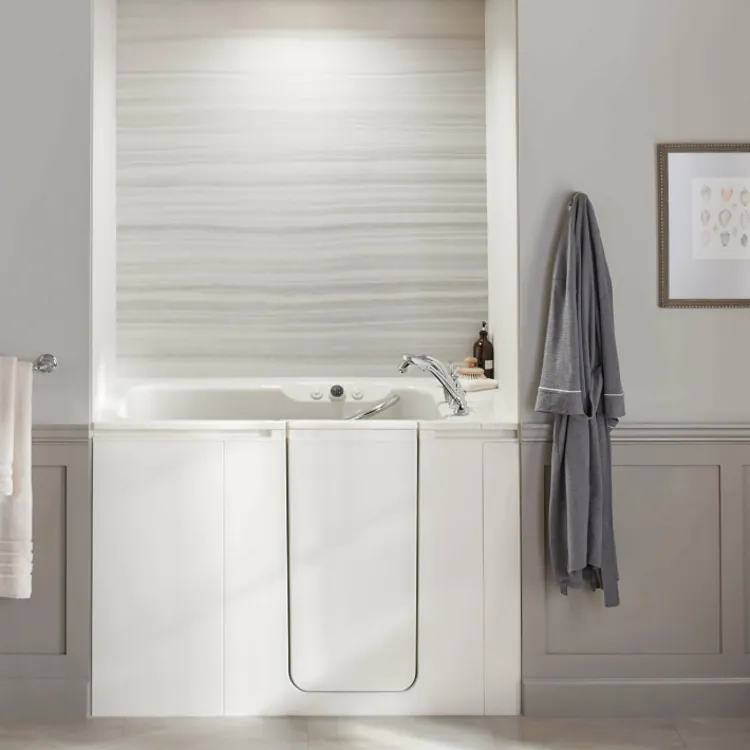
Best overall

- Installation timeline
- As little as one day
- Warranty
- Lifetime (manufacturing defects)
- Discounts
- Senior, military, some health conditions
- Price guarantee
- Yes
How ConsumerAffairs uses cookies
This website utilizes technologies such as cookies to enable essential site functionality, as well as for analytics, personalization, and targeted advertising. To learn more, view the following link:




After comparing popular walk-in shower companies, their features and customer feedback, Safe Step is our top pick overall. Kohler LuxStone stands out for its features, and American Standard is a good choice for homeowners who want more design flexibility.
Why trust ConsumerAffairs?
Our editors, fact-checkers and moderators work to uphold standards for accuracy, transparency and trust.
Our editorial standards
Our review standards
Our research team compared seven popular walk-in shower companies and chose our top three based on reviews and ratings on our site. We looked in particular at how customers rated the installation process and staff.
Read our full methodology for details on how we selected our top picks. Our picks may be Authorized Partners that compensate us, but this does not affect our recommendations or evaluations.
| Company | Customer rating | Our pick for | Estimated installed price range* | Threshold height | Installation timeline | Warranty | |
|---|---|---|---|---|---|---|---|
 Safe Step Walk-In Showers | Learn More | 4.5
882 reviews
882 reviews
| Best overall | $11,000 to $20,000+ | ¾ inch or less to 4 inches | As little as one day | Lifetime (manufacturing defects) |
 Kohler LuxStone Walk-in Showers | Learn More | 1.3
201 reviews
201 reviews
| Standard features | $4,000 to $20,000+ | 3 inch | As little as one day | Lifetime (manufacturing defects) |
 American Standard Walk-in Showers | Learn More | 1.9
264 reviews
264 reviews
| Design customization | $500 to $24,000+ | 2 ¼ inches to 2 ¾ inches | One to two days | Limited |



Jump into our guides and start learning
Walk-in showers aren’t just a popular bathroom upgrade. They are also ideal for people with limited mobility, and can help homeowners who want to age in place.
There are many styles of walk-in showers. The right one for you depends on your bathroom layout, accessibility needs and design preferences. Read on to learn how walk-in showers work, how much they cost and what your design options are.
You might be able to install your own shower for a couple thousand dollars. On the high end, we’ve heard from consumers who have spent $20,000 to $30,000 installing a walk-in shower.
Jump to insightPrefabricated shower kits are typically cheaper than custom walk-in showers in terms of both initial cost and installation.
Jump to insightIf you have mobility issues, make sure the shower models you’re looking at have accessibility features that suit you.
Jump to insightA walk-in shower is a stand-alone unit with little to no threshold to step over when entering and exiting. It may be enclosed by a glass door or curtain.
The main benefit of walk-in showers is that they offer easy access with low step-in thresholds. This enhances safety and reduces the risk of falls, making everyday use more convenient and secure.
Walk-in showers are easier to access than traditional shower units, like shower-tub combos, which typically have a 15-inch entry barrier.
Pros
Cons
Seniors planning to age in place who have difficulty getting in and out of their showers or tubs should consider a walk-in shower.
“A walk-in shower (full remodel, no threshold to enter) eliminates the need to ‘step over’ the bathtub edge to enter and exit,” Pamela Toto, a professor and director of the University of Pittsburgh’s occupational therapy program, explained. This eliminates the risk of falling while getting in and out of a tub.
“Being able to bathe and shower independently and safely is important for our physical and mental well-being. In addition to keeping us clean, it also increases our quality of life and allows us to engage in our homes and communities confidently,” Toto added.
If you plan to age in place or want a future-proof walk-in shower design, prioritize these features:
Barrier-free, doorless design
Zero-threshold or low-threshold entry
Grab bars
Fold-down bench
Nonslip flooring
Materials and features that require minimal upkeep
Roll-in shower options (for wheelchair users)
The average cost of a walk-in shower ranges from about $4,000 to $10,000, though prices can run as low as $1,500 for a basic prefabricated kit or exceed $20,000 for a high-end custom remodel.
Prices vary greatly depending on design, materials and installation. Professional installation can add $600 to $7,000, with labor typically ranging from $50 to $200 per hour. Additional features like grab bars, lighting or high-end fixtures will also add to your total cost.
| Type of shower | Cost |
|---|---|
| Prefabricated walk-in shower kits | Start around $1,500 |
| Custom-designed walk-in showers | $5,000 to $20,000 or more |
Factors that affect the cost of a walk-in shower include:
Materials
Plumbing upgrades
Labor
Structural upgrades
Materials typically have the biggest impact on your walk-in shower costs. Acrylic and fiberglass are typically less expensive than other materials. For instance, tiles vary widely. Ceramic tile is an affordable option, but if you want glass tiles, they're one of the more expensive options.
| Material | Cost range |
|---|---|
| Fiberglass | $500 to $1,000+ |
| Acrylic | $300 to $3,000 |
| Porcelain | $1,800 to $5,000 |
To get the cheapest walk-in shower, consider purchasing a prefabricated shower kit over installing a custom shower. Prefabricated units are cheaper to install and cost less overall.
Also, look for discount tile outlets or retailers in your area. Just be sure to adequately measure the space. And buy a few boxes more than you think you’ll need to install. Once a style is sold out, the outlet may not get any more in stock.
What’s the ROI on a walk-in shower?
Bathroom remodels tend to have a high ROI (return on investment). If you add a walk-in shower in particular, you’ll likely recoup your costs and add some value to your home in the process.
Just keep in mind that many potential homebuyers, especially those with young children, want at least one bathtub in the house. If you plan to sell soon, you may not want to convert your only tub into a walk-in shower.
Whether you’re upgrading for style, functionality or mobility needs, we have some tips on how to choose the right walk-in shower for your space.
There are several walk-in shower designs available, from prefabricated shower kits to fully custom-tiled showers. Natural stone can give a spa-like feel to the bathroom. If you’re looking for a bright, vibrant color to use in your new shower, you may be able to find it in a glass tile.
Some of the most popular modern design trends for walk-in showers:
“Material-drenching,” where the same stone or tile wraps walls, floors and even ceilings for a seamless spa look
Matte-black fixtures that create a sleek, modern contrast against light tile
Intricate mosaic-tile accent walls that add texture and a custom feel
Unexpected, bold color palettes (think emerald, terracotta or navy) that make the shower the room's focal point
You might want function features, like built-in benches or niches for added storage. You can also add innovative features, like rainfall showerheads or sound systems, to your walk-in shower to create an ambiance of relaxation and comfort.
Showerheads: Rainfall showerheads are installed on the ceiling and are light in water pressure. There are also eco-friendly options, like low-flow showerheads, which may use up to 50% less water than a traditional showerhead. You can also opt for a combo (e.g., both a rainfall and a hand-held showerhead).
Spa-like features: Consider features like built-in seating or a steam system to make your shower into a steam room. Just be sure your bathroom has proper ventilation to help circulate the air and prevent mold from growing.
New technology: You can make your shower a “smart” shower by adding voice activation, which can turn the shower on or off by the sound of your voice. There’s also new tech that lets you create and save temperature settings for each person.
Walk-in showers can be designed with accessibility in mind, ensuring they’re safe and functional for all users.
To comply with ADA standards, the walk-in shower threshold cannot exceed ½ inch above the floor. Grab bars require an outside diameter of 1.25 to 1.5 inches and a minimum wall clearance of 1.5 inches.
If you’re looking to install a walk-in shower for its accessibility perks, there are barrier-free showers with no ledge to step over and no door to open or close. You can also get a model with a glide bar, hand-held showerhead, grab bars and a foldable shower seat.
The following safety features often come standard, but you might have to add on what you need, depending on the model:
Zero or low-threshold entry
Built-in bench
Anti-slip tiles or textured flooring
Hand-held showerheads
Pro tip
For best results, consult with a contractor or bathroom designer. They can help you optimize your space, select materials and ensure the installation meets local building codes.
Understanding the main types of walk-in showers can help you choose the best option for your home.
Alcove walk-in shower: Installed in a recessed space between three walls. It’s a space-saving option often used in small bathrooms.
Corner walk-in shower: Designed to fit into a corner, typically featuring a neo-angle or square layout to maximize limited space.
Freestanding walk-in shower: Not attached to surrounding walls, this type can serve as a statement piece in large bathrooms.
Barrier-free/curbless shower: Has no threshold, making it accessible for individuals with mobility issues and creating a seamless look.
Doorless walk-in shower: Built without a swinging door, sliding glass or curtain, a doorless walk-in shower provides an open layout. They typically require a larger bathroom; some negatives include water splashing out and heat easily escaping.
Tiled custom walk-in shower: Custom-built with tile for complete design control over size, shape and features.
Prefabricated shower kit: A ready-to-install shower unit often made from fiberglass or acrylic that's ideal for quick and budget-friendly remodels.
The minimum code requirement for a walk-in shower with a door is 36 inches by 36 inches. Doorless walk-in showers require a minimum depth of 42 inches to prevent water from splashing out.
If you want a more spacious option that accommodates bench seating, aim for 60 inches by 36 inches. If you’re looking to install a two-person or luxury walk-in shower, the size should range from 60 inches by 42 inches to 72 inches by 48 inches.
ADA-compliant walk-in showers must be at least 30 inches by 60 inches for safe wheelchair access.
Compared with walk-in tubs, walk-in showers take up less space and allow for quicker, easier daily use.
A walk-in tub may be a better option if you have mobility issues and prefer a soaking bath. Walk-in tubs are enclosed units with a built-in seat and door, which may be helpful for people who prefer bathing while seated. You can also add a shower to a walk-in tub if you prefer to have both options. Walk-in tub costs range from $2,000 to over $20,000.
| Walk-in shower | Walk-in tub | |
|---|---|---|
| Threshold | Low or no | Low |
| Seat | Optional | Yes |
| Safety grab bars | Optional | Yes |
| Water usage | Relatively low | Relatively high |
The walk-in shower installation process typically follows these steps:
Demolition and removal of old tub or shower.
Plumbing and flooring adjustments.
Waterproof shower area to protect from leaks.
Install shower base and prefabricated walls/panels or tiles.
Install shower fixtures.
Seal gaps and clean up.
Final inspection.
Expect installation to take about one day for a prefabricated walk-in shower and two-plus days to complete custom tile work.
Original Medicare does not typically cover walk-in shower installations, but some Medicare Advantage plans and VA home modification grants may offer assistance. Because walk-in showers are considered home modifications rather than medically necessary treatments, they are generally excluded from coverage.
Some Medicare Advantage plans may offer expanded supplemental benefits that help cover home safety modifications for people with chronic conditions. These benefits differ by provider and plan, so review your policy documents or contact your insurer for details.
That said, Medicare Part B may help pay for certain durable medical equipment if a doctor prescribes it as medically necessary. This can include items such as shower chairs or grab bars. However, Medicare does not usually cover the structural renovations required to remove a tub or build a new walk-in shower.
Private insurance coverage varies. Most standard homeowners insurance policies will not pay for bathroom upgrades or accessibility remodels unless the changes are required due to damage from a covered event, such as a fire or storm.
The average cost to replace a tub with a walk-in shower ranges from $4,000 to $16,000. How much you’ll pay for a shower replacement depends on the materials, labor and if any concerns come up with the electrical or plumbing during installation.
Installing a prefabricated walk-in shower unit takes a few hours. A shower with tiling may take two days or longer. Installation times may vary depending on the size and complexity of the project.
To prevent water from leaking out of a walk-in shower, make sure the water can flow down to the drain by having a slight slope to the floor. If your shower is small, a door can help block water from splashing outside the shower.
If you have a doorless shower, keep the shower head pointed down. You can use a shower curtain that has magnetic weights to hold it down, or install a threshold strip at the entrance to block water from flowing out. Make sure the grout is maintained and seal up cracks to prevent leaks.
Yes, you can convert a bathtub into a walk-in shower. This type of remodel typically involves removing the existing tub, updating plumbing as needed and installing a new shower base and wall system.
Not all walk-in showers are ADA-compliant. To meet Americans with Disabilities Act standards, a shower must meet specific size, clearance and accessibility requirements. These may include a no-threshold entry, adequate maneuvering space, grab bars and a hand-held showerhead. If ADA compliance is important, work with a contractor familiar with current guidelines.
Yes, walk-in showers can increase home value, especially in modern or primary bathrooms. Many buyers appreciate their updated look and accessibility features. However, removing the only bathtub in a home may limit appeal for some buyers, particularly families with young children. Keeping at least one tub in the house can help preserve resale value.
Seniors should look for zero or low-threshold entry, built-in grab bars, a fold-down bench, non-slip flooring and a handheld showerhead in a walk-in shower. ADA-compliant designs with adequate turning radius are also recommended for wheelchair users or those with significant mobility limitations.
Information in this guide is general in nature and is intended for informational purposes only; it is not legal, health, investment or tax advice. ConsumerAffairs.com makes no representation as to the accuracy of the information provided and assumes no liability for any damages or loss arising from its use.
To choose the best walk-in shower companies, the ConsumerAffairs Research Team compared verified customer reviews with company features and policies.
We analyzed ConsumerAffairs reviews from Aug. 1, 2019, to July 31, 2026, looking at customer satisfaction with:
We also researched features that can affect the buying experience, including:
Recent review volume and company response rates over the past six months were also included in our scoring.
Each company received scores across these metrics, which we weighted differently depending on the award. For example, our “Best standard features” award gives more weight to included shower features. If the same company ranked first in multiple categories, we may have selected the next-highest-scoring company for a secondary award to highlight another strong option for consumers.
Thanks for subscribing.
You have successfully subscribed to our newsletter! Enjoy reading our tips and recommendations.
| Company | Customer rating | About | Learn More |
|---|---|---|---|
|
Safe Step Walk-In Showers
| 4.5
882 reviews
| Customizable walk-in showers with low-step entry, grab bars, anti-slip flooring and hand-held shower wands. Choose from small, medium or large sizes. Upgrade to Signature line for a spa-like experience. | Learn More |
|
Kohler LuxStone Walk-in Showers
| 1.3
201 reviews
| Sells luxurious walk-in showers with customizable options. Includes low step threshold and other safety features. Designed to fit both large and small bathrooms. Installed by a KOHLER Authorized Dealer. Lifetime limited warranty." | Read Reviews |
|
American Standard Walk-in Showers
| 1.9
264 reviews
| Walk-in shower and bath provider. Limited range of walk-in showers available through Lowe’s or showroom locations. Prices start at $2,319. Does not include installation or maintenance. 15-year warranty. | Read Reviews |
 BCI Bath & Shower | 4.6
23 reviews
| Remodel services for bathrooms of all sizes. Products include tub liners, soaking tubs, walk-in tubs and roll-in showers. Works with a national network of dealers. Free consultation and in-house financing. | Read Reviews |
 Independent Home Walk-in Showers | 1.0
98 reviews
| Walk-in tub and shower company offering a variety of styles and types. Includes ADA-compliant safety features, plus optional luxury features. Can be installed in under 24 hours. Free quotes available upon request. | Read Reviews |
 Accessibility Professionals | No reviews | Manufactures Freedom Lift Systems, Freedom Shower and Freedom Bath walk-in tubs and showers. Wheelchair-accessible tubs include grab bars. Basic walk-in tub starting price is $4,793 before installation. | |
 Tranquility Bath Remodel | No reviews | Offers custom walk-in showers and tubs with two-inch entry heights. Available in a variety of materials. Offers full bathroom remodels along with showers and tubs. Includes a lifetime warranty. | |
 Barrier Free Architecturals | No reviews | Offers showers, tubs and accessories. ADA-compliant products available. Showers start at around $900, and tubs start at around $700. Purchase and configure online. Custom consultations available. |