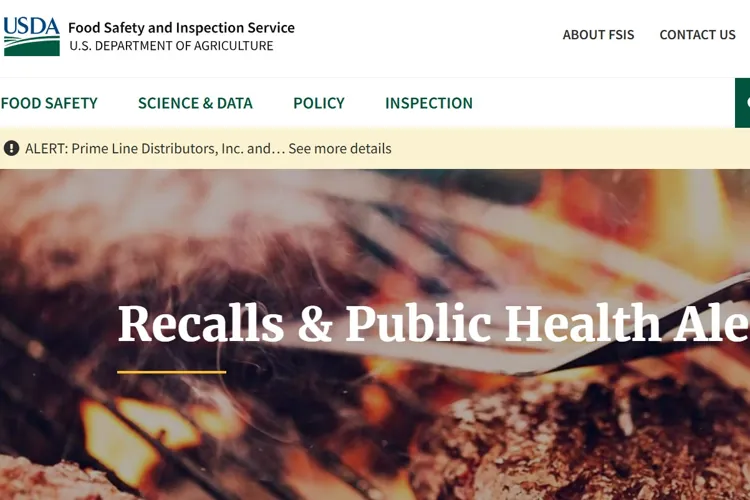

94% of U.S. adults say they are concerned about how frequently food recalls are occurring, according to a new GS1 US survey.
Two-thirds of consumers say a recall has made them hesitant to buy the same product or brand again, while 67% have avoided an entire food category.
Confidence in the recall system is slipping, as 80% say recalls effectively protect public health, down from 85% last year.
It seems not a week goes by that there isn’t a food recall, due to potential contamination and other safety issues. Today, ConsumerAffairs reported on a pork recall due to a Listeria threat.
The seemingly steady stream of food recalls is having an impact on how Americans shop for groceries, with a new survey suggesting consumers are becoming more cautious about both products and brands involved in food safety incidents.
A GS1 US survey of 1,000 U.S. adults found that 94% are concerned about the frequency of food recalls, up slightly from 93% in 2025. At the same time, confidence that recalls are doing their job has declined. Eighty percent said food recalls are effective at protecting public health and safety, compared with 85% a year ago.
That combination — more concern and less confidence — appears to be changing shopping behavior.
Sixty-seven percent of consumers said they have avoided an entire category of food after hearing about a recall. For example, a recall involving one type or brand of lettuce may prompt consumers to temporarily stop buying lettuce altogether.
That's a significant increase from 60% who said the same thing in last year's survey. Women appear especially cautious: 71% said they have avoided an entire food category after a recall, compared with 63% of men.
Recalls can damage a brand long after the warning ends
Food companies may also have a difficult time winning customers back after a safety problem.
The survey found that 66% of adults are hesitant to purchase the same product or brand again after a food recall, up from 59% in 2025. And 59% said they have thrown away recalled food even when the recall did not affect their state or region.
However, consumers don't necessarily abandon a brand permanently. Only 9% said they would never purchase the recalled brand again.
Among consumers willing to reconsider, 39% said the amount of time that had passed since the recall would influence their decision, while 39% cited the severity of the contamination. Another 35% said recommendations from government or other authorities would play a role.
The findings suggest that clear and specific recall information could be important not only for protecting consumers but also for preventing shoppers from unnecessarily avoiding safe products.
Consumers want more information
The survey also found that consumers may be willing to pay for greater transparency. Fifty-nine percent said they would spend more on a product that provides detailed product information, up from 57% last year.
GS1 US argues that better product traceability could help provide that information and make recalls more precise.
GS1 US says there is sometimes a challenge in making recalls precise enough to quickly identify which products are affected — and which aren't. That distinction can matter during large outbreaks. Consumers sometimes receive warnings involving broad product categories when investigators have not yet identified the exact source, supplier, lot, or geographic distribution of a contaminated food.
Faster tracking is coming
The FDA's Food Safety Modernization Act Food Traceability Rule, commonly known as FSMA Rule 204, is designed to make it easier to follow certain higher-risk foods through the supply chain.
Companies covered by the rule will have to maintain additional records for foods on the FDA's Food Traceability List, including information connected with key points as products move through production and distribution. When requested during an investigation, required traceability information must be provided to the FDA within 24 hours. The compliance date is July 20, 2028.
The goal is to allow investigators to more quickly determine where a contaminated product came from and where it was shipped.
For consumers, that could eventually mean narrower recalls. Instead of being warned to avoid an entire category of food, shoppers could potentially receive information identifying specific brands, production lots, or products from particular locations.
The GS1 US survey suggests that kind of precision could become increasingly important. Consumers still overwhelmingly believe recalls protect them, but their behavior shows that many aren't taking chances when the information is unclear.
And for food companies, a recall may no longer be just a short-term safety issue. It can also become a long-term problem of rebuilding consumer trust.