





























How ConsumerAffairs uses cookies

This website utilizes technologies such as cookies to enable essential site functionality, as well as for analytics, personalization, and targeted advertising. To learn more, view the following link:

2026 Inflation and Cost of Living

Article Image

The cost of hosting a Super Bowl party is a little higher than last year

  • The cost of popular Super Bowl snacks are likely going to cost you a little more this year than in years past.

  • Recent data found that where you are in the country could impact the final cost of your Super Bowl party.

  • Consumers who shop smart can make the most of their money when hosting the Super Bowl this year. 


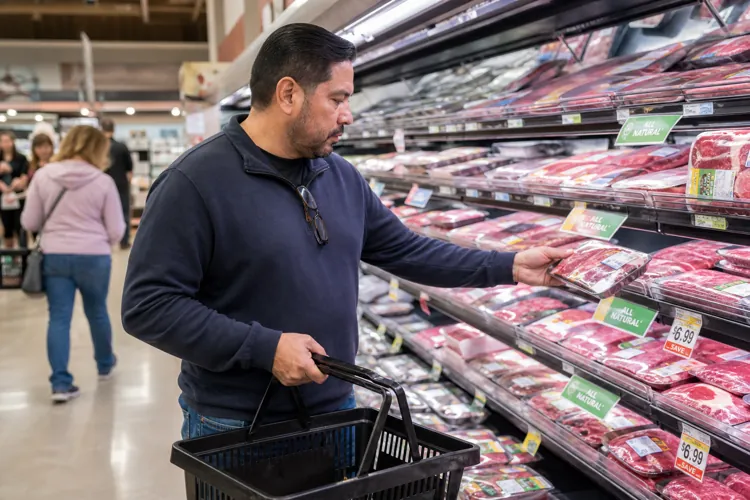
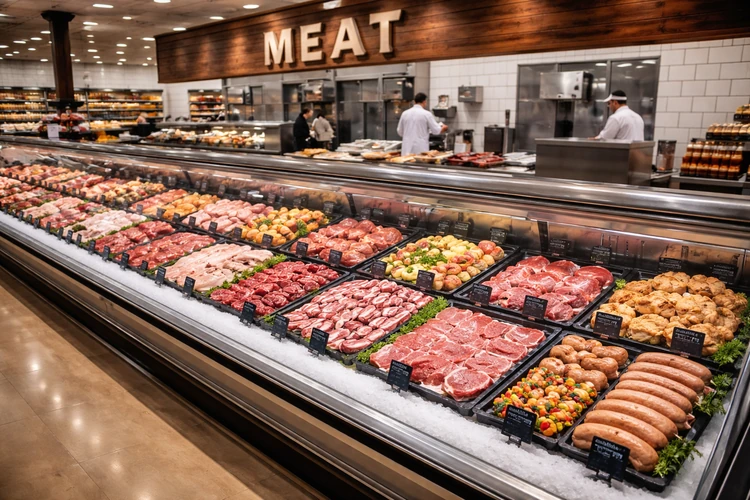
As fans gear up for Super Bowl parties, the cost of filling the snack table is sending a mixed message: some staples are cheaper than a year ago, others are pricier, and where you shop still matters a lot. 

New pricing data from Datasembly, which tracks grocery prices nationwide, shows modest overall inflation for a typical Super Bowl spread — but notable regional differences in Seattle, Boston, and Santa Clara.

Across a basket of popular game-day items — from tortilla chips and salsa to frozen pizza, wings, and beer — prices this year rose about 1.5% overall, to roughly $80.49, compared with $79.27 last year. That relatively small bump masks bigger swings at the item level.

Snack chips and dippables offered some relief. Tortilla chips fell more than 5% nationally, while tater tots dropped more than 8%, with especially steep declines in Seattle. Chunky salsa also edged lower overall. Those decreases helped offset higher prices for items like burgers, queso, and soda.

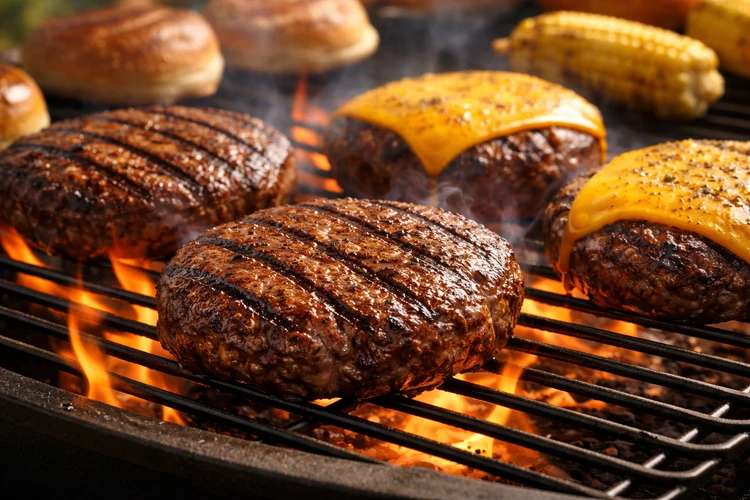
Proteins and prepared foods were a mixed bag. Beef chuck burgers (a six-count pack) climbed more than 3% year over year, while frozen buffalo wings dipped about 2.6% nationally — though shoppers in Seattle saw prices jump more than 8% for wings, according to Datasembly. Frozen Supreme pizza posted a modest increase overall, with little variation across the three cities.

Drinks and dips leaned higher. Mini-can six-packs of cola rose more than 9% nationally, and French onion dip increased more than 7%. Beer prices were mostly flat, with slight increases in Boston and declines in Seattle and Santa Clara.

Regional trends

Regional trends underscore how local markets shape the Super Bowl bill. Seattle shoppers generally saw lower prices for snacks and chili but higher costs for wings. Boston posted notable declines for chips and salsa, while Santa Clara tended to run hotter on prepared foods and chili.

Bottom line: hosting a Super Bowl party this year won’t break the bank, but smart shopping — and knowing which items have cooled or heated up — can still make a noticeable difference. Datasembly’s data suggests that mixing brands, watching weekly specials, and tailoring menus to local price trends remain the best ways to keep kickoff costs in check.

Article Image

The Producer Price Index suggests more inflation could be ahead

  • Producer prices rose faster at year’s end: The Producer Price Index (PPI) for final demand increased 0.5% in December, following gains of 0.2% in November and 0.1% in October. On an annual basis, producer prices were up 3.0% in 2025, after rising 3.5% in 2024.

  • Service-sector costs drove the increase: December’s advance was fueled by a 0.7% jump in prices for final demand services, while prices for final demand goods were flat.

  • Underlying inflation pressures persisted: Prices excluding food, energy, and trade services climbed 0.4% for the eighth straight month, signaling continued momentum in core producer inflation.


Inflation-weary consumers might not find immediate relief. The December Producer Price Index – a measure of costs at the wholesale level – suggests that inflation pressures remain embedded in the U.S. economy, particularly within the service sector, even as some relief continues to come from energy and food prices.

The Bureau of Labor Statistics reports producer prices for final demand climbed 0.5% in December, marking the fastest monthly increase since midyear and capping a steady acceleration over the final quarter. While the annual increase in 2025 slowed to 3.0% from 3.5% in 2024, the month-to-month data point to renewed momentum that could complicate the inflation outlook as 2026 begins.

Higher services costs

A key takeaway from the report is where the price pressures are coming from. Services accounted for virtually all of December’s increase, with prices rising 0.7%, the largest monthly gain since July. 

About two-thirds of that increase was driven by higher trade service margins, which reflect the markups wholesalers and retailers receive. In particular, machinery and equipment wholesaling margins surged 4.5%, making it one of the single biggest contributors to the overall rise.

Outside of trade services, prices for transportation and warehousing services increased 0.5%, while other services excluding trade, transportation, and warehousing rose 0.3%. Increases were also recorded for guestroom rentals, airline passenger services, portfolio management, and several retail categories tied to food, alcohol, and health-related goods. These broad-based gains suggest businesses continue to pass higher costs through the supply chain.

Product prices remained flat

By contrast, prices for final demand goods were unchanged in December, masking sharp divergences beneath the surface. Core goods prices excluding food and energy rose 0.4%, but that increase was offset by falling food and energy prices. Energy prices dropped 1.4%, led by a steep 14.6% decline in diesel fuel, while food prices slipped 0.3%. Gasoline, jet fuel, beef, and steel scrap also became cheaper, offering some counterweight to service-driven inflation.

Perhaps most telling for the inflation outlook is the continued rise in prices excluding food, energy, and trade services. This closely-watched core measure increased 0.4% in December and rose 3.5% over the year, nearly matching 2024’s pace. 

Eight consecutive monthly increases suggest that underlying inflation pressures have yet to meaningfully cool at the producer level.

For consumers, persistent increases in service-sector and core producer prices raise the risk that inflation remains sticky in the months ahead. While falling energy costs may continue to provide short-term relief, the December PPI report indicates that many businesses are still facing — and passing along — higher costs, a dynamic that could keep overall inflation elevated as the new year unfolds.