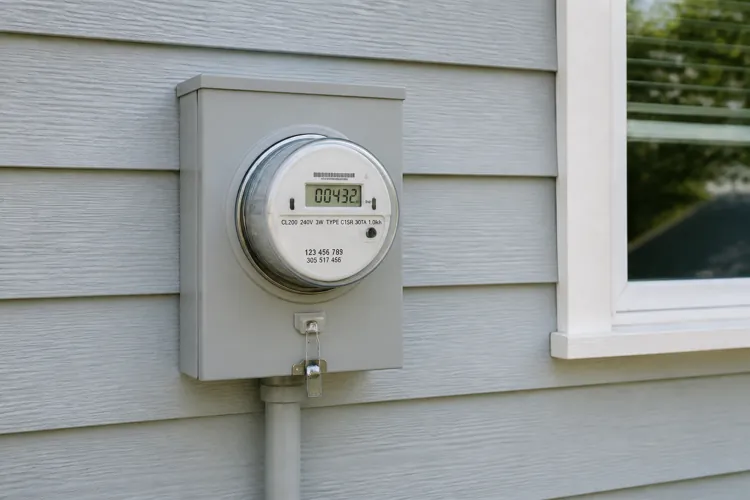

Electricity prices have risen about 37% in five years, while rents, restaurant meals, and gasoline are up roughly 27% to 29%.
Housing creates the greatest strain because consumers face higher prices, elevated mortgage rates, rising rents, insurance, and utility costs at the same time.
Overall consumer prices are about 22% higher than in July 2021, meaning slower inflation has not reversed the increase in the cost of living.
Affordability has become one of consumers’ biggest concerns, creeping into the political debate, but not all price increases hurt equally.
Some products may post large percentage increases without significantly disrupting a household budget. Housing, food, utilities, and transportation are different: They are expensive, recurring, and difficult to avoid.
An analysis of data from the Bureau of Labor Statistics from July 2021 through July 2026 shows that overall consumer prices increased approximately 22% during the five-year period. Several essential expenses rose even faster.
The biggest increase was in electric bills, which are up 37% over five years. Restaurant meals and rent are both up 29%, while gas prices have risen 27%.
The calculations compare the unadjusted Consumer Price Indexes for July 2021 and July 2026. Individual households may have experienced much larger or smaller increases depending on where they live and what they buy.
Housing delivers the biggest blow
Housing is arguably the center of the affordability crisis because consumers have been hit by several rising costs at once.
The BLS shelter index, which includes rent and the estimated rental value of owner-occupied homes, increased nearly 28% over five years. The rent index alone rose about 29%.
Homebuyers face an additional hurdle. The median existing-home sales price reached $434,100 in July, according to the National Association of Realtors. That was up 2% from a year earlier and roughly 21% above the median price reported in July 2021.
But home prices tell only part of the story. Mortgage rates have more than doubled from their 2021 levels. A 30-year fixed-rate mortgage carried an average rate below 3% during much of the summer of 2021, compared with rates above 6% now.
For example, principal and interest on a $300,000, 30-year mortgage would be approximately $1,244 a month at 2.87%. At 6.5%, the payment would be about $1,896 — a difference of more than $650 a month before taxes and insurance.
Existing homeowners with low fixed mortgage rates are largely protected from that increase, but renters, first-time buyers, and people who need to relocate are not. Homeowners in many areas have also faced rising insurance premiums, property taxes, maintenance expenses, and utility bills.
Electricity is one of the fastest-rising necessities
Electricity posted one of the largest five-year increases among major recurring expenses, rising about 37%.
Unlike gasoline, electricity is difficult for consumers to avoid. Households may reduce usage, but they generally cannot stop heating, cooling, or powering their homes.
The pressure is especially serious for retirees and lower-income households, which may spend a larger share of their income on utilities. High summer temperatures can also make cutting air conditioning use unsafe for older adults and people with certain health conditions.
Electricity prices were still rising in July 2026, increasing 4.2% from a year earlier, the BLS reported.
Food prices went up — and stayed up
Grocery prices increased approximately 26% over the five-year period. Restaurant prices rose even more, climbing about 29%.
Food inflation has moderated from the rapid increases seen earlier in the decade, but that does not mean prices have returned to previous levels. It means they are generally rising more slowly from an already elevated base.
That distinction helps explain why consumers may remain frustrated even when inflation reports improve. A grocery basket that rose from $100 to approximately $126 does not become cheaper simply because its latest annual increase is smaller.
Consumers can trade down to store brands, shop sales, or eat out less often, but there is a limit to how much food spending can be reduced.
Transportation remains expensive
Gasoline prices were roughly 27% higher in July 2026 than five years earlier, though fuel is among the most volatile expenses and can move sharply in either direction.
The cost of driving also includes vehicle prices, financing, repairs, and insurance. Even where new- and used-vehicle price inflation has eased, consumers financing a purchase face interest rates that are considerably higher than those available in 2021.
That creates the same problem seen in housing: The sticker price may stabilize while the monthly payment remains unaffordable.
Why consumers still feel squeezed
The affordability problem is not simply that inflation remains above the Federal Reserve’s target. It is the cumulative effect of five years of price increases.
In July, consumer prices were 3.4% higher than a year earlier. But compared with July 2021, the overall cost of the government’s consumer basket was about 22% higher.
Consumers do not experience that increase evenly. A household that owns its home outright and drives little may be relatively insulated. A renter with children, a long commute, and high utility bills may face much greater pressure.
That is why housing, utilities, food, and transportation are causing the most pain. They combine substantial price increases with something consumers cannot easily change: the need to keep a roof overhead, the lights on, food on the table, and a reliable way to get to work.