
Peanut growers went from making a profit in 2024 to losing money in 2025, according to an analysis of USDA data.
Higher costs for fuel, fertilizer, pesticides and other farm inputs are squeezing growers’ margins, making it more difficult to absorb rising expenses.
If farmers plant less of these key candy ingredients, tighter supplies could push prices higher, potentially making some Halloween treats more expensive for shoppers.
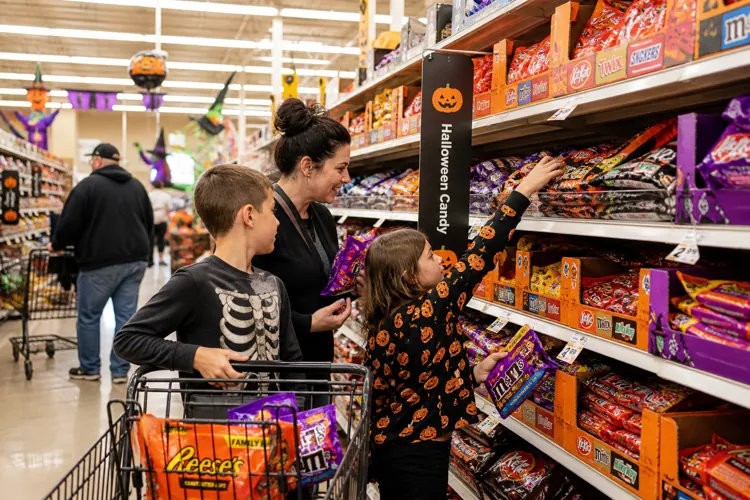
Halloween candy is already starting to fill store shelves, but this year, your favorite treats could come with a slightly higher price tag.
Behind many of the candies filling trick-or-treat bags are crops like peanuts and corn, and new analysis of USDA data shows that farmers growing these key ingredients are facing significant financial challenges.
ConsumerAffairs spoke with Dusty Vauters, an agricultural expert at Mid-South Ag Equipment, who explained that peanut growers went from making a profit in 2024 to losing money in 2025 — the biggest swing among the crops included in the analysis.
He explained that when it becomes more expensive to grow a crop than what farmers can earn from selling it, they may respond by planting less the following year. And eventually, those supply pressures can make their way down the food chain — potentially affecting what consumers pay for Halloween candy.
Farming costs are increasing
Vauters explained that the cost of just about everything for farmers has climbed – fuel, fertilizer, pesticides, and fungicides.
“Those aren't optional line items — they're what it takes to actually get a crop in the ground and keep it alive,” he said.
“Beyond that, everything that goes into the production, harvesting, cleaning, packing, and shipping of peanuts has gone up too. So it's not just one cost that jumped — it's the whole chain, from planting through to getting the peanuts off the farm and ready for processing. When every single step in that process costs more than it used to, the margins get squeezed from every direction at once, and there's very little room left for growers to absorb it.”
Shoppers feel the effects quickly
When farmers are forced to pull back on how much they’re planting, consumers can feel the effects. And according to Vauters, that transition happens faster than many people may realize.
“If farmers as a group cut back planting by even 10%, the market feels it almost immediately — this isn't something that takes a season to show up,” he said. “Prices would start rising right away, and anything downstream that depends on that commodity as an input would see its costs go up within a day or a week, not months.
“That's because businesses and companies that need that commodity don't wait around — they start bidding now for a smaller pool of future inventory, and that competition for a tighter supply is what pushes costs up the chain. By the time that ripples through to a finished product on a shelf, the groundwork for the price increase was actually laid the moment planting intentions changed.”
So, if you notice the prices of your favorite Halloween candy are a bit steeper than in years past, it could be because of what’s happening in farms across the country.