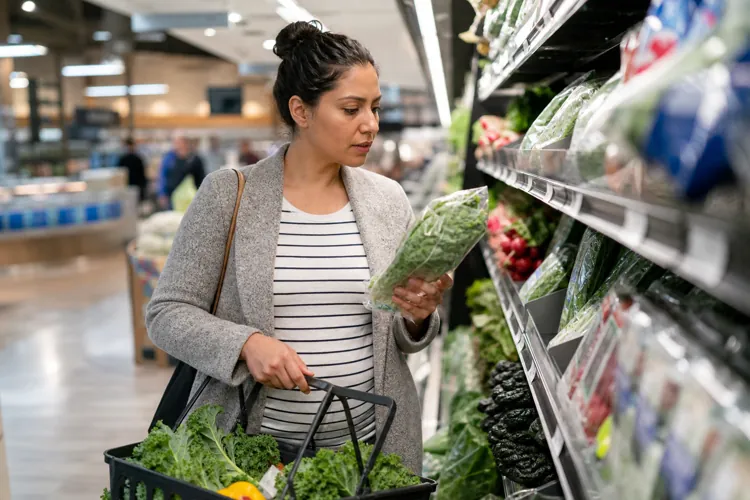

82% of Americans say food and beverage prices are hitting them harder than gas, making groceries the most painful inflation category right now.
Rising prices are reshaping shopping habits, with 60% of consumers dropping brand loyalty and many switching to store brands or discount grocers to save money.
Experts say simple strategies — like meal planning, shopping with a list, and choosing private-label products — can help shoppers stretch their grocery budgets.
Americans have grown used to paying more for everyday essentials, but many say it’s the grocery store — not the gas station — that’s putting the biggest strain on their budgets.
A new survey from supply chain software company DOSS found that 82% of consumers say food and beverage prices are hitting them harder than fuel costs, prompting many shoppers to rethink what they buy and where they shop. Rising prices are also weakening brand loyalty, with consumers increasingly choosing store brands, discount grocers and cheaper alternatives to stretch their dollars.
To break it all down, ConsumerAffairs spoke with David Appel, VP of Marketing at DOSS.
Have grocery prices risen as quickly as gas prices?
Appel explained that gas prices often grab attention because they can change overnight and are visible on every street corner.
“They’re also influenced by everything from crude oil markets to refinery outages and geopolitical events,” he said. “But grocery inflation is often felt more frequently. Our research found that 82% of Americans say food and beverage prices are among the most painful inflation categories they face today, compared to 76% who say the same about gas.
“Whether it’s a full grocery run or a quick stop for essentials, consumers encounter higher food prices several times a week, while gas expenses depend more on how often they drive.”
Using store brands to your advantage
One of the best ways to stretch your dollar at the grocery store is opting for store brands instead of private-label brands.
“The perception of private-label quality just isn’t what it used to be, and it’s no longer seen as a compromise,” Appel said. “When nearly 7 in 10 Americans believe store brands are just as good as name brands, that really emphasizes the shift in consumer perceptions and behavior.
“Whether it’s canned goods, frozen veggies, pasta, dairy products, or pantry basics, the savings really do add up, and there’s not a noticeable dip in quality either.”
Appel said that when it comes to items to avoid purchasing from store brands, focus on items where the formulation or performance matters, like coffee, specialty sauces, baby products, or particular cleaning supplies.
Having a list can save you money
If you’re looking to save money on groceries, Appel recommends taking the time to do your homework before you ever get into the store.
“When you’re focusing on the price of individual items, many tend to overlook how fast impulse buys, convenience foods, or even extra trips to the store pile up over the course of a month,” he said.
Instead of going into a store without a plan, plan your meals and make a list of things you need to replace. The extra couple of minutes can help you avoid impulse purchases.
“Another pitfall is shopping based on habit instead of price,” Appel said. “Folks will continue to buy the same brands because they’re familiar, even as the prices increase.
“Shrinkflation is another factor shoppers underestimate. You believe you’re paying the same price as before, but you’re often getting less of the product. This hidden increase in cost per serving can nudge your grocery spending far beyond what you’re expecting to get.”
How to keep up with rising grocery prices
While prices are increasing, there are ways to maximize your budget. Appel shared his best advice for shoppers:
“Don’t beat yourself up over switching brands, or going with something less flashy or recognizable,” he said. “Many shoppers are abandoning brands they were loyal to for years because their prices just don’t feel reasonable considering the economic climate.
“It’s a normal response to inflation, not a reflection of your personal finances or self-worth. You have to protect your overall budget rather than stick to old shopping habits. There are plenty of ways to stretch your budget, from store brands to buying in bulk, or switching grocery stores, and you have more leverage than it can feel like. Trust me, retailers are already seeing it and it doesn’t hurt to vote with your wallet.”
Some more grocery store tips:
Start with a meal plan, build your list around weekly promotions, look for coupons, and be brand flexible. Maybe if chicken is on sale that week instead of beef, adjust the menu.
Don’t ignore discount grocers, warehouse clubs, and private-label products. Big savings typically come from changing where you shop and what brands you throw in your cart, not just clipping a few extra coupons. You’ll be saving way more money if you get a dollar off 20 items vs hunting for that one big discount.