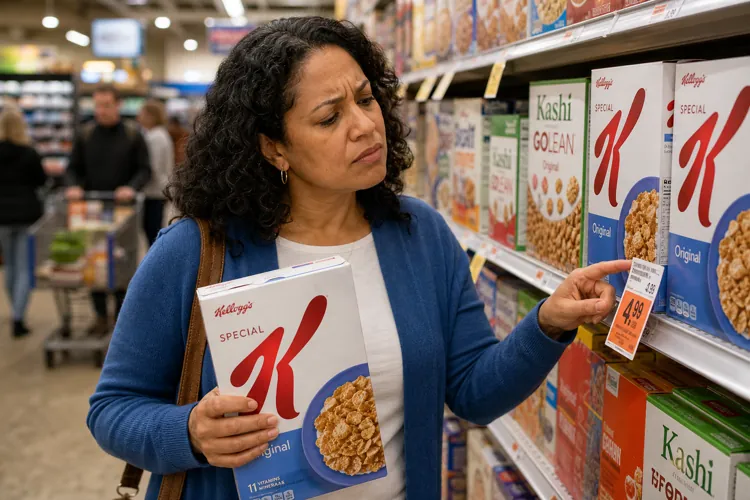

85% of Americans believe brands and retailers use inflation to justify larger-than-necessary price increases, according to an Omnisend survey.
More than half of respondents said they have stopped buying from brands they once preferred as prices climbed.
Nearly one-third reported using credit to pay for essentials such as groceries, rent, utilities, and medical bills.
American consumers increasingly suspect companies are using inflation as cover to overcharge — and many are responding by abandoning brands they once favored.
A survey commissioned by e-commerce marketing company Omnisend found that 85% of respondents believe brands and retailers often use inflation to raise prices more than necessary. About 67% said higher prices have changed how they view previously favored brands, while 56% reported that they have stopped buying from them altogether.
An additional 22% said they now trust those brands less, according to the findings.
Consumers did not reject all price increases. Respondents were most willing to pay more when the higher price reflected improved product quality, cited by 19%; better wages for workers, cited by 16%; or increased ingredient and material costs, cited by 15%.
Consumers expect an explanation
Marty Bauer, an e-commerce expert at Omnisend, said the findings indicate that customers expect companies to explain why prices are rising. Greater transparency, he said, has become part of the value shoppers expect from brands.
The survey also points to mounting pressure on household finances. Thirty percent of respondents said they had used credit during the previous three months to cover necessities, including groceries, gasoline, utilities, rent, or medical expenses. Twenty percent had borrowed from friends or family, while 18% used buy-now-pay-later services and 17% tapped savings intended for another purpose.
Groceries emerged as the most acute source of concern. Thirty percent described grocery spending as the everyday expense that felt most “out of control.”
Most noticeable at supermarkets
Consumers also said supermarkets were where “shrinkflation” — reducing a product’s size without lowering its price — was most apparent. Sixty-five percent identified groceries as the category in which the practice was most obvious, 59% said they noticed it regularly, and 29% considered it the most unfair form of a price increase.
Omnisend commissioned the survey, which research company Cint conducted in June 2026 among 1,075 U.S. consumers. Quotas for age, gender, income, and residence were used to create what the company described as a nationally representative sample.
The reported margin of error was plus or minus three percentage points. Because the findings are based on self-reported responses to a company-sponsored survey, they measure consumers’ perceptions and experiences rather than whether individual companies have raised prices beyond their underlying costs.