
The Federal Reserve raised its benchmark interest-rate range by 0.25 percentage points — 3.75%–4%.
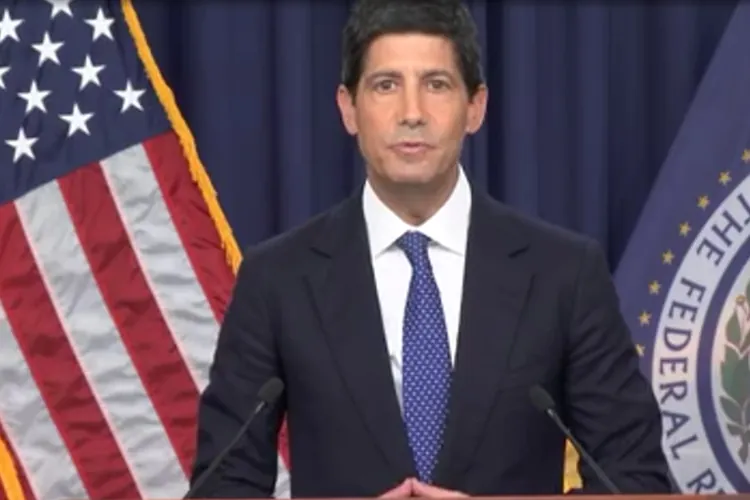
Fed Chair Kevin Warsh — not Kevin Walsh — said inflation remains too high and has persisted for too long.
Consumers could face higher costs on credit cards, adjustable-rate loans, and new auto financing, while savers may benefit from better yields.
The Federal Reserve raised interest rates by a quarter percentage point Wednesday, tightening monetary policy for the first time since 2023 as officials moved to curb persistent inflation.
The Federal Open Market Committee voted unanimously to lift its target federal funds rate to a range of 3.75% to 4%. The central bank said economic activity continued to expand at a solid pace, supported by resilient consumer spending, strong productivity, and robust business investment.
Fed Chair Kevin Warsh described the action as a measured response to price pressures that have remained above the central bank’s 2% goal. “The plain fact is that inflation is too high and has been for too long,” Warsh said at his post-meeting press conference.
Warsh estimated that the Fed’s preferred inflation measure rose about 3.6% over the 12 months through August. He said summer data had not shown sufficient improvement in underlying inflation and noted that several commodity prices had recently increased.
‘Inflation is too high’
“At our July meeting, we all agreed that inflation remained too high,” Warsh said, adding that the committee had been prepared to act if conditions required it.
He emphasized that the Fed had committed to a disciplined approach rather than a predetermined decision or rate path. The higher policy rate is likely to filter gradually into household finances. Credit card rates, home equity lines of credit, and other variable-rate debts may rise relatively quickly. If a lender passes along the entire increase, a consumer carrying a $10,000 balance would incur roughly $25 more in annual interest, before compounding.
Rates on new auto and personal loans may also increase. Fixed-rate mortgages are not directly tied to the federal-funds rate, but mortgage costs can move with longer-term bond yields and expectations about future Fed policy. Existing fixed-rate mortgage payments will not change, while adjustable-rate borrowers could face higher payments when their loans reset.
Upside for savers
There is a potential benefit for savers: banks and money-market funds may offer higher returns on savings accounts and certificates of deposit, although institutions are not required to pass the full increase to depositors.
The Fed’s goal is to slow demand enough to relieve inflation without seriously damaging employment or economic growth. Its latest projections showed unemployment holding near 4.1%, while the median policymaker forecast suggested another rate increase could follow before year-end.
For households, the immediate message is mixed: borrowing is poised to become more expensive, but bringing inflation under control could eventually ease the broader pressure from elevated prices for food, energy, housing, and other necessities.