2024 Consumer News and Alerts

Article Image

Target's holiday clearance sale features 50% off in several categories

While holiday sales have been going on for several months, Target is announcing its post-holiday sale, which offers shoppers deep discounts on nearly every category the retailer offers. 

"What I love about clearance is seeing all of the different reasons people shop at Target as the holiday season winds down," said Rick Gomez, executive vice president and chief commercial officer, Target. "Whether you're celebrating later, using a new gift card, or getting a jump start on next year, we have deep discounts across our entire assortment to make it easy for everyone to find great deals and extend the joy of the holiday season."

What are the sales?

Target’s Holiday Clearance Event has officially kicked off, and here’s what consumers can expect: 

  • 50% or more off select holiday family sleepwear

  • 50% or more off select beauty gift sets

  • 50% or more off select holiday decor

  • Up to 50% off clothing and shoes for the family

  • Up to 50% off select jewelry and accessories

  • Up to 50% off select toys across categories such as games, dolls, and plush 

  • Up to 50% off select sporting goods including bikes

  • 30% or more off select holiday candy 

The Holiday Clearance Event is available in-stores, online, and on the Target app, and consumers can shop in-store, or utilize Target’s pick-up and drive-up options. 

This marks the final holiday-related sale this year from the retailer, so shoppers have the opportunity to take advantage of these deals before they’re gone. 

Article Image

Safety agency proposes voluntary safety standards for self-driving vehicles

With just a few weeks remaining in the Biden Administration, the notoriously slow-moving National Highway Traffic Safety Administration (NHTSA) is proposing voluntary safety guidelines for self-driving vehicles.

Safety advocates, frustrated by NHTSA's plodding pace, have been demanding tougher regulation of autonomous cars for years with little success. Finally, in the twilight of the Biden presidency, a voluntary program is apparently as far as it's willing to do. 

Key Details

  • Voluntary Program: Automakers and autonomous vehicle companies can enroll, requiring safety plans, crash reports, and independent safety assessments.
  • No Mandatory Standards: The proposal does not include specific performance requirements, like sensor capabilities or low-visibility detection.
  • Safety Concerns: Critics argue the plan lacks enforceable regulations, with some calling it ineffective and insufficient to ensure safety.

Future Implications

The next administration, led by President-elect Trump, may create its own guidelines. Tesla CEO Elon Musk, named to co-lead a “Department of Government Efficiency,” could influence standards despite Tesla’s stake in the industry.

NHTSA will accept public comments on the proposal for 60 days and aims to gather data to inform future regulations. The agency acknowledges a need for stricter standards in the future but lacks enough data to implement them now, it argues.

Currently the only safety standars autonomous vehicles have to meet are the same ones all others must adhere to. The voluntary program would require companies to have independent assessments of their automated vehicle safety processes, and they would have to report crashes and other problems.

Safety advocates not impressed

“This is a big bunch of nothing,” said Missy Cummings, director of the autonomy and robotics center at George Mason University and a former safety adviser to NHTSA, in an Insurance Journal report. “It’ll be more of a completely useless paperwork drill where the companies swear they’re doing the right thing.”

Other concerns raised by safety advocates included:

  • Lack of Specific Standards: Critics argue the voluntary guidelines do not set minimum safety requirements for self-driving vehicles, leaving the public at risk.
  • Inadequate Oversight: Advocates believe the plan relies too heavily on companies self-reporting their compliance, which could lead to inconsistent or insufficient safety practices.
  • Uncertain Enforcement: The voluntary nature of the program is seen as a step back compared to mandatory regulations that apply to human-driven vehicles.

Safety advocates are urging NHTSA to consider mandatory rules to ensure autonomous vehicle technology is deployed responsibly and safely. They emphasize the need for enforceable standards to protect public safety as self-driving technology advances.

Article Image

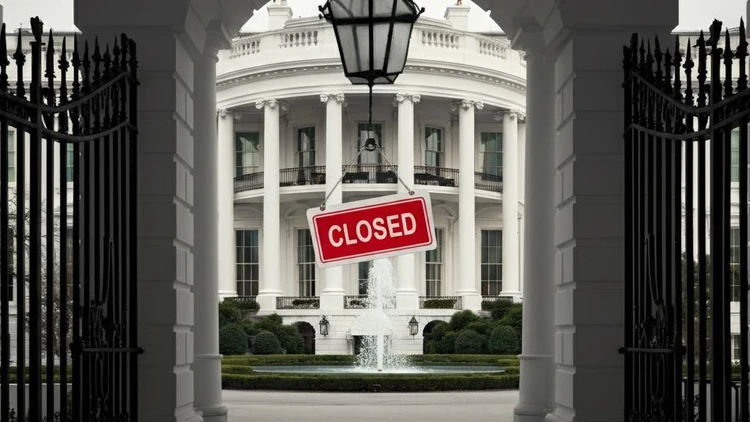
What if the government shuts down?

Holiday travel plans may go awry if the federal government shuts down at midnight Friday, although most airline operations will continue more or less normally for at least a few days. 

Congress has until midnight Friday to agree on a funding plan after a bipartisan plan was abandoned when President-elect Trump and billionaire Elon Musk publicly opposed it. Negotiations are continuing but the outcome is increasingly in doubt. You can keep up to date with the latest developments here. 

"Essential" services will continue but if the shutdown drags on, the effects could spread and cause major economic dislocation, not to mention inconvenience for millions of consumers.

Federal employees and contractors will feel the effects immediately. Whether they are furloughed or required to continue working, most won't get paid until the shutdown ends and normal governmental operations resume. If that means two days of lost pay, it's one thing. But if the shutdown drags on, it can be a real hardship for millions of government workers and their families.

Members of the military could see delays in their paychecks and government contractors -- many employed in crucial intelligence, public safety and health roles -- might not be paid at all, depending on the terms of an eventual settlement. 

Federal employees are often described as "bureaucrats" but many are really little more than clerks, functionaries who do a specific task over and over. These people are not very well paid and many live from paycheck to paycheck. Past shutdowns have been hard on them and have sent many to breadlines and soup kitchens. 

National parks, museums and other public federal installations will close and many routine safety and health actions -- like food inspection -- will stop.  

Social Security and Medicare benefits continue as usual, as does the Postal Service. 

The U.S. Office of Personnel Management has published a shutdown guide for federal workers. 

A sordid history

Here are the dates and lengths of previous significant federal government shutdowns in the United States:

1. 2018-2019 Shutdown (Longest Shutdown in U.S. History)

  • Dates: December 22, 2018 – January 25, 2019
  • Length: 35 days
  • Reason: Disagreement over funding for President Trump's proposed border wall.

2. 2013 Shutdown

  • Dates: October 1 – October 17, 2013
  • Length: 16 days
  • Reason: Disagreement over the Affordable Care Act (Obamacare) funding.

3. 1995-1996 Shutdown (Second Longest)

  • Dates: November 14, 1995 – November 19, 1995 (first shutdown) and December 15, 1995 – January 6, 1996 (second shutdown)
  • Length: 21 days in total (combined two parts)
  • Reason: Disputes over budget cuts and fiscal policy between President Bill Clinton and the Republican-controlled Congress.

4. 1981 Shutdown

  • Dates: September 30, 1981 – October 12, 1981
  • Length: 2 days
  • Reason: Disputes over spending cuts proposed by President Ronald Reagan.

5. 1990 Shutdown

  • Dates: October 5, 1990 – October 9, 1990
  • Length: 3 days
  • Reason: Budget disagreements between President George H.W. Bush and Congress.

6. 1978 Shutdown

  • Dates: September 30, 1978 – October 13, 1978
  • Length: 18 days
  • Reason: Disagreement over funding and budget negotiations during the Carter administration.

7. 1977 Shutdowns

  • Dates: September 30, 1977 – October 13, 1977, and November 30, 1977 – December 9, 1977
  • Length: 12 days (combined total of both shutdowns)
  • Reason: Budget disputes between President Jimmy Carter and Congress over spending.

While there have been several smaller shutdowns, these are some of the most significant in recent history. A government shutdown occurs when Congress and the President fail to agree on a budget or stopgap funding measure before the start of the fiscal year or an existing funding measure expires, resulting in a partial closure of government operations.

Article Image

Xmail could be Elon Musk's next venture

Email used to be pretty simple and could be again, as Elon Musk sees it. Now that he owns X, formerly Twitter, what could be more logical than an email service to go with it?

Elonmail, you think? No, Musk is thinking more along the lines of Xmail. He first mentioned it last February and has brought it up occasionally since then. Recently, he raised the subject again, hinting that Xmail would be much simpler and free from the complicated threads and formatting seen in Gmail and other programs.

It's not a new idea but more of a back-to-basics notion, which is perhaps appropriate for somebody who, like Musk, is running an organization that's supposed to make government lean and mean.

Email has been around since at least 1975 and, although it has been somewhat shoved aside by instant messaging of various kinds, it's still the most basic building block in just about everybody's line-up. 

Email is actually pretty simple already but Musk is apparently thinking of something that uses a single default font and doesn't have all the threading features included in most email clients.

Musk recently replied to an X user who posted that he'd like a simpler version of Gmail. Musk responded: "That's exactly what we are going to do."

Article Image

Fed cuts rate by 0.25 but warns future cuts may be slow to materialize

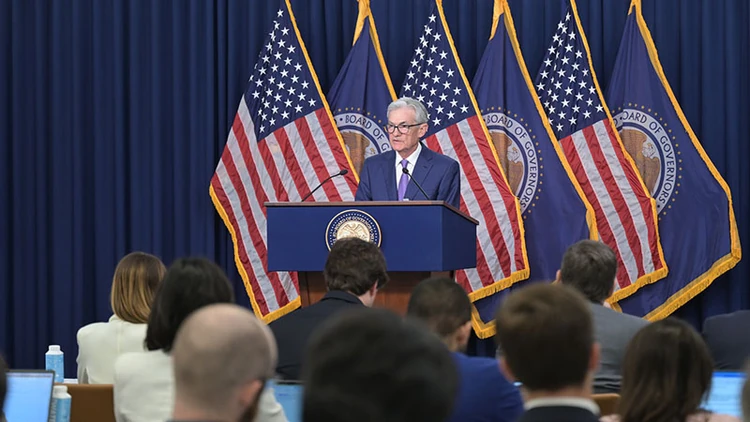
The Federal Reserve cut its key interest rate today by a quarter-point — its third cut this year — but at the same time cautioned that it expects to reduce rates more slowly next year because of stuborn inflation. 

The decision to reduce the federal funds rate by 0.25 percentage points, bringing it to a target range of 4.25% to 4.5%, is expected to have several implications for the economy:

1. Borrowing Costs

  • Lower Interest Rates: Consumers and businesses may benefit from reduced interest rates on loans and credit products, potentially stimulating spending and investment.

  • Credit Card Debt: Financial experts advise that this rate cut could be advantageous for individuals with credit card debt, encouraging them to pay down their balances more aggressively.

2. Savings and Investments

  • Savings Accounts and CDs: Returns on savings accounts, certificates of deposit (CDs), and money-market funds may decrease, though they might still attract investors compared to other struggling investment options.

  • Bond Markets: The rate cut could influence bond yields, affecting long-term bond investors who have faced losses due to rising yields.

3. Stock Market Reaction

  • Market Volatility: Following the announcement, the Dow Jones Industrial Average experienced a significant drop, indicating investor concerns about future economic policies and their impact on markets.

4. Future Monetary Policy

  • Slower Pace of Cuts: The Federal Reserve signaled a more gradual approach to rate reductions in 2025, projecting only two quarter-point cuts instead of the previously anticipated four.

  • Inflation Concerns: With inflation slightly above the 2% target, the Fed remains cautious, aiming to balance economic growth with price stability.

5. Economic Outlook

  • Consumer Spending: Lower borrowing costs may boost consumer spending, contributing to economic growth.

  • Business Investment: Reduced interest rates can encourage businesses to invest in expansion and development, potentially leading to job creation.

Overall, while the rate cut aims to support economic activity, its effectiveness will depend on various factors, including consumer behavior, business responses, and broader economic conditions, analysts said.

Article Image

Homeowners say mortgage companies pushed higher-interest loans after borrower's death

The death of a homeowner often brings out the worst in a mortgage company, according to a report from the Consumer Financial Protection Bureau (CFPB), which found that many homeowners say that mortgage companies try to push them into new, higher-interest loans instead of letting them keep their existing mortgage.

Additionally, homeowners often have to deal with delays and repeated requests for the same documents, sometimes lasting months or even years.

“When someone loses a spouse or goes through a divorce, the last thing they need is their mortgage servicer giving them the runaround or pushing them into an unaffordable loan,” said CFPB Director Rohit Chopra. “Mortgage servicers have clear obligations under federal law to help these homeowners.”

Survivors of domestic violence face extra challenges, such as mortgage companies sending important information to the abuser, putting their safety at risk. Mortgage servicers often blame issues on investor requirements or other technical problems rather than taking responsibility for poor service.

CFPB Director Rohit Chopra said that mortgage servicers are required by law to assist homeowners in these situations. The Department of Veterans Affairs (VA) also emphasized that surviving spouses of veterans should be able to assume their spouse's VA loan without delay.

Problems cited in the report

The CFPB’s report highlights several problems:

  • Homeowners being pressured to take out higher-interest loans even when they can keep their existing loan.
  • Long delays in processing paperwork.
  • Refusals to release the original borrower from liability, even when the new homeowner has been making payments.
  • Risks for domestic violence survivors, with servicers requiring the abuser’s consent for changes.
Article Image

Package delivery scams on the rise with the holidays

California Attorney General Rob Bonta today urged consumers to beware of package delivery text message scams. These messages often state that there’s an issue with your delivery and include a link to “resolve” the problem.

Package delivery scams can occur more frequently over the gift giving season, when holiday shopping is in full swing.

“The gift giving season is in full swing, and with it, comes a parade of package deliveries. Scammers can take this opportunity to use fake delivery text messages and fraudulent links to steal consumers money or personal information,” Bonta said.

“Beware of these scams, avoid clicking on unexpected text message links, and slow down — scammers prey on urgency.”

Follow these tips to protect yourself:

Be Suspicious of Unexpected Messages. Ignore unsolicited text messages, emails, or phone calls claiming issues with a package delivery. 

Don’t Click the Link! Never click on links from unknown senders or emails claiming to be from a delivery company. Instead, go to the official carrier website and enter your tracking number directly.

Be Skeptical of Payment Requests. Delivery companies do not ask for payment to release a package or correct a delivery error. Any such request is a scam.

Look for Red Flags. Scammers often use words like "urgent action required" to pressure you into clicking a link. Be cautious if the message lacks personalization (e.g., "Dear Customer") or contains spelling or grammar errors.

Enable Package Alerts. Sign up for alerts from trusted carriers like UPS, FedEx, or USPS. These alerts will notify you of package updates directly from the source. 

Monitor Your Financial Accounts. Regularly check your bank and credit card statements for unauthorized transactions, especially after suspecting a scam.

Article Image

Here’s why your household bills may be higher than you think

Surveys this year have consistently shown that “the cost of living” is a major pain point for consumers. A new report has highlighted the staggering hidden costs associated with bill payments that may be a major contributor to that pain.

According to the report from doxo, those hidden costs amount to $196 billion annually, or an average of $1,495 per household. This financial burden is a significant factor affecting consumer financial health, as U.S. households collectively spend over $4.46 trillion on household bills each year, with $3.35 trillion allocated to the ten most common recurring bills.

The complexity of managing these bills results in billions of dollars in avoidable expenses and substantial customer support costs. Doxo's 2024 Hidden Costs of Bill Pay Report highlights consumer concerns about identity fraud, late fees, overdraft charges, and negative credit impacts, quantifying the financial toll these issues take on the average U.S. household.

The report indicates that the current bill-pay market primarily caters to the needs of billers rather than consumers. Traditional bill payment processes require consumers to navigate each biller's policies, manage multiple logins, share payment information across platforms, and track individual due dates. 

This year's report shows an 18% increase in hidden costs compared to the previous year, which reported a $167 billion market impact and an average household cost of $1,268. Credit impacts saw the most significant increase, with average credit fees rising from $945 last year to $1,186 this year.

Breakdown of hidden costs

  • Identity fraud costs: Households incur an average of $76 annually due to identity fraud, totaling $10 billion nationwide, up from $67 per household last year.

  • Overdraft Fees: Consumers paid over $8 billion in overdraft fees, averaging $60 per household, a decrease from $75 per household last year.

  • Late Fees: Late payments resulted in $23 billion in expenses, or $173 per household, slightly down from $181 per household last year.

  • Credit Costs: Households can save $1,186 annually by improving credit scores, as staying current on bills is crucial for financial health.

"In today’s economic climate, it’s critical for American consumers to be aware of the hidden fees associated with their household bills,” said Liz Powell, senior director of INSIGHTS at doxo. 

The report also highlights consumer concerns, with 86% worried about stolen payment information and identity fraud, 85% about credit score impacts, 70% about late fees, and 59% about overdrafts. 

Article Image

Small business reporting rule with harsh penalties for non-compliance now called ‘voluntary’

Many small business owners – including one-person LLCs – were surprised to learn recently that a newly-passed law, the Corporate Transparency Act, required them to file a report with the U.S. Financial Crimes Enforcement Network by the end of 2024.

Even more shocking were the consequences of not doing so. Under the law, owners could be fined thousands of dollars and face up to two years in prison.

Congress passed the law to give federal authorities the tools to crack down on terrorist activities and money laundering. But last week a federal court in Texas issued a temporary injunction, blocking enforcement of the law which the court said was probably unconstitutional.

In response, the Financial Crimes Enforcement Network said the filing of the form, known as the Beneficial Ownership Information report, is “voluntary” while the case is waiting to be heard.

“The Corporate Transparency Act plays a vital role in protecting the U.S. and international financial systems, as well as people across the country, from illicit finance threats like terrorist financing, drug trafficking, and money laundering,” the agency said on its website.  “The CTA levels the playing field for tens of millions of law-abiding small businesses across the United States and makes it harder for bad actors to exploit loopholes in order to gain an unfair advantage.”

Opposition

But Texas Attorney General Ken Paxton, who challenged the law, says the Constitution does not give Congress the power to unilaterally regulate the approximately 32.6 million organizations that have been granted formal corporate status by the states. 

“The so-called ‘Corporate Transparency Act’ was an unconstitutional attempt by the federal government to undermine States’ authority and crush small businesses under regulations, fines, and threats,” Paxton said after the injunction was granted. 

“I filed an amicus brief supporting Texas small business owners, and it’s a major victory for American entrepreneurs that the nationwide injunction will prevent this law from taking effect.” 

A court will rule on the constitutionality of the law in 2025. In the meantime, business owners who would like to “voluntarily” file the form can do so here.

Article Image

Formaldehyde fumes associated with greater cancer risk

You may associate formaldehyde with dissecting frogs in biology class, but the chemical can be found in countless consumer products. And an analysis by ProPublica contends that formaldehyde fumes pose an incremental lifetime cancer risk greater than one incidence of cancer in every million people.

Not only that, the research found that about 320 million people live in areas where that risk is at least 10 times higher. In other areas, the cancer risk from formaldehyde is even worse. 

While most people probably associate formaldehyde with preserving organic material, it can have many other uses. It’s used to bind particleboards in furniture and serves as an important building block in plastic.

There is no shortage of products using particleboard or plastic and, according to ProPublica, these products leak fumes into the air that people breath.

You may recall that flooring retail Lumber Liquidators first encountered financial problems when a 2015 report by CBS 60 Minutes revealed that flooring it imported from China had been soaked in formaldehyde. 

A federal safety report released the following year found that the flooring leaked enough formaldehyde fumes to irritate the eyes, nose and throat. Investigators concluded that it gave off enough gas to cause difficulty breathing in people with asthma.

It also found that breathing formaldehyde fumes also increased cancer risks by a small amount. However, the ProPublica report released this week says those risks may be significantly greater.

The U.S. Environmental Protection Agency may be ready to act, but efforts have been slowed by opposition from industry groups. 

According to the National Institutes of Health, the relationship between cancer and exposure to formaldehyde has been investigated in seven case–control studies, five of which found elevated risks for overall exposure to formaldehyde or in higher exposure categories, including one in which the increase in risk was statistically significant.

Article Image

Alcohol deaths double in US over 21 years

A study by Florida Atlantic University found that alcohol-related deaths in the U.S. nearly doubled between 1999 and 2020, rising from 10.7 to 21.6 per 100,000 people. Total deaths increased from 19,356 to 48,870 during this period.

Key findings include:

  • Deaths among those aged 25–34 increased nearly fourfold.
  • Individuals aged 55–64 had the highest death rates.
  • Men experienced higher overall death rates, but women saw the largest relative increase, with deaths rising from 4.8 to 12 per 100,000.
  • Asian and Pacific Islander communities and the Midwest region experienced the steepest increases.

Researchers highlight gender differences, noting that women may be more vulnerable to alcohol’s effects due to body composition and metabolism. Social changes and targeted marketing have also contributed to increased alcohol consumption among women.

The study emphasizes the need for targeted interventions to address factors like obesity, diabetes, and mental health, which worsen alcohol-related risks.

Health care providers are encouraged to screen for alcohol use and address coexisting conditions to reduce the impact of alcohol on premature deaths and cardiovascular disease.

Alcohol consumption varies significantly by region worldwide and in the U.S. According to 2019 data, Latvia had the highest annual per capita consumption at 13.2 liters, followed by France at 12.2 and the U.S. at 10.

Descriptive data on mortality reveal complex links between alcohol use and premature deaths. Latvia, for example, leads in alcohol consumption and ranks third in total deaths, while France, despite high alcohol consumption, has low cardiovascular mortality but high rates of cirrhosis and liver cancer.

In contrast, Russian men have high alcohol consumption and an elevated rate of cardiovascular mortality. These patterns illustrate the complex interrelationships of alcohol consumption, premature death and disease, regardless of the beverage type.

“Both globally and in the U.S., high levels of alcohol consumption are closely linked to premature deaths and disability,” said Charles H. Hennekens of FAU.

“The difference between consuming small amounts of alcohol daily and larger amounts could be the difference between preventing and causing premature death. One immediate effect of alcohol is liver damage, and in the U.S., the rising rates of obesity and diabetes also contribute to early liver damage,” he said.

The study was published in The American Journal of Medicine.

Article Image

Sitting too long can kill you, even if you're active

Every few days there’s a new study about sitting and heart health. Now, the American College of Cardiology has published the results of a large study about the impact of sedentary behavior on heart health, even for consumers who meet exercise recommendations. 

The study of 89,530 individuals found that spending over 10.6 hours per day sitting, reclining, or lying down is associated with significantly increased risks of heart failure and cardiovascular death.

“Our findings support cutting back on sedentary time to reduce cardiovascular risk, with 10.6 hours a day marking a potentially key threshold tied to higher heart failure and cardiovascular mortality,” said Shaan Khurshid, MD, MPH, a cardiologist at the Massachusetts General Hospital and co-senior author of the study. “Too much sitting or lying down can be harmful for heart health, even for those who are active.”

About the study

The study participants had an average age of 62; 56.4% were women. They had an average of 9.4 hours per day of sedentary behavior. They were followed for eight years with the following outcomes: 

  • 4.9% developed atrial fibrillation (AF), commonly called a-fib;.

  • 2.1% developed heart failure (HF);

  • 1.84% had myocardial infarction (MI), commonly called heart attack;

  • 0.94% died of cardiovascular (CV) causes.

The researchers found that the risk of heart disease increases steadily with sedentary time and that a threshold effect occurs – creating more significant risk spikes – at 10.6 hours per day.

Meeting 150 minutes/week of moderate-to-vigorous activity reduces AF and MI risks but does not fully offset the HF and CV mortality risks associated with excessive sedentary behavior.

The good news is that replacing 30 minutes of sitting daily with physical activity can:

  • Reduce HF risk by 15% and CV mortality by 10% with moderate-to-vigorous activity.

  • Even light activity lowers HF risk by 6% and CV mortality by 9%.

Health implications

“Future guidelines and public health efforts should stress the importance of cutting down on sedentary time,” Khurshid said. “Avoiding more than 10.6 hours per day may be a realistic minimal target for better heart health.”

  • Guideline Adjustments: Future recommendations should include targets for reducing sedentary time in addition to promoting exercise.

  • Behavioral Changes: Small, achievable adjustments, like reducing daily sitting time by 30 minutes, can significantly improve heart health.

Limitations in measurement

So how can consumers be sure they’re measuring their activity levels accurately?

In an editorial comment accompanying the study, Charles Eaton, MD, MS, Director of the Brown University Department of Family Medicine, said the use of wearable accelerometers has shown that exercise is significantly over-estimated by self-report and sedentary behavior is under-estimated.

Eaton said that replacing just 30 minutes of excessive sitting time each day with any type of physical activity can lower heart health risks. Adding moderate-to-vigorous activity cut the risk of HF by 15% and CV mortality by 10%, and even light activity made a difference by reducing HF risk by 6% and CV mortality by 9%.

Conclusion

The study, published in the Journal of the American College of Cardiology, underscores the urgent need for public health strategies that not only encourage physical activity but also aim to minimize sedentary behavior, particularly beyond the critical threshold of 10.6 hours/day.

Article Image

Vitamin Shoppe’s parent company declares bankruptcy

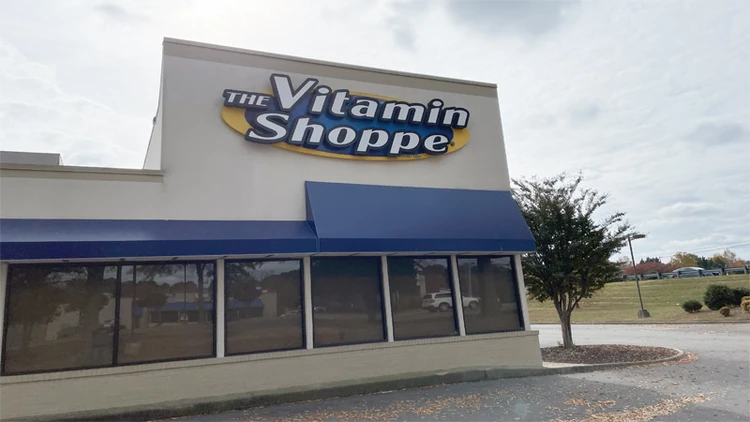
Maybe you haven’t heard of Franchise Group Inc. (FRG), but it owns the Vitamin Shoppe and a couple of other retailers. The company has just declared bankruptcy amid heavy losses and rising debt levels.

The company has announced a plan to restructure its finances by working with holders of about 80% of its major debt. This plan aims to strengthen the company's financial situation and help its main brands—Pet Supplies Plus, The Vitamin Shoppe, and Buddy's Home Furnishings, overcome their financial headwinds and grow. 

The restructuring plan involves converting the company's debt into ownership shares, which will significantly reduce its debt and improve its financial health. This change is intended to benefit the brands as well as their stakeholders.

To carry out this plan, FRG and its businesses have started voluntary Chapter 11 bankruptcy proceedings in the U.S. Bankruptcy Court in Delaware. However, the franchised locations of FRG's brands are not included in this process.

$250 million in financing

As part of the restructuring, the company has secured $250 million in financing to maintain operations and meet commitments to employees, customers, vendors, and franchise partners. This financing is subject to court approval.

Andrew Laurence, FRG's President and CEO, said the move is crucial for the growth of the businesses, which will continue normal operations during the bankruptcy process. 

FRG has also announced it will shutter American Freight due to ongoing economic challenges. Store closing sales will start on November 5, both in stores and online.

The company is filing motions with the court to ensure normal business operations continue for Pet Supplies Plus, The Vitamin Shoppe, Buddy's Home Furnishings, and FRG. These motions include requests to keep paying employees and maintaining customer programs, the company said.

Article Image

Starbucks will stop charging extra for non-dairy milk

Starbucks is taking steps to win back customers who’ve drifted away over the years. For starters, the coffee chain will no longer charge extra when customers request non-dairy milk in their coffee.

The change will take place on Nov. 7, when Starbucks launches its holiday menu. CEO Brian Niccol, who recently took the helm after a successful stint as CEO of Chipotle, said customers should be encouraged to customize their beverages.

“Core to the Starbucks experience is the ability to customize your beverage to make it yours, Niccol said. “By removing the extra charge for non-dairy milk we’re embracing all the ways our customers enjoy their Starbucks.” 

According to Starbucks data, non-dairy milk – whether its soy milk, oat milk, almond milk or coconut milk – is the second most requested customization from Starbucks customers. Number one is a shot of espresso.  

Starbucks estimates that dropping the extra charge will have an impact on customers’ wallets. It says almost half of Starbucks current customers who pay to modify their beverage at company-operated stores will see a price reduction of more than 10%.  

Back to basics

“I made a commitment that we’d get back to Starbucks, focusing on what has always set Starbucks apart – a welcoming coffeehouse where people gather and we serve the finest coffee handcrafted by our skilled baristas,” Niccol said. “This is just one of many changes we’ll make to ensure a visit to Starbucks is worth it every time.”  

Niccol announced the change during his first Starbucks earnings call as CEO and outlined some other changes he plans. Among them is a return to the coffee house vibe.

At the same time, Niccol said he wants service to be faster. He has set a goal of having every drink delivered within four minutes of ordering, a goal he says is only now met about half the time.

On the call, Starbucks announced its earnings for its fiscal fourth-quarter, showing transactions were down 10% for the period. It also reports a decline in traffic across all dayparts.

Article Image

Private equity leaving wheelchair users stranded, Senators charge

U.S. Senators Elizabeth Warren (D-Mass.) and Richard Blumenthal (D-Conn.) have written to Health and Human Services (HHS) Secretary Xavier Becerra, urging the department to take stronger action to protect patients from the harmful effects of private equity involvement in health care.

The senators expressed concern over the growing influence of private equity in the sector, particularly highlighting its negative impact on vulnerable populations, including wheelchair users.

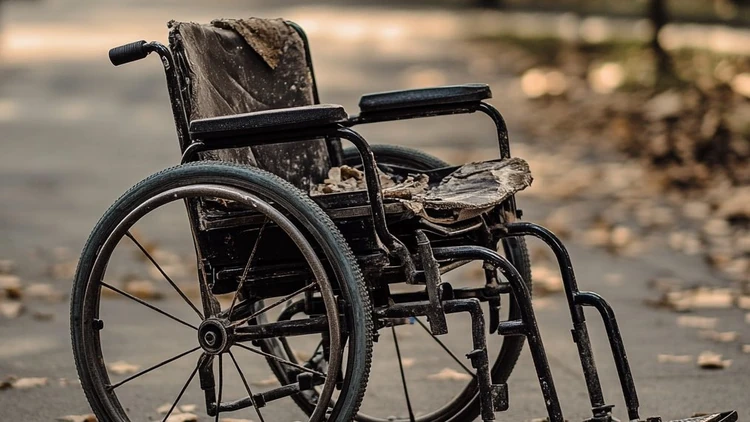
The senators said the wheelchair supply market is currently dominated by two private equity-owned companies—National Seating and Mobility (NSM) and Numotion—which they said have failed to provide adequate and timely repair services.

For the approximately 5.5 million wheelchair users in the U.S., repair delays of several weeks have become the norm, leaving many people stuck at home and at risk of further harm.

Surprise medical billing

“Private equity’s role in health care has worsened issues like surprise medical billing, insufficient staffing and training, and a lack of oversight and accountability,” the senators wrote. “We commend HHS for making private equity ownership in nursing homes more transparent, but we remain deeply concerned about its growing influence in other areas of health care.”

Industry data shows that 60-82% of the total delays in wheelchair repairs stem from the industry's failure to provide timely in-home assessments and repairs, even after prior authorizations and parts have been secured.

Private equity firms are driven by a business model that prioritizes profits from selling new wheelchairs over investing in repair services. While companies make significant profits from selling modern wheelchairs, they often lose money on repairs.

The senators argued that this dynamic in the wheelchair industry exemplifies the broader negative impact of private equity in health care, where anticompetitive practices have led to monopolies, declining care quality, and rising costs for patients.

“HHS must do more to address the conflict between private equity’s short-term profit goals and the well-being of our most vulnerable populations,” the senators concluded.

They also praised the Biden administration for launching a cross-agency inquiry into the role of corporate greed in health care. Additionally, they requested that Secretary Becerra provide information on HHS’s ability to address the harms caused by private equity in health care, and whether the department needs additional authority to take further action against private equity ownership in the sector.

Article Image

Food delivery service has a new leader in customer satisfaction

Uber Eats, DoorDash or Grubhub – they’re all pretty much the same business model, but one shines much brighter in consumers’ eyes when it comes to food delivery satisfaction.

A new study by Intouch Insight evaluated the three companies and looked at factors such as speed of service, accuracy, fees and overall customer experience. DoorDash captured the hearts and minds of consumers -- and the race wasn’t even close.

DoorDash led the pack in overall satisfaction, boasting a 90% satisfaction rate among users. It also outclassed the competition in delivery speed and accuracy, with orders arriving ahead of estimated times and with the correct items.

Even though it trailed in overall satisfaction, Grubhub gets a consolation prize. It stood out for consistently beating its estimated delivery times.

What mattered the most to consumers

There were three things that the study concentrated on:  the impact of order batching, time versus temperature and the customer’s satisfaction with the speed of delivery.

Order Batching

The KISS principle weighed heavily on the impact of order batching. When drivers delivered orders directly to the customer without bundling multiple deliveries, the orders arrived 13 minutes and 34 seconds quicker.

“This had a clear impact on customer satisfaction, as faster deliveries led to significantly better experiences,” Intouch Insight Director of Marketing, Sarah Beckett, told ConsumerAffairs.

“In contrast, when drivers completed other deliveries first, the total delivery time increased to an average of 42 minutes and 32 seconds, which negatively impacted satisfaction.”

Time versus Temperature

When it came to time versus temperature, delivery speed also impacted the customer’s perception of food quality. Orders that arrived at the correct temperature were delivered nearly 10 minutes (9:52) faster than those at incorrect temperatures.

Overall, 91% of customers were satisfied with the time it took to receive their orders, with DoorDash leading the way at 94% satisfaction. But it wasn’t a runaway victory. Uber Eats was only two points behind at 92% and Grubhub seven points shy with 87%. 

Speed of Delivery

Compared to the satisfaction metric, there was a little more of a gap when it came to actual minutes and seconds. On average, the time it took to get the order from the restaurant to the consumer was 33 minutes between all three, but DoorDash was nearly five minutes quicker than the norm with an average delivery speed of 28:03, nearly 13 minutes off the 15 minute goal it set for itself in 2021.

Both Grubhub and Uber Eats were several minutes slower than the average with times of 35 minutes and 35 minutes and 19 seconds, respectively.

In the race to see which delivery service fulfills orders the quickest, we might see some changes the next time this report is released. DoorDash is now shooting for 10 to 15 minutes thanks to DashMart, a new service it’s offering retailers.

Fees: getting better or worse?

Fees for delivery services work like they do for Uber and Lyft ride services – based on distance between the restaurant and the delivery location. Here’s how those fees break down in the InsightIntouch study:

Beckett said that when it came to fees, they have decreased overall compared to a similar study conducted in 2022. But, consumers continue to complain about the varying types of fees these companies charge.

Take DoorDash, for instance. In its "What Fees Do I Pay" section, it states that in addition to service fees and delivery fees, it can also charge a "Small Order Fee" if someone doesn't order what it considers enough.

Similar to what ride-sharing services do, delivery services may also jack up their fees based on demand during peak hours. Some may also do it by the size and dollar of the value, too.

As an example, Sheila of Waleska, GA, complained in her ConsumerAffairs review of UberEats that when she attempted to place an order of $47, the service tacked on $21 more in fees.  "I thought they had lost their minds," she said. 

And there could be other fees that aren't disclosed. In DoorDash's case, it says that, "This list of fees is not exhaustive and may be subject to change" -- meaning that the list someone looks at doesn't include every single fee they might be charged.

If fees are too high in your estimation, there are ways to lower them.  You can:

  • Sign up for a membership program offered by the delivery service like DoorDash's DashPass or Grubhub+ which often waive delivery fees and reduce service charges for eligible orders when you order frequently.
  • Order directly from the restaurant's website or app to bypass third-party delivery fees.

  • Plan your orders in advance to potentially qualify for lower fees or free delivery options.
  • Check for promotions or deals that may offer reduced fees.
  • Consider the distance of the delivery as closer deliveries might have lower fees.