





2025 Smart Shopping and Savings Tips

Article Image

Start your Black Friday prep now: expert tips that’ll save you big

  • Expect familiar deals but tighter inventory; buy at 25–30% off and use price adjustments; verify model numbers to avoid stripped-down doorbusters

  • Prep now: make a gift list with budgets, track prices (CamelCamelCamel/Honey), set Karma alerts, and start early to spread costs and beat sellouts

  • Stack savings: join store loyalty + PayPal cashback; use Fetch/Fetch Amex to turn receipts into gift cards; buy now (tech/small appliances) vs. wait (toys/apparel/decor; bedding in January; TVs late January)


Black Friday 2025 won’t be a total curveball, but the smartest shoppers will definitely prep early. To that end, I had the chance to interview smart shopping expert, Andrea Woroch, about ways to prep now so you maximize your savings come Black Friday weekend. Here’s your game plan to shop like a pro, before the doorbusters even drop.

Will Black Friday 2025 be different than years past?

Woroch explained that “Black Friday should look pretty similar to what we have seen in recent years in terms of savings on popular small kitchen gadgets, big screen TVs, video gaming consoles and personal tech, including headphones, tablets and smart home devices.”

She also told me that retailers secured much of their holiday inventory before tariffs kicked in, which will help hold prices down. The trade-off? Fewer units of the best stuff, so selection may feel tighter. Translation: plan ahead, track prices now, and be ready to buy when your target number hits.

Start with a tight list (and a ceiling price for each item)

A written list is the fastest way to avoid overspending. Woroch recommends a dedicated gift-list app like Santa’s Bag so you can set a budget per person, jot gift ideas, and log what you actually paid.

This prevents duplicate gifts when you start shopping early, and it keeps you from turning “just browsing” into clear overspending.

Pro tip: Add a target price beside each item. Woroch’s rule of thumb is if you see a must-have item at 25%–30% off or better, buy it. You’re unlikely to do much better, and price adjustments can cover you if it drops later. Check the retailer’s policy so you can request an adjustment without returning.

Do some price recon NOW before the ads hit

“Start researching prices so you know what gifts cost now before sales drop”, Woroch says. “This will help you determine when a deal is worthwhile rather than wondering if you're getting a good price.”

She recommends these tools that surface real price history, not just “was/now” marketing:

  • CamelCamelCamel (or the Camelizer browser add-on) for Amazon price history.
  • Honey browser extension for price history and coupon tests.
  • Karma to set price drop alerts and get notified when a price drops.

If the price isn’t at or near your target, set the alert and walk away. Let the tools do the work, and you’ll get a ping when it’s time to buy.

Shop earlier than you think

Black Friday now comes at you in waves, and smart shoppers start well before Thanksgiving. We are already seeing daily price drops, early holiday sales, and limited-time promos. It’s time to start paying attention to these early deals if you’re not already.

Woroch highly recommends starting your shopping early as it allows you to “manage your cash flow as you can spread out purchases over a few paychecks over several weeks rather than trying to buy everything at once.”

Why this matters in 2025: Even if prices are solid, selection could be thinner on high-demand items like popular toys, specific TV models, and hot headphones. Early birds will have way more options this year.

Stack rewards and cashback that you can spend in December

“Rack up rewards for your holiday purchases,” says Woroch, as they can easily fund your “last-minute holiday purchases.”

To that end, she recommends checking out the cash-back perks via the PayPal app. They offer a bunch of rotating retail cashback offers most shoppers miss.

Then join the loyalty programs for the stores you know you’ll shop at and score some cool perks. Perks include early access to deals, first-purchase coupons up to 25% off, along with the occasional free shipping/free returns perk.

Woroch summed it perfectly, “All the cash back you earn can then go towards picking up a few last minute gifts on your list for less (or maybe even for free!).”

Turn everyday spending into gift cards—now

Woroch also emphasized that a lot of smart shoppers have figured out how to “turn daily purchases like groceries and gas into free rewards to boost your Black Friday budget.”

She called out two smart ways to make it happen:

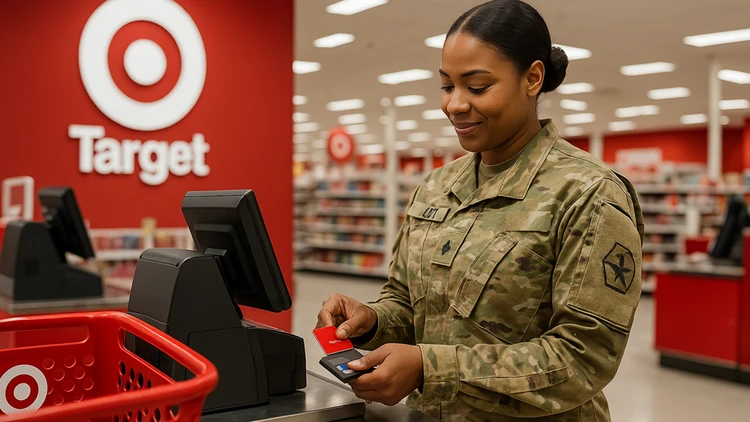
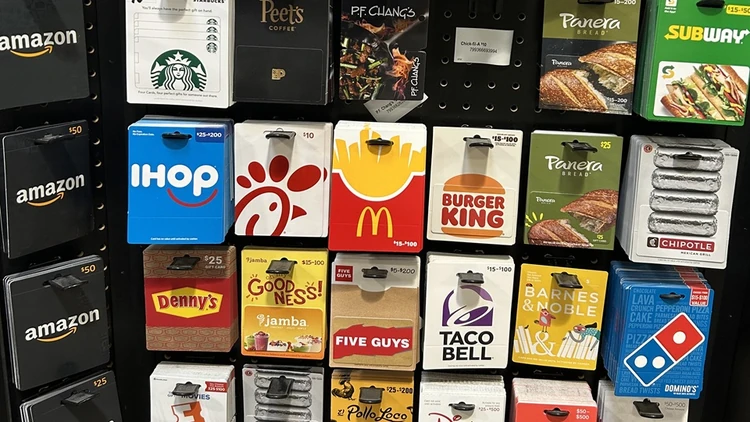
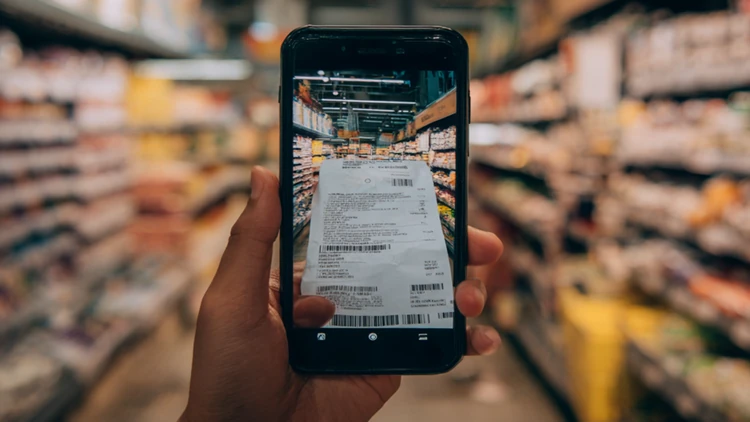
  • Fetch app: Earn points by snapping pictures of receipts from any store. Turn those points into free gift cards for Amazon, Target, Walmart and dozens more.

  • Consider the Fetch American Express card to accelerate points (10 points for every $1 spent on groceries/retail and 5 points for every $1 spent elsewhere).

Woroch emphasized that you can easily “end up with plenty of points towards free gift cards to supplement your holiday shopping.”

Your buy-now vs. wait-later playbook

Here’s Woroch’s quick guide on what to buy and what to skip this Black Friday.

Buy on/around Black Friday:

  • Small kitchen appliances, personal tech, smart-home devices.
  • Gaming consoles and bundles (but only if you need all items in the bundle).
  • Select toys, beauty, and fashion (watch for retailer-wide events, even at brands that rarely discount—“If a site-wide drops at Lululemon appears, that’s notable,” says Woroch).

The stuff that’s often a better deal later:

  • Toys, winter apparel, holiday decor: markdowns deepen closer to Christmas.
  • Holiday decor, coats, boots: best to buy during post-Christmas clearance sales.
  • Bedding & linens: shop January white sales instead.
  • Big-screen TVs: late January (Super Bowl run-up) can rival or beat November, if you can wait and your model isn’t time-sensitive.

Pro tip: Some doorbuster models are built specifically for the event and may skip features to hit a low price, Woroch warns. She recommends making sure you match model numbers, read specs and reviews, and never assume it’s the same unit that’s sold year-round.

Add non-gift deals to your radar

Black Friday isn’t just about cheap TV’s and coffee makers. Woroch gave the great tip of also looking for savings from local businesses and service providers.

In particular, she said to look for Black Friday deals on things like “fitness class packs, dental services, spa services and more.”

She even scored a Hulu subscription for $1 per month on Black Friday. It’s time to think outside the box and save this year.

Article Image

Walmart’s app just grew up for the holidays and it’s a money-saver

  • See real deals fast: Open the Walmart app in-store, hit In-Store Savings, and filter by clearance/rollback to spot actual discounts (not just endcap hype).
  • Shop in a straight line: Build your list at home and sort by aisle when you arrive so you’re in and out without criss-crossing the store.
  • Let AI do the budgeting: Ask Sparky for a party or grocery list “under $___” and tell it to show Rollbacks first—it will swap in cheaper, in-stock items for you.

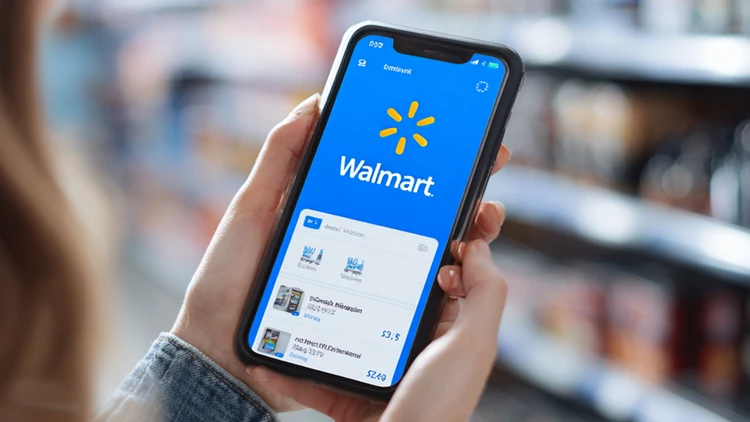
Walmart rolled out a slate of new app features aimed at making in-store shopping feel as guided as buying online. Some of the more interesting updates include live In-Store Savings, enhanced search with aisle navigation, wish lists that sort by aisle, and helpful AI tools like Sparky.

For shoppers, it means fewer laps around the store looking for what you need and faster access to the “real deals” (including Black Friday).

What’s new inside the store

  • In-Store Savings (one-tap local deals): Open the app in your local Walmart and tap the savings view to see Black Friday promos, Rollbacks, and clearance items listed all in one place. You can then filter by category (e.g., TVs) and compare prices on a single screen. This solves the question of wondering what’s actually on sale, not just what Walmart wants you to think is a deal.
  • Enhanced search + aisle location: You can now use the app to search like you would online and see real-time stock levels plus the exact aisle so you can walk straight to it. No more hunting for an associate to ask what endcap they’re hiding their clearance items on.
  • Wish lists that sort by aisle: You can now build a gift list at home, then when you walk in, the app reorders your list by aisle so your trip follows a clean route around the store. Very handy feature for “one-and-done” holiday runs that will get you in and out quickly.

New AI helpers

  • Sparky, the AI assistant (now with party planning): Within the app, tell Sparky something like “Holiday open house for 10 under $100,” and it will generate a curated list of snacks, drinks, and paper goods based on your store’s inventory and deals. It will also summarize product reviews so you spot customer complaints right away.
  • AI audio summaries: Walmart has started with the beauty category first to test out this feature. For 1,000+ premium beauty items, the app can read a short audio summary that distills product descriptions and reviews. Look for this to expand to other categories soon.
  • AI-powered 3D décor shopping: Walmart’s “Deck the Halls in 3D” turns product photos into 3D scenes you can browse and shop. You can actually “Shop the Background” and add items like artwork and décor items directly to your cart. You can even shop a “Dynamic Showroom” and swap out furniture and different styles to find the exact look you want.

How to actually use the app in real life (2-minute setup)

Update the Walmart app and allow location so it detects your store when you walk in. Then when you enter the store, the app will automatically load your In-Store Savings.

Build a wish list at home before you shop then when you get to the store, just open your list and tap Sort by aisle to turn your trip into a “smart route” so you’re not criss-crossing the store unnecessarily.

Sparky can definitely help you save money. Get used to the feature by asking Sparky for a budget plan like, “Game-day snacks for 8 under $40, please show Rollbacks and clearance items first,” or “Holiday party for 12 under $100.”

I’ve found that by filtering your app searches by “clearance/rollback” first, then by unit price, it’s the best way to cut through the holiday noise and spot the real deals before you get tempted by the full-price stuff.

Use the app to plan a holiday party on a budget. Try giving Sparky a hard cap number like “under $60” and permission to swap out-of-stocks. By doing so, I’ve found that it will backfill with similar items that are often cheaper.

Article Image

Lululemon is introducing NFL-team gear: what fans should expect

  • First-ever NFL x Lululemon line landed Oct. 28th; buy at NFLShop, Fanatics, and select team stores (Lululemon stores may follow)
  • Core Lulu pieces (Align, Define, Scuba, Steady State, tees, joggers, hoodies, bags) with team logos—same fabrics/fit, premium price
  • Hot teams/sizes may sell out—set restock alerts; check returns per retailer and follow care instructions for logo prints

Lululemon is teaming up with the NFL on a new line of officially licensed apparel that features all 32 team logos. It’s the first time the brand has offered NFL-branded products, and the collection officially rolled out on October 28th.

What’s in the collection

Lululemon says the launch spans men’s and women’s apparel and accessories with team logos. Core pieces from the lineup include Steady State men’s styles and women’s favorites such as Define, Scuba and Align. Expect the same fabrics and fits Lululemon is known for, with team branding layered in.

For those of us who aren’t familiar with Lululemon “favorites”, the lineup includes hoodies, sweatshirts, half-zip hoodie (women), jackets, joggers, sweats, tees, and accessories (Everywhere Belt Bag).

Where you’ll be able to buy it

Products will be sold through the following three channels:

  • NFLShop.com
  • Select team retail locations
  • Fanatics, online and in-store

Lululemon is expected to carry NFL items in their actual stores as the partnership ramps up. But initially, you’ll have to purchase from the NFLShop, Fanatics, or individual team retail locations.

Why is Lululemon doing this

The company has been pushing deeper into performance and mainstream sports beyond its yoga roots. Over the past year it’s inked a team-branded deal with the NHL and added high-profile athlete ambassadors across golf, tennis, football and hockey, plus F1 champion Lewis Hamilton. Bringing in NFL logos is another step toward courting fans who want premium, everyday wear that also shows team loyalty.

What it means for consumers

Fit and feel first, logos second. If you like how Align, Define or Steady State pieces wear, you’ll recognize the same fabrics and cuts.

Premium price point. Expect NFL versions to come in at the standard Lululemon pricing. Licensed logos typically add cost, and early demand may limit promotions.

Gifting potential. The timing lines up perfectly with holiday shopping as the NFL season reaches its second half.

Availability could vary by team and size. If your favorite team is a large-market franchise like the Cowboys, Bears, Pats, or Giants, you may find availability and sizing to be challenging at first. If something you want is out of stock, I recommend signing up for restock alerts and check team stores and Fanatics listings.

A note on returns and care

Before you buy, be sure to check the return window as policies can differ across retailers, especially with licensed merchandise.

Also, confirm care instructions as heat-pressed or specialty prints sometimes have specific wash guidelines to preserve the NFL logos.

The bigger trend

Pro sports and premium athleisure brands are blending everyday wear with fan identity. For consumers, that means more choices beyond jerseys and hoodies. Think leggings, joggers, and tops that you’d wear to the gym, or on errands, that also rep your team.

Article Image

Warehouse math: what to buy at Costco/Sam’s vs. the grocery store

  • Do the math: unit price − waste + storage/time; keep your target unit prices on your phone for quick retrieval

  • Bulk wins: paper goods, trash bags, laundry/dish tabs, AA/AAA, cheese/meat if you freeze, coffee you’ll finish in 6–8 weeks

  • Buy small on promos: condiments, cereal, pasta/sauce, spices, snack packs, short-fuse produce, bread (unless you freeze), brand-name drinks; follow finish windows (berries 2–4d, deli 3–5d, oils 4–6mo)


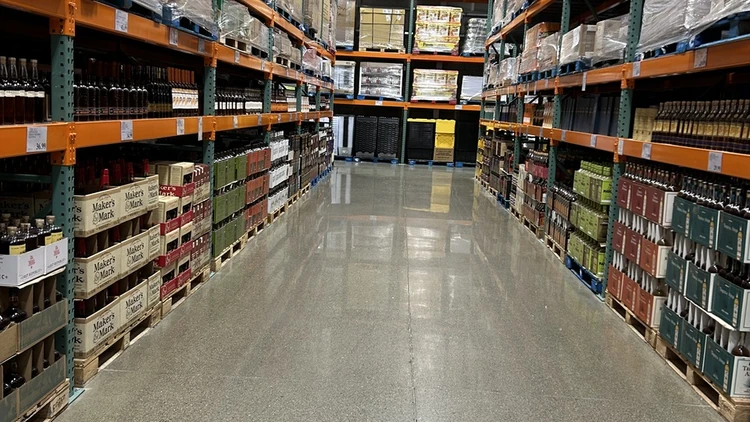
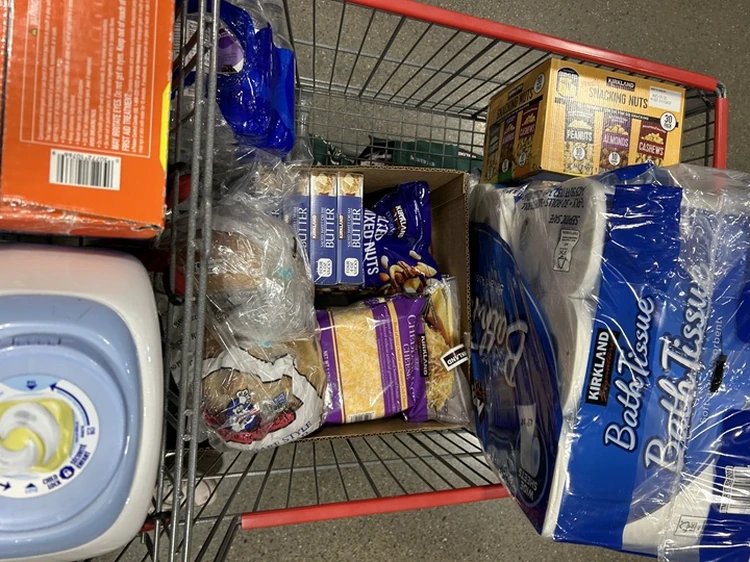
If you’ve ever tossed a 16-count package of guacamole in your cart and thought, “This is definitely cheaper… right?”, this one’s for you. Warehouse math isn’t just about unit price, you need to factor in unit price minus waste, plus storage space, plus time, minus any coupons or loss-leaders you’d grab at a regular grocery store. Do the math wrong and your “deal” turns into a science experiment in the back of the fridge.

Here’s a no-nonsense playbook: 8 items where bulk wins at Costco/Sam’s, and 8 items that are usually better as non-bulk buys with grocery coupons or weekly ads.

First, the quick “warehouse math” rules

Be sure to start with the unit price (price ÷ ounces/sheets/loads) and use that as your baseline. Then adjust for your reality. Meaning what you’ll use before it spoils, the storage it takes up, and the time you save by making fewer trips.

And always keep in mind that coupons and loss-leaders (pasta, cereal, condiments) can often beat warehouse pricing when buying smaller packs.

Pro tip: write down the target unit price on your phone for the top 20 products you always buy. Then when you see it below the target, you buy it, regardless of the store.

8 bulk buys that usually win at Costco/Sam’s

1. Toilet paper & paper towels

A giant pack equals a lower cost per 100 sheets/square feet, and zero spoilage. Which means as long as you keep it dry, you’ll use it and save money.

Math cue: Compare cost per 100 sheets (TP) or per sq ft (towels). Warehouse pricing almost always beats grocery store “sale” pricing over a month.

2. Trash bags

With the Kirkland and Member’s Mark brand you’re getting the same (or better) brand-level quality for less per bag, thicker plastic that’s less likely to poke/tear, and enough on hand that you’re not doing the “last bag” panic.

Math cue: Compare cost per bag on the size you actually use (13-gal kitchen or 30–33-gal outdoor). Example: 200-ct box for $22 = $0.11/bag; grocery 45-ct for $8 = $0.18/bag which equates to about 40% more

3. Laundry detergent (pods or big jugs)

Club sizes bring Kirkland/Member’s Mark down to rock-bottom ¢/load, so one purchase covers months without emergency restocks at a very competitive price.

Watch-out: Don’t buy a scented variety that you’re unsure of in a 2-gallon drum. Try a small bottle first before you go all in.

4. Dishwasher detergent tab

Cost per tab plunges at the warehouse. Plus, dishwasher tabs store forever and won’t spill.

Math cue: Price ÷ tab count. Easy win.

5. Batteries (AA/AAA)

Crazy high unit savings, especially when you buy Kirkland or Member’s Mark, plus they still have a long shelf life. The Costco CEO even revealed that Duracell makes Kirkland batteries so you know the quality is good.

Pro tip: Store a sleeve in a Ziploc bag in a cool spot to keep them fresh.

6. Cheese blocks & shredded (if you freeze)

Cheese from Costco and Sam's wins on unit price, and most firm/semi-hard cheeses (cheddar, low-moisture Mozzarella, Jack, Colby, provolone, Parm) freeze well so waste won’t be an issue. I recommend portioning or pre-shredding before freezing and use straight from frozen for hot dishes.

Math cue: Buy a 2-lb block, shred half, freeze in flat bags. No waste = true savings.

7. Meat in value packs (when you portion + freeze)

Warehouse meats often win on price per pound, and you get to control the cuts and serving sizes. I’m a huge fan of splitting big packs into meal-size portions, press flat, label, and freeze.

Pro tip: Skip the “enhanced” chicken (you’re paying for brine), factor in trim/bones for true $/lb, and thaw in the fridge or cold water for easy weeknight meals.

8. Coffee beans/grounds

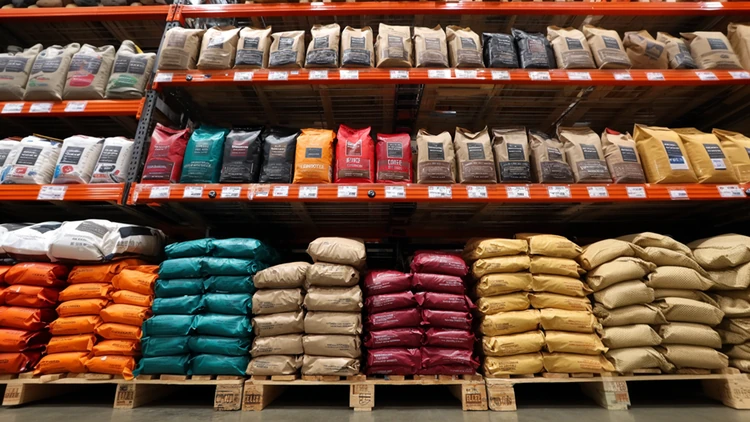
Coffee from warehouse clubs typically wins on cents-per-ounce, with solid house and national brands. Buy what you’ll drink in 6–8 weeks (or portion and freeze).

Watch-out: I recommend buying whole bean and grind as you go as pre-ground stales quickly once the bag has been open.

8 things to skip at the warehouse (buy smaller with coupons/weekly sales)

1. Condiments (ketchup, mayo, mustard) you use slowly

Why grocery wins: You’ll find frequent BOGO/coupons at most supermarkets that undercuts the warehouse club price. Not to mention that the jumbo tub may expire before you finish it.

Rule: If it takes you 6+ months to finish, buy smaller.

2. Cold cereal

Grocery stores beat the warehouse on most cold cereal because they run constant promos like digital coupons, BOGOs, and “mix & match” deals. These drive the unit price way down on, especially on family-sized boxes.

Math cue: Warehouse is fine for in-house brands, but flashy name brands often go cheaper at Kroger, Publix, Winco, and Grocery Outlet on promo.

3. Pasta & pasta sauce

Grocery stores treat pasta and mainstream sauces as classic loss leaders, so weekly promos and digital coupons often push unit prices well below what you’ll see at Costco or Sam’s Club.

Strategy: Stack a store sale with a manufacturer coupon and beat warehouse per-unit easily.

4. Spices you use once a month

Big jars of spices lose potency before you’re halfway through.

Buy: Smaller bottles on sale, or hit the ethnic aisle/bulk bins for even more savings.

5. Snack variety packs for picky families

At warehouse clubs, you end up paying for a bigger assortment of snacks like chips or cookies, then half of the flavors end up not getting eaten.

Buy: Focus on the smaller sale boxes of the specific flavor your kids will actually eat.

6. Fresh produce with a short shelf-life

Things like berries and spring mix lettuce spoil quickly, so if you buy the larger Costco size they often spoil before you can finish them.

Rule: If you can’t eat it in 3–4 days, buy the grocery-size on sale and restock more often.

7. Bread and buns (unless you freeze)

Mold happens. Grocery stores run weekly deals and bakery markdowns that often make more sense unless you have the freezer space.

Do this: If you do end up buying bread in bulk, keep a few days’ worth, then freeze the rest in a zip bag with the air pressed out. Then periodically take out what you need and the rest will last for 2-3 months in the freezer.

8. Soda, sparkling water, and brand-name beverages

Grocery chains treat beverages like a weekly foot-traffic magnet.

Math cue: Watch for “4 for $12” or “Buy 2, get 2” style promos that easily beat warehouse per-can prices.

How to make the math brain-dead simple

I’m a big fan of setting “finish windows” which is how long it usually takes my family to finish a product.

Quick freshness rules (buy only what you’ll finish in this window):

  • Milk: 5–7 days after opening. Yogurt: 1–2 weeks. Deli meat: 3–5 days.
  • Produce: berries 2–4 days, leafy greens 3–5 days, hardy vegetables (carrots/onions) 1–2 weeks.
  • Cheese: soft cheese 1 week after opening; shredded 1–2 weeks; hard/block 3–4 weeks.
  • Pantry staples: about 60–90 days once opened. Oils: 4–6 months (with cool, dark storage).

If you won’t finish it in that time window, and freezing is not an option, don’t buy it in bulk.