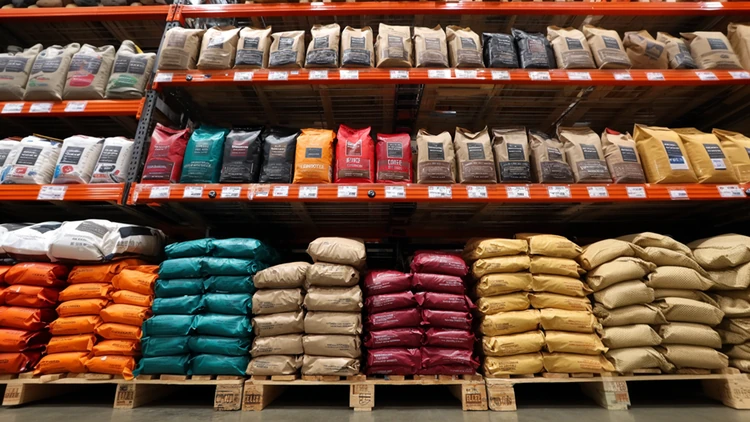

Grocery-store ground roast coffee averaged $9.14/lb in September, up from $6.47/lb a year earlier — a 41% jump that’s showing up on receipts fast
Weather-driven supply hits + a surge in wholesale arabica prices pushed costs up, and tariffs added fuel at the worst time. Even with tariff rollbacks, shelf prices usually lag
Do quick cost-per-cup math (home brew is still far cheaper), buy extra during sales and freeze a bag, and watch the unit price for shrinkflation
If your normal bag of ground coffee is starting to feel like more of a splurge item, you’re not imagining things. Federal pricing data shows supermarket coffee is up sharply. As of September, a pound of ground roast coffee averaged about $9.14, up from $6.47 a year earlier. That’s a whopping 41% jump in just 12 months.
What’s behind the coffee spike
Weather problems tightened supply
Coffee is considered a picky crop, and production disruptions like bad weather in the major growing regions, can affect supply quickly. When harvests come up short, roasters and importers scramble, and so costs naturally climb.
Wholesale coffee prices surged
In early 2025, arabica coffee futures pushed above $4.30 per pound at one point, with traders pointing to limited availability and even some “panic” in the market.
Think of futures prices as a benchmark for what many buyers pay for their beans. So, when you see a big jump like we saw earlier this year, it tends to show up down the road at grocery stores and coffee chains.
Tariffs added cost at the worst time
In April 2025, the U.S. imposed a 10% base tariff on many imports and layered on additional duties that varied by country. These included goods the U.S. doesn’t really produce domestically, like coffee.
In mid-November, the White House rolled back tariffs on more than 200 food products, including coffee, with the changes taking effect retroactively.
The National Coffee Association said removing reciprocal tariffs should ease cost pressures for coffee drinkers and the businesses that depend on imports.
Then, on Nov. 21, Reuters reported the administration removed a remaining 40% tariff on many Brazilian agricultural imports, including green coffee beans. This was a big deal because Brazil supplies about a third of U.S. coffee beans.
Why prices may not drop overnight
Even if the tariff line item disappears, retail prices usually lag behind for a while. This is because roasters buy beans months ahead, retailers adjust prices in cycles, and brands rarely cut shelf prices the moment their costs ease.
Coffee shops have nudged prices up, too. Toast’s menu data shows the median price of a regular coffee on restaurant menus was $3.57 in October 2025, up 3.2% from a year earlier.
The coffee price playbook for shoppers
Here are five money moves that will help you save on your next cup:
1. Do the cost-per-cup math (it’s sobering)
A pound of coffee can make roughly 22 standard 12-ounce cups at home if you’re using about 20g per cup.
At $9.14 per pound, that’s about 42 cents per cup before milk and sugar versus about $3.50 for a basic café coffee. I know it’s boring and you've probably heard it a hundred times, but brew your own cup of joe at home and save big.
2. Buy on deal, then “bank” the savings
When your coffee go-to brand hits a real sale, grab two bags and freeze one. Sealed coffee holds up well in the freezer, and buying at the low point beats paying whatever the shelf tag says next week.
3. Use store brands strategically
If your go-to brand jumped 30% to 50%, a private-label or club-store option can bring your cost per cup back to earth. Test one bag before you commit, then buy larger sizes when you find a winner.
4. Stop paying the add-on tax at coffee shops
If you’re buying out of habit, keep the ritual but downgrade the order: drip instead of latte, fewer pumps, skip the foam. Most of the “coffee inflation” you feel at cafés comes from extras.
5. Watch for shrinkflation
Coffee brands love to keep the sticker price steady and quietly reduce the ounces. Always compare the unit price (per ounce or per pound) on the shelf tag, not the number printed on the bag.