
- A new survey found that 58% of adults impacted by a serious injury have delayed or skipped medical care because the cost felt out of reach.
Many families are cutting back on essentials like groceries, falling behind on rent or mortgage payments, and postponing long-term goals just to keep up with medical bills.
Financial assistance programs, payment plans, and billing reviews can help ease the burden, and experts say skipping care isn’t a personal failure but a systemic problem.
For many Americans, the decision to see a doctor isn’t just about health anymore — it’s about money.
With inflation squeezing household budgets and job stability still shaky for many, more people are asking themselves a difficult question: Is medical care really worth the cost?
According to a new study from Leslie Law Firm, that question is leading a majority of Americans to take a risky step — skipping medical care altogether. The survey, which polled 1,000 U.S. adults whose households were impacted by a serious injury, found that 58% have delayed or avoided care because it felt financially out of reach. And for families already dealing with lost income, mounting bills, or long-term recovery, those choices can quickly snowball into lasting financial strain.
ConsumerAffairs spoke with Suzanne Leslie, owner of Leslie Law Firm, to learn how injury-related medical debt is forcing families to cut back on essentials, turn to unconventional sources for health advice, and make tradeoffs that can affect both their finances and their well-being for years to come.
Financial barriers
According to Leslie, cost remains the top barrier to consumers seeking out medical care across the country.
“The biggest barrier is the sheer cost of accessing care, even if you’re insured,” she explained. “When 58% are skipping treatment because of financial concerns, it’s about a lot more than just medical bills.
“There’s a lot to unpack: lost wages, high deductibles, and the fear that one injury could be the catalyst to wreck your entire budget for months to come.”
Financial instability
When medical bills start piling up, it can be common for those financial concerns to start bleeding into other areas of consumers’ lives.
“Medical debt often forces people into impossible trade-offs, and the ripple effects are severe,” Leslie said.
“In our findings, 57% cut back on groceries, 25% fell behind on rent or mortgage payments, and 37% reduced their retirement savings. These setbacks don’t just strain the short term — they push long-term financial goals further out of reach and leave households more exposed to future emergencies.”
However, there is hope for consumers. Leslie explained that some hospitals and medical providers offer emergency financial assistance or short-term medical coverage for those facing hardship after an accident or injury.
“These programs are often overlooked simply because people don’t know to ask, but checking for available aid can help prevent medical bills from derailing the rest of their financial lives,” she said.
Double check your medical bills
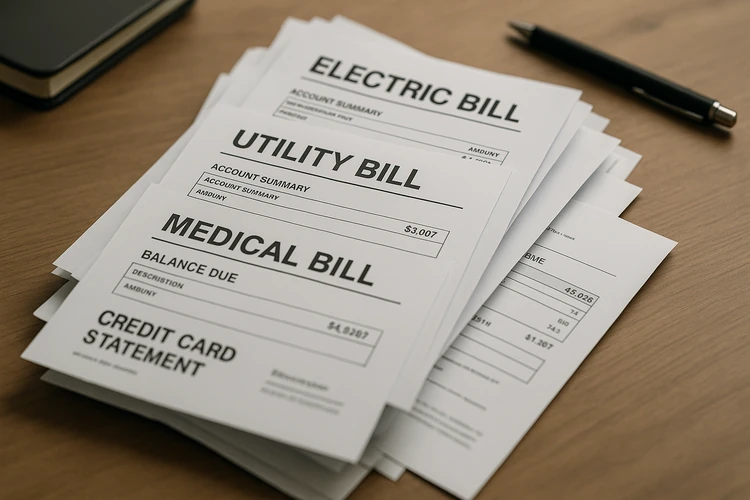
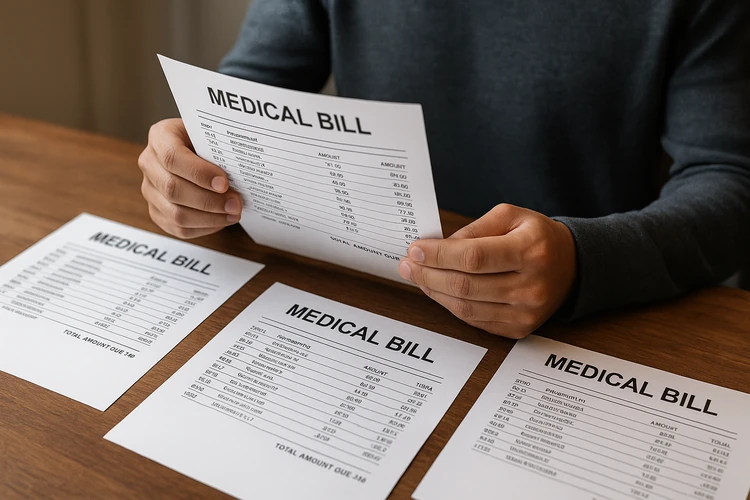
An important piece of advice for those struggling with medical debt: double check all of your medical bills. Leslie explained that errors on your bills are more common than most people realize, unfortunately.
“Then, talk to the provider about setting up a payment plan or applying for financial aid,” she said. “When more than half of those in debt are grabbing a credit card(s) to cover their expenses, it’s rough. So if you’re looking into balance transfers or nonprofit credit counseling, it could help reduce interest and make payments more manageable over time.”
Not a personal failure
If you’re in the situation of choosing between essential medical treatment and basic needs like groceries, Leslie hopes that consumers should know that they’re not alone. This situation is far more common than most people even realize.
“Our research shows this is a widespread issue, and definitely not a personal failure,” Leslie said. “I’d suggest looking into whether there are community health clinics or nonprofit providers in your area that offer sliding scale pricing.
“It’s also important to be brave and not be scared or too proud to ask for a helping hand. Many people avoid treatment because they assume they can’t afford it, but there are certainly payment options that offer more flexibility than you’d expect. You won’t know unless you ask.”