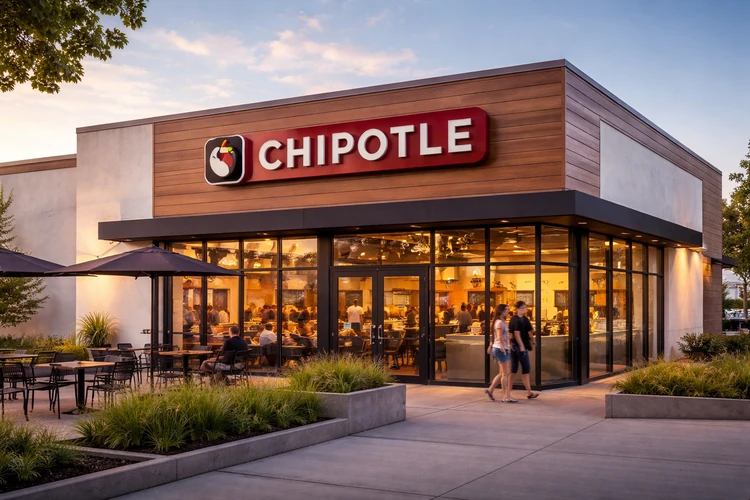
Chipotle is testing a new high-protein meat cup designed for snacking, fitness-focused consumers, and fans who want extra protein without ordering a full meal.
The product reflects growing demand for convenient, portable protein amid booming interest in high-protein diets and active lifestyles.
If successful, the meat cup could signal a broader shift in how fast-casual chains compete with grocery and convenience-store snacks.
Protein is one of the food trends that began to get traction in 2025 and Chipotle Mexican Grill hopes to ride it into 2026. The restaurant chain is stepping outside the burrito bowl with a new offering aimed squarely at protein-hungry consumers: a high-protein meat cup that can be eaten on its own or added to an existing meal.
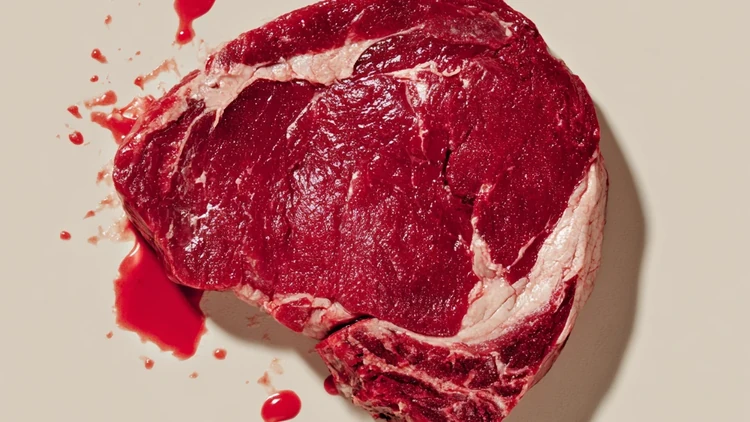
The new item, currently being introduced in select markets, features a single serving of Chipotle’s signature meats — such as grilled chicken, steak, or barbacoa — packaged in a small cup. The company said the product is designed to provide a simple, protein-forward option for customers who want something lighter than a full entrée or an easy way to boost protein intake.
Driven by fitness trends
Consumer interest in protein-rich foods has surged in recent years, driven by fitness trends, weight-management goals, and a growing number of shoppers following low-carb or high-protein diets. From protein bars and shakes to meat snacks and egg bites, the category has become one of the fastest-growing segments in food retail.
Chipotle’s move brings that trend into the fast-casual restaurant space. Unlike traditional sides such as chips or rice, the meat cup puts protein front and center — with no tortillas, beans, or fillers. For some consumers, that could make it appealing as a mid-afternoon snack, a post-workout bite, or a customizable add-on to salads and bowls.
From a nutritional standpoint, a single serving of Chipotle’s meats can contain roughly 20 grams or more of protein, depending on the option. That places the meat cup in direct competition with packaged protein snacks found in grocery and convenience stores — many of which come with higher sodium, preservatives, or unfamiliar ingredients.
“For years, guests have used Chipotle’s customizable offerings to build high protein and fiber-filled meals on their own,” Chris Brandt, Chipotle’s president and chief brand officer, said in a release.
Ingredient transparency
Chipotle has long marketed itself as a brand focused on ingredient transparency, and the meat cup allows the company to extend that message into snacking territory. For loyal customers, it may feel like a more “real food” alternative to jerky sticks or processed bars.
The new product also has operational advantages. Because it uses ingredients already prepared in-store, it doesn’t require major changes to kitchen workflows. That makes it easier to test quickly and scale if demand proves strong.
Still, consumer response will likely hinge on pricing and portion size. Shoppers accustomed to value menus may balk if the meat cup feels expensive for what is essentially a side of protein. Chipotle has not yet announced nationwide pricing or a timeline for a broader rollout.