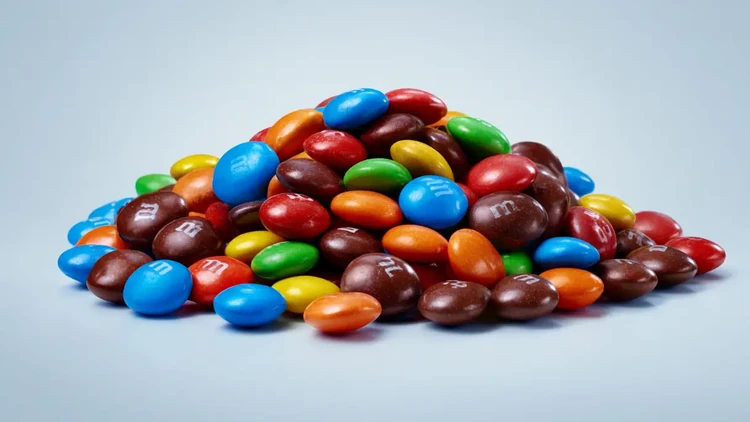

Food giants like Kraft Heinz and PepsiCo pledge to eliminate synthetic dyes by 2027 under Health Secretary RFK Jr.’s voluntary campaign.
But the candy industry, led by M&M’s maker Mars, resists, citing costs, taste challenges, and lack of natural alternatives.
States like Texas and West Virginia plan independent bans and warnings, potentially forcing nationwide change.
Less than three months after declaring war on synthetic food dyes, Health Secretary Robert F. Kennedy Jr. has scored significant wins in reshaping America’s food landscape. Major manufacturers—including Kraft Heinz, General Mills, Nestlé, ConAgra, and PepsiCo—have agreed to remove petroleum-based dyes from popular items like Jell-O snacks, Kool-Aid drinks, and Lucky Charms cereals by the end of 2027.
The pledges come amid growing concern over links between synthetic dyes and behavioral issues in children, highlighted by studies like California’s 2021 review concluding that artificial dyes can trigger neurobehavioral problems in some kids.
Yet a vibrant and powerful opponent remains: the candy industry.
M&M’s resist change
Despite Kennedy’s momentum, candy companies are digging in. Mars, the privately held maker of M&M’s and Skittles, insists its products are safe and says sweeping changes would be costly and technically difficult. Mars previously attempted to drop artificial colors in 2016 but reversed course after finding American consumers still craved brightly colored candies—even as European customers shifted toward natural hues.
Some candy makers say that the dyes not only add color, but also taste. Without them, candy can end up tasting like raw vegetables or worse, they say. The National Confectioners Association has signaled that candy companies won’t reformulate without federal mandates.
🥤 The Food Dye Battle
RFK Jr.'s Campaign Against Synthetic Dyes Splits the Food Industry
📅 Timeline of Change
2021: California Study: Research concludes artificial dyes can trigger neurobehavioral problems in children
2025: RFK Jr. Campaign: Health Secretary launches voluntary campaign against synthetic food dyes
2027: Industry Deadline: Major food companies pledge to eliminate synthetic dyes by end of 2027
✅ Industry Allies
🧀 Kraft Heinz
🥤 PepsiCo
🥣 General Mills
🍫 Nestlé
🍽️ ConAgra
"Removing dyes from Jell-O, Kool-Aid, Lucky Charms by 2027"
❌ The Resistance
🍬 Mars (M&M's, Skittles)
🍭 Other Candy Companies
🏭 National Confectioners Association
"Citing costs, taste challenges, and lack of natural alternatives"
📊 Key Facts
2016: Mars tried removing dyes but reversed course after consumer pushback
3 Months since RFK Jr. declared war on synthetic dyes
5+Major food companies already committed to change
🏛️ State-Level Pressure
🤠 Texas
Warning labels on foods with dyes starting 2027
⛰️ West Virginia
Planning broader bans starting 2028
🎯 The Bottom Line
Consumer advocates predict that state-by-state pressure will eventually force even resistant candy makers to reformulate their products, potentially creating a nationwide shift away from synthetic dyes regardless of federal action.
State laws may force the issue
Kennedy’s voluntary approach has critics, but it’s producing progress where federal regulation might stall. The FDA is moving to revoke certain dye approvals and has cleared new natural colors for use, avoiding lengthy court battles but that's a slow process prone to court intervention.
Meanwhile, states are stepping in. Texas will require warning labels on foods containing dyes starting in 2027, and West Virginia plans broader bans in 2028. Consumer advocates predict that industry holdouts, including candy makers, will eventually bend under state-by-state pressure.