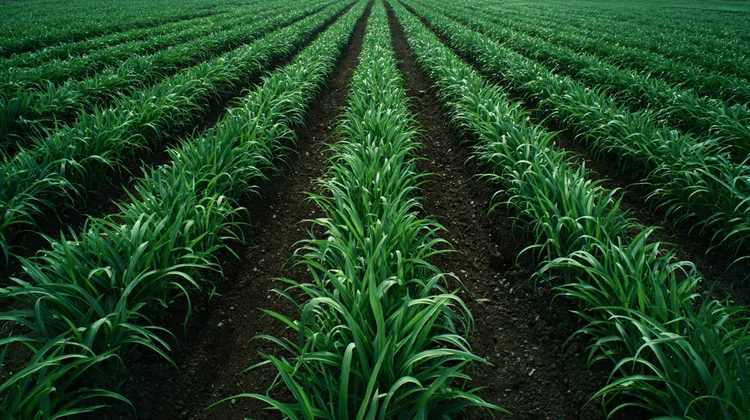
Crop breeding for higher yields may be unintentionally reducing the beneficial microorganisms that help plants absorb nutrients
Modern corn, wheat, and beans have dramatically different root systems and soil bacteria compared to their wild ancestors
These changes could affect the nutritional content and natural disease resistance of the foods you eat
A groundbreaking study published this month reveals that decades of crop breeding designed to boost food production may have had an unintended consequence: altering the very foundation of how plants absorb nutrients from soil.
This research from the University of Bonn shows that modern farming practices have fundamentally changed the microscopic communities living around plant roots - and that could affect everything from the nutritional value of your vegetables to their natural ability to resist disease.
What researchers discovered about your food
The study, published in Frontiers of Agricultural Science and Engineering, examined how thousands of years of crop domestication have reshaped plant root systems and their associated soil microorganisms.
Here's what they found happening to common foods:
Corn: Modern varieties have fewer root hairs and different soil bacteria compared to ancient corn varieties. The beneficial fungi that help plants absorb nutrients decreased during early domestication but are now being restored in some hybrid varieties.
Wheat: As wheat evolved from wild grasses to modern varieties, the chemical compounds in plant roots changed dramatically, affecting which microorganisms can thrive in the surrounding soil.
Beans: The transition from wild beans to modern varieties shows a clear pattern of declining beneficial bacteria families in the root zone.
What this means for your health
These microscopic changes aren't just academic curiosities - they have real implications for the food on your plate.
The soil microorganisms around plant roots play crucial roles in helping plants absorb essential nutrients like phosphorus, nitrogen, and various minerals that eventually end up in your food.
When these microbial communities change, it can affect the nutritional density of crops and their natural ability to fight off diseases without chemical interventions.
How to protect your family's nutrition
Choose heirloom and heritage varieties when possible - these older plant varieties often maintain more diverse root microbiomes
Shop at farmers markets and ask growers about their soil health practices and whether they use cover crops or compost
Look for organic certification, as organic farming practices typically support more diverse soil microbial communities
Consider growing your own vegetables using compost and avoiding synthetic fertilizers that can disrupt soil biology
Support regenerative agriculture by seeking out products from farms that focus on soil health restoration
The bigger picture for food security
This research highlights a critical blind spot in modern agriculture: the focus on yield improvements may have overlooked the complex underground ecosystem that supports plant health.
While crop breeding has successfully fed billions of people, understanding these microbial relationships could be key to developing more nutritious and resilient food systems for the future.
The bottom line: While modern agriculture has made food more abundant and affordable, this research suggests we may have traded some nutritional quality and natural disease resistance for higher yields. By making informed choices about where and how your food is grown, you can help support farming practices that maintain the beneficial soil organisms your food - and your health - depend on.