
Key insights
“Cost per watt” helps you compare the value of solar energy systems of different sizes. The average cost per watt is $2.25.
Jump to insightThe federal solar tax credit expired at the end of 2025, but you might still be eligible for other solar incentives.
Jump to insightOn average, homeowners with solar panels avoid $52,762 in utility costs over 25 years.
Jump to insightHow much do solar panels cost in Texas?
A typical residential solar panel installation costs $28,755. On the high end, Mandy in Round Rock spent $45,000 on a solar energy system, and Michael in Humble paid $75,000 to go solar.
The size of your solar panel system is a big factor in your overall solar costs. A typical Texas household needs about a 12.78 kW, though your ideal system size depends on how much electricity you use. Depending on your household energy usage, you might need a smaller or larger system.
Solar panel costs by system size in Texas
| 5 kW | 6 kW | 7 kW | 8 kW | 9 kW | 10 kW | |
|---|---|---|---|---|---|---|
| Statewide average | $11,250 | $13,500 | $15,750 | $18,000 | $20,250 | $22,500 |
| Houston | $11,250 | $13,500 | $15,750 | $18,000 | $20,250 | $22,500 |
| Dallas | $11,350 | $13,620 | $15,890 | $18,160 | $20,430 | $22,700 |
| Austin | $11,250 | $13,500 | $15,750 | $18,000 | $20,250 | $22,500 |
| San Antonio | $11,000 | $13,200 | $15,400 | $17,600 | $19,800 | $22,000 |
Note: The table above doesn’t include the cost of a solar storage battery, which sometimes costs as much as the panels ($7,000 to $18,000).
Are solar panels worth it in Texas?
Solar is worth considering in Texas if you want to lower your electricity bills, reduce your reliance on the grid and generate cleaner energy. Producing your own electricity can also make you less vulnerable to rising utility rates.
Homeowners with solar panels typically save $20,000 to $90,000 over 25 years.
Edward Hirs, an energy economics expert at the University of Houston, said solar panels work out for most people, noting that hot climates tend to come with good sunlight, especially in the southern parts of the state. In Texas, solar panels usually pay for themselves within 8.9 years.
Of course, it's not worth it to go solar for every Texan. Some have told us about sales reps making false promises or frustrations with their electricity companies. Still, there’s a generally positive sentiment around solar energy potential in the state. Project Sunroof is a free solar savings estimator powered by Google Earth imagery.
Solar panel installation cost factors in Texas
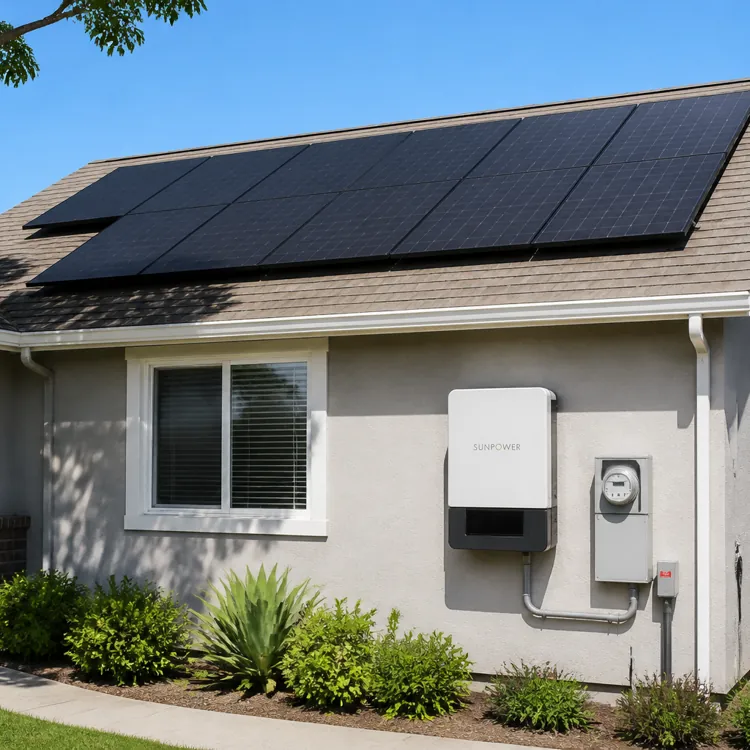
The equipment is typically the largest portion of your overall total costs. In addition to the panels, solar arrays also contain inverters, which cost $1,000 to $3,000. Adding a monitoring system to track energy production costs anywhere from $80 to $400. Labor costs include planning, preparing and connecting your system to the grid. Local permits and fees are a small part of your overall costs.
Solar panels
Solar panel efficiency is a measure of how well a panel makes electricity. The more efficient the solar panels you buy are, the fewer panels you need. While more efficient panels cost a little more, you save by buying fewer panels.
Solar batteries
If you pair your solar setup with battery storage, you also have backup power when the grid goes down. “That kind of peace of mind is something you can’t always put a number on, but you can definitely feel it when a storm hits,” Eric Bramlett, a real estate agent in Austin, told us.
Reliable power backup is a huge benefit, according to Hirs, particularly in areas like Houston with regular or semiregular power outages. With solar panels and an energy storage battery, you can keep your lights on. You don’t have to worry about your food spoiling, having to stay in a hotel until the power comes back — or worse. “It’s your opportunity costs,” Hirs said. “It’s a much higher opportunity cost if you have Uncle Joe on life support equipment.”
Solar batteries typically cost $7,000 to $18,000, though some cost $30,000 or more. Battery costs vary based on capacity, brand, lifespan and other features.
» MORE: Solar energy pros and cons
Size of your system
The cost difference between an 8-kilowatt system and a 10-kilowatt system is thousands of dollars. To estimate what size system you need, first look up how many kilowatt-hours (kWh) you used last year on your electricity bill. Divide that number by 1,200 to estimate your required system size in kilowatts.
An 8-kW or 8.5-kW system is common in Texas, but plenty of households need a 10-kW system or larger. For instance, Jose in Plano has a 16.8-kW system (plus two Tesla Powerwalls), and Abdul in Mesquite has a 17.5-kW system, which should generate about double the average household’s energy needs.
» WATT’S THE DIFFERENCE? kW vs. kWh
Condition of your roof
Quality solar panels should last 25 to 30 years, so you need your roof to last just as long. Otherwise, you’ll have to pay to remove the panels, fix your roof and reinstall them again. If your roof needs replacing soon, it’s best to do that before installing solar panels.
ConsumerAffairs often hears from disgruntled solar customers who felt blindsided by expensive roof repairs needed after their solar panel installation was complete. This is a frustrating and expensive process you should avoid if you can. Get your roof inspected, fixed or replaced before you get a solar energy system.
Solar incentives in Texas
There aren’t many statewide solar incentives in Texas, but local rebates and tax breaks can help lower costs.
Property tax break: Qualifying solar systems generally won’t increase your property taxes.
Local rebates: Utilities including Austin Energy, Oncor, AEP Texas and some cities offer solar or battery incentives.
Net metering/buyback plans: Texas has no statewide net metering policy, so credit rates and rules vary by utility and electricity plan.
Because buyback rates can be much lower than the price you pay for electricity, compare plans carefully before estimating your solar savings.
Tips to save money on solar panels in Texas
Here are some tips to maximize your savings on solar panels in Texas:
Compare quotes: Get solar quotes from at least three or four different solar companies. This lets you compare different proposed equipment, pricing, financing terms and estimated energy production to find the best overall value. Don't just go with the cheapest option without vetting quality and services.
Lower your electrical load: Before going solar, it’s smart to upgrade any old appliances. For example, replacing an old refrigerator with a more eco-friendly one reduces your electric load, which also helps lower your utility bill. If you use less electricity, you need fewer solar panels, making the whole system cheaper.
Explore payment options: Affordable financing makes the upfront costs of solar more manageable. For instance, leases can let you start saving from day one with little or no money down.
How can I pay for solar panels in Texas?
Most homeowners pay to go solar with the help of a lease or loan. Power purchase agreements (PPAs) are similar to leases, but they're currently mostly used by utilities and commercial-scale projects in Texas.
- Loan: A solar loan works like any other type of home improvement loan. There’s an application and approval process, and you pay it back over time (with interest). In an ideal financing scenario, your system generates enough extra power to pay off the loan.
- Lease: Leasing solar panels is a great way to set up a system without the high upfront costs. A potential downside is that you’re not eligible for the same tax incentives.
» SOLAR PANELS: Lease vs. buy?
Compare solar installation companies in Texas
We compared ratings and reviews, equipment options, warranties, availability and other factors to pick the top solar companies in Texas.
| Company | Customer rating | Professional install | Payment options | Year founded | |
|---|---|---|---|---|---|
 ION Solar | Learn More | 1.2 |  | Cash, loan | 2013 |
 Sunlux | Get Started | 4.7 | | Cash, loan, lease, PPA | 2015 |
 Freedom Power Solar | Get Started | 4.1 | | Cash, loan | 2007 |
 Sunrun | Get Started | 4.3 | | Cash, loan, lease, PPA | 2007 |
 ShopSolar | Learn More | 4.3 |  | Cash, loan | 2018 |
FAQ
Can I get free solar panels in Texas?
We’re not aware of a totally free solar option in Texas. In general, beware of deals that sound too good to be true. Solar scams that promise free solar panels often, unfortunately, end up costing people quite a bit of money. However, you can lease with little to no upfront costs.
» FREE SOLAR PANELS: Are they really free?
How much can I save with solar panels?
On average, Texas homeowners with solar panels avoid $52,762 in total utility costs over 25 years.
It’s a common misconception that solar panels always completely eliminate your monthly power bill — this is not always the case. The good news is that people who still have a bill after going solar are paying significantly less than before. One resident, Virginia in Houston, said her bills were $400 or $500, but she hasn’t paid more than $50 per month since going solar. The only thing Lisa in Venus pays is a grid connection fee, which is $26.
» EXPLORE: Where solar savings go the furthest
Do I really need a solar backup battery in Texas?
A solar battery backup gives you an extra layer of insurance against grid vulnerabilities. It has many advantages, particularly in Texas, thanks to the state’s unique energy infrastructure. The downside is that batteries are expensive and not automatically included in your quote. “The only thing I don't like is the battery is so expensive,” Haojun in Houston said. “Back in 2019, the backup battery was cheap. Right now, if I want to install two batteries, it will cost like $30,000 up. That's a lot.”
Is it cheaper if I install solar panels myself?
It’s potentially cheaper to install your solar energy system yourself, but it’s difficult and dangerous if you don’t know what you’re doing, especially for a large residential project.
» DIY SOLAR PANELS: Pros and cons
How does net metering work in Texas?
Texas doesn’t have one statewide net net metering policy. Instead, solar buyback rates and rules depend on your utility or electricity provider.
Some plans credit extra solar power at the same rate you pay for electricity, but many pay less. Rates, fees and rollover rules can also change when your plan renews, so compare the details carefully before estimating your savings.
The Electric Reliability Council of Texas operates the state’s electrical grid — the Texas Interconnection — which supplies power to more than 26 million people (about 90% of the state’s electric load). ERCOT doesn't directly affect net metering policies for solar panel owners, but it does play a part in the larger context of integrating renewable resources like solar into Texas's electric grid.
Will hail damage my solar panels?
Hail can damage solar panels, but you shouldn’t let that deter you from installing them. The cost of fixing any damage that does occur is often covered by homeowners insurance.
What is the difference between monocrystalline and polycrystalline solar panels?
The difference comes down to efficiency and materials: Monocrystalline panels are made from pure, single silicon crystals; various silicon fragments melted together are used to make polycrystalline panels.
In general, monocrystalline panels are considered the best bang for your buck. Cheaper solar panels are typically polycrystalline.
Bottom line
Residential solar panel system costs typically fall between $10,000 and $30,000 or higher, depending on factors like the system's size, local labor rates and available incentives. Texas homeowners with solar panels can typically save more than that in total avoided energy costs over the lifetime of a system.
The ConsumerAffairs Research Team has conducted extensive research to compare the costs of going solar in Texas and other states.
Solar costs vs. savings: Texas and nearby states
| 6-kW system cost (before incentives) | 10-kW system cost (before incentives) | Typical system size needed* | Average cost per watt | Total utility power cost savings** | |
|---|---|---|---|---|---|
| Arkansas | $14,280 | $23,800 | 14.39 kW | $2.38 | $44,741 |
| Colorado | $15,960 | $26,600 | 11.5 kW | $2.66 | $39,344 |
| Louisiana | $14,040 | $23,400 | 12.6 kW | $2.34 | $29,318 |
| New Mexico | $15,420 | $25,700 | 10.98 kW | $2.57 | $43,093 |
| Oklahoma | $15,660 | $26,100 | 14.36 kW | $2.61 | $43,701 |
| Texas | $13,500 | $22,500 | 12.78 kW | $2.25 | $52,762 |
Article sources
ConsumerAffairs writers primarily rely on government data, industry experts and original research from other reputable publications to inform their work. Specific sources for this article include:
DSIRE, "Texas Programs." Accessed Sept. 1, 2026.
EnergySage, "The cost of solar panels in Texas." Accessed Sept. 1, 2026.
Solar Energy Industries Association, "Texas Solar." Accessed Sept. 1, 2026.
SolarReviews, "How much do solar panels cost in Texas?" Accessed Sept. 1, 2026.
Texas Department of Licensing & Regulation, "Solar Panel Consumer Protection." Accessed Sept. 1, 2026.
Public Utility Commission of Texas, "Rules and Laws." Accessed Sept. 1, 2026.