

8 ways to save energy at home
If you’re interested in saving on your energy bills, you’ll need to think about both energy conservation and energy efficiency.
- Energy conservation means taking steps to use less energy, like waiting until there’s a full load before doing laundry or plugging the sink while you hand-wash dishes.
- Energy efficiency refers to the practice of using as little energy as possible, such as installing low-flow toilets or motion-sensor lights.
A good strategy is to jump-start your energy conservation efforts with something easy and build from there. “To save the most energy at home with minimal investment, my top suggestion would be to focus on the small changes that have a big impact,” said Brad Johnsmeyer, co-founder of Ecohome.
Focus on the small changes that have a big impact.”
Below are eight changes that yield big savings.
1. Use energy-efficient lighting
When it comes to artificial light, LEDs are best; they use 75% less energy and last 25 times longer than incandescent lights. A good savings strategy might be replacing your incandescent bulbs with LEDs as they burn out. For outdoor lighting, consider solar lights, which use solar energy to generate light at night.
2. Optimize heating and cooling systems
Regular maintenance on energy-efficient heating and cooling systems is important. Change the filters often and be mindful of where you place your thermostat — TVs, lamps and other warm appliances can interfere with its readings, making your air conditioner run longer than it should.
3. Insulate your home
Keeping your home well insulated can make a huge difference, potentially saving you up to 20% on heating and cooling costs.
Cisco DeVries, CEO of OhmConnect, a company whose mission is “unlocking clean, affordable and reliable energy,” explained attic insulation, air sealing and floor and crawl space insulation keep your house warm in the winter and cool in the summer.
According to DeVries, good insulation costs about $1.59 per square foot and can save you up to 20% on heating and cooling costs and up to 10% on total energy costs.
4. Turn off devices and reduce phantom power
If you struggle to remember to power down electronics, try using smart plugs or power strips that automatically turn off the power supply when items aren’t in use. Also, go ahead and unplug any devices you can.
“Just because you turned the device off doesn’t necessarily mean it stops using electricity,” DeVries explained.
Devices that are plugged in but not in use, like electric toothbrushes, phone chargers and microwaves, use what’s called “phantom power.” DeVries likens the sources of phantom power to “energy vampires” because they drain power even when not in use and can account for up to 20% of your monthly bill.
5. Upgrade to energy-efficient appliances
Chances are that the newer the product, the more energy efficient it is — a modern refrigerator is four times more efficient than one that’s 50 years old, for example. When your old appliances break down, look for Energy Star-rated replacements with a yellow EnergyGuide label. The yellow label tells you how much energy the appliance uses and how much to expect in energy costs.
If money is a concern, rest assured that there are incentives for green-home upgrades. Some agencies, like Efficiency Maine, offer significant loans for energy-efficient home improvements. (Maine ranked No. 3 in our recent greenest states study.)
6. Practice smart water usage
The two biggest sources of water use at home are toilets and showerheads, with toilets accounting for a whopping 25% of all household water use.
Look for products with a WaterSense label to reduce your energy consumption. A product must meet competitive market standards to receive the WaterSense label. For example, replacing an inefficient showerhead with a WaterSense-approved head can reduce your water use by 2,700 gallons a year.
7. Employ natural lighting and ventilation
Using daylight means you don’t have to use power to light your room, but it also lets in heat in the summer and cool air in the winter. There are solutions, though; to make the best use of natural sunlight without letting excess heat into your home, try solar tubes for an energy-efficient natural light source.
8. Install solar panels
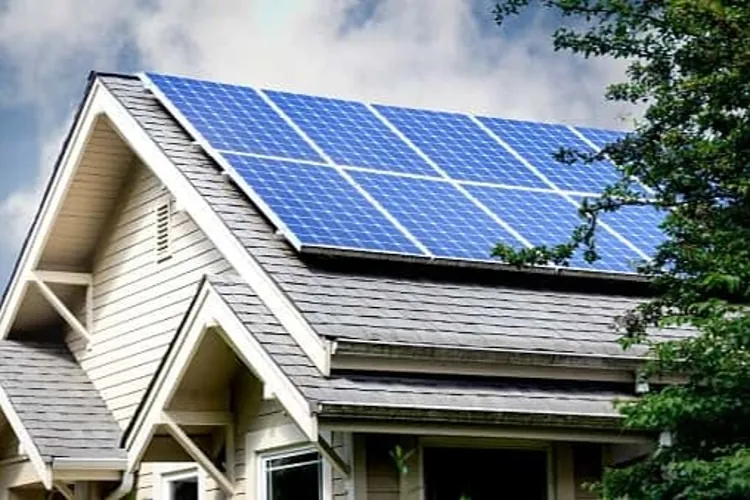
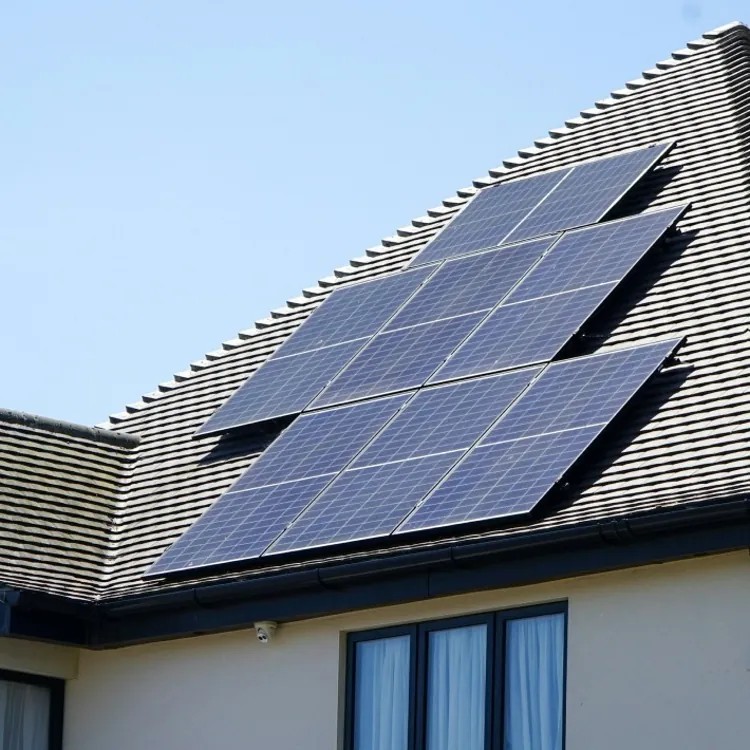
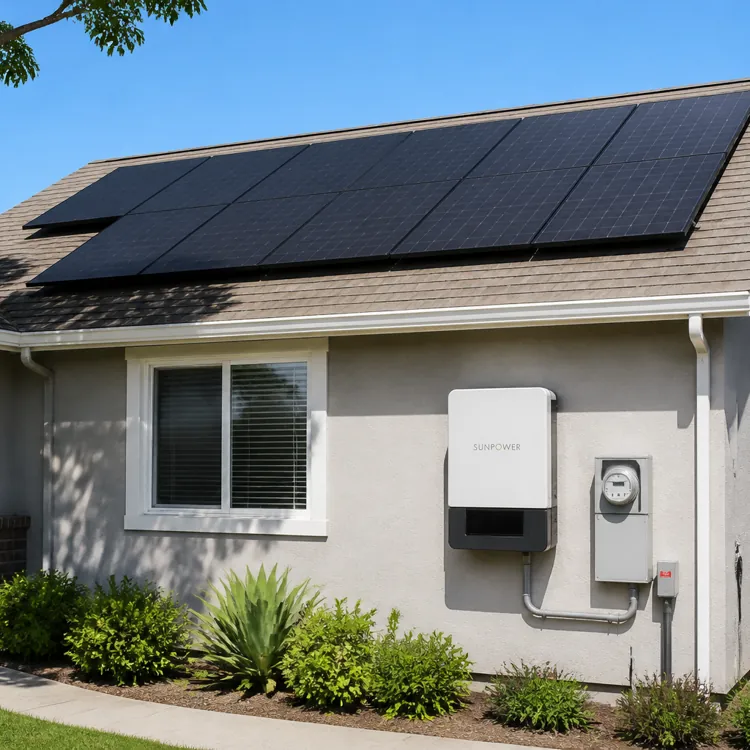
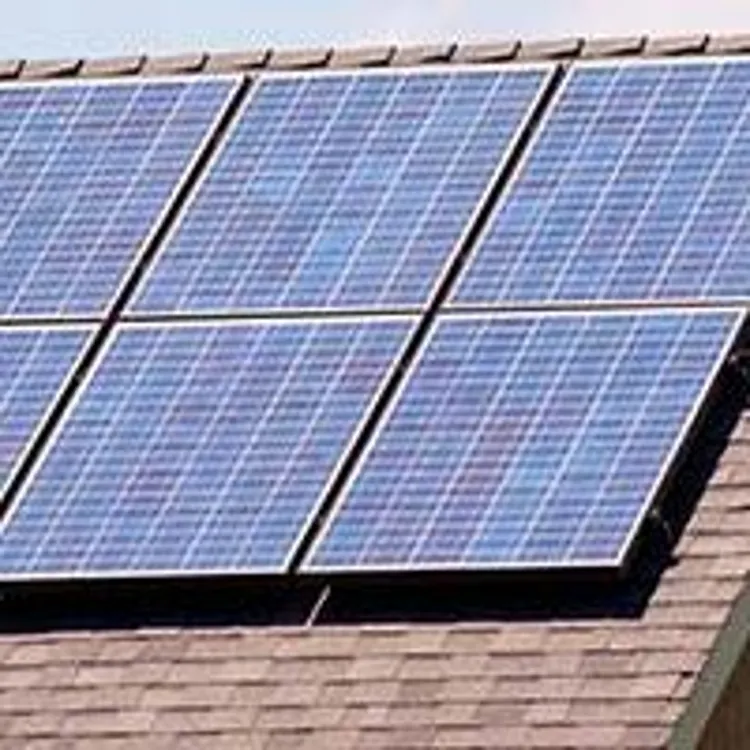
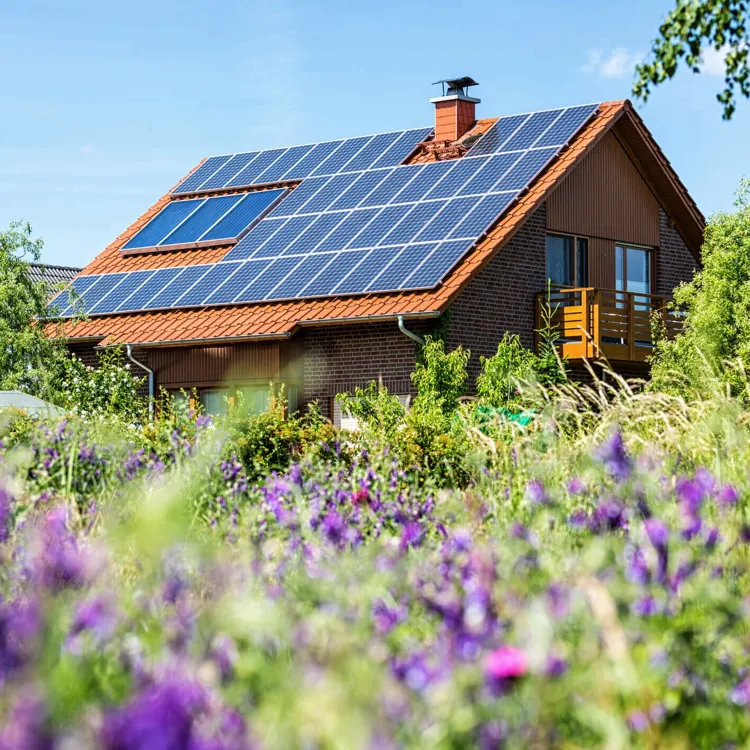
The sun is a great source of clean and natural renewable energy. While cloud coverage and weather do have some impact on performance, solar panels can produce energy year-round, even in harsh New England winters.
The only real drawback to installing solar panels is the upfront cost, which can be quite high. That said, solar panels are getting more efficient and have long lifespans, making them a low-risk, long-term investment.
Rick, a ConsumerAffairs reviewer from Florida who purchased solar panels from SunPower, felt the expense was worth it early in the process. “We don't really have an electric bill anymore,” they told us. “The electric company owes me money at this point. My last bill was negative $17, and that's a great place to be.”
If you’re interested in solar energy but worried you don’t have the financing, special mortgage lending is available for green improvements. State and local incentives can also lower the cost of solar.
» MORE: Energy-efficient mortgage: what it is and how to get one
How to conduct home energy audits
Conducting a home energy audit helps identify areas where your household consumes the most electricity and shows where small changes can make a big difference.
By tracking daily, weekly and monthly habits, you can reduce energy waste and lower utility bills. Here’s a convenient checklist to reference when conducting your audits.
Daily energy-saving habits
These small daily actions can compound into noticeable energy savings over time.
- Turn off unused lights: This simple, effective habit reduces unnecessary electricity use.
- Unplug idle electronics: Devices like phone chargers, TVs and computers draw power even when turned off.
- Use natural light: Open blinds and curtains during the day instead of relying on lamps.
- Adjust thermostat settings: Slightly lowering heating or raising cooling by a degree or two saves energy.
- Run full loads in appliances: Dishwashers and washing machines are most efficient when full
Weekly energy-saving habits
Performing these checks weekly ensures your home runs efficiently and prevents energy waste from building up.
- Clean appliance vents and filters: Dusty dryer or HVAC vents reduce efficiency and increase power use.
- Wash clothes in cold water: Saves energy by reducing the need to heat water without affecting cleaning performance.
- Check for water leaks: Even small leaks waste energy in water heating and can increase bills.
- Power down entertainment systems when not in use: Smart strips can make this easier and prevent phantom loads.
Monthly energy-saving habits
Tracking these habits monthly helps you measure progress and adjust routines to save more energy over the long term.
- Review energy bills: Look for unusual spikes to identify areas of excessive usage.
- Replace HVAC and water heater filters: This keeps systems running efficiently and extends equipment life.
- Inspect weather stripping and insulation: Sealing drafts prevents heat or cool air from escaping.
- Test programmable thermostats and timers: Ensure the settings match occupancy and schedule for maximum efficiency.
FAQ
How can I reduce energy consumption during the summer?
To save energy, consider the following tips:
- Vacuum your air vents.
- Cover your south-facing windows during the day.
- Weather-strip your doors and windows.
- Run the bathroom fan when you shower.
And turn off ceiling fans when you’re not in the room — they can make you feel cooler, but they don’t actually lower the room temperature.
What are some simple ways to save energy in the kitchen?
Hand-washing dishes uses twice as much energy as an energy-efficient dishwasher. To get the most savings, load your dishwasher fully before running. You can also set your fridge at 35 to 38 degrees Fahrenheit and defrost regularly to maximize efficiency.
Since toaster ovens and microwaves are much more energy efficient than conventional ovens, avoid the traditional oven as much as possible and cover pots and pans while cooking.
Does turning off appliances and electronics save energy?
Items that are not in use should be turned off and unplugged. The U.S. Department of Energy estimates these items account for 5% to 10% of most people’s electricity usage.
Is it worth investing in renewable energy sources for my home?
By far, the biggest drawback to renewable energy sources (like solar panels) is the high upfront costs. However, solar panels can add significant resale value to your home. With a 25-year life span and a 10-year return on investment, solar panels can save you quite a bit of money over time. Depending on where you live, you may even be able to sell your excess energy back to the electric company.
What wastes the most energy in a house?
The biggest energy wasters in a home are typically heating and cooling systems, poorly insulated windows and doors, and standby power from electronics. Other common culprits include old appliances, inefficient lighting and leaks in water heaters or ductwork.
How do I tell what is making my electric bill so high?
Start by reviewing your energy usage on past bills to spot spikes or unusual patterns. Identify which appliances consume the most power; HVAC systems, water heaters, dryers and refrigerators are likely suspects. You can also use a smart plug or energy monitor to measure individual devices.
Check for drafts, poor insulation or leaks that make heating and cooling systems work harder. Finally, consider a professional home energy audit to pinpoint hidden inefficiencies and get actionable recommendations.
Article sources
ConsumerAffairs writers primarily rely on government data, industry experts and original research from other reputable publications to inform their work. Specific sources for this article include:
- City of Sonoma, “What is the difference between energy efficiency and energy conservation?” Accessed Nov. 23, 2025.
- Energy Star, “Smart Thermostats.” Accessed Nov. 23, 2025.
- Energy Star, “What's the Difference Between the Energy Guide and Energy Star?” Accessed Nov. 23, 2025.
- Environmental Protection Agency, “Start Saving.” Accessed Nov. 23, 2025.
- Environmental Protection Agency, “WaterSense Labeled Showerheads.” Nov. 23, 2025.
- Environmental Protection Agency, “The WaterSense Label.” Accessed Nov. 23, 2025.
- Seattle Public Utilities, “Using Water Wisely at Home.” Accessed Nov. 23, 2025.
- U.S. Department of Energy, “3 Easy Tips to Reduce Your Standby Power Loads.” Accessed Nov. 23, 2025.
- U.S. Department of Energy, “DOE Proposes New Standards for Residential Appliances to Save Americans Billions in Annual Energy and Water Bill.” Accessed Nov. 23, 2025.
- U.S. Department of Energy, “Fall and Winter Energy-Saving Tips.” Accessed Nov. 23, 2025.
- U.S. Department of Energy, “Kitchen Appliances.” Accessed Nov. 23, 2025.
- U.S. Department of Energy, “Guide to Home Insulation.” Accessed Nov. 23, 2025.
- U.S. Department of Energy, “Let it Snow: How Solar Panels Can Thrive in Winter Weather.” Accessed Nov. 23, 2025.
- U.S. Department of Energy, “LED Lighting.” Accessed Nov. 23, 2025.
- U.S. Department of Energy, “Spring and Summer Energy-Saving Tips.” Accessed Nov. 23, 2025.
- U.S. Energy Information Administration, “Use of energy explained.” Accessed Nov. 23, 2025.