

What’s the best cheap type of solar panel?
It may be tempting to go with thin-film panels because they are the most affordable, but monocrystalline or polycrystalline panels are typically better for residential solar energy systems.
According to Andrew Meyer, a climate tech entrepreneur, CEO of Arbor and co-founder of Swell Energy, “[Monocrystalline and polycrystalline] are more conventional and can yield up to 25% efficiency, whereas thin-film panels yield between 7% and 18% efficiency.”
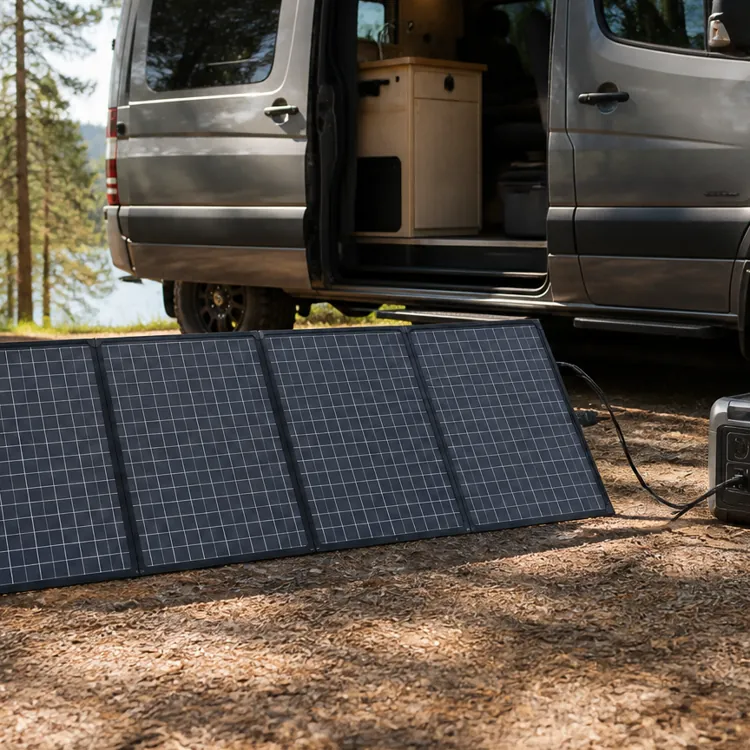
If you do want to proceed with thin-film panels, Meyer said, be sure to save them for small projects like solar-powered sheds or pool houses, rather than a large roof on your house. You could also use them on an RV, bus or boat rooftop.
Pro tip
The most affordable way to transition your home to solar energy is to purchase a solar DIY kit and install it yourself.
Our top 3 cheap solar panel picks
| Price per panel | Efficiency | Weight | Warranty | Good for | |
|---|---|---|---|---|---|
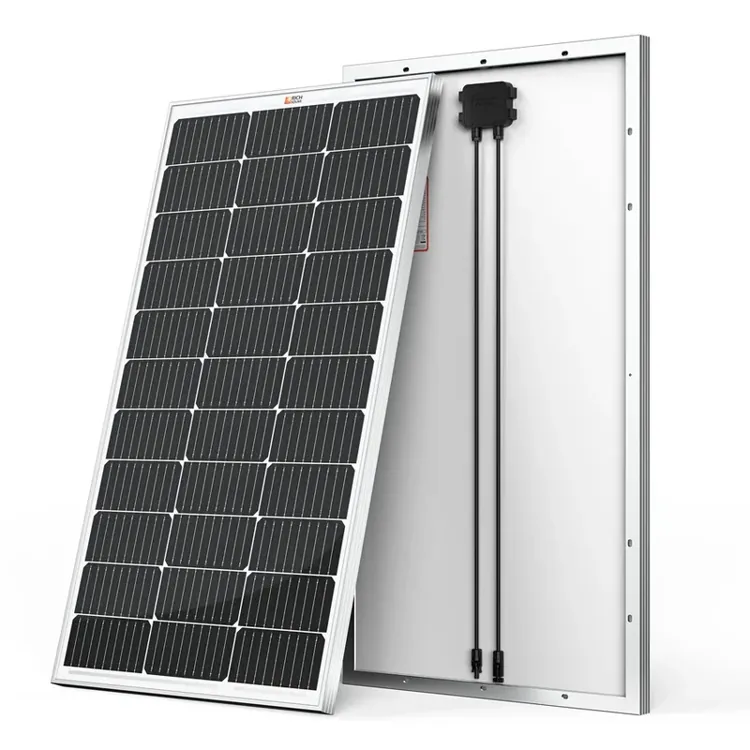
| RICH SOLAR MEGA 100 Watt | $119.99 | Up to 22.6% | 13.2 pounds | 25 years | Off-grid set ups |
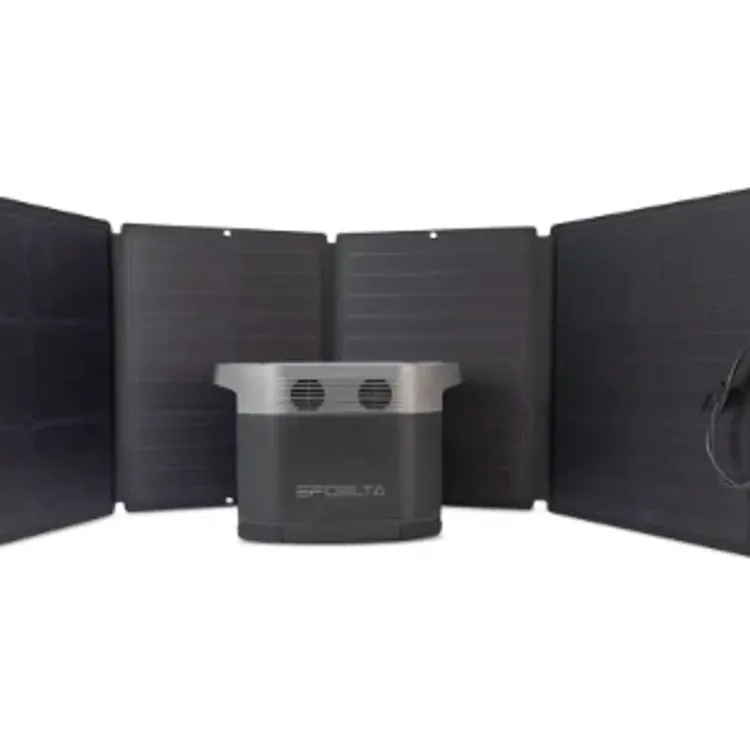
| EcoFlow 110 Watt | $259 | 22% to 23% | 8.8 pounds | 1 year | RVs |
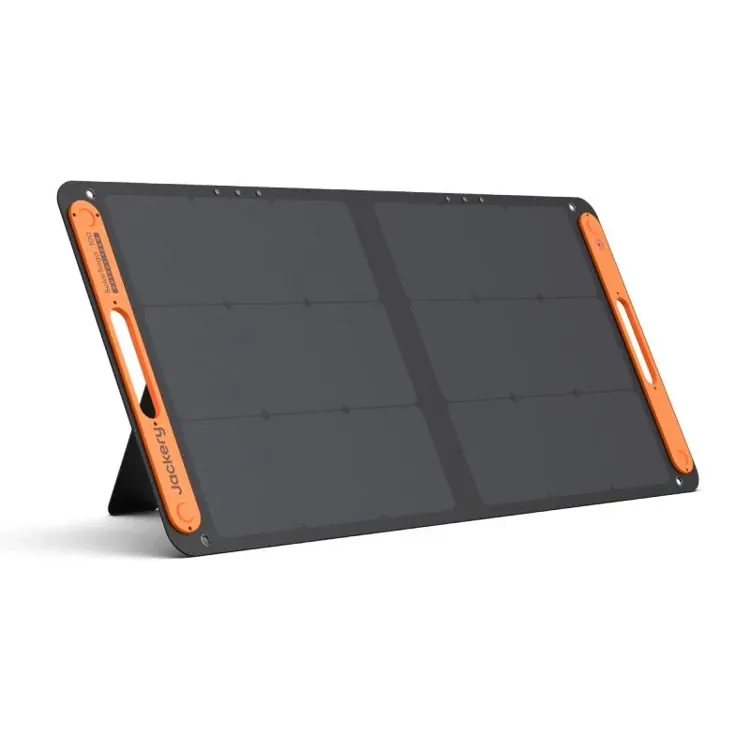
| Jackery SolarSaga 100 Watt | $249 | 23% | 7.1 pounds | Up to 3 years | Outdoor activities and emergency power outages |
RICH SOLAR MEGA 100 Watt
EcoFlow 110 Watt
Jackery SolarSaga 100 Watt
How much do solar panels normally cost?
If you are searching for the best cheap solar panels on the market, price is likely a top priority for you. Understanding what "cheap" actually means in solar panel pricing is important when comparing different options.
In 2026, individual solar panels typically cost anywhere from $200 to $350 each. However, there are additional components to factor into the total price besides just the panels. The average total installed home solar system is around $20,534.
The average cost of solar panels per watt is $2.78, with most solar quotes coming in between $2 and $3 per watt. Generally, a "cheap" solar panel price will fall under $2.50 per watt.
How to choose affordable solar panels
Choosing affordable solar panels comes down to efficiency, wattage, warranties, guarantees and the material of the panels. Be sure to check out solar company reviews and ask family and friends who’ve gone solar for recommendations to make the most informed decision.
1. Consider efficiency
One of the most common terms you’ll see when shopping for solar panels is efficiency. An efficiency rating is how well the panel can turn sunlight into usable energy (listed as a percentage). The higher the percentage, the better the panel is at converting sunlight into electricity. Most of the top solar brands have an efficiency of 20% to 25%.
2. Look at the wattage
Most solar panels on the market range in wattage from 250 to 400 watts. The higher the wattage, the higher the energy output. If you get a solar panel with high wattage but a low efficiency rating, it won’t produce the same output as another panel with the same wattage and higher efficiency.
Another thing to remember is that higher-wattage panels are often bigger and pricier, so try to find a panel with the highest wattage that fits your price range and space needs.
3. Compare warranties and guarantees
Because solar panels should last for decades (the typical lifespan is 25 to 30 years), it’s important to purchase only from companies that back their products with warranties that cover the full lifespan. Many top companies cover their panels for 20 to 25 years.
Solar panels can become less efficient over time, so be sure to look for warranties and guarantees that cover the panel's performance and the equipment.
4. Avoid cheap solar panel scams and low-budget risks
While the cost of solar panels is an important factor, you shouldn't buy the cheapest panel you find without doing proper research first. Home solar has grown increasingly popular, but so have solar panel scams and unlicensed companies offering bogus products. Be on the lookout for unusually low prices, uncertified or counterfeit products and weak warranties. These are common red flags that can indicate a cheap solar panel price is simply too good to be true.



FAQ
What are the types of solar panels?
The three main types of solar panels are monocrystalline, polycrystalline and thin-film.
- Monocrystalline panels consist of a single silicon source. The purity of the silicon makes these panels more efficient. Monocrystalline panels work better than other panel types in high heat and shade, but they’re also more expensive because they’re harder to make.
- Polycrystalline panels are made of different kinds of silicon mixed together, so they’re a bit less efficient. Polycrystalline panels are easier to make, though, so they’re more affordable than monocrystalline panels. Out of the three types, polycrystalline is the most balanced in terms of affordability and efficiency.
- Thin-film panels are the cheapest because they consist of thin pieces of conductive material on a backing plate of plastic or glass. With the lower prices comes lower efficiency, however.
What rebates and tax credits are available for solar panel installations?
The federal solar tax credit expired at the end of 2025, but there are still lots of state solar incentives that you might be eligible for. Some electric companies and local organizations also offer rebates and payments to residents with solar energy systems.
How can I pay for solar panels?
Many solar companies have payment plans for solar panel systems. You can also use government loan programs to pay for your solar panels.
If solar company financing or government loans aren’t an option, you may consider a solar power purchase agreement (PPA). In this agreement, the system is free, but you don’t own the solar panels. Instead, you get low-cost electricity while the owner receives a tax credit or other profits from the solar energy system.
Can I install solar panels myself?
You can install solar panels yourself, although DIY solar panels are usually best for cabins, RVs or other small setups. You can find a number of DIY kits to make the process easier. However, you'll likely need permits and approval from your city or utility provider, even if you go the DIY route. And some jurisdictions legally require a professional technician to install the system. Check what's allowed in your area before buying a DIY solar kit.
Article sources
ConsumerAffairs writers primarily rely on government data, industry experts and original research from other reputable publications to inform their work. Specific sources for this article include:
U.S. Department of Energy, “Homeowner’s Guide to Solar.” Accessed Sept. 11, 2026.