
Key insights
Solar cells convert sunlight to electricity, then inverters change DC power to usable AC for your home.
Jump to insightAverage-size homes need about 19 panels based on usage and panel wattage.
Jump to insightYour roof must be structurally sound and large enough to accommodate your panels.
Jump to insightUnderstanding solar arrays
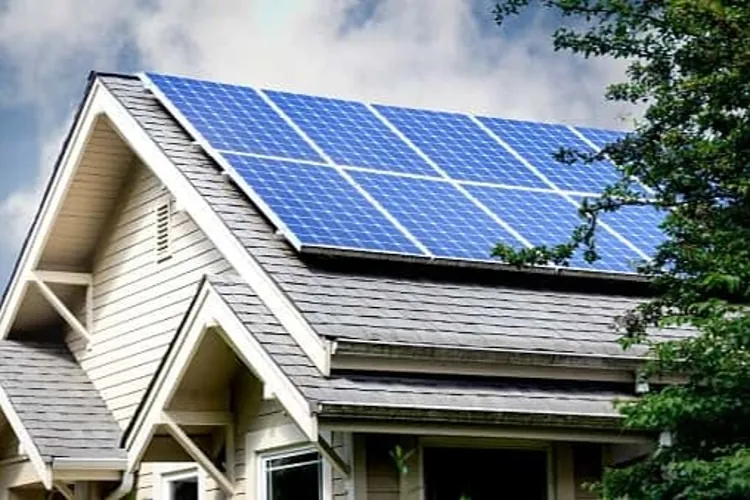
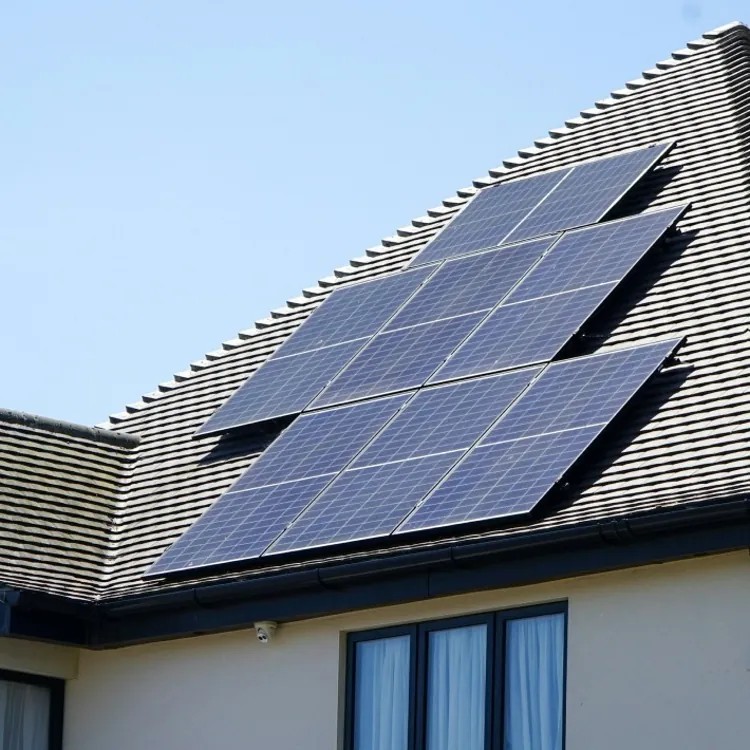
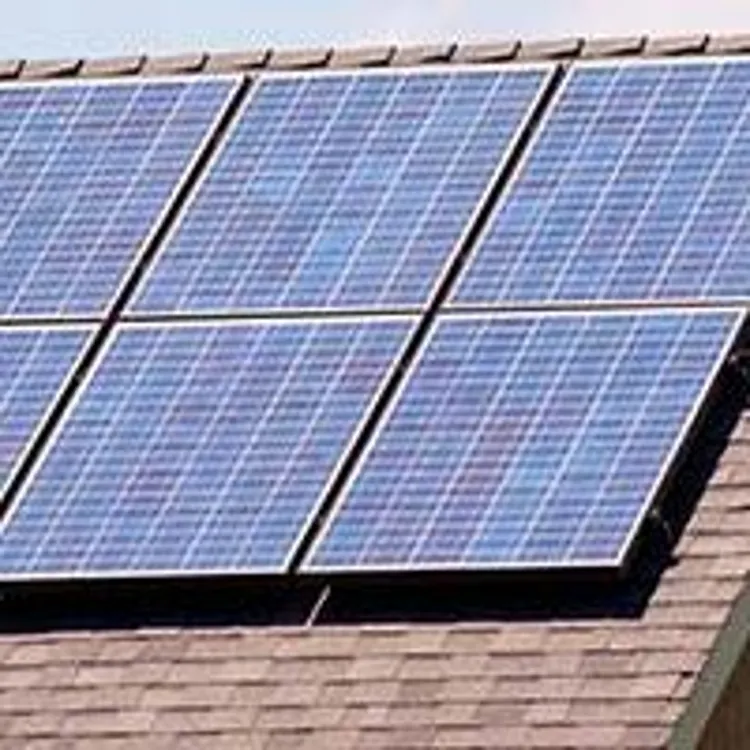
A solar array, sometimes referred to as a photovoltaic (PV) array, is a system of multiple solar panels linked together to generate electricity from sunlight. The word "array" denotes an organized, often gridlike, collection of individual components working together as a unit.
While a single solar panel can generate electricity on its own, the power it generates is almost never enough to power a home or business. As a result, multiple solar panels are typically linked together in an array to produce larger amounts of electricity.
» CALCULATE: How many kWh does a solar panel produce?
How does a solar array work?
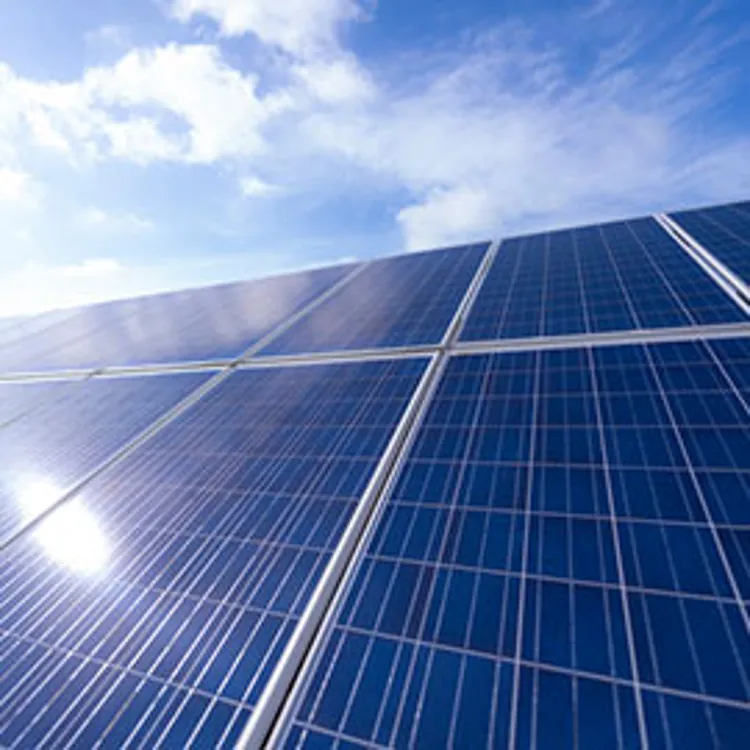
Each solar panel in an array is made up of multiple solar cells. These solar cells are made out of semiconductive materials, usually silicon, which generate electricity when they are exposed to sunlight via the photovoltaic effect, a process that converts light into electricity.
The solar panels in an array are wired together in series or parallel circuits (or a combination of the two), but the exact configuration depends on a number of factors, including the available sunlight, the orientation and tilt of the panels, the available space for the array and the amount of electricity you’re looking to produce.
A functioning solar energy system consists of more than just solar panels.
Once the solar array generates the electricity, it is typically sent to an inverter, which converts the direct current (DC) electricity produced by the panels into alternating current (AC) electricity, which is the type of electricity most commonly used in homes and businesses.
» LEARN: How do solar panels work?
Key solar array components
A solar array is more than just a collection of panels on your roof. It's a carefully engineered system with multiple interconnected components working together to generate electricity. Understanding the technical structure helps you make informed decisions about system design and performance.
Solar module (panel)
The solar module, commonly called a solar panel, is the fundamental building block of any solar system. Each module contains multiple photovoltaic cells, typically 60 to 72 cells for residential installations, encased in protective glass and framing. Individual modules typically produce between 300 and 400 watts of power under optimal conditions.
String
A string is a series of solar modules wired together in sequence, similar to old-fashioned holiday lights. When panels are connected in a string, their voltage adds up while the current remains constant. Most residential installations use one to three strings, with each string containing 8 to 12 modules depending on your roof space and system voltage requirements.
Array
The array encompasses all the strings combined together as a single power-generating unit. Your complete solar array includes all the panels installed on your property, whether they're arranged across one roof section or distributed across multiple surfaces. The array's total capacity is measured in kilowatts (kW), with typical residential arrays ranging from 5 kW to 10 kW.
System
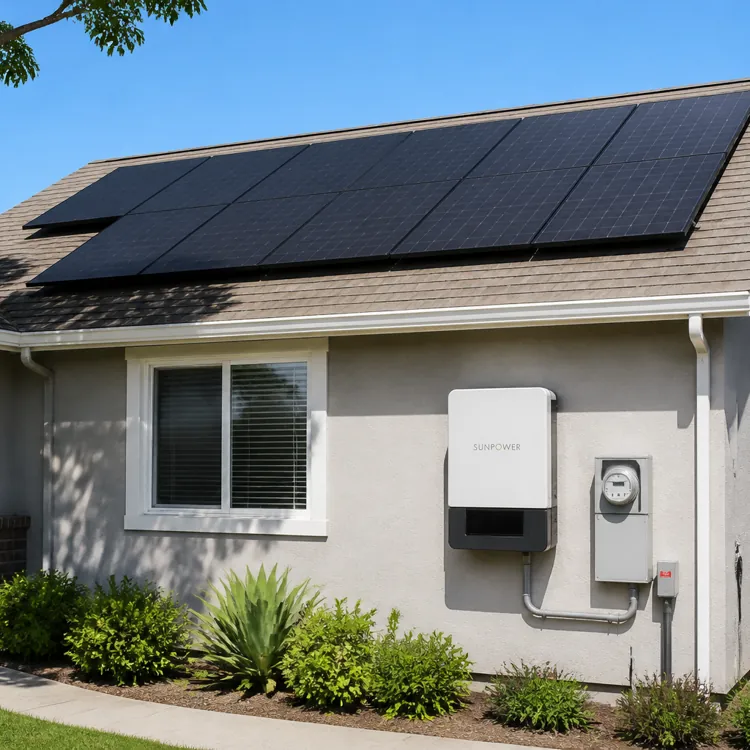
The complete solar system extends beyond just the array to include essential balance-of-system components. This includes inverters that convert DC electricity to usable AC power, mounting hardware, wiring, disconnects and monitoring equipment. Some systems also incorporate battery storage to save excess energy for later use.
Solar array vs. other solar configurations
Solar arrays exist on a spectrum of solar installations, from individual panels to massive solar farms. Understanding how arrays compare to other configurations helps clarify which setup fits your energy needs. The scale and structure of your solar installation varies significantly based on your power requirements.
Solar array vs. single panel
A single solar panel produces 300 to 400 watts and works for small applications like RVs, charging stations, or sheds. A solar array combines multiple panels to generate several kilowatts, making it necessary for homes and businesses with substantial energy demands. While one panel might power garden lights, an array runs your entire home including heating, cooling and appliances.
Solar array vs. solar system
The array refers specifically to the connected solar panels that capture sunlight and generate DC electricity. A complete solar system includes the array plus all supporting equipment: inverters, mounting hardware, wiring, monitoring systems and potentially battery storage. Think of the array as the engine and the system as the entire vehicle.
Solar array vs. solar farm
A solar farm consists of numerous arrays spanning multiple acres to generate utility-scale electricity measured in megawatts. While a residential array might have 15 to 30 panels producing 5 kW to 10kW, a solar farm can have thousands of panels producing over 500 megawatts. Solar farms sell power to utilities or large commercial customers, serving entire communities rather than individual homes.
Solar array in microgrids
Solar arrays serve as primary power sources in microgrids. Microgrids are localized electricity networks that operate independently from the main grid. These arrays work with battery storage and backup generators to provide reliable power for communities, campuses, or remote locations during outages or in areas without traditional utility access.
Adding panels to an existing solar array is possible, but expansion requires careful planning and evaluation of your current setup. Before investing in additional capacity, assess whether your property and equipment can accommodate the changes.
Can you expand or add to a solar array later?
Understanding your property limitations and existing system is essential before committing to an expansion project. Here are the critical factors you need to evaluate.
Physical space and structural capacity
First, determine if you have adequate roof space or ground area for additional panels. Your roof must also support the extra weight. Solar panels typically add 2 to 4 pounds per square foot, and older roofs may require reinforcement or replacement before expansion.
Equipment compatibility
Your existing inverter must have sufficient capacity to handle the increased power output from additional panels. If your current inverter is already operating at maximum capacity, you'll need to upgrade to a larger unit or add a second inverter, significantly increasing project costs. Additionally, matching your new panels to existing ones in type, wattage and appearance can be challenging as manufacturers discontinue models over time.
Regulatory and financial changes
Solar regulations, permitting requirements and available incentives evolve over time. New installations may be subject to different interconnection rules, building codes or utility policies than your original system. Tax credits and rebates may also have changed, affecting the financial benefits of expansion.
Planning for future growth
Smart upfront decisions can make future expansion significantly easier and more cost-effective. Consider these strategies when designing your initial solar installation.
If you anticipate needing more capacity down the road, design your initial installation with expansion in mind. Choose an oversized inverter that can handle 20% to 30% more capacity than your current array produces, allowing you to add panels without replacing expensive equipment.
How much do solar arrays cost?
The average solar array installation cost ranges from $18,000 to $43,000 after federal tax credits, but solar array costs can vary significantly based on several factors, including:
- Array size
- Solar panel type and quality
- Installation complexity
- Your location
We should also mention that you don’t have to pay this entire cost upfront. Solar loans, leases and power purchase agreements (PPAs) can all make going solar more affordable. Just do your research to ensure you pick the right one if you’re looking to maximize your return on investment.
How many panels are in a solar array?
The average 2,000-square-foot house in the U.S. needs an array of about 19 solar panels, but the number of panels in your array will depend on the wattage of the panels you choose and how much energy you want to produce.
For example, you would need 10 300-watt solar panels to create a relatively small 3kW solar array, but you’d need 34 of the same panels to create a 10kW array capable of powering a large home.
To give you a sense of scale, we should mention that residential solar arrays can include anywhere from a few panels to several dozen panels, whereas a commercial array for a business might have hundreds or even thousands of panels. At the extreme end of the scale, utility-scale solar farms can have millions of panels spread over acres of land.
Where should you put a solar array?
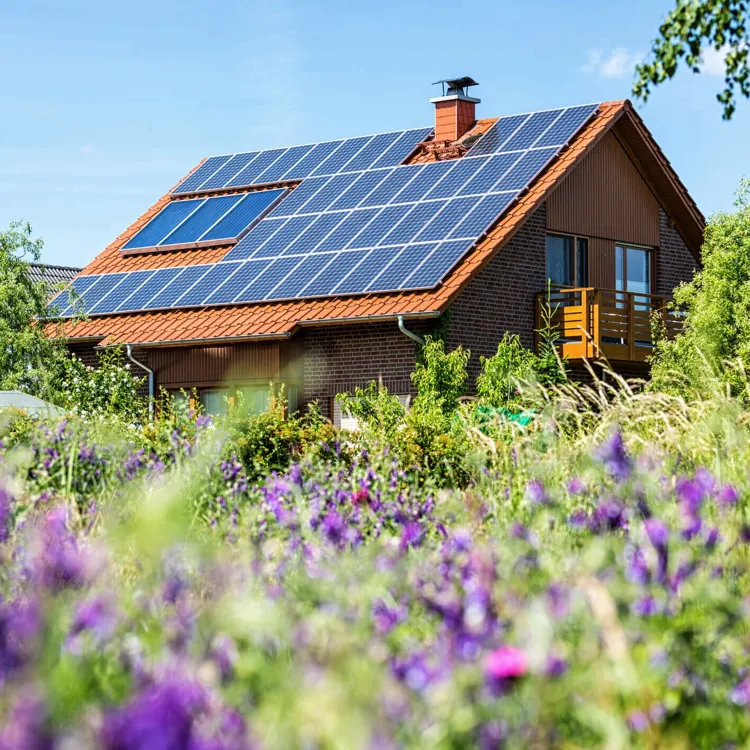
Most solar arrays are mounted on the roofs of the properties they supply power to, but you can also mount solar panels on the ground.
Unsure if your property has a good spot for solar panels? Below are some key factors to keep in mind when choosing where to put your solar array.
Which direction will your array face?
Your first and foremost consideration should be the direction your solar panels face. If you live in the U.S., your panels should face south to capture the most sunlight throughout the day as the sun moves from east to west.
Is there shade on your property?
Solar panels need unobstructed access to sunlight to perform at peak efficiency. Any shade on your solar array (whether it's from trees, other buildings, or even chimneys and roof gables) can significantly reduce its performance.
It's also important to look for potential shading issues not just at the time of installation but throughout the year as the sun changes its position in the sky.
Is your roof up to the task?
If you want to put your solar array on your roof, it needs to be large enough to accommodate your panels and structurally sound enough to handle the weight of the array. The layout of your roof matters, too. Larger, unbroken spaces are generally better for installing solar panels.
Depending on your roof’s condition, you might even consider installing solar shingles instead of a traditional solar panel array.
Are you in compliance with local restrictions and regulations?
Some areas have specific rules and regulations regarding the installation of solar panels. Be sure to check local zoning laws, homeowners association rules, building codes and permit requirements before you install your solar panels.
Can you get to your array if need be?
While this won’t affect energy production, it's important to ensure that your solar array is installed in a location that is safe and accessible for maintenance and repairs. (Solar panel maintenance usually isn’t much of a burden, but it’s a lot more challenging if your solar panels are hard to get to.)
It’s worth mentioning that you don’t need to tackle all of this on your own. A professional solar installer can conduct a site assessment to determine the ideal location for your solar array and help you throughout the installation process.
“I contacted Sunpower to obtain a consultation to possibly add solar panels to our home. … The salesperson appeared knowledgeable and willing to help me find a solution that worked for me,” reported Chris, a ConsumerAffairs reviewer from Texas.
“He designed a solar array that would generate about 90% of our annual energy usage, explained payment options, and helped me understand the federal tax benefit. I confirmed the benefit with our accountant and signed the agreement shortly thereafter. Installation was painless. … We have gone through 4-5 months of energy bills since installation, and we're seeing the projected benefits.”
FAQ
Can solar arrays work independently from the power grid?
Yes, solar arrays can operate independently in microgrid configurations. These localized electricity networks combine solar arrays with battery storage and backup generators to provide reliable power without connection to the main utility grid. Microgrids are commonly used in remote locations, communities seeking energy independence or facilities requiring uninterrupted power during grid outages.
Can you have more than one solar array?
It's entirely possible to have more than one solar array, but it's important to remember that each array and its associated equipment will need to be properly designed, installed and maintained. Any interconnections with the electrical grid will also need to comply with local regulations and utility company policies. Consider working with a reputable solar professional who can help you navigate these issues.
How big is a solar array?
Solar array sizes can vary significantly, but here are some general guidelines to give you a sense of what to expect:
- Residential solar arrays are typically between 3 and 10 kilowatts (kW) in capacity, with 6 kW being a common size for the average home. A 6kW system normally includes around 18 to 20 panels, and a standard residential solar panel is about 65 inches by 39 inches, meaning the whole system would take up roughly 315 to 350 square feet of space.
- Commercial solar arrays: Commercial systems are generally much larger, ranging from 25 kW up to several megawatts (MW). The physical size of a commercial array will vary accordingly, but a 100kW system would likely take up roughly 5,000 to 10,000 square feet of space.
- Utility-scale solar arrays: These are the largest types of solar installations and are often referred to as solar farms or solar parks. They can be anywhere from a few megawatts to over a gigawatt (GW) in capacity, covering areas that can range from a few acres to several square miles.
Remember, these are just rough estimates. The actual size of a solar array can vary based on several factors, including the efficiency of the solar panels, the available sunlight, the tilt and orientation and the specific energy needs of the property.
What if you don’t have room for a solar array?
If you're interested in solar power but don't have enough room for a solar array on your property, there are still several options you might consider:
- Community solar programs let you share benefits from an off-site solar farm. Your investment is credited to your utility bill, offering a tangible way to support renewable energy without on-site installation.
- Green power programs are offered by some utility companies, allowing you to purchase electricity from renewable sources.
- A solar canopy or carport can provide both shelter and electricity for people with open driveways or similar areas.
- Solar windows or balcony systems are theoretically feasible for apartment dwellers needing smaller-scale options, but the technology for solar windows might need some more time to develop.
As a reminder, always consider local regulations and incentives; these can significantly affect the feasibility and cost-effectiveness of these options.
Article sources
ConsumerAffairs writers primarily rely on government data, industry experts and original research from other reputable publications to inform their work. Specific sources for this article include:
- Energy.gov, “Solar Energy Technologies Office.” Accessed Nov. 20, 2025.
- U.S. Energy Information Administration, “Solar Explained.” Accessed Nov. 20, 2025.