



What is the federal solar tax credit?
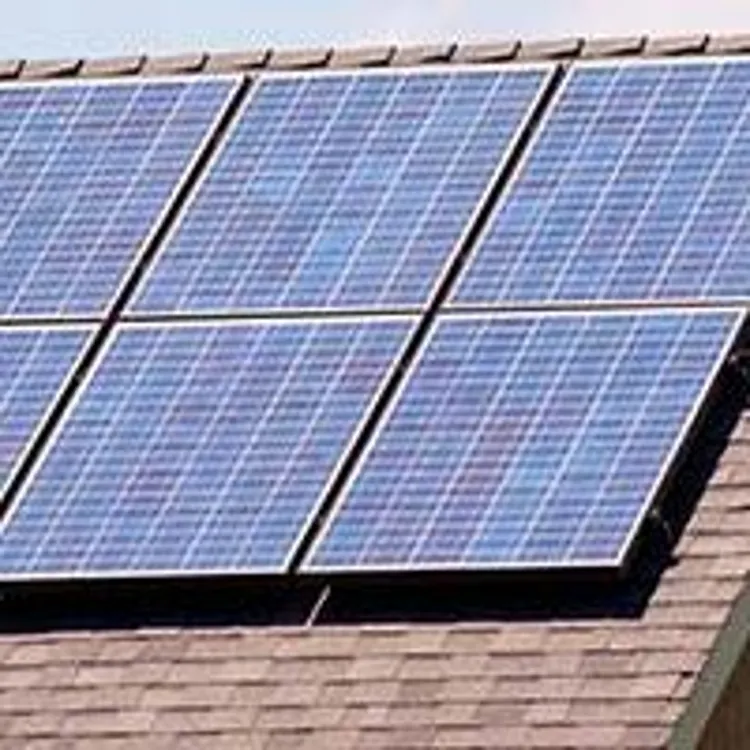
The federal solar tax credit is for solar systems that were purchased and installed between 2022 and Dec. 31, 2025. The tax credit reduces your income tax liability by 30% of what you spent installing solar panels on your home.
The solar tax credit is nonrefundable, so you can only claim a credit up to the amount of tax you owe for the year. In other words, you won’t get the excess amount refunded if the credit exceeds your tax bill.
Qualifying expenses for the tax credit
Qualifying expenses for the federal solar tax credit generally include:
- Solar electric panels
- Solar water heaters
- Wind turbines
- Geothermal heat pumps
- Fuel cells
- Battery storage technology
- Labor costs for preparation, assembly or installation
Note that clean energy property must be new (not used) and must meet additional criteria to qualify for the tax credit. For example, battery storage technology must have a capacity of at least 3 kilowatt hours.
» RELATED: Solar incentives by state
History of the solar investment tax credit
The solar investment tax credit was established by the “Energy Policy Act of 2005,” which set standards for renewable fuels, mandated an increase in the use of biofuels and established renewable energy-related tax incentives.
In the early days of solar energy, residential systems were far more expensive than they are now. For example, in 2009, it could cost up to $8.50 per watt to install solar panels. The current cost per watt is around $2 to $3.50 before any incentives.
The federal solar tax credit was designed to make solar more accessible to middle-class households. Originally, the ITC was set to offer a 30% tax credit through 2032. That percentage was set to drop to 26% in 2033 and 22% in 2034, but those future adjustments have been eliminated under the new law.
How does the federal tax credit work now?
As of Dec. 31, 2025, the federal tax credit has expired. You can only claim the 30% tax credit on late or amended tax returns if your system was installed, paid for and activated by Dec. 31, 2025.
How to claim the solar tax credit
If you haven’t yet filed your tax return for 2025 or previous eligible years, you may be able to claim the federal solar tax credit. According to the Internal Revenue Service (IRS), you can only claim a refund or tax credits for three years after the tax return due date.
If you failed to claim the credit when you were supposed to, you can file an amended return within three years from the date you filed the original return or two years after the date you paid the tax, whichever is later.
Fill out IRS Form 5695
You can claim the residential energy tax credit on your personal income taxes. If you’re eligible, you should file IRS Form 5695 for the appropriate year with your tax return. Part I of the form calculates the credit, and the final amount is listed on Form 1040.
File your return
Include Form 5695 with your tax return, and make sure to file it within three years of the tax return due date. If you file after this date, you won’t be able to claim a refund or tax credits, including the federal solar tax credit.
Are there other solar energy incentives?
Some states or cities are trying out their own initiatives to help households adopt solar. But in a lot of places, people will likely stop buying solar panels because they may be too expensive without federal incentives.
Still, there are some other incentives that may be available to people going solar, including the following:
Utility company incentives
Local utility companies may offer incentives to get homeowners to purchase home solar power systems. Some companies subsidize the cost of installation or offer rebates, depending on the amount of energy a system produces.
State solar tax credits or rebates
Some states offer tax credits to encourage residents to purchase solar panel systems. Some state governments may also offer cash rebates for installing solar panels. These rebates often help reduce the cost of installation by 10% to 20%.
Explore solar incentives in your state
- Alabama
- Alaska
- Arizona
- Arkansas
- California
- Colorado
- Connecticut
- Delaware
- Florida
- Georgia
- Hawaii
- Idaho
- Illinois
- Iowa
- Indiana
- Kansas
- Kentucky
- Louisiana
- Maine
- Maryland
- Massachusetts
- Michigan
- Minnesota
- Mississippi
- Missouri
- Montana
- Nebraska
- Nevada
- New Hampshire
- New Jersey
- New Mexico
- New York
- North Carolina
- North Dakota
- Ohio
- Oklahoma
- Oregon
- Pennsylvania
- Rhode Island
- South Carolina
- South Dakota
- Tennessee
- Texas
- Utah
- Vermont
- Virginia
- Washington
- West Virginia
- Wisconsin
- Wyoming
Other incentives
Other incentives may include subsidized loans, tax exemptions and solar renewable energy certificates (SRECs). Before purchasing a system, it’s best to talk to a local solar installer since they likely know about any incentives currently available in your area.
How much do solar panels cost?
A standard solar panel system costs around $15,000 to $30,000, not including any financial incentives. You might be eligible for local incentives that make the system cheaper, depending on where you live.
Average solar panel costs by state
| Typical installation cost* | Average cost per watt | Utility costs avoided over 25 years | |
|---|---|---|---|
| Alabama | $54,516 | $3.85 | $42,252 |
| Alaska | $16,014 | $3.14 | $29,737 |
| Arizona | $30,917 | $2.28 | $65,970 |
| Arkansas | $34,248 | $2.38 | $44,741 |
| California | $21,042 | $2.52 | $120,735 |
| Colorado | $30,590 | $2.66 | $39,344 |
| Connecticut | $31,613 | $2.67 | $79,390 |
| Delaware | $34,637 | $2.64 | $61,442 |
| Florida | $30,804 | $2.12 | $64,627 |
| Georgia | $32,425 | $2.50 | $45,038 |
| Hawaii | $31,625 | $3.43 | $122,119 |
| Idaho | $39,351 | $3.02 | $36,949 |
| Illinois | $34,449 | $2.98 | $57,382 |
| Indiana | $32,753 | $2.75 | $62,208 |
| Iowa | $43,263 | $3.28 | $55,871 |
| Kansas | $32,744 | $2.63 | $60,551 |
| Kentucky | $37,465 | $2.54 | $42,146 |
| Louisiana | $29,484 | $2.34 | $29,318 |
| Maine | $33,810 | $2.94 | $65,297 |
| Maryland | $34,866 | $2.60 | $69,077 |
| Massachusetts | $31,952 | $2.91 | $92,499 |
| Michigan | $34,629 | $2.91 | $53,052 |
| Minnesota | $42,182 | $3.22 | $54,092 |
| Mississippi | $32,770 | $2.29 | $34,539 |
| Missouri | $33,550 | $2.50 | $63,348 |
| Montana | $34,802 | $2.47 | $41,487 |
| Nebraska | $63,684 | $3.60 | $52,449 |
| Nevada | $32,138 | $2.42 | $69,323 |
| New Hampshire | $36,950 | $2.88 | $35,806 |
| New Jersey | $31,753 | $2.59 | $64,962 |
| New Mexico | $28,219 | $2.57 | $43,093 |
| New York | $33,782 | $2.76 | $71,770 |
| North Carolina | $34,482 | $2.43 | $45,388 |
| North Dakota | $73,517 | $4.23 | $65,178 |
| Ohio | $33,199 | $2.61 | $53,812 |
| Oklahoma | $37,480 | $2.61 | $43,701 |
| Oregon | $29,914 | $2.46 | $35,464 |
| Pennsylvania | $33,153 | $2.58 | $61,682 |
| Rhode Island | $31,523 | $2.77 | $77,796 |
| South Carolina | $37,024 | $2.60 | $51,366 |
| South Dakota | $58,266 | $3.46 | $53,388 |
| Tennessee | $49,138 | $3.53 | $39,124 |
| Texas | $28,755 | $2.25 | $52,762 |
| Utah | $31,954 | $2.39 | $31,768 |
| Vermont | $30,663 | $2.75 | $98,684 |
| Virginia | $35,408 | $2.54 | $46,993 |
| Washington | $34,341 | $2.54 | $31,108 |
| Washington, D.C. | $29,677 | $3.05 | $50,435 |
| West Virginia | $37,120 | $2.90 | $55,554 |
| Wisconsin | $41,065 | $3.06 | $56,047 |
| Wyoming | $35,521 | $3.51 | $46,147 |
FAQ
Is the 30% solar tax credit going away?
Yes, the 30% federal solar tax credit expired on Dec. 31, 2025. If you qualify for the tax credit and you haven’t yet filed your tax return for 2025 or previous eligible years, you can still claim the credit for up to three years past the tax return due date.
If the solar tax credit exceeds my tax liability, will I get a refund?
The solar tax credit is nonrefundable, which means it can’t result in a refund if the individual's tax credit exceeds their liability. Instead, the leftover amount can generally be carried over to the next year.
Do state or other incentives affect my federal tax credit?
Typically, tax credits from the state don’t affect your federal tax credit and vice versa, though other subsidies or rebates may need to be subtracted. However, a large state tax credit could affect the overall taxable income from the state, which would affect your federal tax return. This means the amount you claim for your state tax credit will be taxable on your federal tax return.
Can you claim the solar tax credit twice?
Generally, homeowners can only claim one tax credit per solar system. It might be possible to claim the credit again if you install panels on another property. Tax regulations are complicated, so it’s best to ask a professional for advice about your specific situation.
Should I get a solar lease or PPA?
With the expiration of the federal solar tax credit, a solar lease or power purchase agreement (PPA) may be worth considering. Previously, buying a solar system was often much better financially because you’d get the 30% tax credit in addition to long-term savings. A lease or PPA might look slightly more attractive for homeowners who prefer no upfront costs, while buying still wins for people who want maximum control and long-term savings.
» MORE: Solar panels: lease vs. buy
What’s the difference between tax credits and tax deductions?
Kelly McCann, an attorney at Northwest Construction & Insurance Law in Portland, Oregon, said that tax credits are a huge bonus for taxpayers, but only when they understand how they work.
“I find consumers are confused as to the difference between a tax credit and a tax deduction," McCann said. "A tax credit offers a dollar-for-dollar reduction in the amount of income tax the taxpayer would otherwise pay. [...] Suffice it to say, tax credits are better for the taxpayer [than] tax deductions.”
McCann offered the following example:
- Tax credit: If you receive a $1,000 tax credit, your federal income taxes will be reduced by $1,000.
- Tax deduction: If you get a $1,000 tax deduction, your reportable income will be reduced by $1,000, and your taxes will drop as a result of this reduced taxable income. So, if you’re in the 32% tax bracket in this scenario, you’ll likely save $320 on your taxes.
Article sources
ConsumerAffairs writers primarily rely on government data, industry experts and original research from other reputable publications to inform their work. Specific sources for this article include:
- IRS, “Residential Clean Energy Credit.” Accessed May 26, 2026.
- IRS, “About Form 5695, Residential Energy Credits.” Accessed May 26, 2026.
- IRS, “One, Big, Beautiful Bill Provisions.” Accessed May 26, 2026.
- IRS, “Energy Efficient Home Improvement Credit.” Accessed May 26, 2026.
- IRS, “Filing Past Due Tax Returns.” Accessed May 26, 2026.
- IRS, “File an Amended Return.” Accessed May 26, 2026.
- Database of State Incentives for Renewables & Efficiency, “Find Policies & Incentives by State.” Accessed May 26, 2026.