


What is a solar inverter?
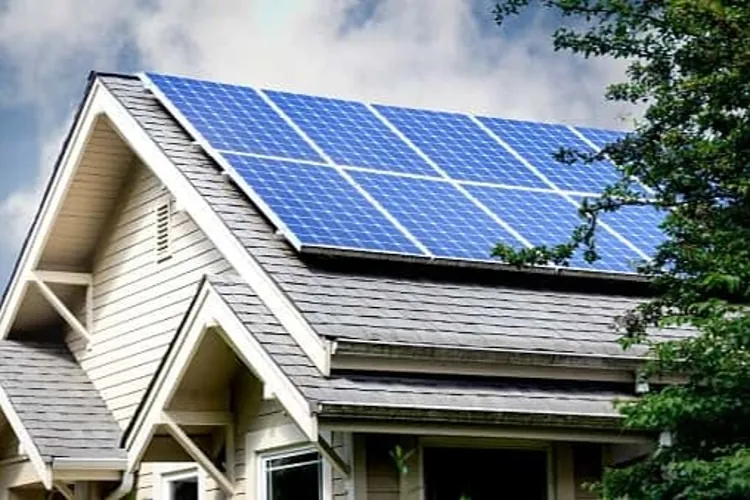
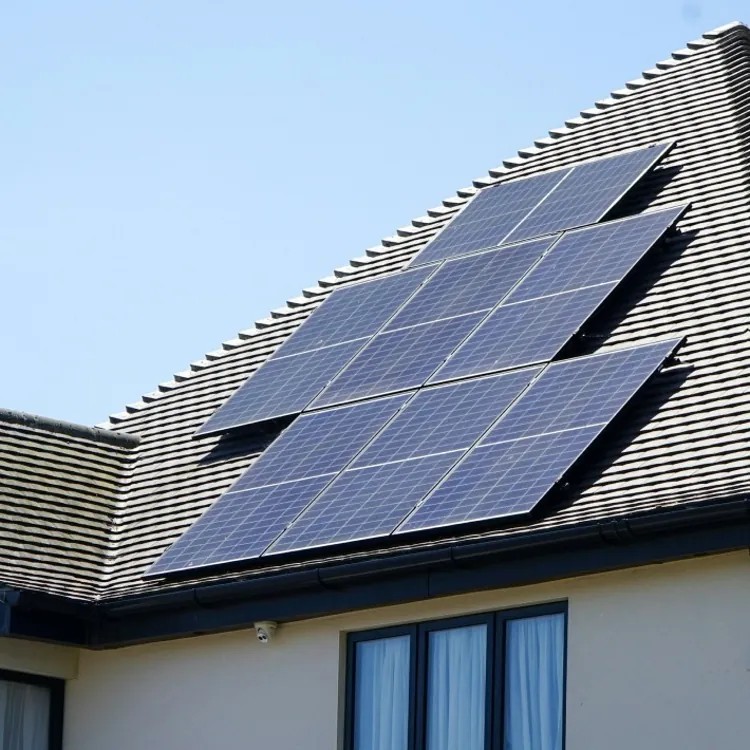
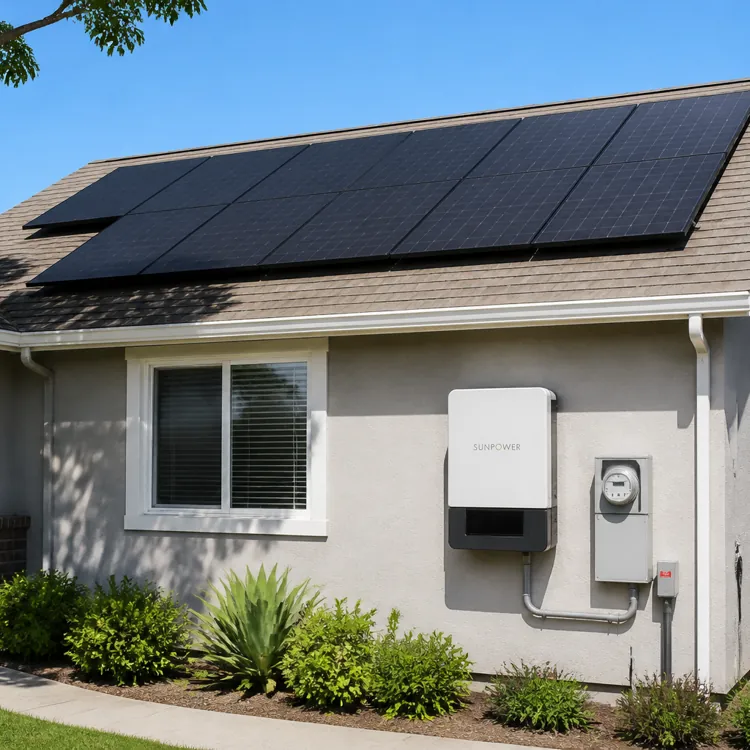
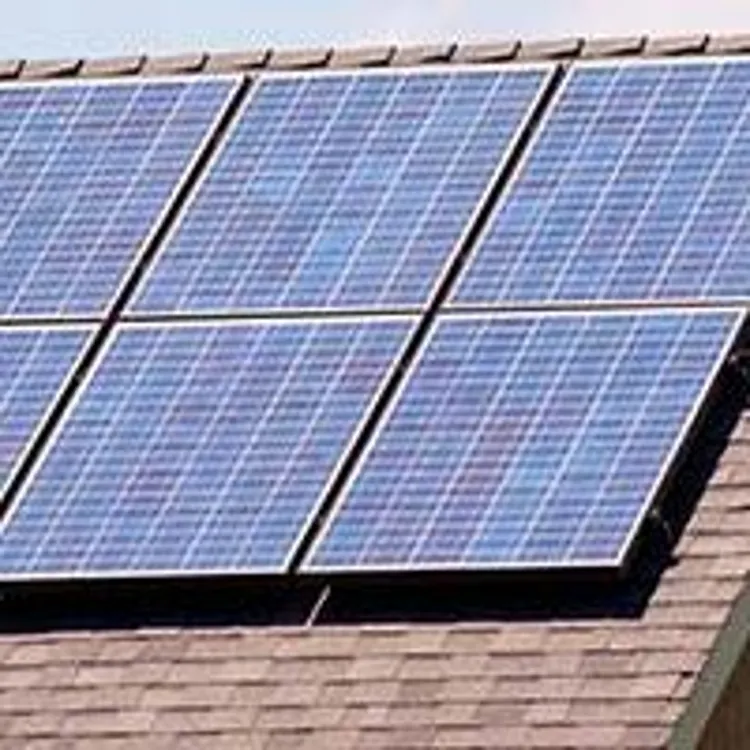
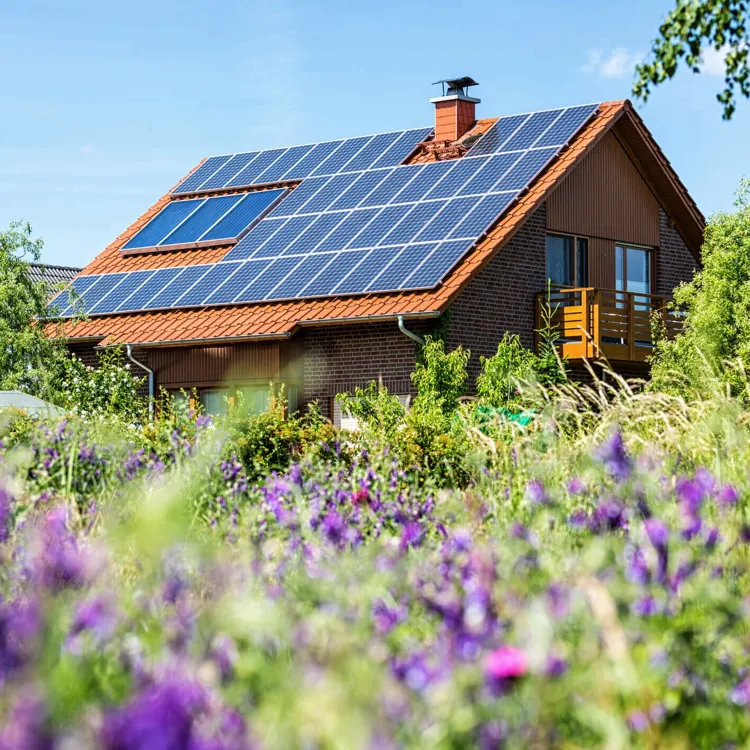
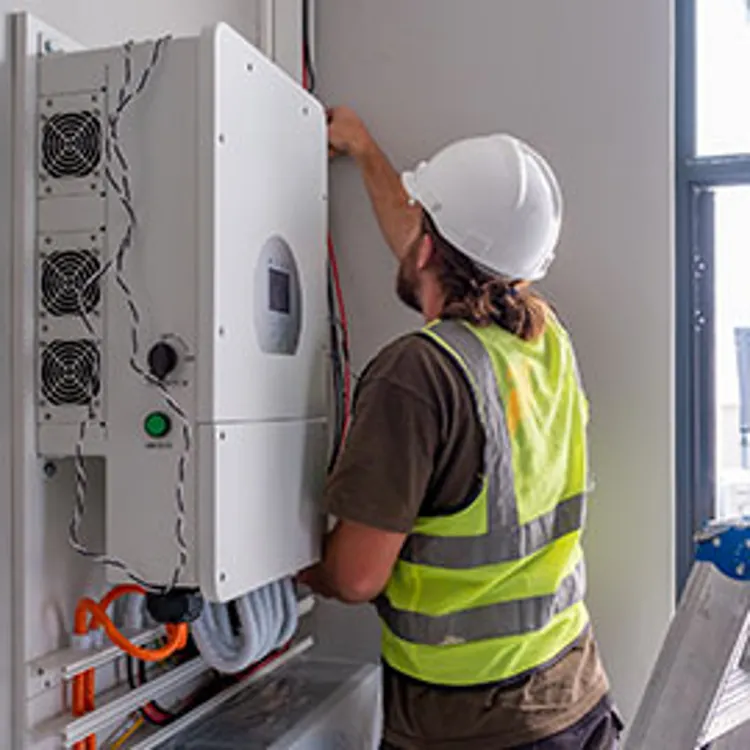
An inverter is a specialized power conversion device that changes the power from your solar panels into power your home can use. Inverters are usually installed beneath solar panels, inside a garage or on the side of a house.
How solar inverters work
Solar panels generate direct current (DC) power, which is electricity that flows in a single, constant direction. Your home needs alternating current (AC) power, which is where the flow of electricity changes direction many times per second. Inverters convert the DC electricity generated by your solar panels into AC electricity, which is what your household runs on. Businesses and your local electrical grid also operate on alternating current.
Modern inverters work very well. They turn 95% or more of your solar power into usable electricity, meaning very little energy is lost in the conversion process. Without an inverter, the DC power from your solar array would be unusable for standard household appliances or for export to the utility grid.
Why solar inverters are important
Solar company reviewers illustrate just how critical solar inverters are. For instance, Lauren, a reviewer from Arizona, said their system only worked at half power when their inverter broke. Similarly, C, a reviewer from New York, said their electric bill jumped from $35 to $176 per month because of a broken inverter.
Beyond DC to AC conversion, these devices also handle grid synchronization. This ensures safe operation, prevents backfeeding hazards and enables seamless export of excess solar energy. In off-grid or hybrid systems, the inverter may also work with charge controllers and batteries, intelligently directing solar power to storage or to loads based on system needs.
Types of solar inverters
Solar inverters come in many different sizes and power capacities, though the main types of inverters are string inverters and microinverters.
String inverters
String inverters are designed to last 10 to 15 years.
String inverters, sometimes called central inverters, connect several panels along separate strings. By wiring together multiple panels and sending the electricity to one central point, a string inverter can efficiently convert solar power without the need to install additional pieces of equipment.
Microinverters
A microinverter is much smaller in size than a traditional string inverter. It uses module-level power electronics (MLPE) that are typically attached to the underside of a solar panel. This technology lets you have a system powered by multiple microinverters instead of a single string inverter.
Hybrid inverters
A hybrid inverter, also called a multi-mode inverter, is designed to work with both the utility grid and energy storage systems, like solar batteries. It not only performs DC to AC conversion for household use and grid export, but it can also manage DC-to-DC charging for your battery bank.
Grid-tied inverters
A grid-tied inverter, also called an on-grid inverter, connects directly to the utility grid and has no built-in battery storage capability. It converts DC power into AC power that matches the grid’s voltage and frequency, which is known as grid synchronization. These inverters are ideal for maximizing utility bill savings in areas with strong net metering policies and reliable grid service.
How much do solar inverters cost?
Do-it-yourself (DIY) home systems can cost anywhere from $500 to $5,000, with most systems typically costing around $1,000 to $3,000. String inverters tend to be less expensive to buy, while microinverters tend to be more expensive.
Like nearly every other aspect of solar energy installations, the upfront and long-term costs of your inverter(s) will depend on the size of your system as well as the quality of the equipment you buy.
» RELATED: How much do solar panels cost?
How long do solar inverters last?
Considering that solar panels last around 25 years, you’ll probably need to replace your inverter before your panels wear out. However, when you’ll need to replace it also depends on the type of inverter.
- String inverters: Typically 10 to 15 years
- Microinverters: Typically 15 to 25 years
Microinverters vs. string inverters
Microinverters keep a PV system running closer to its maximum capacity if part of the solar array becomes shaded or damaged. They also make it much easier to add more solar panels later on, unlike string inverters.
A drawback of string inverters is that the output of each string is limited by its weakest panel. Even partial shading on one panel can significantly reduce the entire string’s production, according to John Striebel, former CEO of Apollo Energy.
Microinverter pros and cons
While microinverters are generally seen as a more efficient technology than string inverters, they are also more expensive to install and can be a headache to replace if they fail.
Pros
- Each panel works on its own
- Easy to add more panels later
- Lasts 15 to 25 years
- Works better in shade
Cons
- Higher upfront costs
- Harder to install and maintain
- More parts that could break
String inverter pros and cons
String inverters are more affordable, but they're not as efficient as other inverters.
Pros
- Costs less upfront
- Easy to fix or replace
- Simple setup
Cons
- If one panel has problems, it affects all panels
- Don't work as well in shade
- Relatively low life expectancy
Hybrid inverters vs. grid-tied inverters
Here’s how hybrid inverters compare to grid-tied inverters:
| Feature | Hybrid inverter | Grid-tied inverter |
|---|---|---|
| Converts DC to AC | Yes | Yes |
| Battery compatibility | Optional | No |
| Back-up power | Optional | No |
| Efficiency | Slightly lower than pure grid-tied (due to added battery circuitry) | Typically highest efficiency (95% to 98%) since no battery integration |
| Cost | Higher upfront cost due to added features | Lower upfront cost; simpler system |
| Best for | Homeowners wanting energy independence, back-up power or time-of-use optimization | Homes in areas with strong net metering policies and reliable grid service |
How to choose the right solar inverter
If you're designing your own solar energy installation, you need to make sure your solar inverter is properly wired to the rest of your system’s components in order to safely generate and use the new clean energy. It’s also a good idea to read reviews for different models and choose an inverter with a great warranty.
Inverters typically come with five- to 12-year warranties.
Think about your:
- Roof: Does it get shade or face different directions?
- Budget: How much can you spend upfront?
- Future needs: Will you add more panels later?
- Warranties: How long is your investment protected?
If you have a simple, shade-free roof, a string inverter is the most cost-effective option. For roofs with multiple angles or frequent shading, microinverters give the best performance. Hybrid inverters are popular for homeowners who want energy independence without fully disconnecting from the grid.
Sizing your inverter system
You can determine what size inverter(s) you need based on the maximum power output of your solar panels. Most solar inverters include some sort of input rating, which you should match to your solar panels’ power capacity.
A professional solar installer will likely recommend a string inverter or a system of microinverters rated for high-performance use. Still, we recommend talking to a professional before purchasing any solar system components.
Should you get a solar generator?
Portable power stations or solar generators typically include an inverter, battery and charge controller in one handy package. In addition to saving space, one of the biggest advantages of utilizing a solar generator for a DIY system is that each component has already been thoughtfully paired together to work safely and efficiently.
By simply plugging in a set of panels to a solar generator, you can safely generate new electricity without having to worry about overloading your charge controller, inverter or battery. You just have to make sure your panels’ total output is below the generator’s maximum input capacity.
Compare solar companies with top inverter brands
Most solar companies will recommend the best inverter for your home. Compare top solar companies below:
| Company | Customer rating | Maximum panel efficiency | Year founded | Availability | |
|---|---|---|---|---|---|
 Sunrun | Get Started | 4.3 | 22% | 2007 | Some states |
 Sunlux | Get Started | 4.7 | 19.7% | 2015 | California |
 ION Solar | Learn More | 1.2 | 21.9% | 2013 | 13 states |
 Project Solar | Learn More | 3.0 | 20.9% | 2020 | Most states |
 ShopSolar | Learn More | 4.3 | Varies | 2018 | Nationwide |
» MORE: Are solar panels worth it?
FAQ
How much does it cost to fix a broken solar inverter?
If a solar inverter breaks, people usually tend to replace them instead of fixing them since repair costs are typically similar or close to replacement costs. For example, Medardo, a reviewer from California, said they had to pay $584 just for a technician to look at their broken inverter.
What damages a solar inverter?
Some ways a solar inverter can be damaged include water getting inside, overloading, extreme heat or normal wear and tear.
What happens if you overload a solar inverter?
A quality solar inverter will stop operating if it’s overloaded and may not suffer any damage. But repeated overloads can damage some inverters and render them unable to function. To protect your solar inverter from overloading, purchase an inverter with enough capacity to handle the maximum amount of solar power you expect your system to generate and upgrade your inverter along with other parts of your system.
What are power optimizers?
If just one portion of a single solar panel in a string becomes shaded, it can significantly lower the string’s total production. Power optimizers can help avoid this. Power optimizers are extra parts that help string inverters work better in shade. They’re cheaper than microinverters, but they add cost and complexity.
“When you add power optimizers to solar panels connected to a central inverter, you can avoid lower overall production levels if one panel in the chain is underperforming,” John Striebel said.
Bottom line
Solar inverters ensure that the energy produced by your solar panel system is usable in your home. By converting DC power into AC power, solar inverters make it possible to run home electronics on solar power or send energy out to the power grid.
If you’re assembling your own small PV system, purchasing a solar generator can be a great way to get an inverter, charge controller and battery that work together to efficiently process and output usable solar power.
Article sources
ConsumerAffairs writers primarily rely on government data, industry experts and original research from other reputable publications to inform their work. Specific sources for this article include:
- U.S. Department of Energy, “Homeowner’s Guide to Solar.” Accessed May 26, 2026.
- National Laboratory of the Rockies, “Solar Installed System Cost Analysis.” Accessed May 26, 2026.