

Kilowatt and kilowatt-hour: understanding the difference
While kW and kWh aren’t interchangeable, they are closely related.
“You can think of kilowatts as a speedometer, measuring the instantaneous power being used, and kilowatt-hours as an odometer, representing the total energy consumed over time,” said Phil Roth, an application engineer at sustainable engineering company ABB and former technical sales lead at energy solution provider Lumin.
You can think of kilowatts as a speedometer, measuring the instantaneous power being used, and kilowatt-hours as an odometer, representing the total energy consumed over time."
What do kW and kWh mean?
Watts are the measurement of energy flow, and a kilowatt is equal to 1,000 watts. Kilowatt-hours express how much energy can be collected or used for an hour. Your monthly electric bill is calculated based on how many kWh of energy you used during the course of a month, for example.
What are kilowatts and kilowatt-hours used for?
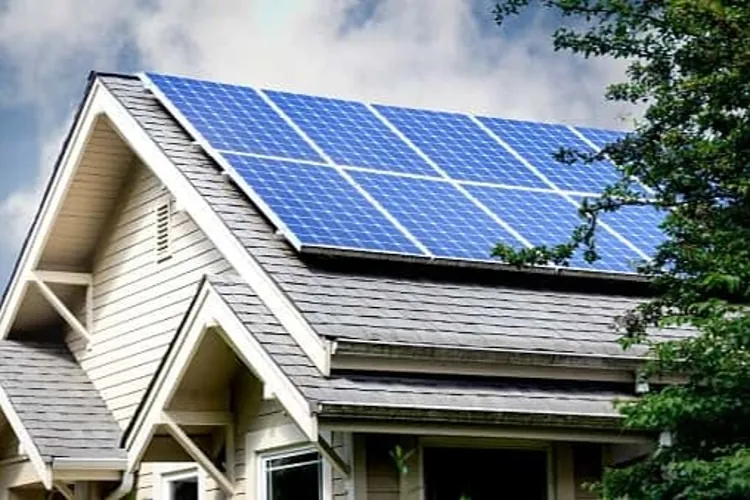
Understanding kilowatts and kilowatt-hours is important when determining the energy requirements for powering your home, especially when considering a solar energy system.
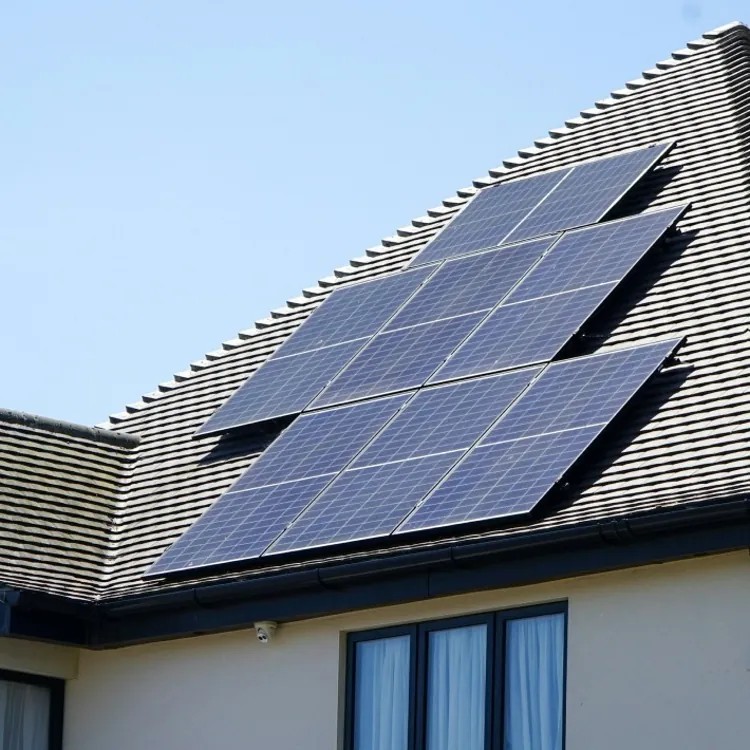
Brian Decker, CEO of SOAR Energy, explained the relationship between kW and kWh in a solar energy system this way: A 10-kW solar panel system will produce approximately 10 kWh of energy if it runs for one hour in optimal conditions. However, actual energy production fluctuates due to factors such as cloud coverage, the angle of the sun and panel orientation.
The kWh of your solar energy system expresses how much energy it produces in a single hour under ideal conditions.
The kW rating will give you an idea of how much power the system can produce at any given moment under ideal conditions, and the kWh will give you an idea of how much energy it can produce over a certain period, which will vary. This can help you determine whether a particular system can produce enough energy to meet your home's energy needs.
For example, as Roth explained, a 7-kW system might produce at its maximum capacity of 7 kW from 12:00 p.m. to 2:00 p.m., resulting in 14 kWh of bill savings during that period. However, outside those hours, when sunlight intensity is lower, the system may produce at a reduced level (e.g., 3 kW from 8:00 a.m. to 12:00 p.m. and 2:00 p.m. to 6:00 p.m.). This would contribute an additional 24 kWh of bill savings.
» MORE: Where your solar savings go the furthest
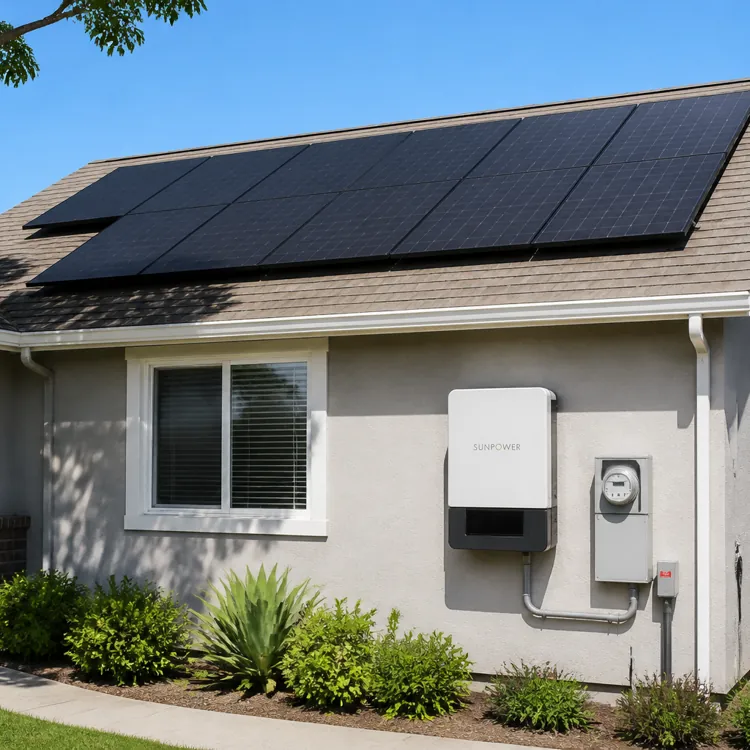
If your panels generate more electricity than your home consumes, the excess kilowatts can be stored in a solar battery for later use. This lets you harness solar energy even when the sun isn’t shining, such as during the evening or on cloudy days.
The battery system manages the discharge of stored kWh based on predetermined settings and energy demands. It can be programmed to prioritize essentials during a power outage or to optimize self-consumption by using stored kWh when electricity rates are higher. “By strategically deploying stored kWh, homeowners can reduce reliance on the grid, minimize peak-hour energy costs and maximize the utilization of their solar energy system,” Roth told us.
» CALCULATE: How many kWh does a solar panel produce?
How to calculate kilowatt vs. kilowatt-hour
Put simply, a kilowatt is equal to 1,000 watts. You can divide watts by 1,000 to find the equal number of kilowatts.
Use this equation to calculate kilowatt-hours: kW x number of hours = kWh.
For kilowatt-hours, you can use this equation: kW x time = kWh. So, if you’re using a 100-watt appliance for 10 hours, that’s 1 kWh. If you use a 1,000-watt appliance for one hour, that’s 1 kWh. The higher your appliance wattage, the quicker your energy usage equals a kilowatt-hour.
When you’re going solar, the main thing you need to know is how many kilowatts your home uses so you can purchase enough solar panels (you should be able to see exactly how many kilowatts your home uses per month on your electric bill). Decker advises analyzing 12 months of your energy usage to determine which solar panels are right for you.
Utility metering and billing
How might going solar affect your utility bills? Depending on where you live, your state may use net metering, a billing structure that credits people who have solar energy systems for the electricity they add to the grid. Under this system, the power you use is offset by the power you create, and you only pay for your “net” energy use, though you may also pay a small service fee.
Your home’s solar panel system may produce lots of energy on a sunny day, for example, and with net metering, that energy can be credited to your account. If your home generates more power than you consume in a given month, you may apply those credits toward a future bill.
Other options may vary by state; in Oregon, for example, unused credits generated by solar energy are donated to low-income bill assistance programs every March. In Maryland, residents who opt not to let their solar credits roll over from month to month can get paid for their leftover credits in April.
Check with your state and local utility company to see if net metering is available in your area, as well as any other relevant information about solar utility metering and billing where you live.
Practical tips for reducing kWh usage
While saving money on your monthly energy bill can be a benefit of switching to solar power, reducing the amount of energy your home consumes before purchasing a renewable energy system may allow you to opt for a smaller (and less expensive) system, according to the U.S. Department of Energy (DOE).
The DOE reports that the average electricity consumption in the U.S. is about 1,000 kWh per month. Look at your recent utility bills to see your household’s kWh usage, then consider taking the following steps to use less electricity.
- Turn down your thermostat a little in the colder months, and turn it up in the warmer months. You don’t want to be uncomfortable, but this can especially be an energy saver during times when no one is home, such as if family members are at work or school during the day.
- Replace the windows in your home with energy-efficient ones. Covering windows during the day can help keep heat out of the house during the summer, and covering them at night can help keep the cold at bay during the winter.
- If possible, power down and unplug electronics when they’re not in use. Consider plugging electronics such as TVs and video game consoles into a power strip, then turn the power strip off when those devices are not active.
- Wash full loads of laundry in cold water. Waiting to do laundry when the washer is at full capacity allows you to run the washing machine less frequently, and using cold water allows you to save the energy that would otherwise be spent heating it.
FAQ
How does a solar panel system's kW rating affect its energy production?
The kW rating of a solar panel system indicates the maximum power it can produce at any given moment under ideal conditions. For example, a 10-kW solar panel system can produce approximately 10 kWh of energy if it runs for one hour in optimal conditions.
How does understanding kW and kWh help when going solar?
Understanding kW and kWh is important when determining the energy requirements for powering your home, especially when considering a solar energy system. It helps you understand how much power the system can produce and how much energy it can generate over a certain period.
How do I know how many solar panels I need for my home?
When selecting solar panels, you need to know how many kilowatts your home uses so you can purchase enough solar panels. You should be able to see exactly how many kilowatts your home uses per month on your electric bill.
How can I calculate the kWh usage of an appliance?
You can calculate the kWh usage of an appliance using this equation: kW x time = kWh. For example, if you’re using a 100-watt appliance for 10 hours, that’s 1 kWh.
Article sources
ConsumerAffairs writers primarily rely on government data, industry experts and original research from other reputable publications to inform their work. Specific sources for this article include:
- U.S. Energy Information Administration, “Electricity explained: Measuring electricity.” Accessed Nov. 11, 2025.
- Solar Energy Industries Association, “Net Metering.” Accessed Nov. 11, 2025.
- Energy Trust of Oregon, “Net Metering.” Accessed Nov. 11, 2025.
- State of Maryland Office of People’s Counsel, “Residential Rooftop Solar in Maryland: Frequently Asked Questions.” Accessed Nov. 11, 2025.
- U.S. Department of Energy, “Reducing Electricity Use and Costs.” Accessed Nov. 11, 2025.
- New Hampshire Department of Energy, “Tips for Managing Your Electric Usage.” Accessed Nov. 11, 2025.