

Key insights
As their name suggests, off-grid systems run independently from the power grid and store energy in solar batteries for later use.
Jump to insightOff-grid solar systems are more costly than grid-tied systems because they require additional components.
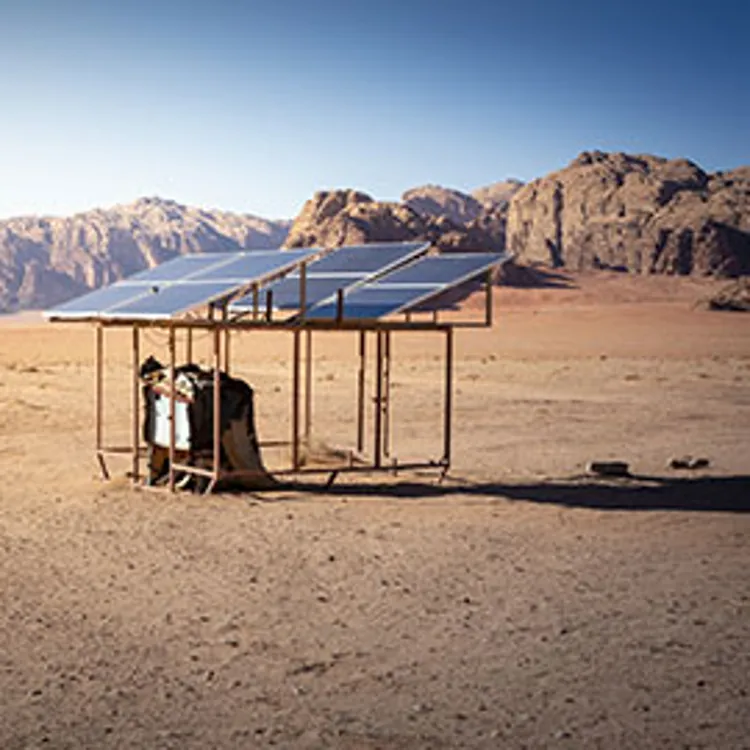
Jump to insightOff-grid solar systems are beneficial in rural, remote and agricultural settings with less grid access.
Jump to insightOff-grid systems are a good choice for those who don't want to rely on a utility company or experience blackouts.
Jump to insightKey components of off-grid solar systems
Off-grid solar systems enable you to source all of your home’s energy from solar power rather than the power grid. To supply all your energy needs, like keeping your air conditioner running and your fridge cold, off-grid systems use a process that includes several key components, including solar batteries.
Solar panels
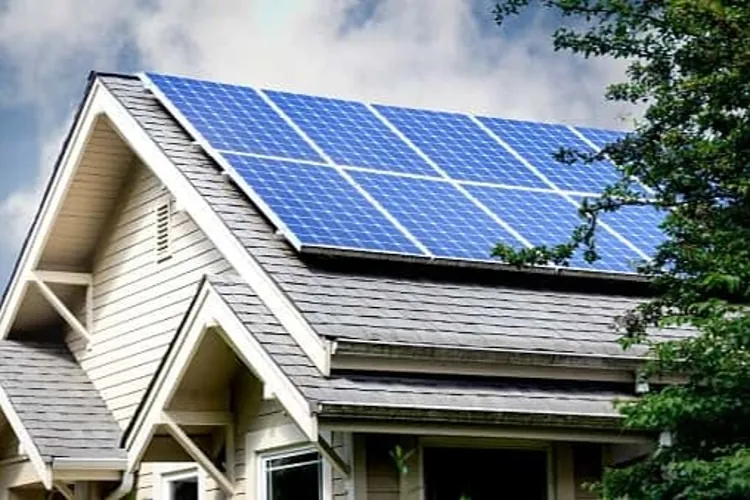
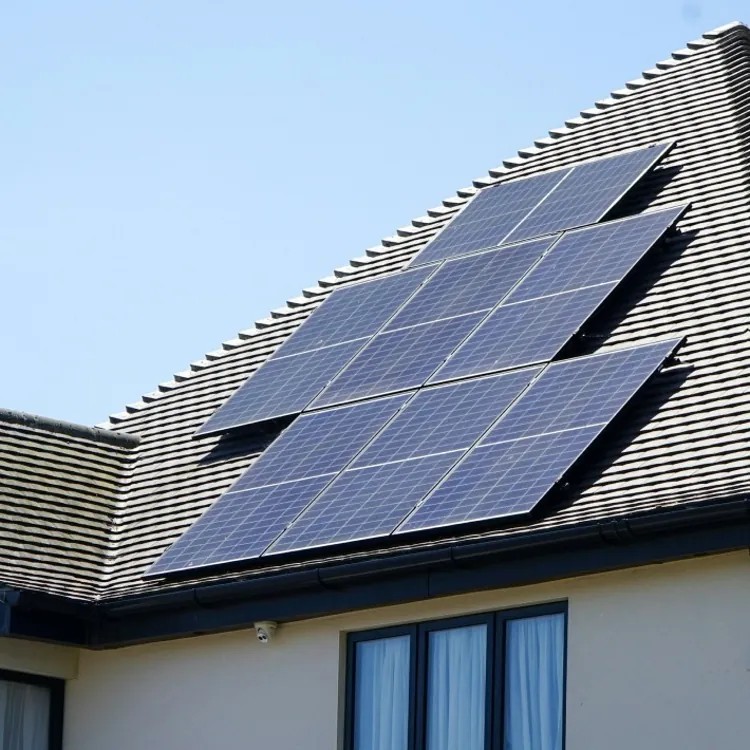
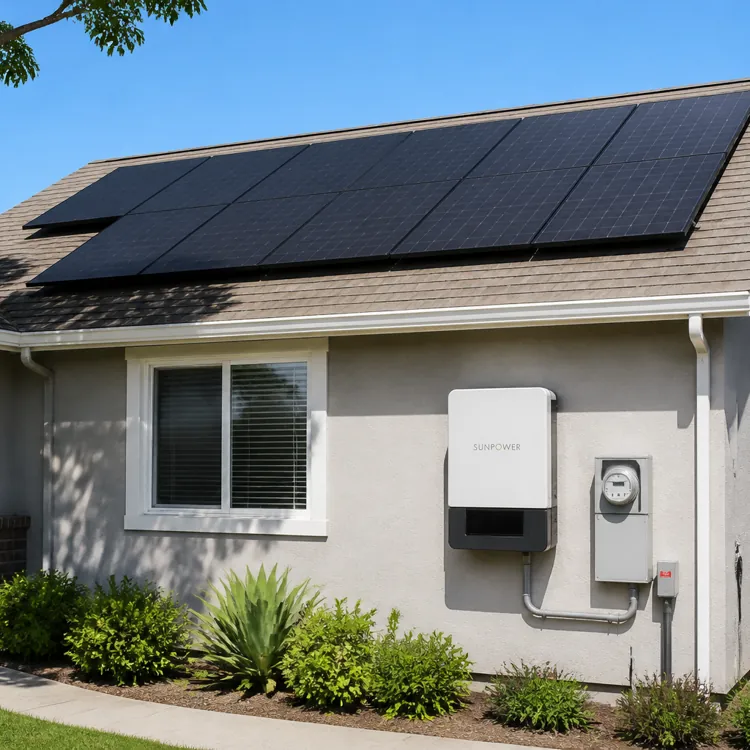
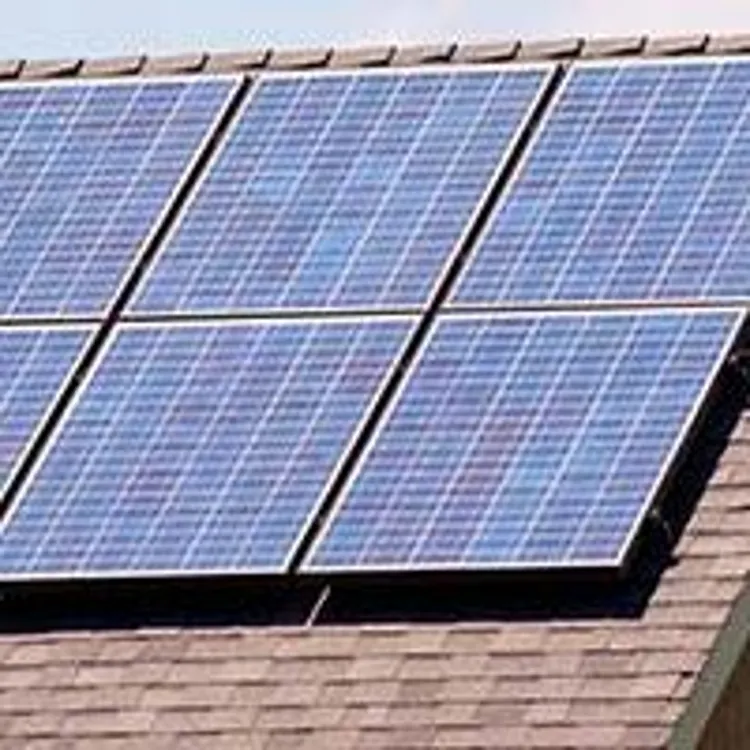
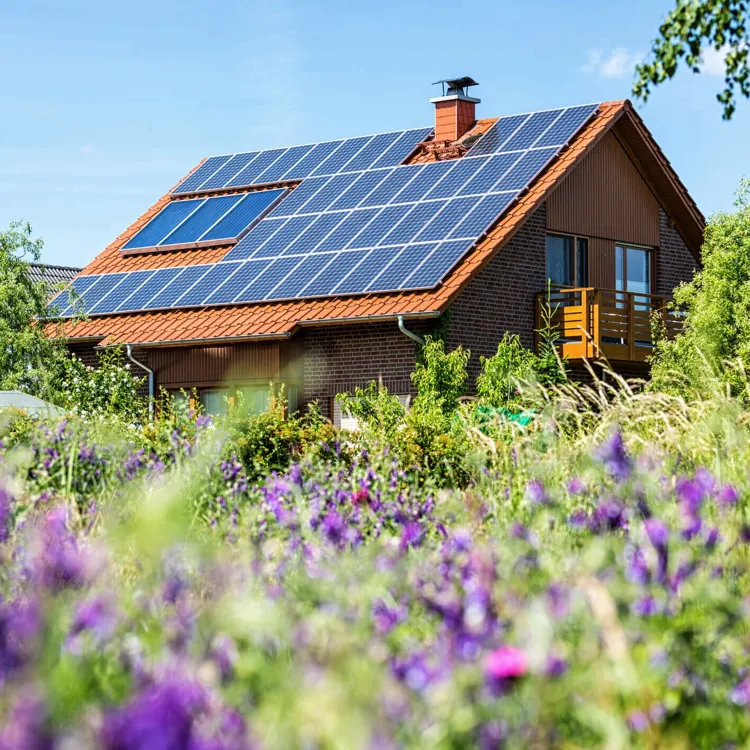
The magic starts with solar panels. You can choose from three main types: polycrystalline, monocrystalline or thin-film. These electricity-producing devices can be secured to your rooftop or yard — whichever receives the most sunlight. The number of panels you need to install depends on the size of the house you’re powering and how much electricity you use.
Charge controllers
A charge controller regulates the voltage and current flowing from your solar panels to your battery bank, protecting the batteries from overcharging or draining too quickly.
Two main types are used in off-grid systems: pulse-width modulation (PWM) controllers, which are affordable and work well for small setups, and maximum power point tracking (MPPT) controllers, which capture more energy and are better suited for larger or high-efficiency systems.
Batteries
The excess energy generated by off-grid solar panels is stored in batteries. Without these storage hubs, it would be impossible to power your home when the sun isn’t shining, so your batteries keep you powered in the evening or on rainy days.
Several battery types are used in off-grid systems:
- Traditional flooded lead-acid batteries: Affordable but require regular maintenance
- AGM batteries: Sealed, low-maintenance option with a shorter lifespan
- Lithium-ion batteries: Cost more upfront but last longer, charge efficiently and deliver more usable energy
The right choice ultimately depends on your budget and the amount of backup power you need, but lithium-ion batteries are the most common and recommended option.
Paul, a ConsumerAffairs reviewer from California, wrote: “The way I'm hooked up, I can turn PG&E off. … I'm strictly solar right now. And by noon, my Tesla batteries are recharged back up to 100%. And at night when I go to bed, I'm down to 80%. So, I still got 80% batteries left when I go to bed. So, it's great.”
Inverters
Solar panels generate direct current (DC) electricity, but for that energy to power your appliances, it needs to be converted to alternating current (AC). Basically, your solar panels and appliances speak different languages, and your inverter serves as the translator. For off-grid systems, use a stand-alone inverter.
Off-grid vs. other solar systems
There are three major categories of popular solar systems: grid-tied, hybrid and off-grid. Each type of solar system has its own advantages and disadvantages. Your location, property and budget will all factor into which is right for you.
Off-grid
Off-grid systems, also known as stand-alone power systems (SAPS), are becoming a popular choice amid recent spikes in energy and fuel costs. With an off-grid setup, you can be entirely self-sufficient rather than reliant on the whims of electric companies. Another bonus to being fully off-grid is freedom from power failures and blackouts.
However, off-grid systems come with higher upfront costs because they require additional components, such as expensive batteries, and require more labor to install.
Hybrid
Hybrid systems combine off-grid and grid-tied solar systems, meaning they’re connected to the grid while still using a battery. The benefit of hybrid systems is the ability to use grid energy while having a battery as backup when the grid fails.
If you’re looking to keep costs low, be aware that these complex systems cost the most to install, and they may not let you completely get rid of your power bill even if you don’t draw energy from the grid anymore.
“I like that I have solar, but it's not entirely financially liberating,” said Christopher, a ConsumerAffairs reviewer from Texas. “The energy I produce covers the cost of the electricity itself on my bills, but there is also a delivery fee that I wasn't entirely aware of how that was billed, which I still pay. I think that's just the way that utilities are setting up their systems so that they can still have some revenue coming from customers who are partially off the grid.”
Grid-tied
Grid-tied systems are the most common since they’re the simplest and cheapest option on the market. Homes with these systems depend on the grid for power when the sun isn't shining and use it as a place to send excess energy when it is. Utility companies also offer credits for the surplus of electricity generated by homeowners through net metering programs.
Unfortunately, grid-tied homes remain susceptible to rising energy prices, blackouts, and the whims of electric companies and governments that change the buyback rates for electricity.
» MORE: Types of solar grid systems
How much does an off-grid solar system cost?
On average, going solar costs about $14,210 to $28,241 before any state or local incentives. But how do off-grid solar systems compare?
People who adopt off-grid systems report spending anywhere from $50,000 to $65,000 before tax credits or rebates, with some estimates reaching close to $150,000 when incorporating high-end equipment, such as Tesla Powerwalls.
Cost factors
The type and number of solar batteries you use will affect the cost. The average American household uses 30 kWh of energy per day, and solar batteries typically only store 10 to 15 kWh, meaning you’ll need multiple batteries to cover just a day’s worth of energy.
Another cost factor is the size of the solar arrays; your home's size will determine what you need. For example, a 6-kW system will be less expensive than a 10-kW system, but most homes need 10 kW to achieve full coverage.
Lastly, the amount of sunlight available and your home’s energy consumption will also affect the cost. The more energy you use, the more battery storage you’ll need.
At the end of the day, off-grid options tend to make a bigger dent in your bank account than grid-tied systems because they require additional costly components.
Off-grid solar applications and use cases
Whether you’re living full-time in a rural location, traveling in an RV, preparing for emergencies or powering equipment far from utility lines, off-grid systems can offer independence and reliable energy.
Remote homes and cabins
Off-grid solar is a natural fit for properties located far from utility lines. Running power to remote homes and cabins can cost tens of thousands of dollars per mile, making solar a far more affordable and practical option.
These systems allow year-round energy access without fuel deliveries or noisy generators, and they’re well-suited to the lower energy demands of seasonal cabins. You’ll have to plan for winter conditions, snow load and battery capacity, but once installed, off-grid solar provides dependable power without recurring utility fees.
Recreational vehicles (RVs) and boats
RVs, camper vans and boats rely on compact off-grid solar setups to power appliances, lights and electronics while on the move. Solar provides quiet, fuel-free energy that keeps batteries charged without running a generator. Systems are sized for portability and efficiency, often using lightweight panels and lithium batteries.
While they can’t power large loads like air conditioning for long periods, they work well for everyday essentials, especially for travelers who value independence from campground hookups or marina shore power.
Disaster preparedness
Off-grid solar offers a reliable backup when storms or grid failures knock out electricity. A system with battery storage can keep essential devices running, such as medical equipment, communication tools, refrigerators and sump pumps, without relying on gas-powered generators. It’s a dependable option for households in areas prone to natural disasters or extended outages, providing clean, quiet power when the grid is down or fuel is scarce.
Rural electrification projects
In developing regions or isolated communities, off-grid solar can power schools, health clinics and homes where grid expansion is impractical or financially out of reach. These systems support lighting, refrigeration, water pumps and communication tools, dramatically improving quality of life. Solar mini-grids and stand-alone systems also reduce reliance on kerosene or diesel generators, lowering costs and improving air quality for communities.
Agricultural and industrial sites
Farms and remote work sites often use off-grid solar to run water pumps, electric fences, monitoring equipment and communication systems in areas without grid access. These low-maintenance systems reduce fuel costs and can operate reliably for years.
Off-grid solar installation and maintenance
Installing and maintaining an off-grid solar system requires careful planning and attention to detail. Here are the steps to install an off-grid solar system:
- Panel placement: Choose a location with maximum sun exposure, free of shading. Optimize tilt and orientation for seasonal sunlight.
- Wiring to charge controller: Connect panels to a charge controller to regulate voltage and protect batteries.
- Battery bank setup: Install batteries in a ventilated, temperature-stable area. Ensure proper connections and safety measures.
- Inverter installation: Connect the battery bank to the inverter to convert DC to AC power for household use.
- System testing: Verify voltage levels, monitor charge and discharge rates, and confirm all components function correctly. Proper planning and adherence to electrical codes are essential to avoid safety hazards.
Maintenance tasks
Regular upkeep ensures your off-grid solar system stays reliable.
- Clean panels periodically to remove dust, leaves or snow that can block sunlight.
- Check wiring and mounting hardware for signs of wear or corrosion.
- Inspect water levels in flooded lead-acid batteries and monitor voltage to catch early warning signs.
- Keep batteries within the recommended temperature range, and consider professional inspections occasionally to prevent small issues from becoming costly problems.
Troubleshooting and monitoring
Monitoring your system with built-in meters or remote apps helps detect issues early. Common problems include battery underperformance, loose connections or voltage drops from shaded panels.
Minor issues, like dirty panels or loose cables, can often be fixed by the homeowner. For persistent or complex problems — especially electrical faults or inverter malfunctions — call a licensed professional to prevent damage and maintain safety.
How to size an off-grid solar system
Properly sizing an off-grid solar system ensures it meets your daily energy needs without overspending. Follow these steps to calculate the right system size:
- List your energy loads: Write down every device and appliance you plan to power and note their wattage.
- Calculate daily energy use: Multiply each device’s wattage by the number of hours you expect to use it per day. Add all totals to get your daily energy requirement in watt-hours.
- Factor in sunlight availability: Check your location’s average peak sun hours to estimate how much energy your panels can produce each day.
- Match system components: Choose a solar panel array, charge controller and battery bank that together can reliably meet your daily energy needs, even on cloudy days or during seasonal variations.
- Add a safety margin: Include extra capacity to cover unexpected increases in usage or occasional bad weather, typically 20% to 30% above your calculated needs.
Is an off-grid solar energy system right for you?
The decision of whether or not to disconnect from your local power grid usually boils down to motivation and money.
- If your aim is to stop relying on the utility company, going off-grid is the answer. For those who prefer independence and don’t mind the limited storage, off-grid can be an exciting new venture, especially for smaller homes outside urban areas or farther from the grid.
- If your goal is to save money, going off-grid may not be the best fit for you (though it may still save you money in the long term, depending on your situation).
Whether or not you decide to go off-grid when you switch to solar, you’ll probably want to select a solar company to provide the equipment and installation.
» MORE: Solar energy pros and cons
FAQ
What are the disadvantages of an off-grid solar system?
Off-grid systems can be expensive upfront because you need enough panels and batteries to power your home around the clock. You’re also fully responsible for your own backup power, so long stretches of bad weather can cause outages unless you oversize your system. Installation and maintenance are more involved than with a grid-tied setup, and expanding the system later can be costly.
Can I run my whole house on off-grid solar?
Yes, but only if your system is large enough to meet your energy needs year-round. This usually means a large solar array, a battery bank with enough storage and careful energy management. Homes with high electricity use or limited roof space may struggle to rely on solar alone.
What maintenance is required for off-grid solar?
To maintain your off-grid solar system, keep the panels clean, check the wiring and mounting hardware, and monitor system performance regularly. Battery care is especially important; inspect connections and replace batteries when they reach the end of their lifespan. Many homeowners perform basic upkeep themselves but schedule periodic professional checkups.
Can I still get a federal solar tax credit?
No — the federal solar Investment Tax Credit (ITC) ends on Dec. 31, 2025. It was originally set to shrink over time and disappear entirely in 2035, but those future step-downs were removed in July 2025. The ITC allowed homeowners to claim 30% of their total project cost — including equipment, installation and permitting — as a credit on their federal income taxes.
Is off-grid or grid-tied solar better?
Most homeowners are better served by grid-tied solar because it’s less expensive upfront and lets you use the grid as backup power. Off-grid systems make sense only if you live in a remote area without reliable utility service or want complete energy independence. They require more panels, larger battery banks and careful energy management, which increases costs and complexity.
Article sources
ConsumerAffairs writers primarily rely on government data, industry experts and original research from other reputable publications to inform their work. Specific sources for this article include:
- EcoFlow, “What Are the Differences Between On-Grid and Off-Grid Solar?” Accessed Nov. 25, 2025.
- SolarFeeds, “Pros and Cons of Off-Grid Solar Systems.” Accessed Nov. 25, 2025.
- Solar Technologies, “Advantages and Disadvantages of Hybrid Solar Energy Systems.” Accessed Nov. 25, 2025.
- Intermountain Wind & Solar, “Grid-Tied Solar vs. Off-Grid Power — Weighing the Pros & Cons.” Accessed Nov. 25, 2025.