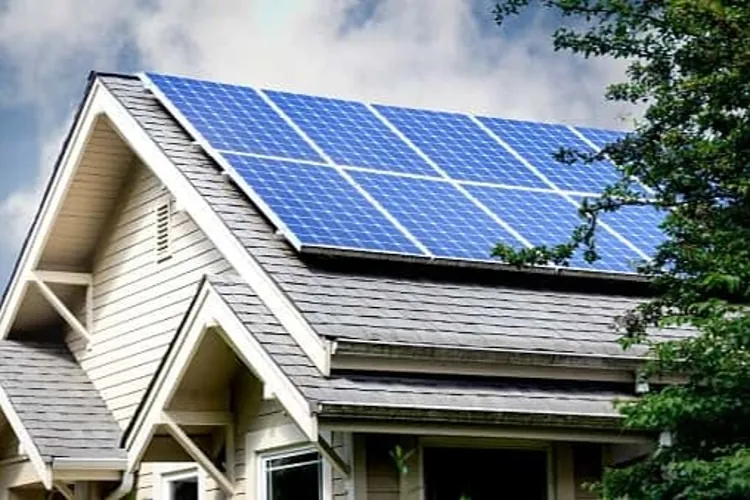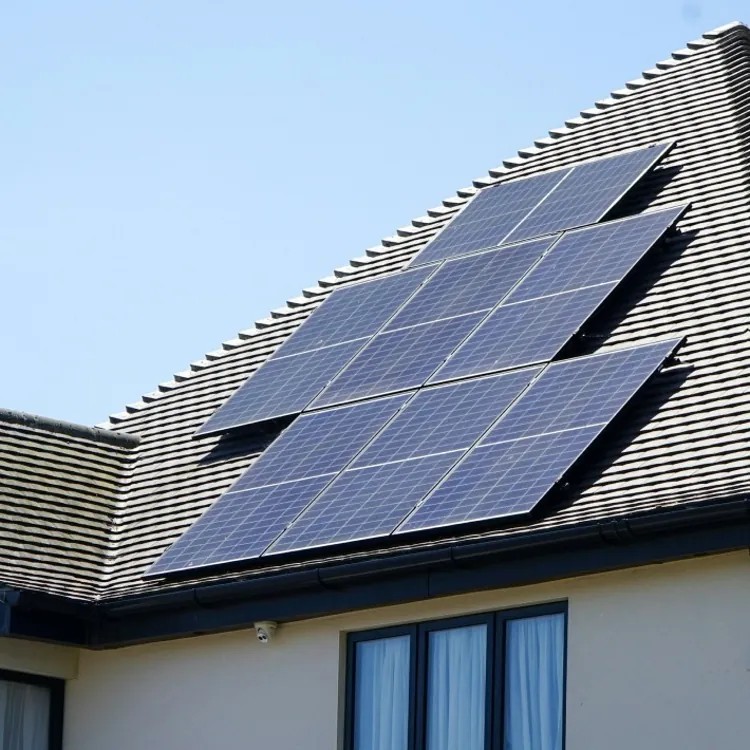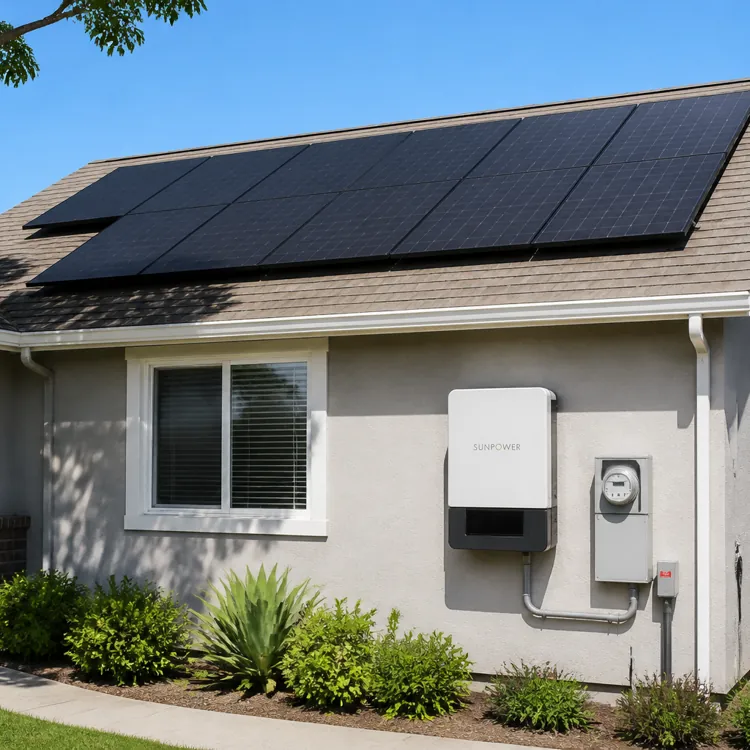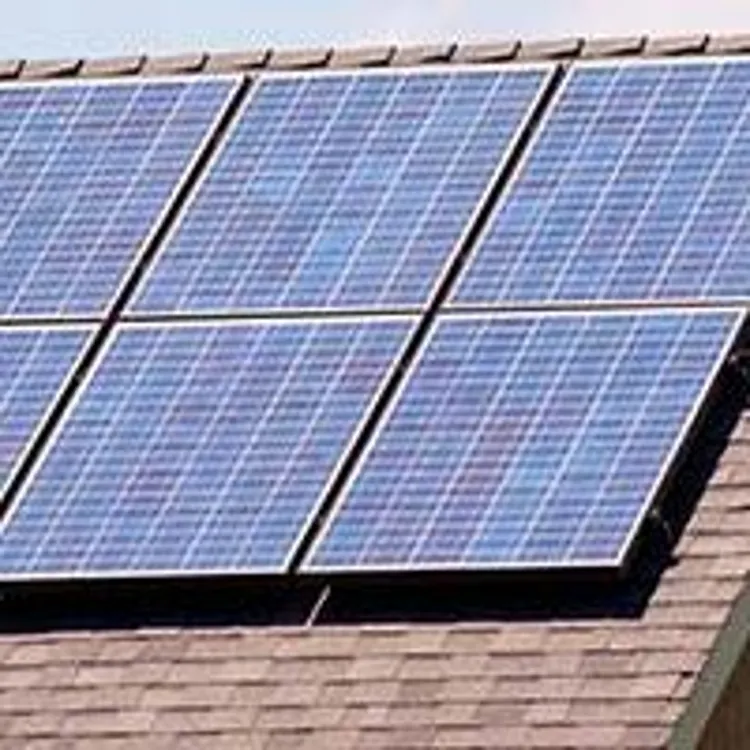




Do you need to replace your roof before installing solar panels?
You don’t always need to replace your roof before installing solar panels, but it’s often recommended if your roof is nearing the end of its lifespan. Because solar systems are designed to last decades, your roof should ideally have at least 20 years of remaining useful life. Otherwise, you may face additional costs down the road.
That’s because solar panels are mounted directly on your roof and must be removed before roof replacement. If you install solar on an older roof and later need to replace it, your installer will need to temporarily remove the solar system and reinstall it once the new roof is complete.
Modern residential solar panels are typically guaranteed to produce electricity efficiently for 25 to 30 years.
Removing and reinstalling a rooftop solar array typically costs $300 to $350 per panel, according to Forme Solar, excluding the value of lost energy production while the system is offline. Because many homes have 15 to 25 panels, this process can add several thousand dollars to the cost of a future roof replacement.
In many cases, the most cost-effective approach is to replace your roof shortly before or at the same time as installing solar panels. Doing both projects together can help you avoid paying to remove and reinstall the system later, and some installers may offer bundled project pricing if you complete the work at the same time.
» MORE: Best roofing companies
When should you replace your roof before going solar?
If you have asphalt shingles, you should generally replace your roof before installing solar panels if it’s more than 15 to 20 years old or showing signs of significant wear.
“For a newer-build home of less than five years, there is minimal concern of replacing the roof,” said Ty Sauer, a development manager with the RES Group, a large independent renewable energy company.
For a newer-build home of less than five years, there is minimal concern of replacing the roof.”
He added that homeowners with roofs that are 10 to 15-plus years old should “strongly consider having an inspector take a look before having panels installed” to determine how much lifespan the roof has left.
How to decide if you need a new roof for your solar system
Use the checklist below to help determine whether it makes sense to replace your roof before installing solar.
If you’re unsure about your roof’s condition or age, schedule a professional roof inspection before moving forward with solar installation.
1. Check the age of your roof: Your roof’s age is a primary factor in whether it needs replacement.
- 0 to 5 years old: Your roof should be in excellent condition. This is typically the best time to install solar panels.
- 5 to 10 years old: Your roof likely still has life left, but you may need a replacement midway through your solar system’s lifespan. Consider a professional roof inspection before installing panels.
- 10 to 20 years old: Many roofs in this range will need replacement at some point while the solar panels are still installed. If you go solar now, expect extra costs later to remove and reinstall the panels when reroofing.
- 20-plus years old: Most asphalt roofs reach the end of their lifespan around this point. It’s usually smarter to replace the roof before going solar. “There is a definite worn look when a roof gets to be 20 years old,” said Mark Plagge, a retired home builder and roofing specialist.
2. Look for signs of wear or damage: Even if your roof isn’t very old, visible issues may signal that it’s nearing the end of its lifespan. According to Plagge, common warning signs include cracked, missing or broken shingles and shingles with few granules remaining, which give the roof a worn appearance.
3. Consider the long-term cost: If you install solar on an aging roof, you may need to pay $5,000 or more later to remove and reinstall the panels during a roof replacement. Replacing the roof first can sometimes save money over the system's lifetime.
4. Check for incentives: Some contractors or local programs offer bundled incentives or financing when roofing and solar installations are done together, which can help reduce upfront costs.
» READ MORE: Cost to replace a roof
How your roofing material can affect your decision
Your roof material can influence whether you should replace your roof before installing solar panels because different materials have different lifespans.
- Asphalt shingles: Asphalt shingles typically last 15 to 30 years. If your roof is more than 15 years old, get an inspection and consider a replacement before installing solar panels.
- Metal roofing: Metal roofs can last 40 to 70 years, which often makes them well-suited for solar installations. In many cases, the roof will outlast the solar system itself.
- Tile roofing: Clay and concrete tile roofs can last 50 years or more, but they require careful installation since tiles can crack during the mounting process. If the structure underneath is sound, they generally work well with solar panels.
- Wood shake and flat roofs: Wood shake roofs typically last 20 to 30 years, while flat or membrane roofs may last 10 to 20 years, depending on the material. Because of their shorter lifespans or potential leak risks, these roofs should be carefully inspected before installing solar panels.
Is it worth going solar if you need a new roof?
Needing a new roof doesn’t necessarily mean solar isn’t worth it. The key is timing the two projects wisely so you avoid paying unnecessary costs later. Because solar systems typically last 25 to 30 years, installing them on a roof that will need replacement soon can affect the overall return on your investment.
Option 1: Wait and install solar with your new roof
If your roof is already nearing the end of its lifespan, it may be more cost-effective to wait and install solar when you replace the roof. Doing both projects together can prevent the extra expense of removing and reinstalling solar panels later.
This approach works best if you plan to stay in your home long enough to benefit from solar savings, since the biggest financial benefits typically occur over many years.
Option 2: Install solar now and plan for future removal
If your roof still has several years of life left, installing solar now may still make sense. Just keep in mind that when the roof eventually needs replacement, the solar system will likely need to be temporarily removed and reinstalled, which can add several thousand dollars to the project.
In some cases, installers include panel removal and reinstallation services in their contracts, which can reduce or eliminate this future cost.
Option 3: Consider ground-mounted solar
If your roof isn’t ideal for solar — due to age, condition or orientation — ground-mounted solar panels may be another option. These systems are installed on racks in your yard rather than on the roof, allowing you to move forward with solar without relying on your roof’s condition.
Weigh the long-term financial impact
Ultimately, whether solar is worth it depends on your specific situation. Solar panels can reduce electricity bills, increase home value and protect parts of your roof from weather exposure. According to Ty Sauer of RES Group, solar panels can even act as a protective “shield,” helping reduce wear from the elements.
However, installing solar out of sync with your roof’s lifespan can affect your overall return on investment. To make the best decision, compare roof replacement costs, solar installation quotes and financing options from multiple contractors before moving forward.
» MORE: Are solar panels worth it?
FAQ
How long do roofs last?
Most roofs with asphalt shingles last between 20 and 30 years these days, but the lifespan of an individual roof depends on the materials used, the workmanship of the roofers and the local climate.
While tile or metal roofs may last decades longer than average, asphalt shingles are the most commonly used roofing material in the United States, and according to Mark Plagge, the roofing specialist we spoke with, “Nowadays, they have some 30-year shingles, but under most circumstances, a roof will last 20 or 25 years.”
How much does a roof replacement cost?
According to several roofing professionals we spoke with, the average cost to replace a roof ranges from about $6,000 to $13,000. Your actual roof replacement cost will depend on many different factors, including the size, pitch and layout of your roof as well as whether you need related services, like gutter or chimney repairs.
How much does it cost to remove solar panels if you need a new roof later?
The cost of removing solar panels so you can get a new roof varies but generally lies somewhere between $2,500 and $6,000.
According to Forme Solar, the total cost to remove and reinstall a solar panel is between $300 and $350. That means a smaller 10-panel system would fall between $3,000 and $3,500, while a 19-panel system capable of powering the average house would cost between $5,700 and $6,650.
Can adding solar panels damage your roof?
Professionally installed solar panels rarely cause roof damage, but it is technically possible that improperly handled equipment can lead to unfortunate consequences. In the rare event that a licensed solar company damages your roof, your contract may include craftsmanship guarantees for the protection of your home and investment, though.
Can the same company that fixes your roof install your solar panels?
There are a lot of companies that can replace your roof and install your solar panels, but not all do. If your roofer does not offer solar services, it’s very likely they have a trusted partner or can recommend someone in the area they know will be able to help, though.
What is a solar roof?
A solar roof is an example of a building-integrated photovoltaic (BIPV) system, meaning solar-energy-generating equipment is part of the building materials. Today’s solar roofs are usually made up of many individual “solar shingles,” which resemble traditional roofing materials while actively producing emission-free electricity.
Article sources
ConsumerAffairs writers primarily rely on government data, industry experts and original research from other reputable publications to inform their work. Specific sources for this article include:
- Forme Solar, "Cost to Remove Solar Panels." Accessed March 11, 2026.