Holiday foods pose hidden toxicity risks for pets, with emergency clinics reporting spikes in chocolate, onion, and alcohol poisonings.
Decorations and gifts account for a surge in injuries, including ingestible ornaments, batteries, and hazardous plants.
Seasonal stress and extreme weather can worsen anxiety and lead to dangerous outdoor conditions for dogs and cats.
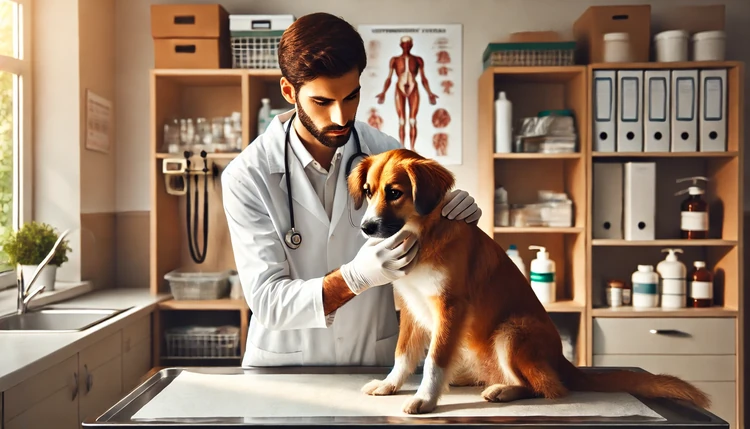
As families across the country gear up for holiday celebrations, veterinarians are issuing new warnings: the festive season consistently brings one of the busiest periods for pet emergencies.
From toxic foods to dangerous décor, experts say many well-loved traditions come with risks that can turn a joyful gathering into a visit to the emergency clinic.
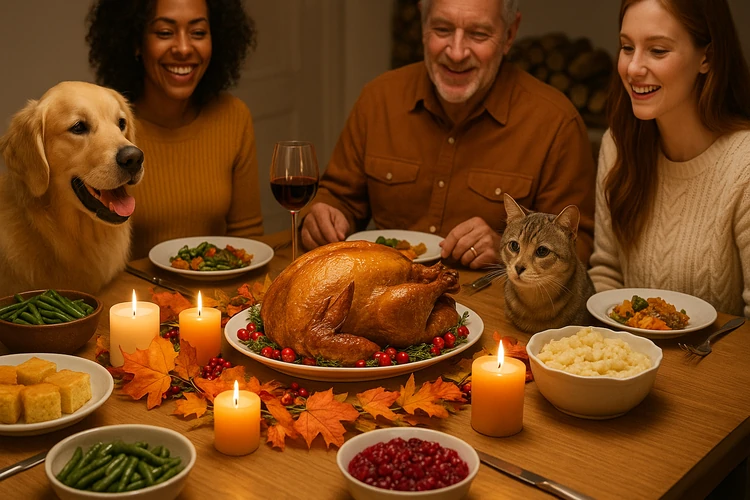
Each year, veterinary poison control hotlines see dramatic increases in calls related to holiday foods. Chocolate remains the top culprit, particularly dark and baking varieties, which contain higher concentrations of theobromine, dangerous even in small amounts for dogs and cats. Xylitol, a sweetener found in cookies, gum, and many “sugar-free” products, can cause rapid insulin spikes and life-threatening hypoglycemia in dogs.
Other seasonal staples also pose hidden risks:
Onions, garlic, and chives can damage red blood cells, leading to anemia.
Alcohol and unbaked yeast dough may cause dangerous intoxication or bloat.
Turkey bones and fatty trimmings can trigger choking or severe pancreatitis.
Veterinarians stress the importance of securing food waste and keeping counter-surfing pets away from plates and gift baskets.
Festive decorations that end in emergency surgery
From twinkling lights to shiny ornaments, household décor becomes a minefield for curious pets. Cats, in particular, are drawn to tinsel and ribbon—materials that can cause intestinal blockages requiring surgery. Dogs are more likely to chew on or swallow holiday lights, batteries, or small toy pieces, resulting in electrical burns or heavy-metal poisoning.
Popular seasonal plants also raise red flags:
Poinsettias can cause stomach upset.
Lilies, often included in holiday bouquets, are extremely toxic to cats and can lead to kidney failure.
Mistletoe and holly contain toxins that may trigger severe gastrointestinal and cardiovascular reactions.
Experts advise anchoring Christmas trees, covering electrical cords, and avoiding hazardous botanicals altogether.
Other complications
Cold snaps and icy conditions create additional challenges. Outdoor cats may seek warmth under car hoods, while dogs can suffer frostbite or hypothermia faster than many owners expect. Icy sidewalks also mean more slipping injuries—especially for senior pets.
Meanwhile, the holidays can be emotionally taxing for animals. Crowded gatherings, fireworks, and disruptions to routine often cause anxiety, leading to escape attempts or destructive behavior. Boarding facilities and travel compound the risks if pets are not properly identified, vaccinated, and supervised.
While holiday emergencies are common, they are largely preventable. Veterinarians recommend:
Keeping toxic foods and plants out of reach.
Supervising interactions with decorations and gifts.
Maintaining routines as much as possible amid travel and festivities.
Ensuring microchips and ID tags are up to date.
For many families, pets are central to holiday celebrations. With awareness and preparation, experts say the season can remain joyful—and safe—for dogs and cats alike.