2022 Pet Care and Wellness

Article Image

Many dog owners don't follow guidelines on pet food handling, study finds

A new study conducted by researchers from North Carolina State University explored how ignoring pet food handling guidelines may pose health risks to consumers and their pets. 

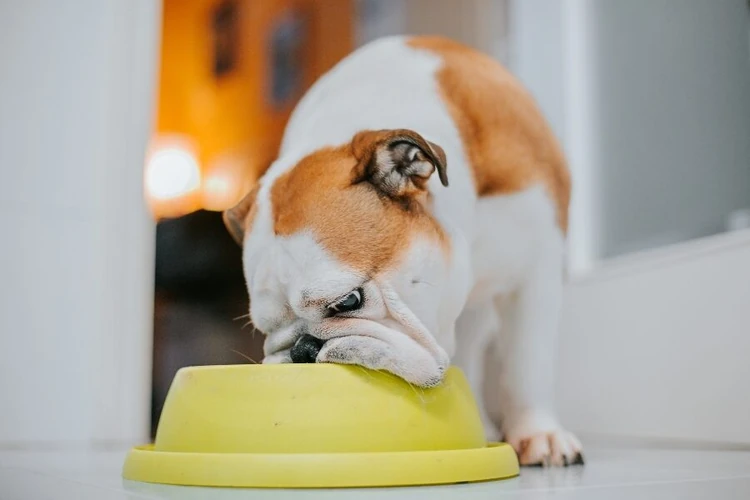
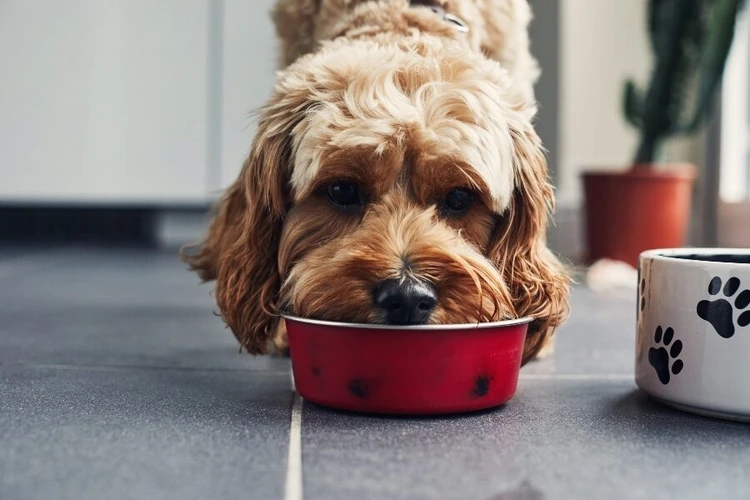
According to the findings, many dog owners are unaware of important guidelines regarding handling dog food. They explained that dog food bowls are a breeding ground for many kinds of bacteria and that it’s important for consumers to keep things clean to avoid contamination. 

“Most pet owners are unaware that pet food bowls can be a hidden source of bacteria in the household,” the researchers wrote. “Knowing how to mitigate this risk and practice proper pet food storage and hygiene may make for a happier, healthier household.” 

Avoiding health risks

The researchers divided the study into two parts to better understand consumers’ knowledge of FDA guidelines for handling pet food and the potential health risks for both dog owners and their pets when these guidelines fall by the wayside. 

The first part of the study included a survey of nearly 420 dog owners. The researchers asked respondents if they were aware of the FDA’s pet food handling guidelines and if they followed them. It was overwhelmingly clear that the dog owners were unaware of the FDA guidelines; just five percent of the group reported knowing about the precautions to take when feeding their pets. Additionally, just one-third of the survey respondents said they washed their hands before and after feeding their pets. 

To understand the health risks associated with ignoring these guidelines, the researchers tested nearly 70 dog bowls for different kinds of bacteria. They then had the dog owners handle their pet’s food in a variety of different ways for one week. When the owners followed the FDA guidelines, the dog bowls were much less likely to be contaminated with any kind of bacteria. 

Following the FDA guidelines

While the team plans to do more work in this area to better understand the health risks for dog owners and their pets, they hope these findings encourage consumers to follow the FDA’s guidelines for handling pet food. 

Some of their tips include: 

  • Washing hands with soap for at least 20 seconds before and after feeding and any snacks.

  • Washing food bowls and utensils with soap and hot water after each use.

  • Using clean utensils to scoop pet food for each use.

  • Throwing out old pet food in a safe way.

Consumers can view all of the FDA's safety tips by visiting the agency's website here. 
Article Image

Pet insurance could save you money in the long run

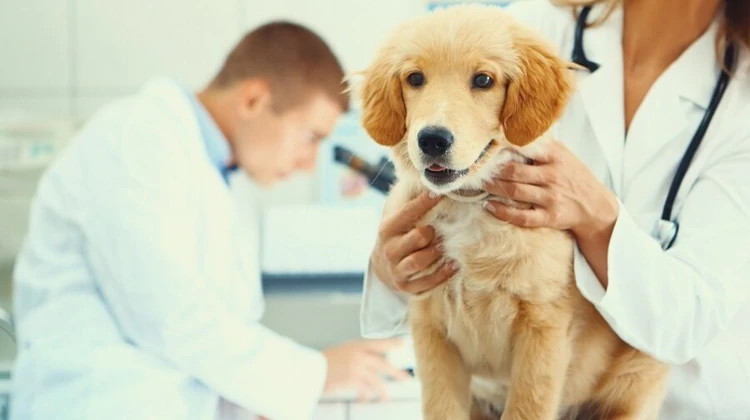
The cost of health care has skyrocketed in recent years, not only for people but also for their pets. According to Care Credit, the average first-year cost of veterinary care for a medium-size dog is $1,779, and the average cost of care for a cat is $1,174.

The Better Business Bureau (BBB) says pet insurance can cover unexpected veterinary bills and, in some cases, routine wellness expenses. However, policies vary greatly in price and coverage.

The BBB has published a guide to selecting a pet insurance policy. It suggests that consumers first investigate different policies and what they offer. For example, accident-only coverage offers reimbursement for accidental injuries only, such as ingesting a toxin or breaking a bone. Accident and illness coverage includes reimbursement for common illnesses like cancer or genetic conditions.

It could mean the difference in getting care

Kim, of Portland, Ore., has a policy with Healthy Paws Pet Insurance and, in her line of work, sees firsthand how important the right coverage can be.

“I am a veterinarian and see pets all the time that cannot receive care because of financial limitations,” Kim wrote in a ConsumerAffairs review. “Even receiving a discount on services, I have been able to offer my pets care that I wouldn't be able to offer without insurance.”

The BBB says it's important to decide on the right type of coverage. While accident-only coverage is generally the least expensive, it might not be right for an indoor dog that may live into “old age” and have a growing list of medical needs.

Regarding age, it will be more cost-effective to insure a pet when it is young and healthy. Waiting until problems develop will be more expensive. It may also be too late because the insurance company may decline to insure your pet because of pre-existing conditions.

How payments work

It’s also important to understand how pet insurance payments work. Unlike human health care providers that usually bill an insurance company, most veterinarians will expect payment for services when they are rendered. The policyholder then files a claim with the insurance company and is reimbursed by the insurance company.

According to the BBB, waiting periods vary between insurers and can even vary depending on the type of treatment. For example, wellness visits can have a different waiting period than accident coverage within the same plan.

There may be ways to save money on a policy by receiving discounts, so it’s important to ask. Some policies offer multi-pet discounts, discounts for spayed or neutered pets, or military discounts. 

Article Image

Owning a pet slows the rate of cognitive decline in older consumers, study finds

While recent studies have shown how owning a pet has benefited consumers during the COVID-19 pandemic, a new study has explored the brain health boost pets can bring at any time. 

According to researchers from the American Academy of Neurology, owning a pet, especially for five or more years, may slow the rate of cognitive decline in older consumers. 

“Prior studies have suggested that the human-animal bond may have health benefits like decreasing blood pressure and stress,” said researcher Dr. Tiffany Braley. “Our results suggest that pet ownership may also be protective against cognitive decline.” 

Pets keep owners’ brains sharp

For the study, the researchers analyzed data from nearly 1,400 older adults enrolled in the Health and Retirement Study. Over the course of six years, participants took several cognitive tests that evaluated their word recall, numerical counting, and subtraction, among other cognitive skills. 

Of the participants involved in the study, 53% were pet owners and 32% were long-term pet owners. Overall, pet owners’ cognition declined at a slower rate than non-pet owners. Those who had had their pets for five years or more performed even better on the cognitive assessments, scoring 1.2 points higher than non-pet owners at the end of the study. 

While the researchers accounted for several factors that could impact cognition, they also evaluated how certain demographic factors came into play. They learned that the link between pet ownership and cognitive function was strongest for men, Black adults, and those with college degrees. 

The researchers explained that more work is needed to better understand why pet ownership has such an impact on cognitive function. However, the findings highlight important information for older consumers who also have a furry friend at home. 

“As stress can negatively affect cognitive function, the potential stress-buffering effects of pet ownership could provide a plausible reason for our findings,” Dr. Braley said. “A companion animal can also increase physical activity, which could benefit cognitive health. That said, more research is needed to confirm our results and identify underlying mechanisms for this association.” 

Article Image

Diets high in protein and fiber may be best for overweight dogs, study finds

A new study conducted by researchers from the University of Illinois at Urbana-Champaign explored some of the dietary changes that can help overweight dogs. According to their findings, sticking to a diet that it’s high in both protein and fiber can help heavier dogs reach a healthy weight and improve their overall health outcomes. 

“Some of the problems we see in humans with obesity also occur in pet dogs,” said researcher Kelly Swanson. “There’s added stress on the joints, there’s an intolerance to exercise and heat; there’s also glucose intolerance, insulin resistance. And if you look at pet insurance claims, obesity is a big factor there.” 

Making healthier diet choices for dogs

To better understand how a different diet may impact overweight dogs, the researchers tested how a diet that was high in protein and fiber impacted important health outcomes, including physical activity, blood metabolites, and body composition. There were 12 female dogs involved in the study, and they were fed high-protein and high-fiber diets over the course of 24 weeks. 

The researchers learned that these dietary changes were beneficial for the dogs. They lost more than 31% of their body weight by the end of the study, and their fat percentage decreased by 3.1 kilograms on average. 

The diet also led to benefits in other important health outcomes, including lower levels of triglycerides and insulin. Similar to humans who struggle with obesity, the researchers explained that these health markers are significant for overweight dogs.

The researchers found that a high-protein and high-fiber diet also helped the dogs get to a healthy weight while maintaining their muscle mass. As the dogs lost weight and became healthier, their inflammation also improved.

Moving forward, the researchers hope consumers understand how their dogs’ diets can influence their long-term health outcomes. For overweight dogs, incorporating more protein and fiber can help improve overall health and wellness.