
Many simple foods are safe to share with dogs, but pet owners should avoid foods like grapes, raisins, onions, garlic, chocolate, xylitol, alcohol, and cooked bones.
Raw-fed dogs may face additional risks from contaminated food, so pet owners should pay close attention to recalls, lot numbers, storage, and food-handling practices.
Keep an eye out for signs of illness after a possible exposure, including vomiting, diarrhea, loss of appetite, lethargy, abdominal discomfort, fever, or sudden behavior changes.
For pet owners, a recalled food doesn't necessarily stay on the human side of the kitchen. Dogs may eat table scraps, fruits and vegetables, or ingredients used in homemade meals, which means they can also be exposed to contaminated food.
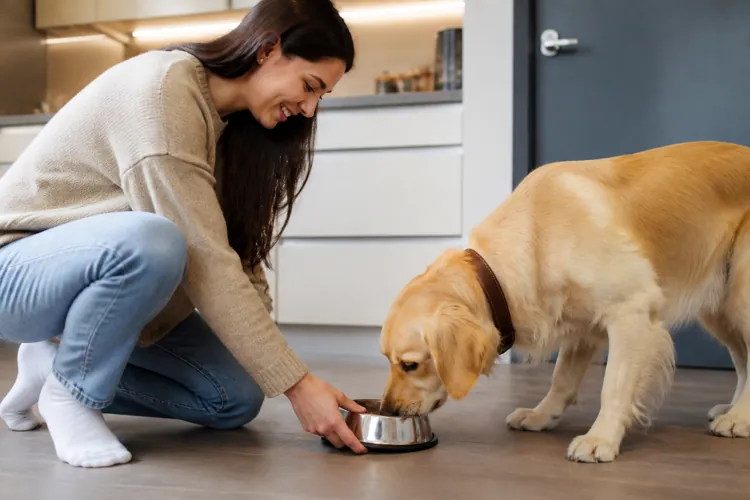
With recalls affecting everything from produce and prepared foods to pet food and raw ingredients, it's worth taking a closer look at what's ending up in your dog's bowl.
ConsumerAffairs spoke with Dr. Gary Richter, DVM, founder of Ultimate Pet Nutrition, who explained what pet owners should know about sharing human foods with their dogs, taking extra precautions with raw diets, checking for recalled ingredients, and recognizing potential signs that a dog may have eaten something contaminated.
Safe foods for sharing with pets
As a pet owner, it can be hard not to share what’s on your plate with your pets. However, for their health and safety, it’s important to know how to safely share food with your furry friends.
“Many simple, minimally seasoned foods can be safely shared with dogs, including lean cooked meats, eggs, carrots, green beans, blueberries, apples without the seeds, and small amounts of plain pumpkin or sweet potato,” Dr. Richter said.
“The important thing is to keep foods plain (unseasoned) and avoid known hazards such as grapes and raisins, onions and garlic, chocolate, macadamia nuts, xylitol, alcohol, and cooked bones.”
Taking extra precautions
When feeding pets raw food, Dr. Richter encourages pet owners to take some extra precautions – especially as recalls and health risks abound.
“Raw food requires some additional vigilance because it does not have a traditional cooking step to eliminate bacteria such as Salmonella, E. coli, and Listeria, although some commercial raw foods use pathogen-reduction processes such as HPP,” he said.
“During periods of increased recalls, check lot numbers carefully, follow manufacturer notices, keep raw food properly frozen or refrigerated, wash hands and food-contact surfaces thoroughly, and don't leave thawed food sitting out.”
Dr. Richter also explained that the FDA maintains current recall information for both human and pet foods, and pet owners can check the product name, manufacturer, lot number, and expiration or best-by date on the FDA’s website.
“If you're uncertain, contact the manufacturer directly, they should be able to tell you whether your specific package is affected,” he said.
Another tip: keep the original packaging or take a photo of the label and lot number when you open a new bag or package. If a recall is announced later, you'll have exactly the information you need to determine whether your pet's food is affect
Knowing the signs of contamination
Dr. Richter also wants pet owners to know the signs to look for in case a pet has accidentally eaten contaminated food.
“The most common signs are vomiting, diarrhea, loss of appetite, lethargy, abdominal discomfort, fever, or a sudden change in behavior, although symptoms vary considerably depending on the contaminant,” he said. “If your dog develops significant symptoms after eating a recalled product, or you suspect they may have consumed something potentially dangerous, contact your veterinarian rather than waiting to see if it resolves on its own.”