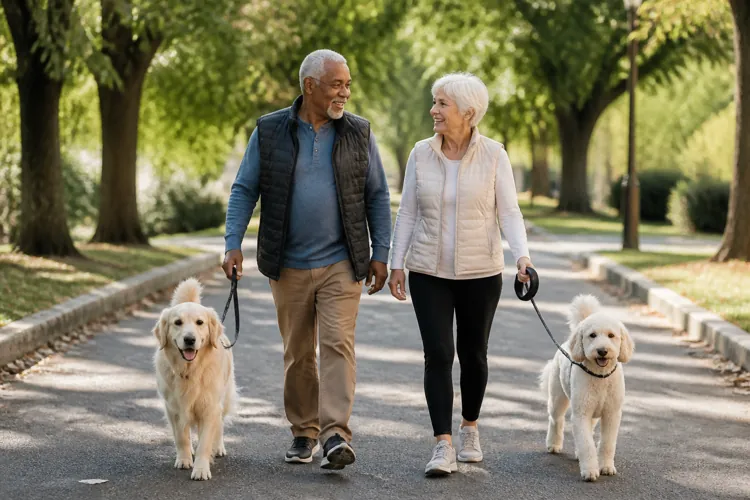

A survey of 900 adults aging alone found that pets may help reduce loneliness, ease stress, and improve emotional wellbeing.
Dog owners reported the highest physical activity levels, while cat owners also described ways their pets encouraged daily movement and routine.
Researchers say planning for pet care, costs, and emergency support can help older adults enjoy the benefits of companionship.
Pets may offer more than companionship for older adults who live alone and lack regular support from friends or family. New research from Mather Institute suggests that having an animal in the home could help these individuals stay active, feel better emotionally, and maintain social connections as they age.
The findings are particularly relevant as more older adults navigate life without a built-in support network. Pets can provide a sense of purpose and structure to everyday routines, while activities such as walking a dog or chatting with other pet owners can create opportunities to connect with people.
The study focused on how pet ownership relates to healthspan, or the number of years a person remains in good health and enjoys a good quality of life.
“One of the things this research reminds us is that healthspan is about more than medical care,” Jennifer Smith, vice president of Mather Institute, said in a news release. “Social connection, purpose, and physical activity can make a world of difference – and pets can help support all three. Even a 10-minute walk with your dog can create opportunities to be active and connect with others. For many, pets also provide companionship and emotional support. We hope this report highlights the meaningful role a furry friend can play in aging well.”
How researchers studied pet ownership and well-being
Mather Institute surveyed 900 adults aged 55 and older who were aging alone. The organization describes solo agers as people who live alone and do not regularly have family or friends available to support them.
Researchers examined participants' experiences with pets, including their reported emotional wellbeing, stress, physical activity, and social interactions. The survey also explored differences between people who owned dogs, those who owned cats, and those who did not have pets.
The findings reflect participants' reported experiences rather than proving that pet ownership directly causes improvements in health. Still, the results offer insight into how animals may fit into the everyday lives of older adults who have limited social support.
What the results could mean for consumers
The survey revealed several encouraging connections. Seventy-six percent of participants reported better emotional wellbeing associated with their pets, while 62% said their pets helped reduce stress. Another 45% reported increased physical activity, and nearly half said their pets helped ease loneliness.
Dog owners reported the highest physical activity levels, scoring 42% higher than adults without pets. Meanwhile, cat owners described smaller bursts of movement through feeding, playtime, and household routines.
The results also varied by age. Among adults ages 55 to 64, dog owners reported fewer depressive symptoms and better overall wellbeing than cat owners. For participants ages 75 and older, cat owners reported fewer depressive symptoms than their dog-owning counterparts.
For consumers considering a pet later in life, the findings suggest companionship could be a meaningful part of staying connected and active. However, researchers also highlighted practical challenges, including financial pressures, the time required to care for an animal, and uncertainty about who could step in during an emergency.
Mather Institute recommends matching pets to an owner's health and lifestyle, identifying trusted backup caregivers, and seeking community programs that can help with tasks such as dog walking or veterinary visits. These preparations may make pet ownership more manageable while helping older adults enjoy the companionship animals can provide.