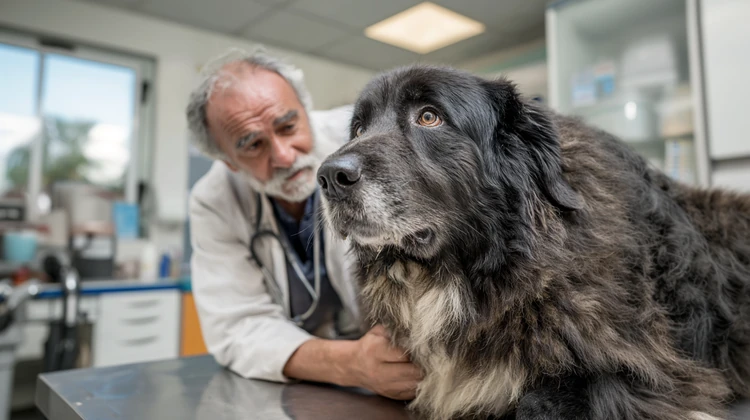

Get ahead of vet costs: Stay on top of preventive care, ask “what’s essential vs. wait,” and price-shop clinics — this is where the big money leaks happen.
Be strategic with everyday spending: Compare food by cost per serving, use low-cost clinics for basics, and always price-check meds before buying.
Trim recurring expenses: DIY grooming, shop outside pet stores, and have an emergency fund + affordable ER vet lined up in advance.
Let’s be honest, pets can be really expensive. Food, vet visits, medications, grooming, toys, emergencies… it’s easy to feel like you’re constantly swiping your card.
But here’s a mind-shift worth considering: The goal isn’t to spend less on your pet. The goal is to eliminate waste and control the big-ticket costs before they control you.
This is the exact playbook pet owners use to cut hundreds (even thousands) a year without sacrificing care.
Vet bills: Control the biggest expenses
Consider building a preventive care system for your pet.
Most expensive vet bills start as small, manageable issues, that can snowball quickly if ignored.
- A minor dental issue turns into surgery.
- A small infection turns into an emergency visit.
- Missed vaccines turn into bigger problems.
Set-up a simple system to help with this:
- Put an annual checkup on your calendar.
- Track needed vaccines by "due date."
- Include dental check reminders.
Think of this more like routine car maintenance. If you skip it, it will almost always cost you more down the road.
Always ask for 'must-do' vs 'nice-to-do'
This is one of the most powerful questions you can ask your vet:
“What’s essential today, and what can wait?”
When you ask that question, most vets will often present you with the following:
- Ideal treatment plans
- Additional tests
- Preventive add-ons
That doesn’t mean you need to say “Yes” to everything immediately. By asking the question, you can prioritize (with your vet) on what’s urgent, and plan the rest for down the road.
Shop vet pricing (yes, really)
The prices a vet charges can vary more than people think. How much overhead do they have? How much have they invested in tech? What you pay in your final bill is often dictated by these things.
Call around and ask about:
- Exam fees
- Vaccine costs
- Dental cleaning prices
It’s typical that you’ll find some fairly significant price differences:
- $65 vs $100 exam fees.
- Huge price differences in procedures.
Don’t be afraid to call around and ask. You might end up finding that making a further drive to a more affordable vet will more than pay for itself over time.
Use low-cost clinics for basics
Split your care strategy by taking your pet to low-cost clinics for certain things.
Specifically, consider using low-cost clinics for:
- Vaccines
- Routine exams
- Preventive care
- Spaying or neutering
Then use your main vet for:
- Illness
- Ongoing conditions
Using a hybrid approach like this is one of the easiest ways to save.
Pet food: Your most controllable monthly cost
Pet food is heavily branded and the marketing budget behind it is staggering.
Instead of focusing on hype or marketing, check the following:
- AAFCO certification
- Real protein listed first
- Balanced ingredients
Keep in mind that it’s possible to feed your pet well without paying luxury prices.
Also, when shopping for pet food, think in terms of price-per-pound, not the actual price of the bag. This is where some people can get tricked into buying the wrong bag, as a “cheap” bag might actually cost more per serving. Always calculate cost per pound or per serving, and pay attention to that number.
Pro tip: The Kirkland brand dog food at Costco is worth checking out. It’s actually made by a big name-brand manufacturer and is AAFCO certified — and my vet recently told me that it’s a solid budget choice.
Medications: Where savvy shoppers save big
This is one of the most overlooked savings areas for pet owners. The most important takeaway is to never assume that your vet has the best price on pet medications.
Be sure to ask for the prescription and price compare:
- Online pet pharmacies like Chewy.com
- Big-box stores and warehouse cubs
- Human pharmacies
Also, try to buy longer-term supplies if possible and you’ll save money. If your pet uses something regularly like flea and tick meds or heartworm medication, try a six-month or 12-month supply. You’ll typically end up with a lower cost per dose that will save you some money.
Pro tip: Ask for generics and written prescriptions. Always ask: “Is there a generic version?” or “Can I get a written prescription?” Then you can compare prices elsewhere.
Emergency costs: Plan ahead or pay the price
Consider building a small emergency fund for your pet(s). Even if you can only add $10–$25/month to the fund, it will add up quickly.
Also, it’s really smart to know your emergency options ahead of time.
Before you need them, do the following:
- Find local emergency vets.
- Understand their pricing.
- Know their business hours, especially on weekends and holidays.
Pro tip: Be proactive and ask your vet the following question now: “If something happens after hours, who do you recommend that’s affordable?”
Vets know which emergency clinics in your area are reasonable vs. ridiculously expensive. By asking the question now, you’re not price comparing when a true emergency happens, you know exactly where to go.
Grooming: Reduce frequency, not care
Grooming doesn’t have to be an ongoing expense. Consider building a simple at-home routine instead. As a guy who trims our dogs monthly, believe me, you don’t need to be a pro to learn how to give them a nice trim.
Invest in basic grooming tools once. Buy a set of quality clippers, brush, and grooming supplies. A one-time investment easily replaces recurring costs.
Then just hit up YouTube and do a search for “YOUR DOG BREED haircut,” and you’ll find a tutorial to get you going in the right direction.
Also, if you want to stay with the pro groomer, consider stretching those visits. Instead of going every four weeks, try every six to eight weeks instead. Then you can do more of the maintenance grooming and skip some of the professional visits.
Also, look for self-service wash stations if you can’t do it from home. Many pet stores offer full wash setups for you furry friends, often with tools included. They will be much cheaper than full-service grooming.
Consider shopping outside of pet stores
While pet stores are definitely convenient, they tend to be on the expensive side.
Instead, check places like:
- Costco
- Sam's Club
- Discount retailers like TJ Maxx, Ross, and Big Lots
- Local thrift stores and Goodwill.
You can often find pet supplies like beds, toys, treats, and bowls, for 30-50% cheaper than your big-box pet stores.
Try to buy durable items and not products that feel disposable, even if it means spending slightly more on the initial purchase.