





2025 Child Safety

Article Image

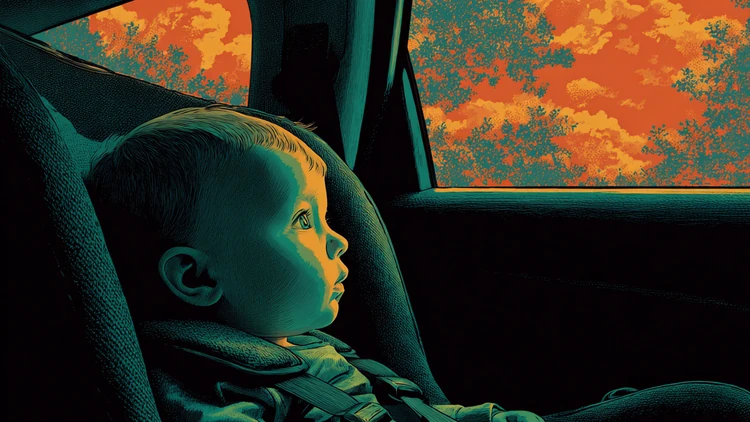
California baby dies in hot car while mother gets lip filler

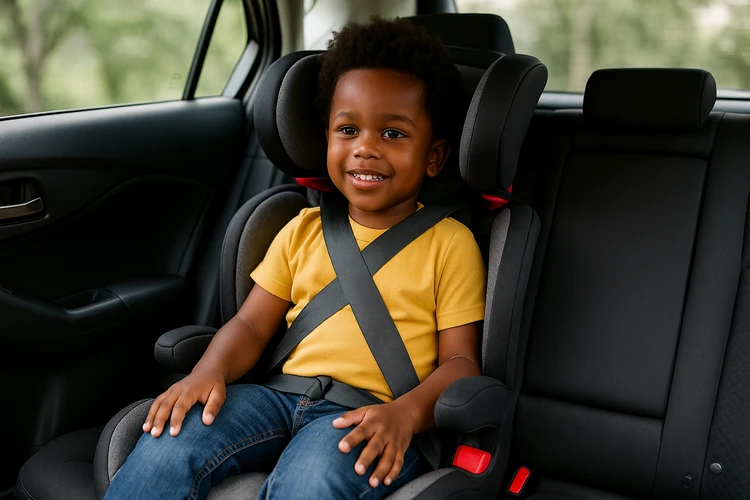
A baby in California died last week after his mother left him and his 2-year-old sibling inside a car while she was getting lip filler at a Bakersfield medical spa on a 101-degree day, authorities said.

Bakersfield Police criticized Maya Hernandez for “placing the value of her appearance over the safety and well-being of her children” in a report filed in Kern County Superior Court.

It was the latest in a series of similar deaths. In Belcamp, Maryland, a 6-month-old baby died on Sunday after it was left inside a vehicle. In Silver Spring, Maryland, a baby died under similar circumstances on May 7.

There have been at least 14 such deaths so far this year. 

Nationwide, at least 1,139 children have died in hot cars since 1990 and at least another 7,500 survived with varying injuries, according to data collected by the non-profit Kids and Car Safety.
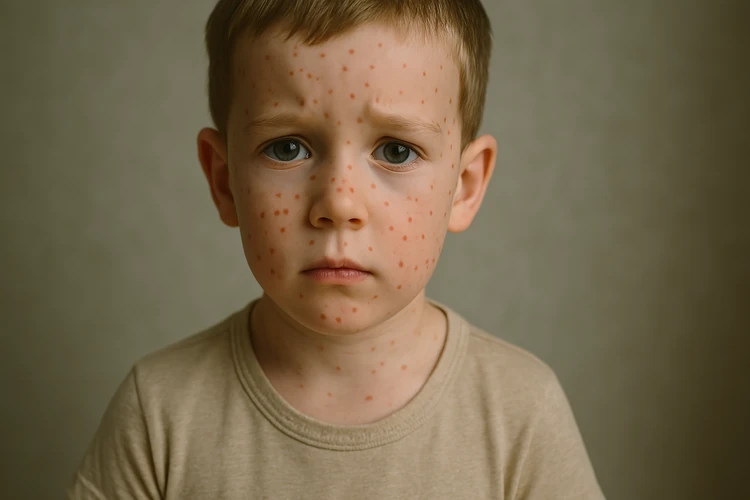
Approximately 88% of children who die in hot cars are age 3 or younger and the majority (55%) were unknowingly left by an otherwise loving, responsible parent or caregiver.

90 minutes in a hot car

It is estimated that Hernandez’s children were in the vehicle without air-conditioning for 90 minutes, wrote Det. Kyle McNabb, noting that the internal temperature of a car can rise to a blistering 143 degrees in just one hour of 100-degree weather.

Hernandez told police she found her baby foaming at the mouth and having an apparent seizure after emerging from her procedure at Always Beautiful Medical Spa, according to the police report.
Hernandez’s 2-year-old child recovered from the ordeal and has since been placed in protective custody, according to the police report.
Now the 20-year-old mother has been charged with one felony count of involuntary manslaughter and two felony counts of willful cruelty to a child, according to the Los Angeles Times.
Article Image

U.S. kids' health in decline, study finds

  • A new study found that more than one in five U.S. children now have multiple chronic health conditions.

  • The study also found that developmental, behavioral, and mental health issues are all rising.

  • Overall child health improved from 2016 to 2020, then reversed during the pandemic.


A new study led by researchers at Children’s Hospital of Philadelphia (CHOP) has uncovered a troubling trend: children's overall health in the United States is getting worse. 

Published in JAMA in July 2025, the study shows that more American children are facing a combination of physical, mental, and developmental health issues than in years past.

While there was a period of progress between 2016 and 2020 — where rates of chronic conditions and disability went down — researchers found that this progress stalled and then reversed during and after the COVID-19 pandemic. The findings raise concerns about the long-term impact of the pandemic on children’s health and well-being, especially among those from lower-income households.

“In the course of conducting this study, there wasn’t a single statistic that was startling, but instead comprehensive data over several years including millions of children all pointed to the same trends, which was an overall decline in the health of children and youth,” senior study author Christopher B. Forrest, M.D., Ph.D., said in a news release. 

The study

The research team analyzed data from the National Survey of Children’s Health, which includes parent-reported health information on over 200,000 children aged 0 to 17.

They focused on three main categories of child health:

  1. Chronic physical conditions (like asthma or allergies)

  2. Developmental or behavioral conditions (like ADHD or learning disabilities)

  3. Mental health conditions (like anxiety or depression)

Researchers then grouped children by how many types of conditions they had: none, one, or two or more. They tracked these trends from 2016 through 2021 to see how things changed over time.

Importantly, the study didn’t just look at medical diagnoses — it also considered broader impacts like disability, access to care, and how many children were affected across multiple areas of health.

The results

The results were concerning. In 2021:

  • Nearly one in four children (23.6%) had two or more health conditions, up from 20.4% in 2016.

  • Children with no health conditions dropped from 45.3% to 39.4%.

  • Mental health conditions, especially among teens, were on the rise.

  • Children in lower-income households were more likely to have multiple chronic health issues.

The study also highlighted how progress in children's health from 2016 to 2020 was essentially erased during the pandemic. In fact, some health indicators have now worsened beyond pre-pandemic levels.

Researchers say these findings should be a wake-up call for policymakers and health care providers. The growing number of children dealing with complex, overlapping health issues means that the current pediatric health system may need to evolve to better support families.

“Children are naturally resilient and adaptive,” Forrest said. “If we can improve the ecosystems that surround them and meet the challenges we identified in this study, we can lay the foundation for a healthier future for our nation’s youth.”

Article Image

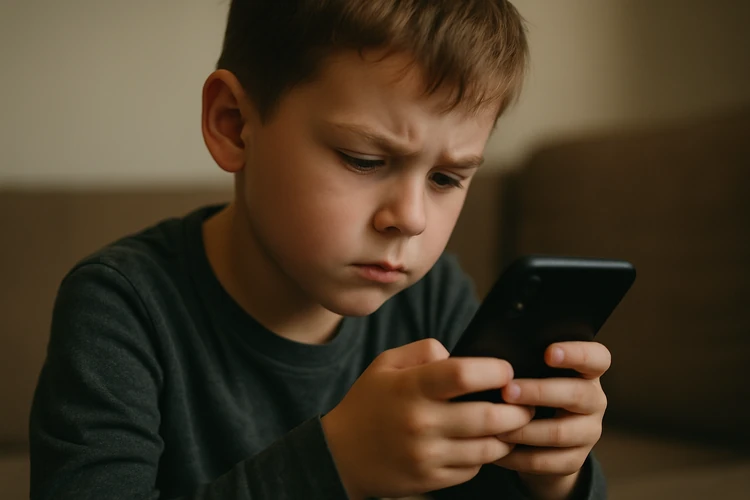
Florida attorney general sues Snap, claiming harm to children

Key Points:

  • Florida Attorney General James Uthmeier has filed a lawsuit against Snap, Inc., alleging violations of state laws designed to protect children from harmful online content.

  • The suit claims Snapchat's addictive design features and lack of age safeguards expose minors to drug dealers, sexual predators, and explicit content.

  • Florida's HB 3 law requires parental consent for users under 16 and prohibits addictive app features for young users, which the Attorney General says Snap has violated.

Florida Attorney General James Uthmeier has launched a legal battle against Snap, Inc., the parent company of the social media giant Snapchat, alleging that the company has violated state laws by knowingly endangering children through its platform.

At the heart of the lawsuit is Florida’s HB 3, a law passed in 2024 and signed by the governor, which aims to curb behavioral addiction among minors using social media. The statute targets five specific app features deemed “addictive,” of which Snapchat is accused of using four: infinite scrolling, push notifications, auto-play videos, and engagement tracking tools such as SnapStreaks.

“Snap is deceiving Florida parents about the dangers children face on the app,” said Uthmeier in a statement. “We take the safety and security of children very seriously, and as part of our mission to make Florida the best place to raise a family, we are holding social media platforms that harm children accountable.”

Alleged violations of child protection laws

HB 3 prohibits social media platforms from offering accounts to users known to be 13 years old or younger, and requires explicit parental consent for users aged 14 and 15. The attorney general’s office contends that Snap, Inc., is defying this mandate by promoting the app as safe for children as young as 13 without meeting the legal consent requirements.

The suit further asserts that Snapchat exposes minors to a range of inappropriate content, including profanity, nudity, drug and alcohol use, and sexually suggestive material. It also alleges that the app provides a conduit for dangerous individuals, including drug dealers and sexual predators, to reach underage users with relative ease.

Wider implications?

Snap, Inc. has previously acknowledged its responsibility under HB 3 in separate legal proceedings, yet according to the state, it continues to disregard the law. The complaint portrays this as an intentional act of deception directed at parents and guardians.

This case could have significant implications for how social media platforms operate in Florida and possibly beyond. If successful, it could pave the way for other states to enact or enforce similar regulations.

The attorney general’s office did not specify the penalties being sought, but emphasized that the legal action is part of a broader commitment to making Florida “the safest state in the nation to raise a family.”

Article Image

Groups organize to end child labor in the food industry

Key takeaways:

  • New national campaign targets top meat processors Perdue, JBS, Tyson, and Cargill for child labor violations.

  • Effort includes grassroots mobilization, consumer petition, and advocacy to strengthen child labor protections.

  • Comes amid disturbing rise in child labor abuses in U.S. meat processing facilities.


Once considered a dark chapter in America’s past, child labor is making a grim resurgence—this time in the heart of the country’s food production industry. In response, Green America and the Child Labor Coalition (CLC) have launched a national campaign to end labor violations and the exploitation of children by some of the nation’s largest meat processing companies.

The campaign targets Perdue Farms, JBS, Tyson Foods, and Cargill—four industry giants with documented cases of employing underage children in hazardous conditions, the groups said. The initiative will mobilize consumers through petitions and enlist the support of allied grassroots organizations nationwide to push for sweeping reforms in the food production sector.

A growing crisis

Child labor in the U.S. agriculture and meat processing sectors has reached alarming levels, with estimates suggesting that between 300,000 and 500,000 children are working in agriculture alone. Investigations by the Department of Labor have revealed instances of minors, some as young as 13, cleaning and maintaining dangerous industrial equipment—often during overnight shifts.

In January 2025, Perdue Farms and JBS were fined a combined $8 million for violating federal child labor laws. Children have also reportedly worked under hazardous conditions at Tyson and Cargill facilities. Despite these findings, 31 states have moved to weaken child labor and safety protections since 2021, further compounding the risks to young workers.

A corporate accountability

“Children’s lives are on the line and there is no time to waste,” said Reid Maki, Child Labor Advocacy Director for the CLC and National Consumers League. “In just the last two years, the U.S. has experienced fatalities and permanent, traumatic injuries involving children working at dangerous and exploitative jobs in meat-processing facilities.”

Charlotte Tate, Labor Justice Campaigns Director at Green America, condemned the companies' practices: “It’s appalling that multi-billion-dollar meat producers are profiting from children carrying out dangerous work. JBS made $20 billion in profit last year alone, while Cargill saw record earnings of $6 billion.”

Todd Larsen, Executive Co-Director at Green America, added: “These children are working long hours, often late at night, cleaning facilities where adults should be the only ones present. Some have suffered mangled limbs and chemical burns.”

Company-Specific Violations

  • JBS – The world’s largest meat processor paid $4 million in fines for child labor violations at facilities in Nebraska, Colorado, and Minnesota. Children as young as 13 were found cleaning hazardous machinery during overnight shifts.

  • Tyson Foods – The Department of Labor is investigating child labor violations at poultry plants in Arkansas and Tennessee, where minors were discovered working in dangerous conditions.

  • Perdue Farms – A child working an overnight cleaning shift at a Virginia facility suffered a traumatic injury in 2022. The company was fined $4 million following federal investigations.

  • Cargill – Minors were found cleaning “head splitters” and saws with hazardous chemicals at Cargill facilities in Kansas and Texas. Many of these children were employed by third-party contractors.

About the organizers

Green America represents over 250,000 individuals and 2,000 small businesses with a mission to create a socially just and environmentally sustainable society. The Child Labor Coalition represents 37 member organizations including unions, human rights groups, and child advocacy organizations fighting to end the exploitation of children in the workforce.

Together, they aim to hold corporations accountable and restore safety and dignity to the nation’s most vulnerable workers—its children.