

- City accuses Facebook, Google, TikTok, Snapchat of fueling child addiction to social media
Lawsuit joins more than 2,000 similar cases nationwide
Complaint cites youth screen time, subway surfing deaths, and public health costs
New York City has filed a sweeping lawsuit accusing some of the world’s biggest technology companies of fueling a youth mental health crisis by making their platforms addictive.
The 327-page complaint, filed Wednesday in Manhattan federal court, seeks damages from Meta Platforms (owner of Facebook and Instagram), Alphabet (owner of Google and YouTube), Snap (owner of Snapchat), and ByteDance (owner of TikTok). It alleges the companies engaged in gross negligence and created a public nuisance.
The city is joining more than 2,050 similar lawsuits in nationwide litigation being handled in federal court in Oakland, California.
NYC among the largest plaintiffs
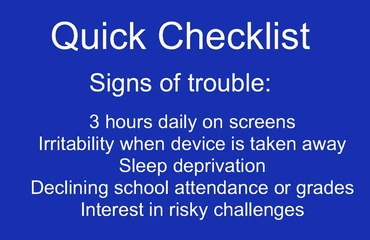
The complaint cites research showing that more than 77% of city high school students—and more than 82% of girls—spend at least three hours a day on screens. Officials said this contributes to sleep loss, chronic absenteeism, and mounting pressure on the city’s public health system.
The city’s health commissioner formally declared social media a public health hazard in January 2024. The lawsuit says taxpayer dollars are increasingly being used to respond to the crisis.
Platforms blamed for compulsive use and subway surfing
According to the complaint, the platforms are deliberately designed to “exploit the psychology and neurophysiology of youth,” driving compulsive use for profit.
It also blames the rise of risky behaviors such as “subway surfing,” in which young people ride on top of or alongside moving trains. Police data show at least 16 subway surfers have died since 2023, including two girls ages 12 and 13 in the past month.
In the latest surfing incident, two teenaged girls were found dead on top of a subway train at a Brooklyn station last week. They appeared to have been subway surfing, police said. “It’s heartbreaking that two young girls are gone because they somehow thought riding outside a subway train was an acceptable game,” Demetrius Crichlow, the president of New York City Transit, according to a New York Times report.
“Defendants should be held to account for the harms their conduct has inflicted,” the city said in its filing. “As it stands now, (the) plaintiffs are left to abate the nuisance and foot the bill.”
Companies push back
Google spokesperson Jose Castaneda rejected the allegations, saying claims against YouTube are “simply not true,” in part because YouTube functions as a streaming service rather than a social network.
A spokesperson for New York City’s law department noted that the city had previously withdrawn from litigation announced by Mayor Eric Adams in February 2024 in California state courts, opting instead to pursue claims in the federal system.
Prevention tips for parents and caregivers
Set screen time boundaries early: Establish clear limits for daily use and enforce them consistently, particularly before bedtime.
Model healthy digital habits: Children often mimic adult behavior — limit your own phone use around them.
Encourage alternative activities: Promote sports, arts, reading, or outdoor play as counterbalances to screen time.
Use parental controls: Platforms offer settings to restrict time, filter content, and monitor activity.
Talk openly about risks: Discuss with children how algorithms can be manipulative and why balance matters.
What to do if you think your child is affected
Watch for warning signs — such as withdrawal from friends, declining grades, disrupted sleep, or compulsive phone checking.
Start a conversation — approach gently, asking how your child feels about social media use rather than criticizing.
Consult school resources — many districts now provide mental health support tied to digital overuse.
Seek professional help — pediatricians, therapists, or counselors can screen for anxiety, depression, or compulsive behaviors.
File a complaint — parents can contact the city’s Department of Health or national hotlines for guidance.