

How much do solar panels cost in Vermont?
Before considering any incentives, a 7-kilowatt (kW) solar panel system costs $19,366 in Vermont.
The size of your solar panel system is a big factor in your overall solar costs. A typical Vermont household needs about a 11.2 kW system, which costs $31,024 on average. Depending on your energy needs, you might need a smaller or larger system.
How to estimate what system size you need: First, look at your electric bill. It should say how many kilowatt-hours (kWh) you used last year. Then, divide that number by 1,200 to estimate your system size in kilowatts (kW).
For example, if you used 12,000 kWh of electricity last year, you would need a 10-kW system. If you used 10,800 kWh, you would need a 9-kW system.
Solar panel costs by system size in Vermont
| 5 kW | 6 kW | 7 kW | 8 kW | 9 kW | 10 kW | |
|---|---|---|---|---|---|---|
| Statewide average | $13,833 | $16,600 | $19,366 | $22,133 | $24,899 | $27,666 |
NOTE: The estimated costs above do not include the price of a solar storage battery. Adding a battery can double your total costs.
Solar panel installation cost factors in Vermont
How much you pay to go solar largely depends on the size of your system, the equipment you want and the condition of your roof. Local permits and fees are a small part of your overall costs.
Solar equipment
The equipment — panels, inverters, mounting hardware and other electrical accessories — is typically the largest portion of your overall solar costs (approximately 25% to 50%).
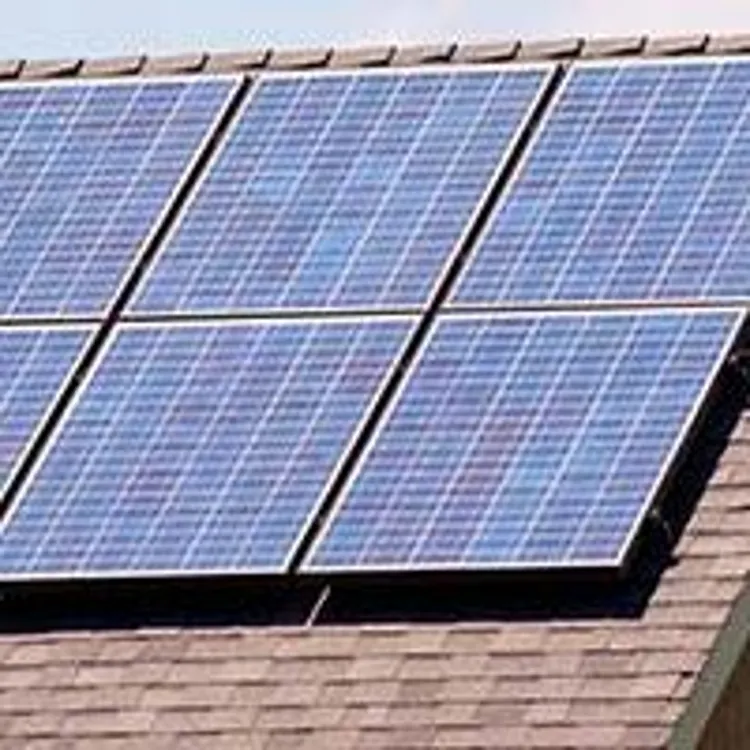
- Solar panels: Prices vary by efficiency rating. In general, monocrystalline panels are considered the best value. Cheaper solar panels are typically polycrystalline.
- Solar batteries: Solar battery costs generally range from $7,000 to $18,000. Batteries store any excess energy your panels produce during the day, allowing you to keep your lights on at night. Without a battery, that unused clean energy goes to the power grid, and you’ll still depend on utility power after dark.
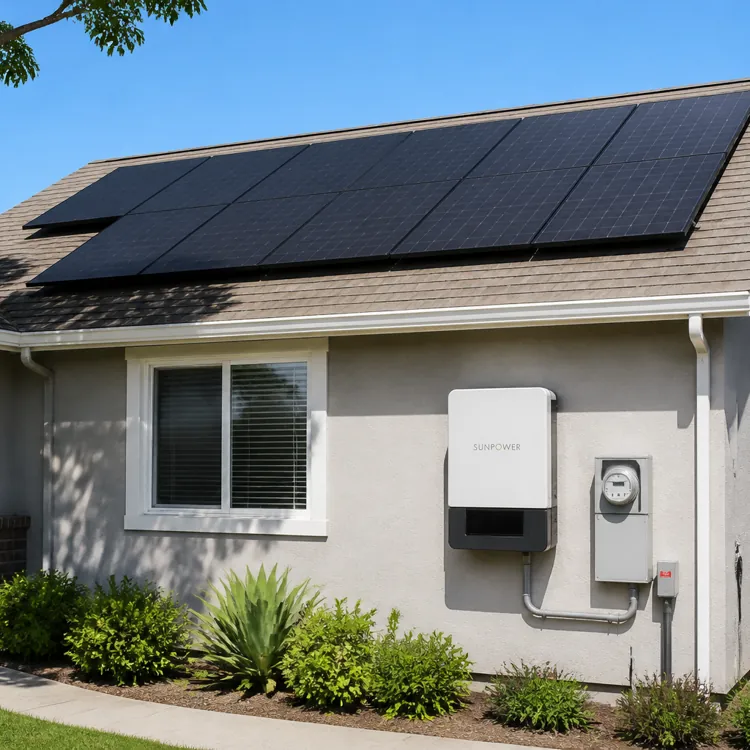
- Solar inverters: Inverters convert solar power from direct current (DC) to alternating current (AC). Inverter costs typically range from $1,000 to $3,000.
- Monitoring system: Some companies include a solar monitoring system to track energy production and identify potential issues. If not, you can buy a standalone system for $80 to $400.
Condition of your roof
High-quality solar panels last 25 to 30 years, and your roof needs to last just as long.
ConsumerAffairs often hears from customers who were blindsided by expensive roof repairs discovered after their solar panels were already installed. This is a frustrating and expensive process — avoid it if you can.
To ensure a seamless and cost-effective solar journey, your roof must match the system's longevity. Get your roof inspected, fixed or replaced before you go solar.
Labor costs
Labor, which includes planning, preparing and connecting your solar system to the grid, accounts for 10% to 30% of total costs. Solar equipment costs are going down, but labor costs are still relatively high in some parts of the state.
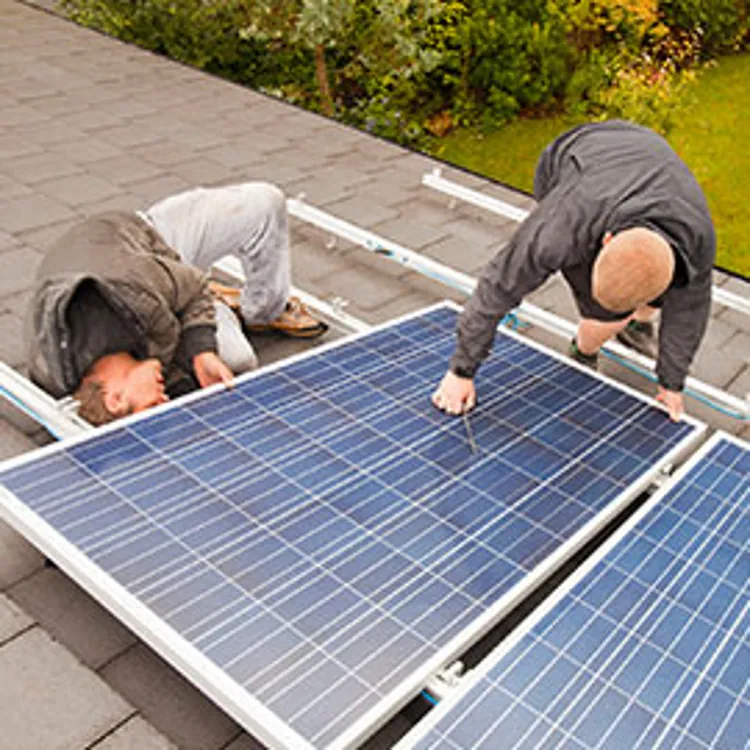
You might be tempted to install the system yourself. DIY solar panels are cheaper, but there are potential issues: Incorrectly installed solar panels can cause roof leaks, electrical safety risks and other dangerous problems.
Pro tip
If you have an electric car, ask about EV charger options. Homeowners in rural parts of Vermont should also consider critter guards to protect the panels.
» RELATED: How many solar panels do you need for your house?
Ongoing maintenance costs
Solar panels have low maintenance costs. If you clean the solar panels yourself, the only maintenance cost will be the water used to hose them down. Hiring a professional to clean your solar panels typically costs between $100 and $350.
However, Vermont’s climate presents unique challenges for solar systems. Heavy snow can accumulate on panels (and reduce energy production during the winter). Snow sliding off panels can also be dangerous.
Amy in Derby told us about “issues with snow coming off the panels” during the winter. After many phone calls and emails, she learned it would cost $75 to have someone evaluate the problem.
Are solar panels worth it in Vermont?
Solar is often worth it for Vermont homeowners looking for long-term savings on utility bills. Over 25 years, residents with solar panels avoid $41,197 in utility costs on average.
Homeowners with solar panels typically save $20,000 to $100,000 over 25 years.
Many residents we spoke to have seen their monthly costs drop dramatically after going solar. “I don't see any downsides at all in going solar. You’re always saving money,” Patricia in Burlington told us. “You’re paying a certain amount. They give you this amount that you’re paying every month, and it doesn’t change.”
But it doesn't always work out. Kristin in Franklin is paying $154 monthly for her solar system plus a $300 electric bill because her system does not meet her energy needs. This shows why it’s crucial to work with a reputable installer who accurately sizes your system.
At the end of the day, solar panels are financially worth it if your ongoing costs (loan or lease payment plus any remaining utility bills) are lower than your previous electric bill.
Solar cost vs. benefits in Vermont
| Typical installation cost | $31,024 |
|---|---|
| Payback period | 12.84 years |
| Utility costs avoided over 25 years | $41,197 |
Regional solar considerations in Vermont
Whether going solar is worth it depends on where you live in Vermont. The state averages 3 to 3.5 peak sun hours daily. Lots of shading — like tall trees above your roof — will make your solar system less efficient. Since solar panels generate more power with more sunlight, this can affect the financial returns on your investment.
Ask your installer about:
- Panel tilt optimization for snow shedding
- Snow guards or retention systems
- Warranty coverage for weather-related issues
Did you know?
If your roof faces north or is heavily shaded, your system might produce less electricity than anticipated. The pitch (or slope) of your roof is also important, especially during the winter months.
» STILL NOT SURE? Solar energy pros and cons
How can I pay for solar panels in Vermont?
Financing options and leasing programs make solar more affordable for Vermont homeowners. In an ideal scenario, your solar power system generates enough extra power to cancel out your monthly payment.
- Solar financing: A solar loan works like any other home improvement loan. There’s an application and approval process. You pay it back over time (with interest) each month.
- Solar leases: Leasing solar panels lets you set up a system without high upfront costs. A solar company installs and maintains the panels on your property, and you pay a monthly fee to use them. Jason in Grand Isle said his lease payment is $111 per month.
- Power purchase agreement (PPA): A solar PPA is similar to leasing. A solar developer buys, installs and maintains solar panels on your property. You buy the power generated by the system on a per-kilowatt-hour (kWh) basis.
» SOLAR PANELS: Lease vs. buy
How to compare solar quotes
Get quotes from at least three to four different solar companies in Vermont. Make sure the estimated price includes all the equipment you want, labor, permits and grid hookup. Watch for hidden fees for system monitoring or maintenance service charges.
Most installers set the price according to the system's wattage. Similar to “cost per square foot” when buying a house, “cost per watt” allows you to compare the relative value of a solar panel system. It shows you the per-dollar price of your system’s energy production potential.
According to our latest research, the average cost per watt is $2.77 in Vermont.
Pro tip
Upgrade old appliances with more eco-friendly ones before you go solar. If you use less electricity, you need fewer solar panels, which makes the entire system more cost-effective.
» WATT’S THE DIFFERENCE? kW vs. kWh
Solar incentives in Vermont
The 30% federal solar tax credit expired at the end of 2025. Vermont doesn’t offer a broad statewide rebate for residential solar, but homeowners can still benefit from several tax breaks and utility incentives.
Tax exemptions: Qualifying solar systems may be exempt from sales tax, property tax and Vermont’s uniform capacity tax.
Battery incentives: Green Mountain Power customers may qualify for up to $10,500 upfront for enrolling an eligible home battery in its Bring Your Own Device program.
Net metering: Net metering is a system where you can sell excess electricity that your panels generate back to the utility company, potentially offsetting the cost of your loan payments.
» MORE: Solar incentives in Vermont
Compare solar companies in Vermont
Read our guide to the top solar companies in Vermont for more information.
| Company | Customer rating | Max. panel efficiency | Panel warranty | Year founded | |
|---|---|---|---|---|---|
 Sunrun | Learn More | 4.2 | 22% | 20 years | 2007 |
 ShopSolar | Learn More | 4.5 | Varies | Varies | 2018 |
 Green Mountain Solar | Learn More | No ratingView profile | Varies | 25 years | 2017 |
 SunPower | Learn More | 3.4 | 22.8% | 25 years | 1985 |
FAQ
Can I get free solar panels in Vermont?
We’re not aware of a totally free solar option in Vermont. You can also lease or enter a PPA with little to no upfront costs, though neither is totally free. Solar leases usually come with a flat monthly fee, and PPAs make you pay per unit of electricity. In general, beware of deals that sound too good to be true. Solar scams that promise free solar panels often, unfortunately, end up costing people quite a bit of money.
Do I need any permits to install solar panels?
Vermont requires a Certificate of Public Good (CPG) from the state Public Utilities Commission to install solar. Depending on your location, you may also need local permits. Historic properties may face additional requirements.
The good news: there’s an expedited CPG process for most residential systems (15 kilowatts or less). Most professional installers in Vermont handle the permitting process for you as part of their service.
» GUIDE: Solar panel installation guide
What is the difference between monocrystalline and polycrystalline solar panels?
The difference comes down to efficiency and materials: monocrystalline panels are made from pure, single silicon crystals, whereas polycrystalline panels are made from various silicon fragments melted together. Both are types of photovoltaic (PV) solar panels.
How do solar batteries work?
Solar panels only generate electricity when the sun is shining. A solar battery stores the extra energy your panels produce during the day so you can use it at night or during a power outage.
Without a battery, that unused energy goes to the grid, and you’ll still depend on utility power after dark.
Will my solar panels work on cloudy days?
Yes, solar panels will work on cloudy days. However, your power output may decrease by about 20% on days with thick overhead cloud coverage, according to the Environmental and Energy Study Institute.
» LEARN: How do solar panels work?
Will solar panels increase the value of my home?
Installing solar panels can significantly increase a home's value. According to a Zillow study, homes with solar panels sell for 4.1% more on average. The exact increase in value varies by location, with homes in active solar markets seeing higher boosts.
Bottom line
Home solar system costs typically range from $10,000 to $30,000 or higher, depending on factors such as system size, local labor rates and available incentives.
The ConsumerAffairs Research Team has conducted extensive research to compare the costs of going solar in Vermont and other states.
Solar costs vs. savings: Vermont and nearby states
| 6-kW system cost (before incentives) | 10-kW system cost (before incentives) | Typical system size needed* | Average cost per watt | Total utility power cost savings** | |
|---|---|---|---|---|---|
| Massachusetts | $18,536 | $30,893 | 7.3 kW | $3.09 | $155,464 |
| New Hampshire | $19,181 | $31,968 | 6 kW | $3.20 | $48,186 |
| New York | $16,641 | $27,734 | 6.9 kW | $2.77 | $57,678 |
| Vermont | $16,600 | $27,666 | 11.2 kW | $2.77 | $41,197 |
Article sources
ConsumerAffairs writers primarily rely on government data, industry experts and original research from other reputable publications to inform their work. Specific sources for this article include:
Vermont Public Service Department, “A Vermonter’s Guide to Residential Solar.” Accessed Aug. 20, 2026.
DSIRE, “Vermont Programs.” Accessed Aug. 20, 2026.
Global Solar Atlas, “Global Solar Atlas v2.12.” Accessed Aug. 20, 2026.
Federal Trade Commission, “Solar Power for Your Home.” Accessed Aug. 20, 2026.