Healthy Eating for a Better Life

The topic covers various aspects of healthy eating and diet trends, emphasizing the importance of making informed food choices for overall well-being. Key points include the rise in popularity of GLP-1 drugs like Ozempic for weight loss and their impact on consumer behavior, the significance of understanding food labels and expiration dates, and the benefits of integrating emotional health into nutrition education for children. It also discusses the effectiveness of plant-based diets, the Mediterranean diet, and low-GI foods in reducing health risks. The content warns against ultra-processed foods and highlights the potential dangers of misleading dietary supplements and artificial sweeteners. Lastly, it underscores the importance of a balanced diet in managing health conditions like diabetes and heart disease, and the role of early dietary habits in long-term health outcomes.

Latest

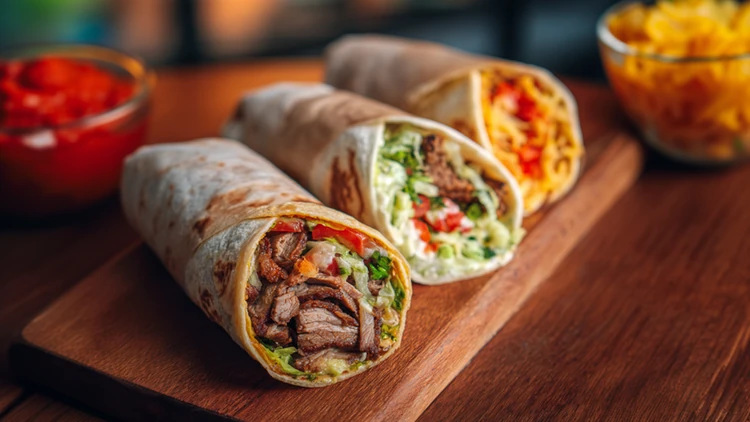
Smaller portions, more protein — how GLP-1 drugs are quietly changing restaurant menus

And how to use these menu changes to save money

Featured Health News photo

Restaurants are adding smaller, protein-focused meals as drugs like Wegovy change how people eat, and these items often cost less than full-size entrées.

You can save money by ordering a side of grilled protein with veggies instead of a full combo meal.

Even when not on a medication, choosing smaller portions means less food waste and a lower total at the register.

Weight-loss drugs like Wegovy and Zepbound are shrinking appetites nationwide and big restaurant chains are ad...

Read Article
Featured Health News photo
2025
Article Image

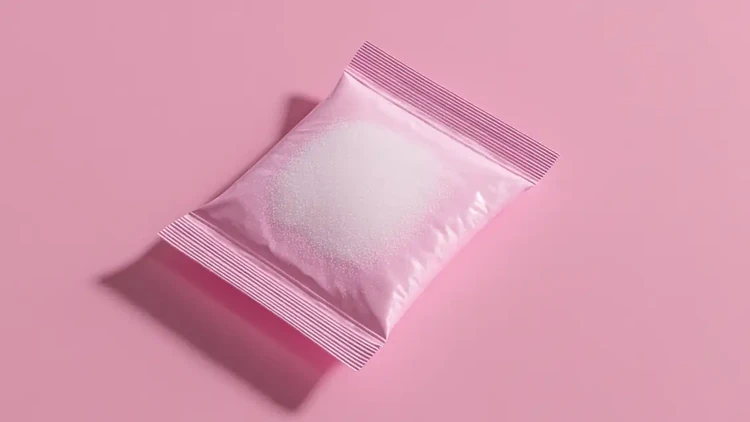
Are sweeteners speeding up puberty? A new study says genes may matter too

  • What was studied: Whether kids who eat certain sweeteners (like aspartame, sucralose, glycyrrhizin, and added sugar) may face a higher risk of early puberty — especially when they carry genes that predispose them.

  • How they looked at it: Data from 1,407 Taiwanese teens, using urine tests and surveys to measure sweetener intake, and a 19‑gene polygenic risk score for genetic predisposition.

  • What they found: Children who consumed more of these sweeteners were more likely to develop central precocious puberty, with stronger associations in genetically susceptible boys and girls.


A new study presented at ENDO 2025, a global conference on endocrinology research,  discovered that many common sweeteners may be linked to earlier puberty in children. 

The risk rises if the child also carries certain genetic traits known to influence the timing of puberty. According to the findings, the higher the sweetener intake, the higher the observed risk of early puberty.  

“This study is one of the first to connect modern dietary habits — specifically sweetener intake — with both genetic factors and early puberty development in a large, real-world cohort,” researcher Yang-Ching Chen, M.D., Ph.D., said in a news release. 

“It also highlights gender differences in how sweeteners affect boys and girls, adding an important layer to our understanding of individualized health risks.” 

The study

The researchers analyzed data from the Taiwan Pubertal Longitudinal Study (TPLS), which began in 2018 and included 1,407 teen participants. Here’s how they researched it:

  • Sweetener intake was tracked via validated survey questionnaires and urine biomarkers, allowing an objective estimate of actual consumption. This study looked specifically at sucralose, aspartame, glycyrrhizin, and added traditional sugar.

  • Genetic predisposition was quantified using a polygenic risk score derived from 19 genes related to central precocious puberty. Central precocious puberty can lead to emotional distress, shorter adult height, and increased risk of future metabolic and reproductive disorders.

  • Early puberty diagnosis involved medical exams, hormone level tests, and imaging scans that confirmed central precocious puberty in 481 adolescents.

Information on gender-specific effects was also gathered, revealing distinct patterns in how boys and girls were affected by different sweeteners. 

The results

Here’s a breakdown of what the study uncovered:

  • Dose‑dependent risk: The study found that higher intake of any sweetener – not just one type – was associated with an increased likelihood of early puberty among boys and girls in the study.

  • Gender‑specific associations:

    • Among boys, sucralose showed the clearest risk link for early puberty.

    • Among girls, glycyrrhizin, sucralose, and added sugars were associated with a higher risk of early puberty.

  • Independent contributions: Both sweetener consumption and genetic predisposition increased the kids’ risk of early puberty — though they appeared to act independently, without interacting to amplify each other.

“This suggests that what children eat and drink, especially products with sweeteners, may have a surprising and powerful impact on their development,” Dr. Chen said.

“The findings are directly relevant to families, pediatricians, and public health authorities. They suggest that screening for genetic risk and moderating sweetener intake could help prevent early puberty and its long-term health consequences. This could lead to new dietary guidelines or risk assessment tools for children, supporting healthier development.”

Article Image

Diet, not exercise, is likely the primary factor behind obesity, study finds

  • Rising obesity in more developed countries tracks closely with higher caloric intake — not a drop in physical activity.

  • A study of over 4,200 adults across 34 global populations measured energy use and body fat using gold‑standard methods.

  • After adjusting for size and lifestyle, diet (especially ultraprocessed food) explains most excess body fat — not differences in total energy expenditure.


When you hear obesity described as a consequence of inactivity, it might seem obvious: people eat too much and move too little. 

However, a groundbreaking new study from Duke University flips that mindset. 

The research found that as countries develop, people tend to eat more — but they don’t necessarily burn fewer calories. In fact, daily energy expenditure stays similar or even increases. 

That means that the real culprit behind rising obesity is diet — not lounging on the couch.

“Despite decades of trying to understand the root causes of the obesity crisis in economically developed countries, public health guidance remains stuck with uncertainty as to the relative importance of diet and physical activity,” researcher Herman Pontzer said in a news release. 

“This large, international, collaborative effort allows us to test these competing ideas. It’s clear that changes in diet, not reduced activity, are the main cause of obesity in the U.S. and other developed countries.”

The study

This global analysis involved more than 4,200 healthy adults aged 18–60, from 34 populations spanning six continents, covering hunter‑gatherers, pastoralists, farmers, and urban industrial dwellers.

Researchers measured total energy expenditure (TEE) using doubly labeled water, a gold‑standard method that directly captures how many calories your body burns, including resting and activity metabolism.

They also measured body fat percentage and BMI, and tied economic development to United Nations’ Human Development Index (HDI), which reflects education, longevity, and income levels. All data were carefully adjusted for differences in body size and composition to make fair comparisons across diverse groups.

The results

The study found that total and basal energy expenditure declined only modestly — as little as 6–11% — with economic development, and those differences explained just about 10% of the rise in body fat and BMI seen in wealthier populations. 

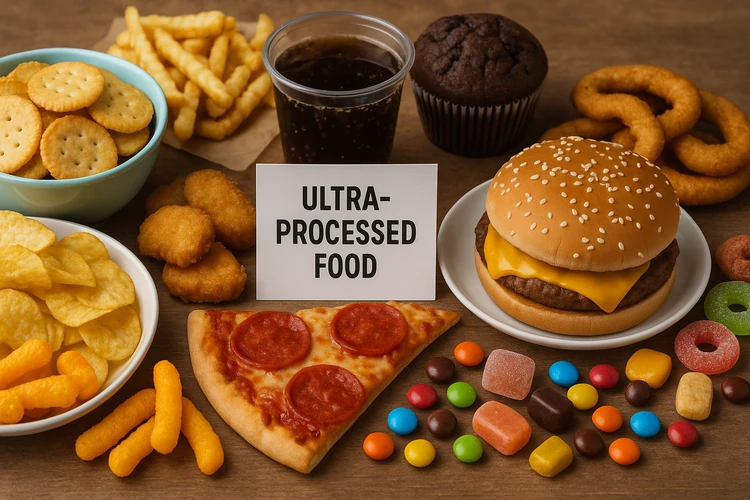
Meanwhile, dietary intake rose sharply in more developed settings. In populations with detailed food data, higher percentages of ultraprocessed foods in the diet strongly correlated with higher body fat — regardless of energy expenditure levels.

Researchers emphasize that physical activity still matters, but that eating more — especially processed, calorie-dense foods — is driving modern obesity. 

“Diet and physical activity should be viewed as essential and complementary, rather than interchangeable,” the researchers wrote. 

Article Image

Want a longer, healthier life? New study says midlife weight loss could be the answer

  • Researchers looked at earlier cohort studies that found an association between midlife weight loss from lifestyle changes and a lower risk of developing chronic disease and all-cause mortality. 

  • One of the goals of their study was to expand the scope of health benefits that people incur from weight loss beyond diabetes.

  • The researchers hope that these findings inspire more people to make healthier choices to better their health and wellness long-term.  


A new study conducted by researchers from the University of Helsinki explored the benefits associated with midlife weight loss that come strictly from lifestyle adjustments. 

Their work found that this type of weight loss was associated with overall longer life, as well as a lower risk of several serious health concerns, including type 2 diabetes, stroke, cancer, asthma, chronic obstructive pulmonary disease, and more. 

The study

For the study, the researchers analyzed data from three previous cohort studies – the Whitehall II study (1985-1988), the Helsinki Businessmen Study (1964-1973), and the Finnish Public Sector study (2000-2013). 

These datasets included information on over 23,000 participants between the ages of 30 and 50. Depending on the specific study, the participants were followed between 12 and 35 years, and their heights and weights were taken at various points throughout the studies. 

The researchers grouped the participants based on their starting weight and body mass indices (BMIs), and then their weight journey over the course of their studies – whether they lost weight, maintained the weight loss, or gained the weight back. They compared the groups to hospitalization and death records to determine the health risks and benefits. 

The researchers’ primary goal was to understand the health benefits associated with weight loss that come from lifestyle adjustments beyond diabetes. 

“The benefits of lifestyle-based weight management are widely discussed, even though studies have found it surprisingly difficult to demonstrate health benefits beyond the prevention of diabetes,” Professor Timo Strandberg said in a news release.  

The results

The biggest takeaway from the study was that maintained weight loss in middle age was associated with several health benefits. 

Ultimately, making lifestyle changes and losing weight was associated with several health improvements. Those who lost 6.5% of their body weight had a lower risk of developing several chronic diseases, as well as a lower risk of all-cause mortality. 

The researchers explained that maintenance of the weight loss was key – the participants who were able to keep the weight off were more likely to have the best health outcomes. 

“I hope the findings will inspire people to see that lifestyle changes can lead to major health improvements and a longer life,” Strandberg said. “This is particularly important today as more people are overweight than when the collection of our research data began 35 years ago.” 

What role do weight loss drugs play? 

These cohort studies were conducted before weight loss surgery had grown in popularity and before weight loss drugs like Ozempic and Wegovy were available. While these tools are valuable for health care, these findings indicate that lifestyle changes can also be effective. 

“In contrast to surgical or pharmacological interventions, where weight loss typically ranges from 20% to 25%, the relative weight reduction of 6.5% observed in our study was more modest,” they wrote. 

“Despite this, our findings highlight clinically meaningful long-term health benefits in the general population. Unlike our participants, individuals undergoing surgical or pharmacological interventions predominantly have obesity and are at higher health risk. It remains uncertain whether the long-term benefits observed in our study extend to these interventions, where greater weight loss may be accompanied by a concurrent and potentially significant loss of lean body mass, which could pose challenges over time.”

2024
2023
2022