


2023 Healthy Eating for a Better Life

Article Image

Additional research suggests remission from type 2 diabetes might be possible with the right diet

As more consumers are diagnosed with type 2 diabetes, finding a way to maintain a healthy lifestyle is of the utmost importance. 

Now, new research published in the American Journal of Lifestyle Medicine supports previous conclusions that adopting a special diet may help put type 2 diabetes patients into remission.

The study showed that following a diet that’s heavy on plant-based and whole foods was effective at improving blood glucose control, and in some cases, led to remission from the disease. 

“The prevalence of diabetes is growing, as is recognition in the health care community that diet as the primary intervention can achieve lasting remission in individuals with type 2 diabetes,” said Dr. Gunadhar Panigrahi.

“This case series further supports the effectiveness of a whole-food, plant-predominant eating pattern as a primary intervention to achieve remission, as well as the need for increased education for both clinicians and patients on the successful application of lifestyle medicine principles and dietary interventions in everyday medical practice.” 

Achieving remission through diet

For the study, the researchers analyzed data from 59 patients between the ages of 41 and 89 who were treated at a wellness center in Virginia. All of the patients had type 2 diabetes, their hemoglobin A1C levels were all over 6.5%, and some were on medication for their diabetes.

Participants were treated at the wellness center between 2007 and 2021, and had their diets changed to include whole foods, low-fat foods, and plant-based foods. 

Ultimately, 22 participants, or 37%, reached full type 2 diabetes remission after following this diet. 

In addition, the researchers observed positive changes in other key areas for diabetics: in hemoglobin A1C levels, body mass index (BMI), and fasting glucose levels. While there were no major changes to cholesterol or blood pressure, the diet proved to be effective when it came to these key diabetes markers.  

Experts also say that it’s important for diabetes patients to continue regular check-ins with their healthcare providers and also incorporate regular exercise into their routines to ensure optimal health outcomes. Additionally, education about the benefits of a healthy lifestyle is likely to encourage diabetics to change their eating habits. 

“There is a perception that many patients may not accept the idea that adopting a whole-food, plant-predominant eating pattern, but there is a growing abundance of research that in fact shows adherence to a plant-predominant dietary pattern is feasible and even enjoyable,” said Micaela Karlsen, senior director of research at the American College of Lifestyle Medicine.

“Although full remission may not be possible for every patient, our research shows that every patient deserves to know that it may be possible through the adopting of appropriately dosed therapeutic lifestyle change.” 
Article Image

A keto diet may help slow the progression of cancer, researchers say

Many consumers adopt a keto diet in an effort to burn more fat and help them lose weight. However, researchers from Cold Spring Harbor Laboratory found that this low-carb-centered diet may also be effective at slowing the progression of cancer. 

On the keto diet, you not only cut out carbohydrates but increase fat consumption to help your body produce more energy.

Though early trials have found that keto diets are likely to be associated with cachexia, a disease common in cancer patients that gradually breaks down all of the body’s processes, more recent research has found a way around this deadly side effect. 

In a trial conducted on mice, experts found that a keto diet coupled with a corticosteroid had two-fold benefits: it prevented cachexia and it slowed the progression of the mice’s cancer and ultimately helped them live longer. 

“Cancer is a whole-body disease,” said researcher Miriam Ferrer. “It reprograms normal biological processes to help it grow. Because of this reprogramming, mice can’t use the nutrients from a keto diet, and waste away. But with the steroid, they did much better. They lived longer than with any other treatment we tried.” 

Slowing tumor growth

Earlier research has found that following a keto diet can be beneficial for cancer, as the high-fat and low-carb-centric meals ultimately deprive cancer cells of the compounds they need to survive and multiply. However, with this trial, and moving forward, the researchers’ primary goal was figuring out how to prevent the onset of cachexia and also slow the progression of cancer, while also maintaining a keto diet.

They explained that the hormone corticosterone is what allows the body to process the benefits of a keto diet; however, for those with cancer, it’s difficult for the body to naturally produce corticosterone. 

This led to their latest treatment trial: the keto diet and a corticosteroid. The combination did exactly what the researchers hoped – it boosted the mice’s corticosterone levels, slowed the cancer progression, and prevented cachexia. 

The plan now for the researchers is to further finetune this approach to have even greater success with the combined corticosteroid and keto diet treatment. 

“We want to push back against cancer even harder, so it grows slower still,” said researcher and Assistant Professor Tobias Janowitz. “If we can broaden this effect, make the treatment more efficient, we can ultimately benefit patients and improve cancer therapeutics.” 

Article Image

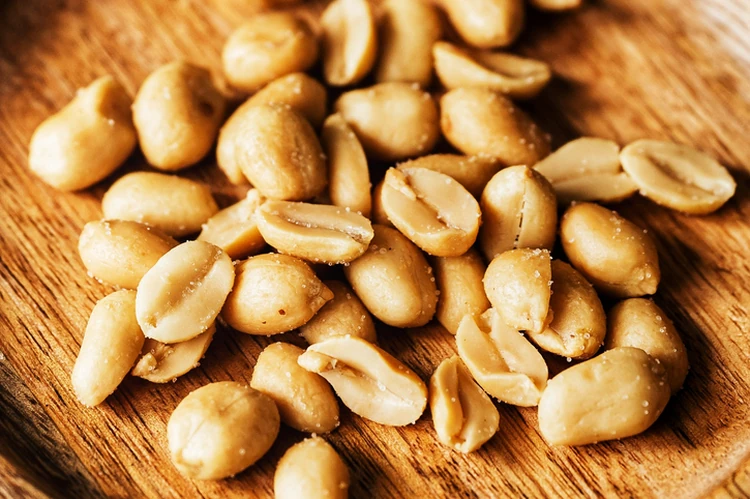
Peanuts can help cognitive function in later life, research says

Recent research has highlighted the ways that peanuts and peanut butter can boost consumers’ heart health, and now a new study is showing peanuts benefit long-term cognitive function and brain health. 

Experts explained that peanuts are made up of nutritional compounds that are essential in fighting dementia and Alzheimer’s disease, including vitamin E, resveratrol, niacin, and p-coumaric acid. Research has linked all of these vitamins and minerals with neurological benefits and the slowing of cognitive decline. 

“Since food is something that we add to our bodies every day, it can truly be medicine,” said Dr. Samara Sterling, research director for the Peanut Institute. “We’re finding that eating a small amount of peanuts or peanut butter regularly can play an important part in the fight against Alzheimer’s and dementia.”  

Cognitive benefits for seniors

In a study published this month, over 6,600 participants between the ages of 55 and 75, who were at high risk of cognitive decline, tested the efficacy of peanuts/peanut butter on cognitive function. 

At the start of the study, the participants reported how frequently they ate peanuts or peanut butter (less than one serving a week, between one and three servings a week, between three and seven servings a week, or more than seven servings a week), completed cognitive health assessments, and answered food frequency questionnaires. After two years, the group completed the same round of evaluations. 

At the end of the two years, those who were regularly eating nuts had stronger cognitive health outcomes, without any other changes to health or wellness. Participants who were eating at least three servings of peanut butter per week showed better cognitive function, including slower decline, than those who were eating peanuts or peanut butter less than once a week. 

For this study, one serving of peanuts or peanut butter was considered 30 g of peanuts, which equates to about ⅓ cup, or roughly 30 almonds, and two tablespoons of peanut butter. 

“Peanuts are really quite amazing because just a small serving can have an impact,” Sterling said. “They’re an energy-dense food and studies conducted in the United States and worldwide have found that eating peanuts regularly helps prevent disease, improves life expectancy, and delivers positive effects throughout the body.” 

Article Image

Add this to your diet for a healthier heart, new study finds

We all know that what we eat and drink can have significant impacts on our heart health. While alcohol has been proven to come with heart health risks, things like potassium or eggs have been found to come with heart health benefits. 

Now, researchers from the University of Barcelona have found that peanuts may be the next thing consumers – especially young adults – may want to consume to improve their heart health. A new study found that eating peanuts and peanut butter was linked with better heart health outcomes, including overall vascular health, inflammation, and atherosclerosis. 

“The bottom line finding is that peanuts can play an important role in promoting heart health by preventing atherosclerosis, reducing inflammation, and improving vascular health,” said Dr. Samara Sterling, research director for The Peanut Institute. “It’s encouraging because this is the first study of its kind to show this kind of protection in young people simply by eating peanuts.” 

One serving of peanuts can make a difference

The study included 65 healthy adults between the ages of 18 and 33. The participants were divided into three groups. Over the course of six months, the groups either added 32 grams of peanut butter to their diets every day, 25 grams of skin-roasted peanuts, or 32 grams of butter. 

All three options equated to adding one serving of peanuts/peanut butter to their regular diets. For peanut butter, this is about two tablespoons, and for regular peanuts, this is equivalent to about a handful. 

At the end of the six months, the researchers looked to see whether specific biomarkers that are linked with different types of heart disease were affected by the increase in peanuts and peanut butter. Ultimately, the food was found to be effective at boosting heart health outcomes, and it serves as a frugal way for young adults to improve their heart health now and into the future. 

“There’s an urgent need to focus cardiovascular disease education and prevention efforts on young adults,” Sterling said. “The increases in high blood pressure and obesity are impacting the hearts of young people and leading to serious conditions that are usually seen in those who are decades older.” 

Article Image

The FDA proposes to give food producers the OK to use salt substitutes on more than 160 products

Salt lovers might not like this news, but the Food and Drug Administration (FDA) wants to give food producers the permission to use salt substitutes instead of the real thing. The agency is heralding this move as a way for us all to improve nutrition and reduce the possibility of disease.

The proposed rule – "Use of Salt Substitutes to Reduce the Sodium Content in Standardized Foods” – is part of the Biden administration's strategy on hunger, nutrition, and health designed to end hunger and reduce diet-related diseases by 2030. The FDA is standing firmly behind its decision, too.

"Most people in the U.S. consume too much sodium. The majority of sodium consumed comes from processed, packaged and prepared foods, not from salt people add to their food when cooking or eating," said Susan Mayne, Ph.D., director of the FDA's Center for Food Safety and Applied Nutrition. 

How much is too much? If you consider yourself an “average” consumer, FDA statistics say that you consume an average of 3,400 mg of sodium per day — 47% more than the 2,300 mg currently recommended.

"This effort, combined with the FDA's voluntary sodium reduction targets, is part of the agency's overall nutrition strategy to create a healthier food supply, provide consumers with information to choose healthier foods and improve the health and wellness of our nation," Mayne said.

What changes consumers will see

To make things perfectly clear, this rule would not force manufacturers to reformulate items but merely gives them the flexibility to change the formula on products that have salt or brine listed in their standards of identity (SOI). 

If the FDA’s wish gets granted, the short-term target will apply to 160-plus categories of packaged and restaurant-prepared food. These short-term targets are based on a reduction of average sodium intake from current levels of 3,400 mg/day to 3,000 mg/day, and they serve as initial benchmarks for a broad and gradual reduction of sodium in the food supply.

Here’s a partial list of those products the FDA shared in its proposed rule:

  • Acidified milk and cultured milk

  • Acidified and regular sour cream 

  • Bread, rolls, and buns

  • Cane, table, maple, and sorghum syrup

  • Canned products like applesauce, corn, figs, green beans, mushrooms, oysters, peas, Pacific salmon, tomatoes, tuna

  • Eggnog 

  • Frozen peas 

  • Fruit butter like apple butter

  • Ketchup

  • Macaroni and noodle products 

  • Margarine 

  • Mayonnaise 

  • Milk chocolate, sweet chocolate, white chocolate, and breakfast cocoa

  • Salad dressing 

  • Self-rising flour and white cornmeal

  • Tomato concentrates and tomato juice