Restaurants are adding smaller, protein-focused meals as drugs like Wegovy change how people eat, and these items often cost less than full-size entrées.
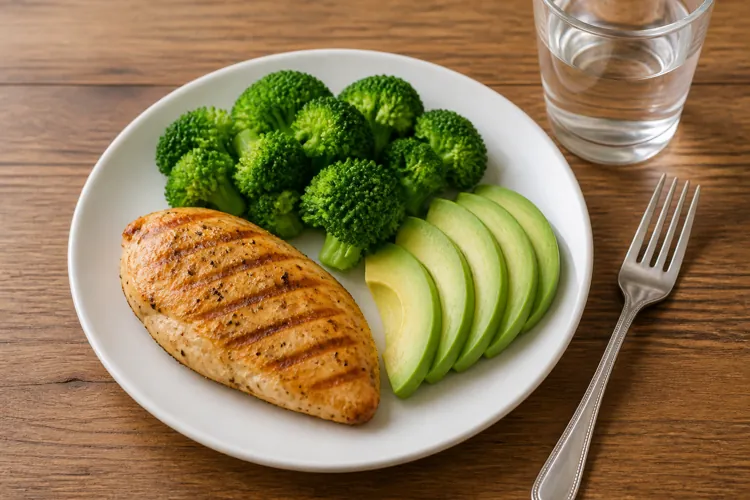
You can save money by ordering a side of grilled protein with veggies instead of a full combo meal.
Even when not on a medication, choosing smaller portions means less food waste and a lower total at the register.
Weight-loss drugs like Wegovy and Zepbound are shrinking appetites nationwide and big restaurant chains are adjusting.
NBC News recently reported that instead of giant plates and bottomless sides, more menus now feature lighter portions, protein add-ons, and snack-size meals. Even if you’re not on a GLP-1 medication, this shift can help you eat better and spend less.
Here’s how to take advantage.
Look for 'lighter,' 'fit,' or 'protein' sections
Many big-name chains are adding smaller, or more protein-packed meals, to their menus.
And they're using health-focused wording to grab the attention of those who don’t eat big meals anymore.
Examples:
- Chipotle sells high-protein sides that work as small meals.
- Shake Shack now offers lettuce-wrapped burgers on what they call their Good Fit Menu.
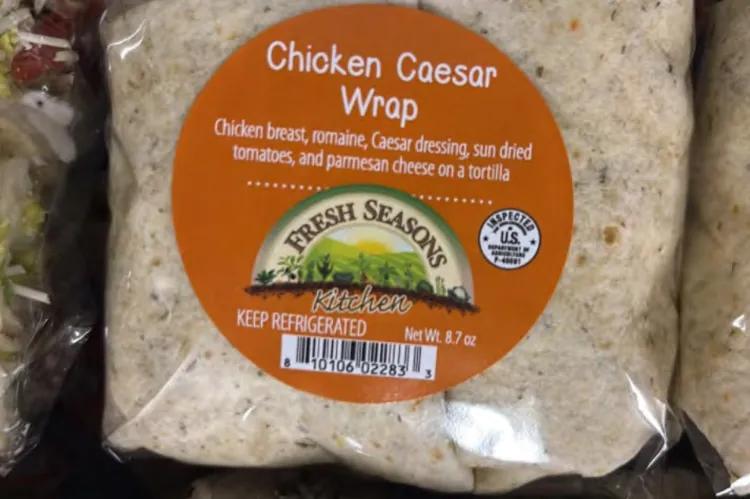
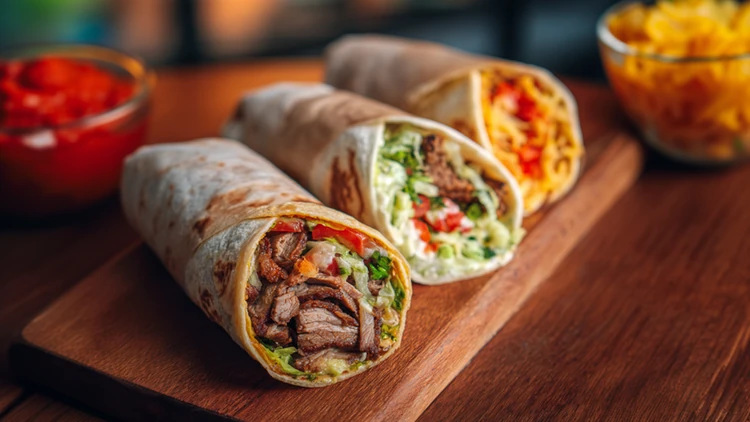
- Subway has smaller protein-focused wraps they call Protein Pockets.
- Smoothie King features high-protein, no-sugar smoothies they actually call GLP-1 Smoothies.
- Olive Garden now offers 7 existing dishes with smaller portions, all at lower prices.
- Panera Bread – They’ve been leaning heavily into their “You Pick 2 Combos” which acts like a mini-meal at a lower price.
- Jack in the Box has new Protein Bowls and Jack Wraps on the menu for those looking for less food that’s high in protein. Some of the bowls deliver up to 35 grams of protein.
Savings tip: These smaller meals often cost $3–$7 less than full-size entrees.
Order protein 'sides' as your main meal
Many chains built for big portions now sell single servings of chicken, steak, or eggs as protein add-ons.
So, instead of dropping $12–$15 on a combo meal, you could order this:
- A side of any grilled protein.
- Add a side salad or veggies.
You’ll often cut the price nearly in half while still getting full.
Don’t automatically 'size up'
For decades, upsizing or “Super Sizing” was marketed to consumers as the best bang for your buck. That’s clearly changing.
With smaller appetites trending right now, restaurants are making these changes:
- Adding half portions
- Offering smaller bowls
- Selling snack-size wraps
Pro tip: Get in the habit of asking, “Do you have a smaller portion option?” Many locations do if you ask, even if it’s not clearly on the menu.
Be careful with 'protein' drinks
High-protein smoothies and shakes sound healthy but can pack more calories than a fast food meal.
Specifically, watch for the following:
- Large serving sizes (20 oz+)
- Added nut butters, syrups, or sweeteners
A smarter order: Choose the smallest size, skip add-ins, and pair it with real food instead of drinking all your calories.
Use the trend to fight food waste
Restaurants are responding to people eating less and you don’t have to be on a GLP-1 to join the trend.
Smaller portions mean:
- Less overeating
- Fewer leftovers tossed
- Lower bills
Even if GLP-1 meds aren’t part of your life, the smaller-meal movement can help your wallet.
The bottom line
The era of “bigger is better” at chain restaurants seems to be fading.
Smaller, protein-packed meals are becoming normal and they’re often cheaper and easier to portion control.
The good news is you don’t need a prescription to benefit. Just start ordering like someone who has a smaller appetite… and keep the extra cash in your pocket.