













Over nearly six to ten years, individuals with obesity and type 2 diabetes who had metabolic (bariatric) surgery showed significantly lower risks of death, heart events, kidney disease, and eye damage than those treated with GLP-1 drugs.
Surgery led to greater weight loss and better long-term blood sugar control; it also reduced the need for medications for diabetes, blood pressure, and cholesterol.
The study is observational, not randomized, and did not include every GLP-1 drug (especially some newer and highly effective ones), so its findings point to important differences but don’t settle all questions.
For people with obesity and type 2 diabetes, treatments often come down to two major options: medications — especially GLP-1 receptor agonists — and surgical interventions such as gastric bypass or sleeve gastrectomy.
GLP-1 medicines have made headlines for helping with weight loss and blood sugar control, while metabolic surgery has been known for its often dramatic effects.
But until recently, few large studies had directly compared long-term outcomes, especially for major health problems like heart disease, kidney failure, eye damage, and even overall survival.
Researchers from Cleveland Clinic set out to explore exactly that. The results: bariatric surgery may be more beneficial.
“Even with today’s best medicines, metabolic surgery offers unique and lasting benefits for people with obesity and diabetes,” researcher Ali Aminian, M.D., director of Cleveland Clinic’s Bariatric & Metabolic Institute said in a news release.
“The benefits we observed went beyond weight loss. Surgery was linked to fewer heart problems, less kidney disease, and even lower rates of diabetes-related eye damage.”
The study
The study, called the M6 study (short for Macrovascular and Microvascular Morbidity and Mortality after Metabolic Surgery versus Medicines), followed 3,932 adults who had both obesity and type 2 diabetes.
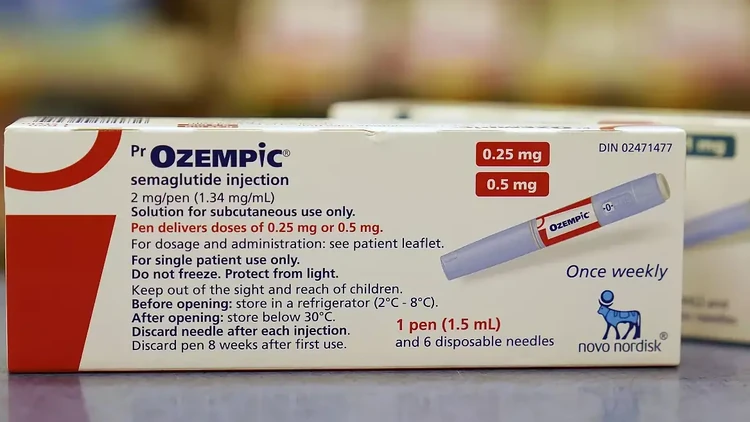
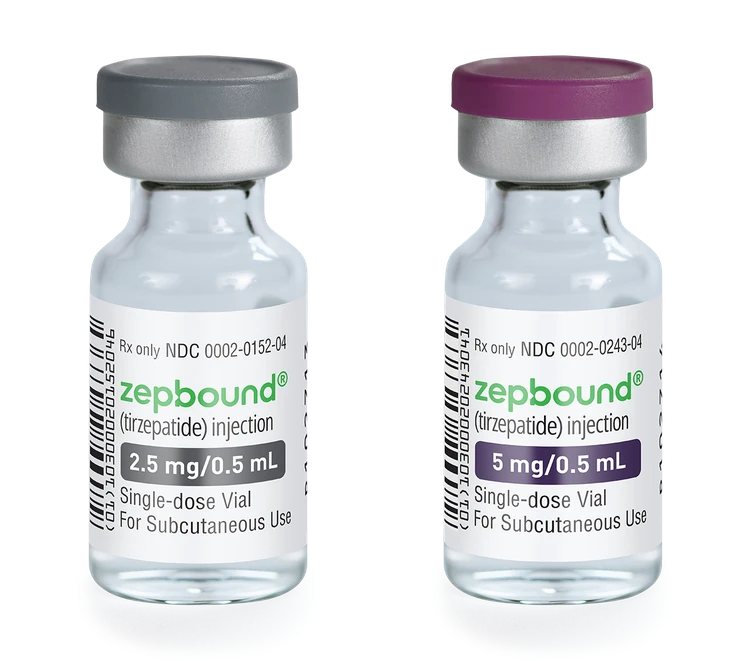
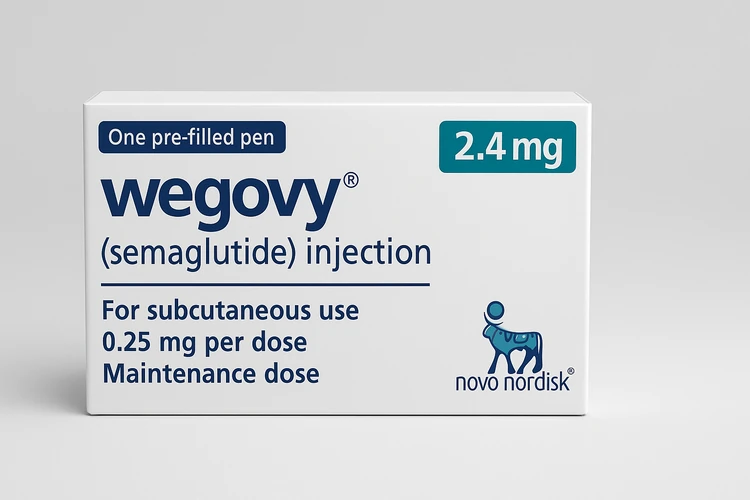
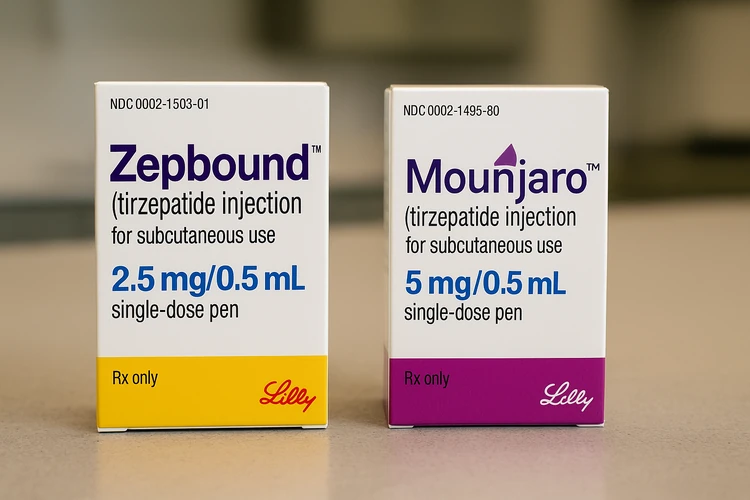
Of those, 1,657 underwent metabolic surgery (gastric bypass or sleeve gastrectomy), while 2,275 were treated with GLP-1 receptor agonist drug, including medications like liraglutide, dulaglutide, exenatide, semaglutide, and tirzepatide.
Researchers used statistical methods to balance out differences between the two groups at the start — things like age, gender, and health status — so that the comparison would be fairer. They looked over a median follow-up of about 5.9 years for many outcomes, and also projected up to 10 years for cumulative results.
Key outcomes measured included:
Death from any cause
Major adverse cardiovascular events (heart attack, stroke, heart failure)
Nephropathy (serious kidney disease)
Retinopathy (diabetes-related damage to the eyes)
Measures of weight loss and blood sugar control (HbA1c)
The results
Here’s how the two approaches compared over time:
Mortality: After 10 years, about 9.0% of the surgery group had died (from any cause), versus 12.4% in the GLP-1 treatment group. This translated to a ~32% lower risk of death for the surgery group.
Heart events (cardiovascular outcomes): Surgery was linked to about 35% lower risk of major adverse cardiovascular events than GLP-1 drugs.
Kidney disease: The surgery group had a ~47% lower risk of serious kidney disease than the GLP-1 group.
Eye damage (retinopathy): Risk was ~54% lower for those who had surgery.
Weight loss and blood sugar control: Over 10 years, surgery patients lost on average 21.6% of their body weight, compared with 6.8% for those on GLP-1 meds. Blood sugar (measured by HbA1c) dropped more in the surgery group (−0.86%) vs the GLP-1 group (−0.23%).
Medications needed: The surgery group required fewer prescriptions over time for diabetes, blood pressure, and cholesterol.
“Even in the era of these powerful new drugs to treat obesity and diabetes, metabolic surgery may provide additional benefits, including a survival advantage,” researcher Steven Nissen, M.D., said in the news release.