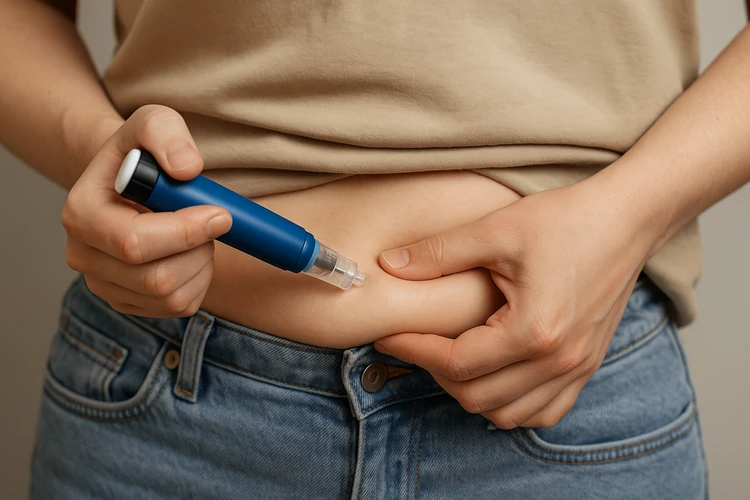

• Eli Lilly and Novo Nordisk agree to expand access and cut prices for Zepbound and Wegovy
• Medicare to begin covering obesity drugs next year; lower prices for some uninsured patients
• Move comes as part of Trump’s broader push to address prescription drug costs
New deal targets high cost of obesity drugs
President Donald Trump has announced a new agreement with drugmakers Eli Lilly and Novo Nordisk aimed at expanding access and lowering the cost of their blockbuster obesity drugs, Zepbound and Wegovy. The deal marks the latest in a series of administration efforts to curb prescription drug prices ahead of next year’s election.
Under the agreement, Medicare will begin covering the drugs for obesity treatment starting in 2026. In addition, the companies plan to roll out lower prices for some uninsured patients, with starting doses of newly developed pill versions expected to cost $149 a month if approved by regulators.
The prices for GLP-1 drugs would also be lower for Americans who use cash to buy them through a new government website that is expected to direct people to drugmaker direct-to-consumer programs.
The specific prices Americans will pay, and when those price changes will kick in, will vary based on where people get their prescriptions — Medicare, Medicaid, or through a direct-to-consumer program.
For Medicare — and Medicaid, if states opt in — drugs like Ozempic, Wegovy, Mounjaro and Zepbound will be $245 a month. For Medicare, the copay will be $50, Politico said.
“This will save lives, improve the health of millions and millions of Americans,” Trump said during an Oval Office announcement, referring to the GLP-1 medications as “fat drugs,” according to a Washington Post report.
HHS Secretary Robert F. Kennedy Jr., who has been critical of the weight-loss medications, said the deal will help push down costs related to health conditions such as diabetes and cardiac disease.
“If we want to solve the chronic disease crisis, we have to tackle obesity,” Kennedy said.
Obesity drugs’ popularity soars amid cost barriers
Zepbound and Wegovy belong to a class of treatments known as GLP-1 receptor agonists, which mimic natural hormones that regulate appetite and feelings of fullness. Clinical trials show the drugs can help patients lose between 15% and 22% of their body weight—often more than 50 pounds.
Despite their success, access has been limited. The treatments can cost around $500 a month for higher doses, and insurance coverage has been inconsistent. Until now, Medicare had covered the drugs only for conditions like type 2 diabetes or heart disease, not for obesity itself.
Sales of Eli Lilly’s Zepbound have tripled this year to over $9 billion, reflecting booming demand. Yet many patients have struggled to afford ongoing treatment, which doctors say must continue indefinitely to maintain weight loss.
Broader effort to rein in drug prices
Thursday’s deal follows a series of recent administration moves targeting high drug costs. Earlier this year, Pfizer and AstraZeneca agreed to reduce prices for certain Medicaid-covered prescriptions after a Trump executive order gave drugmakers a deadline to voluntarily cut prices or face new federal payment limits.
Still, experts caution that the impact on consumers may vary depending on insurance coverage and market competition. While the announcement could bring relief to some patients, it remains to be seen whether it will significantly reduce out-of-pocket costs for most Americans. The impact on people with private insurance, which is a majority of Americans, is unclear. A senior administration official said both companies have committed to lower those costs as well.