

2025 Amazon News

Article Image

Amazon’s Prime marketing campaign goes on trial in Seattle

  • A landmark trial begins, as the U.S. Federal Trade Commission moves forward with allegations that Amazon systematically misled consumers into signing up for its Prime membership.

  • The FTC claims Amazon used deceptive interface designs — so-called “dark patterns” — to enroll users in automatically-renewing Prime subscriptions without meaningful consent, and made cancellation needlessly difficult.

  • In recent pretrial rulings, a judge found Amazon violated the Restore Online Shoppers’ Confidence Act (ROSCA) by collecting billing information before disclosing key membership terms, and also held that Amazon executives could be held personally liable if the FTC’s allegations are proven.


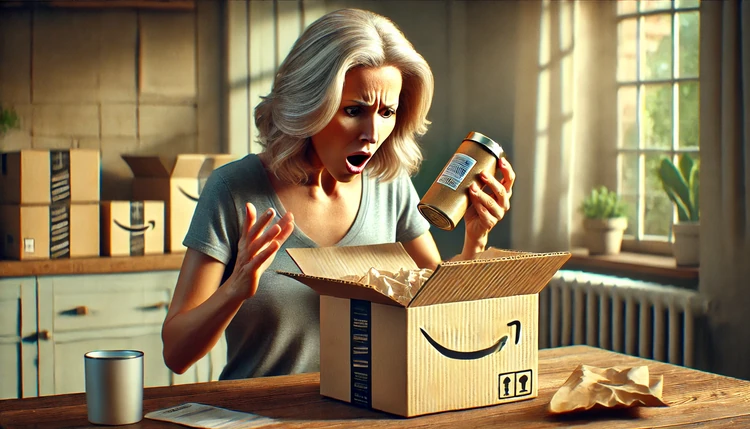
Millions of people are members of Amazon’s Prime but the Federal Trade Commission claims some are members against their will and find it hard to cancel. 

After years of investigation, legal wrangling, and preliminary rulings, the trial in FTC v. Amazon.com Inc. begins this week in U.S. District Court in Seattle. The FTC is seeking remedies for what it describes as “years-long” deceptive practices tied to Amazon’s Prime program. 

The allegations include:

  • Deceptive signup flows: The complaint says that Amazon routinely presents consumers with options that make Prime subscription a default or overwhelming choice. Buttons enrolling customers tend to be large, prominently displayed, and worded to emphasize benefits (“free shipping,” “trial,” etc.), while the option to decline is obscured by size, position, or weaker language.

  • Billing before full disclosure: According to the FTC, in many cases, Amazon collected payment information from prospective Prime members before clearly disclosing all the terms of the subscription — including its automatic renewal, cancellation requirements, or full cost.

  • “Iliad” cancellation scheme: The FTC alleges Amazon made the cancellation process overly long, labyrinthine, and discouraging. Internally, this complex cancellation path has been referred to as “Iliad” — involving multiple pages, numerous clicks, and many choices or “offers” intended to persuade customers to stay.

What’s at stake

  • The FTC is seeking civil penalties, injunctive relief (changes to how the Prime subscription and cancellation flows are structured), and possibly consumer refunds for people harmed by these alleged practices. 

  • Amazon strongly denies the claims, arguing that its disclosures are clear, that customers have the requisite information to make informed decisions, and that it has taken steps to simplify cancellation flows in response to feedback and regulatory pressure.

U.S. District Court Judge John Chun has already granted the FTC significant pretrial victories,  ruling that Amazon violated ROSCA (Restore Online Shoppers’ Confidence Act, a U.S. federal law passed in 2010), rejecting motions to dismiss major parts of the FTC’s case, and allowing claims of executive liability to move forward.

The case builds on evolving legal scrutiny over “dark patterns” and subscription models with auto-renewal features. Regulators in the U.S. and abroad have increasingly focused on such practices as potentially deceptive under consumer protection laws.

The outcome of the jury trial may hinge on whether the FTC can prove that users were “tricked” in a legally meaningful way — showing that Amazon’s interfaces and disclosures failed to give consumers a clear, informed choice.
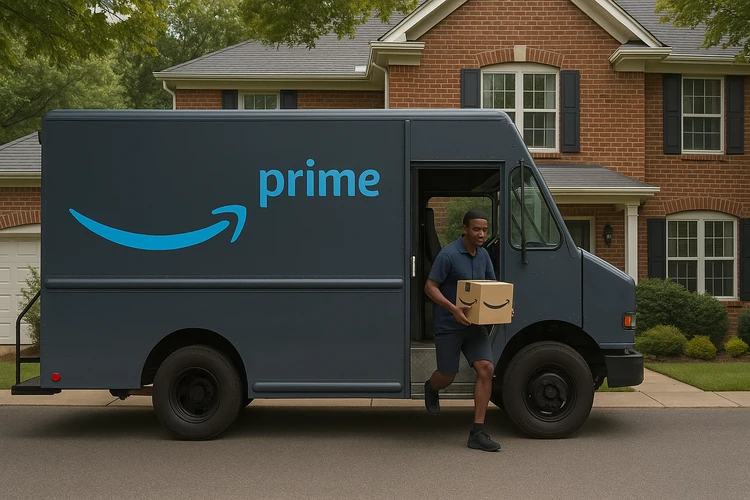
Article Image

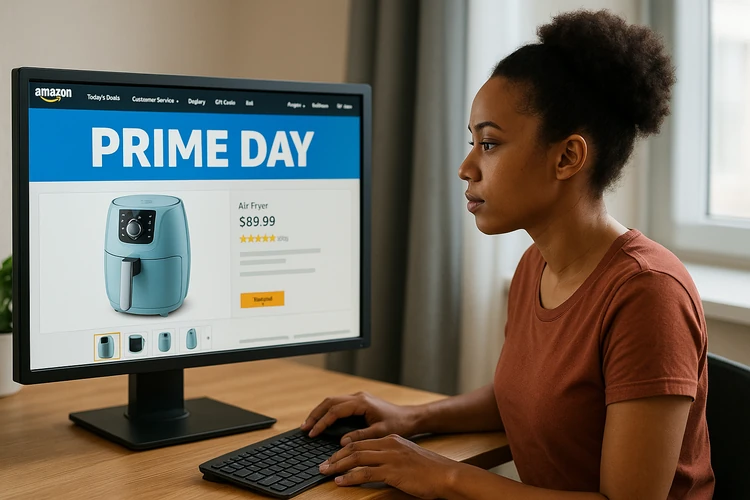
Mark your calendars: Amazon Prime Big Deal Days is October 7-8

  • Amazon’s Prime Big Deal Days is officially returning October 7-8. 

  • The retailer has several ways for shoppers to start saving now – three weeks ahead of the sales event. 

  • Start your holiday shopping early with Amazon’s Holiday Shop and deals on millions of items across the site. 


It’s that time of year again: sales time! 

Amazon officially announced that its multi-day Prime Big Deal Days sales event will be returning October 7-8. 

While the sale is still a few weeks away from officially kicking off, shoppers can start saving on select sales today – and start preparing for holiday shopping. 

“Amazon's Prime Big Deal Days returns October 7–8, kicking off the 2025 holiday shopping season with millions of deals and deep discounts across popular categories like home, apparel, toys, and beauty,” the company wrote in a news release. 

“Starting October 7 at 12:01 a.m. PDT, Prime members can shop seasonal savings across Amazon’s wide selection—from beauty must-haves and top electronics to deals on some of the most anticipated gifts of the season.” 

What’s on sale now? 

Though Amazon is touting millions of items on sale, shoppers don’t have to wait to start saving. Here’s a look at some of the deals available now: 

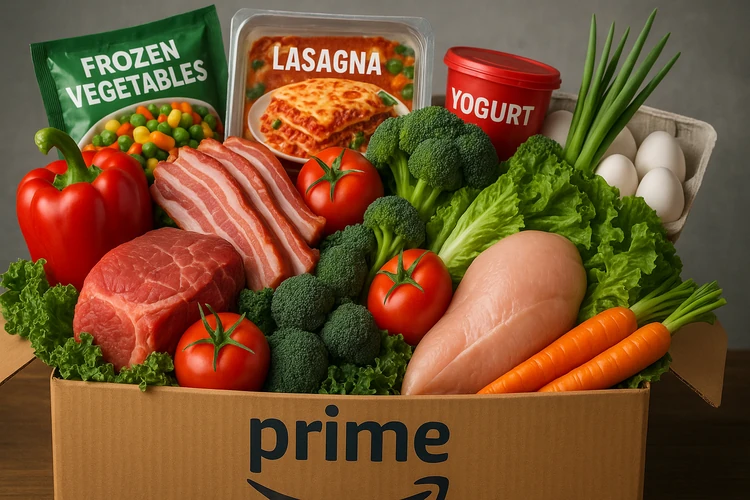
  • In-store grocery savings: Prime members can save $15 when they spend $55+ at Amazon Fresh through October 8. 

  • Amazon devices on sale: A number of products in the Amazon suite of devices are half off right now, including: Kindle, Ring, Fire Tablets, Echo Dot, and more. 

  • Prime card holders can save: The Prime Visa credit card comes with extra perks. For starters, upon approval for the card, consumers will receive a $150 Amazon gift card. Then, cardholders will receive extra cashback during Prime Big Deal Days, as well as on year-round purchases. 

  • Gas savings: Starting October 3, Prime members can save up to $1.00/gallon on all gas purchases up to 35 gallons at any bp, Amoco, and ampm gas stations. 

  • Kindle deals: Eligible Prime members can score up to three months free of Kindle Unlimited, and a select number of titles are currently 80% off. 

  • Free McDonald’s: Between September 15 and October 5, Prime members who use their free GrubHub+ membership can get a free McDonald’s 10-piece chicken nugget every single day (on orders of at least $20). 

  • Young adults save more: Prime’s Young Adult membership comes in at half the price of a traditional membership. Anyone aged 18-24 can get the first six months of Prime free, and then at $7.49/month or $69/year. 

  • Artist merch: Those looking for artist merchandise can get 30% off when they shop through Amazon Music. 

Prepare for Prime Day

Shoppers must have a Prime membership to qualify for Prime Big Deal Days sales. For those without Prime accounts, you can get a 30-day free trial, before paying either $14.99/month or $139/year. 

During the sales, shoppers can take advantage of Amazon’s Holiday Shop. With curated gift guides, you can start getting your holiday shopping done ahead of time. 

Article Image

Amazon ends longstanding Invitee benefit

  • Invitee program ends October 1, 2025 — Prime members can no longer share free shipping benefits with people at different addresses.

  • Amazon Family takes over — Only individuals living at the same primary address can continue sharing benefits such as two-day shipping, Prime Video, Prime Reading, and more.

  • Discounted standalone offer — Affected invitees (who don’t live with the account holder) are encouraged to subscribe separately at a promotional rate of $14.99 for their first year.


In a major shift to tighten access to Prime perks, Amazon has announced that it will terminate its long-running Prime Invitee program – a benefit that allowed Prime members to share free shipping with friends or family living at different addresses. This change goes into effect October 1, 2025.

Under the incoming Amazon Family structure – formerly known as Amazon Household – Prime benefits can now only be shared with individuals residing at the same primary address. That includes one additional adult, up to four teens, provided they were added before April 7, 2025, and up to four child profiles within the household.

To ease the transition for those impacted by the change, Amazon said it will offer a promotional Prime membership for $14.99 for the first year. After that, the standard rates of $14.99 per month or $139 annually apply. This offer is available now through December 31, 2025.

Strategic move to boost subscriptions

This policy shift is widely seen as an effort by Amazon to drive additional Prime subscriptions—especially relevant after the company reportedly fell short of Prime Day signup goals, despite record new member activity during the promotional event’s 25-day stretch. 

The announcement has sparked frustration among some subscribers who say that the ability to share shipping benefits was a core reason they retained their membership. Some took to social media platforms to express their intentions to cancel their subscriptions. 

Article Image

Independent data show a sharp decline in early Prime Day sales

  • Amazon Prime Day 2025 sales dropped 41% on the first day compared to 2024, according to Momentum Commerce.

  • Amazon disputes these figures, citing increased engagement and a broader sales window.

  • Analysts attribute the decline to economic uncertainty, extended sale duration, and increased competition.


Economists pay close attention to consumer spending when they assess the health of the U.S. economy. Amazon’s Prime Day event may be drawing their attention this week.

The annual July sales promotion, which began Tuesday, was originally scheduled for two days. Early in the event, Amazon extended it an additional two days. The extension coincided with a reported drop in sales numbers.

Data from Momentum Commerce indicates a 41% decrease in first-day sales compared to the previous year, raising questions about shifting consumer behaviors and market dynamics. 

Amazon challenges the report

In response to the reported figures, Amazon has contested the accuracy of third-party data. The company said there has been increased customer engagement and notes that the extended sale duration may be influencing purchasing patterns. In other words, consumers may be simply delaying their purchases.

 Amazon also points to a surge in interest for deals offering 50% off or more, suggesting that consumers are strategically timing their purchases throughout the event.

Factors Influencing Consumer Spending

Several elements may be contributing to the observed sales decline:

  • Extended Sale Duration: The shift from a two-day to a four-day event may lead consumers to delay purchases, anticipating better deals later in the sale period.

  • Economic Uncertainty: Ongoing concerns about inflation and potential trade tariffs are causing consumers to be more cautious with their spending.

  • Increased Competition: Retailers like Walmart and Target are running concurrent sales events, offering consumers alternative shopping options.

The reported initial sales dip had a tangible impact on Amazon's stock, which fell by up to 2% following the early reports. However, projections from Adobe Analytics remain optimistic, forecasting that total online spending during the four-day Prime Day event could reach $23.8 billion, marking a 28.4% increase from 2024.

As Prime Day concludes, industry observers will closely monitor whether consumer spending rebounds in the latter half of the event. The outcome may provide valuable insights into evolving shopping behaviors and the effectiveness of extended promotional strategies in the current economic climate.

Article Image

Amazon announces Prime Day dates

  • Amazon Prime Day expands to a 96-hour event from July 8 to 11, offering deals across all categories.

  • New features include “Today’s Big Deals,” exclusive daily drops, and enhanced perks for young adults.

  • Early access and additional benefits like fuel discounts, grocery savings, and cashback rewards already underway.


Amazon’s Prime Day promotion is fast approaching and this year, it will ge twice as long and feature more deals. The annual head start on Black Friday will run for 96 hours, from July 8 at 12:01 a.m. PDT through July 11.

One of the additions to Prime Day 2025 is “Today’s Big Deals”, a series of themed daily promotions showcasing some of the event’s most popular offers. These limited-time deals debut daily at midnight PDT and are available only while supplies last. Highlights include savings on top-tier brands like Samsung, Kiehl’s, and Levi’s.

Young adults aged 18–24 are also getting a special spotlight. Through Amazon’s relaunched Prime for Young Adults, members can enjoy a six-month free trial, and then half-price membership ($7.49/month). They also gain access to perks like 5% cash back, personalized savings features, and early access to curated college dorm deals.

Early deals already live

Amazon will also get an early start, offering deep discounts in the weeks leading up to Prime Day. Some of the offers include:

  • Amazon brands: Up to 30% off Amazon Basics and Essentials products, with prices starting at just $3.

  • Amazon devices: Discounts up to 50% off select smart home gear, including Blink, Ring, Fire TVs, and Kindle bundles.

  • Small businesses: Early Prime Day deals from indie brands like LuxClub, OREI, and Think Tank Scholar, available now through July 6.

  • Cashback bonanza: Prime Visa cardholders can instantly earn up to $200 in gift cards and 10% back on select deals.

  • Fuel Discounts: From July 3 to 6, members get $1 off per gallon at over 7,500 bp, Amoco, and ampm stations. Year-round savings of $0.10 per gallon are also available.

Students, parents, and teachers can take advantage of discounts through Amazon’s Back to School and Off to College Shops. These include school tech, supplies and fashion.

Article Image

Alexa is getting smarter and will soon help you order groceries, Amazon claims

Amazon is launching Alexa+, an upgraded version of its AI-powered assistant, designed to be smarter, more conversational, and capable of handling complex tasks like making dinner reservations or ordering groceries.

The new service, powered by Amazon’s proprietary AI model, Amazon Bedrock, aims to create a highly personalized user experience by learning individual preferences over time.

A more personalized assistant

According to Panos Panay, Amazon’s Senior Vice President of Devices & Services, Alexa+ is meant to feel "less like interacting with technology and more like engaging with an insightful friend."

The AI assistant can control smart home devices, play music, and order groceries from Amazon Fresh and Whole Foods Market. But it also remembers user preferences to provide more tailored recommendations.

“She knows what you’ve bought, what you’ve listened to, the videos you’ve watched, the address you ship things to, and how you like to pay,” Panay wrote in a blog post on Wednesday.

Users can also train Alexa+ by telling it details such as family recipes, important dates, and dietary preferences. This allows the assistant to make smarter suggestions.

“For example, if you are planning a dinner for the family, Alexa+ can remember that you love pizza, your daughter is vegetarian, and your partner is gluten-free, to suggest a recipe or restaurant,” Panay explained.

Pricing and availability

Amazon will offer Alexa+ for $19.99 per month, but Amazon Prime members will get access for free as part of their $139 yearly membership.

The new service will initially be available on Echo Show 8, 10, 15, and 21 devices before expanding to other models.

Amazon joins the AI race

Amazon is arriving late to the AI assistant competition, as rivals like OpenAI’s ChatGPT and Google’s Gemini have already been widely used in consumer AI applications. However, with 600 million Alexa-powered devices already in consumers' hands, Amazon hopes Alexa+ will gain a strong foothold in the AI market.

As AI assistants become more advanced, Alexa+ represents Amazon’s effort to stay relevant and offer users a more helpful and intelligent home assistant experience.

Article Image

Chinese sellers are more than half of Amazon's top sellers after 2024, research finds

Most things sold on Amazon are made in China. Now, most of its top sellers are Chinese, too.

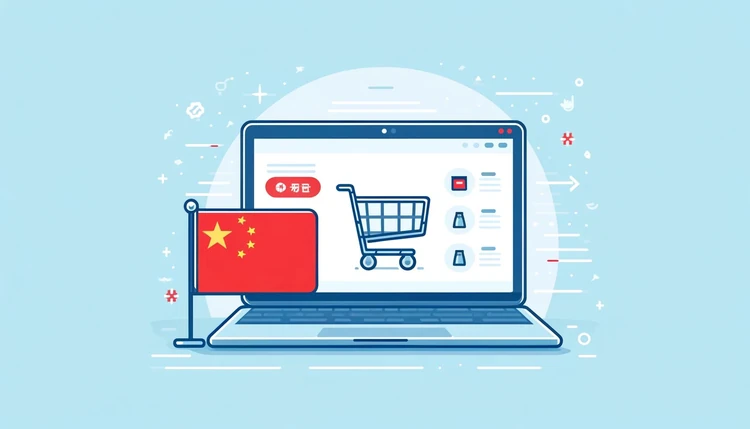
Chinese sellers on Amazon started making up more than half of e-commerce platform's 10,000 top-performing sellers in 2024, compared with U.S. sellers accounting for around 46%, according to research by consultancy Marketplace Pulse.

Back in 2016, sellers from China made up only around 15% of Amazon's top sellers, versus nearly 76% for the U.S.

China's share is even higher for all active sellers and its share has steadily gone up over the last decade in the U.S and other international versions of Amazon's platform, Marketplace Pulse said.

By comparison, Marketplace Pulse said 30% of sellers on Walmart.com are Chinese versus 20% a year ago.

The growth of Chinese sellers invites government scrutiny of Amazon and also comes at the expense of Americans, Marketplace Pulse Founder Juozas Kaziukėnas said.

"Nurturing sellers in China promises getting closer to the source at a significant expense of sellers, jobs, taxes, safety, quality, counterfeit, and many other issues in the U.S," Kaziukėnas said.

Amazon didn't immediately respond to ConsumerAffair's request for comment.

The rise of Chinese sellers follows the launch of Amazon Haul in Nov. 2024, a discount storefront where shoppers buy directly from Chinese manufacturers in an effort to compete with similar offerings like Temu.

Chinese sellers have also been gaining on e-commerce platforms even as imports from China have shown signs of decline in the U.S., Kaziukėnas said.

China accounted for less than half of low-cost imports in 2024, according to the Kearney reshoring index, after some Chinese businesses have moved manufacturing to other countries, such as Vietnam, to avoid the risk of tariffs.