
Be cautious of unexpected messages claiming to be from Amazon about your orders or account.
Never share personal or financial information outside of Amazon’s official website or app.
Report suspicious messages immediately to help Amazon stop scammers before they strike.
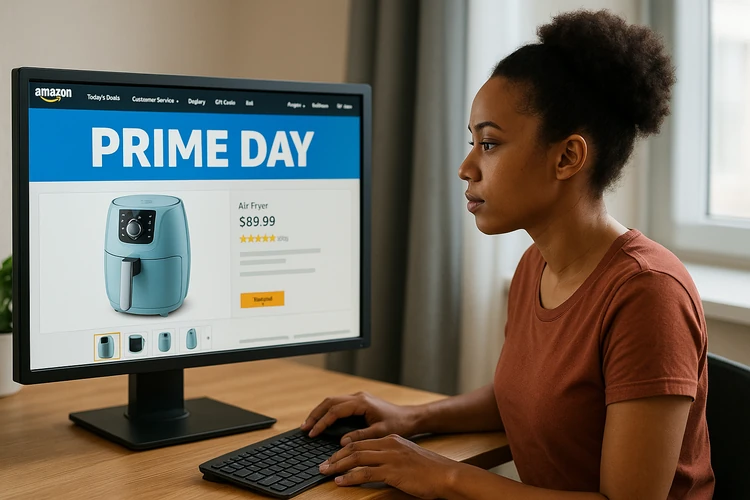
Millions of consumers will look for deals during Amazon’s two-day Prime Big Deal Days promotion, but beware – scammers are lying in wait.
Amazon is reminding consumers to stay alert for impersonation scams – fraudulent attempts to trick people into sharing sensitive information like Social Security numbers, banking details, or Amazon account credentials.
In 2023, more than two-thirds of scams reported to Amazon globally involved fake claims about order or account issues. These often start with a call, text, or email saying something like, “You bought something on Amazon that you didn’t order.” The scammer then asks for personal or account information to “fix the issue.”
“Scammers who attempt to impersonate Amazon put consumers at risk,” said Dharmesh Mehta, Amazon’s vice president of Selling Partner Services. “Although these scams take place outside our store, we will continue to invest in protecting consumers and educating the public on how to avoid scams.”
What Amazon is doing
Amazon said it has implemented several key measures to help customers stay safe:
Secure email authentication: Customers using Gmail, Yahoo!, and similar services will now see Amazon’s signature smile logo beside legitimate emails from the company—helping distinguish real messages from fakes.
Cracking down on scammers: In 2024 alone, Amazon initiated the takedown of over 55,000 phishing websites and 12,000 phone numbers linked to impersonation schemes.
Education and awareness: Amazon continues to share safety tips and resources to help consumers recognize and avoid scams.
Six tips to avoid impersonation scams
Verify purchases on Amazon. If you get a suspicious message about a purchase, don’t click any links. Instead, log into your Amazon account or app to verify.
Use only Amazon’s app or website for payments. Amazon will never ask for payment over the phone or by email, nor request a bank transfer.
Beware of urgency tactics. Scammers often claim that “immediate action” is required to pressure you into responding.
Never buy gift cards to resolve a problem. Amazon will not ask you to make a payment using gift cards.
Contact Amazon directly. If something feels off, stop interacting with the sender and reach Amazon through its app or website—not through links or phone numbers in messages.
Check Amazon’s Scam Tracker. In partnership with the Better Business Bureau, this tool allows you to search for reports of similar scams by email, URL, or phone number.
Report suspicious messages
If you suspect a scam, Amazon asks that you report it right away. Amazon offers a self-service tool for customers to flag suspicious messages quickly. Non-customers can also forward scam attempts to reportascam@amazon.com. Each report helps Amazon identify bad actors and prevent others from falling victim.