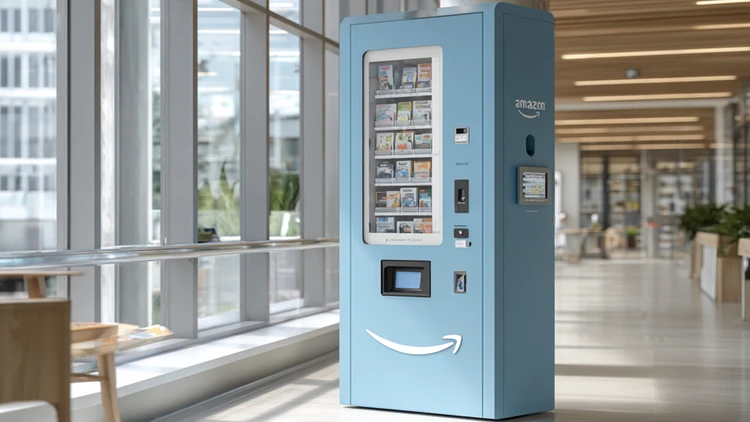

- Starts December 2025 in Los Angeles: Amazon Pharmacy kiosks inside select One Medical clinics, with more sites to come
- Doctor e-sends to Amazon → in the app choose kiosk pickup, pay, get a QR code → scan at the kiosk; pharmacist help available by video/phone
- Why it matters: Quick, on-site pickup to improve adherence; limited selection at launch
Starting in December 2025, Amazon will start placing Amazon Pharmacy Kiosks inside select One Medical clinics across the Los Angeles area (Downtown L.A., West L.A., Beverly Hills, Long Beach, West Hollywood). Amazon says more One Medical sites and other locations will follow.
Why it matters: A lot of prescriptions never get filled after the appointment because people have to make a second stop.
Amazon’s pitch is simple, walk out of the exam room and pick up many common meds in minutes from a kiosk on-site. That “right away” pickup is meant to boost adherence and cut delays.
How the kiosks work
You’ll ask your provider to send the script to Amazon Pharmacy (same as any e-prescription).
Then in the Amazon app you’ll choose kiosk pickup at checkout. You can then pay in-app (you’ll see estimated copays/discounts), get a QR code, and scan the QR code at the kiosk to dispense your medication.
To mitigate any concerns, you have the ability to talk to an Amazon-licensed pharmacist by video or phone.
As for costs, you’ll pay your usual price (cash, insurance copay, or eligible discounts) inside the Amazon app then you’ll pick up at the kiosk. Amazon hasn’t announced any kiosk-specific fees.
What you can (and can’t) get
Early reports say kiosks will stock a curated list of common drugs. Think antibiotics, inhalers, and blood-pressure meds. Many of which will be based on what each clinic typically prescribes.
They will not dispense any controlled substances or refrigerated medications.
The bigger context
When getting prescriptions filled, speed complaints are quite common.
In J.D. Power’s most recent pharmacy study, only about half of customers said their prescriptions were filled “quickly.”
This is a gap Amazon is trying to close by moving pickup to the point of care.
Access to a pharmacy is another factor contributing to this new technology. Recent research estimates roughly 18% of Americans live in “pharmacy deserts,” with another ~9% relying on a single “keystone” pharmacy, making on-site pickup a potentially meaningful option when it’s available.
Trade-offs and open questions
The kiosks will have limited prescriptions at launch. If your drug isn’t stocked (e.g., needs refrigeration or is tightly controlled), you’ll still need a traditional pharmacy.
Geography. It’s L.A.-only at first; Amazon says more sites are coming, but no firm timeline beyond the pilot city.
Amazon is reworking its health business this year. The test is whether it can actually work at scale. Stay tuned.