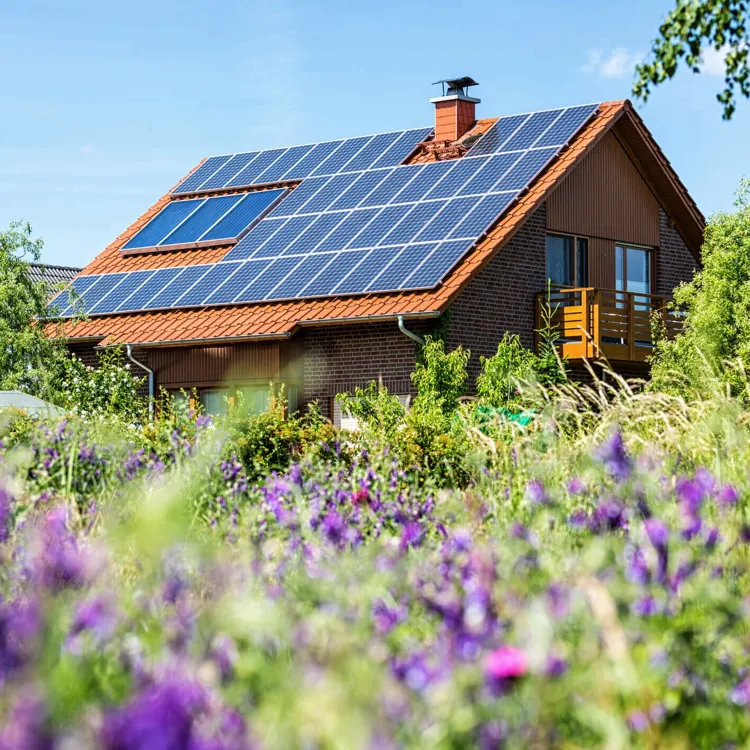
Our top pick overall

- Max. panel efficiency
- 22%
- Panel warranty
- 20 years
- Payment options
- Cash, loan, lease
- Year founded
- 2007
How ConsumerAffairs uses cookies
This website utilizes technologies such as cookies to enable essential site functionality, as well as for analytics, personalization, and targeted advertising. To learn more, view the following link:





Based on local customer satisfaction ratings, Sunrun is the best solar company in South Carolina. Freedom Solar Power stands out for long-term savings benefits, and Blue Raven Solar is our pick for customer service.
The ConsumerAffairs Research Team compared popular solar companies on ratings and reviews, warranties, availability and other factors to select the top picks for this guide. Our picks may be Authorized Partners that compensate us, but this does not affect our evaluations. Read the full methodology for all the details on how we make solar company recommendations.
| Company | Customer rating | Our pick for | Pro install | Max. panel efficiency | Panel warranty | Payment options | Year founded | |
|---|---|---|---|---|---|---|---|---|
 Sunrun | Get Started | 4.3
4,075 reviews
4,075 reviews
| Top overall |  | 22% | 20 years | Cash, loan, lease, PPA | 2007 |
 Freedom Power Solar | Get Started | 4.1
342 reviews
342 reviews
| Long-term savings | | 22.8% | 25 years | Cash, loan | 2007 |
 Blue Raven Solar | Learn More | 3.0
320 reviews
320 reviews
| Customer service | | Varies | 25 years | Cash, loan, lease, PPA | 2014 |
High electricity costs in South Carolina make going solar a smart choice for many residents.This guide highlights companies best equipped to meet the energy needs of most homeowners in the Palmetto State.

We started with a list of popular solar companies and narrowed it down to those serving South Carolina. We then ranked them based on the factors that matter most to homeowners:
Local customer satisfaction (65%)
We analyzed reviews from verified customers in South Carolina. Companies with the most recent positive ratings were scored higher.
Price satisfaction (7%)
We evaluated customer feedback on overall cost and value.
Installation satisfaction (7%)
We looked at reviews of the installation process, including professionalism, timeliness and overall quality of the work.
Customer service satisfaction (7%)
We evaluated feedback on how responsive and helpful each company is before, during and after installation.
Payment options (7%)
We considered companies that make paying for solar easier by offering multiple financing and payment options.
Warranties and guarantees (7%)
A long warranty shows confidence in a company’s work. We compared both equipment and workmanship warranties. Our top picks provide 10 to 25 years of coverage.

Jump into our guides and start learning
We’ve heard from more than 100,000 verified solar customers since 2018. A couple of things we know for sure: People like powering their homes with a reliable source of cheap, clean energy. They don’t like getting into solar contracts that don’t meet their expectations.
Here’s what to expect and what to look out for when buying solar panels in South Carolina.
A typical solar panel installation costs between $8,656 and $26,000, depending on the size of your system and what financial incentives you qualify for.
Jump to insightGoing solar isn’t just a green move in South Carolina. It’s also a smart money move.
Jump to insightLook for companies with plenty of experience installing solar panels in South Carolina. It makes it easier to navigate regulations, permits and available financial incentives.
Jump to insightSolar panels are a long-term investment — most systems last 25 years or more. That means choosing the right installer is just as important as choosing the right equipment.
Based on our research, the best solar energy companies share a few traits: strong customer reviews, high-quality equipment and reliable warranties. Here are the key steps to finding the right fit.
See our picks for the best solar companies in Charleston and Columbia for more.
If you’re going solar to save on energy costs, you have to make sure your system is big enough to generate enough power.
A typical South Carolina household needs a 14.24 kW system to offset energy costs enough to make going solar worth it. You might need a smaller or larger system depending on your household energy usage.
On your electric bill, it should say how many kilowatt-hours (kWh) you used last year. Divide that number by 1,200 to estimate your system size in kilowatts (kW). For example, if you used 12,000 kWh last year, you need a 10-kW system.
Pro tip
If you have an electric car, ask about EV charger options. Homeowners in more rural parts of South Carolina should also consider critter guards to protect the panels.
» RELATED: How many solar panels do you need for your house?
Solar panels only generate electricity when the sun is shining. A solar battery stores the extra energy your panels produce during the day so you can use it at night or during a power outage.
Without a battery, that unused energy goes to the grid, and you’ll still depend on utility power after dark.
Adding a battery can provide backup power and reduce electricity costs, but it comes with a higher upfront price. Solar battery costs are generally between $7,000 and $18,000.
Look at reviews on platforms like ConsumerAffairs and other forums to see real customer experiences. Watch out for these red flags:
Local experience matters too. Companies with a history in South Carolina understand state-specific incentive programs, utility rules, permitting requirements and how to design systems that perform well in the Blue Ridge Mountains or coastal climates.
All residential solar installers need a residential builder’s specialty registration with an electrical classification, according to the South Carolina Energy Office. Confirm your installer also has:
Get quotes from at least three or four different solar installers in South Carolina. This lets you compare different proposed equipment, pricing, financing terms and estimated energy production.
Most installers set the price according to the system's wattage, with a typical cost between $2.50 and $5 per watt. In South Carolina, the average cost per watt is $2.60.
Make sure the quoted price includes installation, permits and grid hookup, and watch for hidden fees like monitoring or service charges.
Pro tip
Upgrade old appliances before going solar. A more eco-friendly water heater, refrigerator or clothes dryer reduces how much electricity your household needs. That means you can get a smaller system, which will be cheaper overall.
The contract should be easy to understand. Focus on warranties for panels, inverters and installation workmanship, as well as any performance guarantees.
If anything about payment schedules, warranties, monitoring services or system maintenance doesn’t make sense — ask for clarification.
Average solar panel costs in South Carolina typically range between $8,656 and $26,000.
The size of your solar system plays a big role in how much it costs overall. Another major factor is what incentives you’re eligible for.
Average solar panel costs by system size in South Carolina
| 5 kW | 6 kW | 7 kW | 8 kW | 9 kW | 10 kW | |
|---|---|---|---|---|---|---|
| Before federal tax credit | $13,000 | $15,600 | $18,200 | $20,800 | $23,400 | $26,000 |
Based on feedback from dozens of solar customers in Palmetto State, the general consensus is that solar panels are worth it in South Carolina. On average, residents with solar panels can avoid $51,366 in total utility costs over 25 years.
One resident, Johnny in Williamston, is satisfied with his decision to go solar. “My carbon footprint has been reduced. My monthly electric bill has been reduced,” he said. Similarly, Jana in Donalds said her power bill went from $200 to $36 after she switched to solar.
Homeowners with solar panels typically save $20,000 to $90,000 over 25 years.
However, not everyone benefits from solar panels in the same way. South Carolina averages 4 to 4.5 peak sun hours each day. If you have a lot of shading around your house, though, the panels might not get enough sun to power your home.
If you like the idea of helping the environment, lowering your monthly utility bills and gaining more energy independence, it’s at least worth considering.
We suggest using NREL’s PVWatts Calculator to estimate how much electricity a solar panel can produce over a year on your house — just type in your address. Project Sunroof is a free solar savings estimator powered by Google Earth imagery.
» STILL NOT SURE? Solar energy pros and cons
The ITC expired at the end of 2025.
The federal solar investment tax credit (ITC) is now set to expire at the end of the year, much earlier than previously scheduled. The credit was expected to drop gradually, then fully expire in 2035 — but those future step-downs have been eliminated as of July 2025.
This means you have until Dec. 31, 2025, to install and pay for a system to qualify for the 30% credit.
On the bright side, you might be eligible for additional solar incentives in South Carolina, like the Santee Cooper rebate and loan programs.
You can pay the full cost upfront, but many finance their system through a solar loan. It works like most other types of loans — there is an application process, and you pay the loan back over time with interest.
Alternatively, you can lease solar panels. Another option is using a home equity line of credit or loan.
» SOLAR PANELS: Lease vs. buy
We are not aware of any legitimate programs for free solar panels in South Carolina. However, you can lease a solar energy system with little to no upfront costs. Just look out for scams that promise free solar panels — they can end up costing you quite a bit of money.
» FREE SOLAR PANELS: Are they really free?
As a rule of thumb, if your roof is more than 10 years old, consider fixing it before going solar. Installing solar panels on an old roof might mean you have to remove the panels, replace your roof and then reinstall the panels. This will cost around $5,000 for a 19-panel setup.
Net metering lets homeowners get credits for extra electricity their solar panels generate. In South Carolina, how much each credit is worth varies depending on the time of year and your current electric rate. The credit goes toward your next month’s utility bill. At the end of the year, your utility company will pay you for any leftover credits.
ConsumerAffairs writers primarily rely on government data, industry experts and original research from other reputable publications to inform their work. Specific sources for this guide include:
Thanks for subscribing.
You have successfully subscribed to our newsletter! Enjoy reading our tips and recommendations.
| Company | Customer rating | About | Learn More |
|---|---|---|---|
|
Sunrun
| 4.3
4,075 reviews
| Residential solar energy company offering solar panel installation, battery storage and backup power options. Available in 21 states, Washington, D.C., and Puerto Rico. Prices start at $0 down for solar leases. | Get Started |
 ShopSolar
| 4.3
221 reviews
| Solar energy solutions. Offers solar energy kits, DIY solar kits and lithium batteries. Small- and large-scale equipment. Online purchasing with shipping to 48 states. Partner installer network. Financing and warranty available. | Read Reviews |
|
Freedom Power Solar
| 4.1
342 reviews
| End-to-end solar services in Texas, Colorado and Florida. Residential and commercial properties. Includes 25-year warranty. SunPower Master Dealer. Certified Tesla Powerwall installation. 24/7 performance monitoring. | Get Started |
 Project Solar
| 3.4
88 reviews
| Solar panel dealer with partner installers. Full-service and DIY installs. Available across the continental U.S. 25-year workmanship and equipment warranty. Transparent and flat pricing online. Financing options available. | Read Reviews |
|
Blue Raven Solar
| 3.0
320 reviews
| Offers solar energy systems for $0 down. Offers 18 months of free solar power. Handles design, permits and installation. Includes a 25-year manufacturer warranty. Available in select states across the country. | Read Reviews |
 Tesla Energy
| 1.9
591 reviews
| Low-profile design with no visible hardware. One of the country’s largest solar installers. Easy-to-use app to customize settings. Offers in-house financing options. Price-match guarantee. | Read Reviews |
 Powur
Powur
| 1.0
8 reviews
| Residential solar installer serving 22 U.S. states including California and Texas. Also serves the territory of Puerto Rico. Warranties available. Offers financing in the form of loans or lease. | Read Reviews |
 Green Home Systems
| 1.0
60 reviews
| Solar panel installation. Residential and commercial solar panel projects. Includes 25-year workmanship and product warranty. Batteries available for backup storage. Free quotes by phone or online. Available nationwide. | Read Reviews |
 Aurora Solar
| 4.0
View profile
| Online solar marketplace. Connects you to solar panel installers and lenders. Online quotes in less than 60 seconds. Nationwide availability. Vetted installer network. Free quotes. Federal tax incentives for panel installation. | Read Reviews |
 Custom Solar
| 2.0
View profile
| Residential and commercial installation and maintenance across 29 states and Washington, D.C. Tesla Powerwall sales and installations. Hybrid and off-grid residential installations available. | Read Reviews |
 Plugged Solar
| 2.0
View profile
| Offers several types of plug-and-play DIY solar kits for homeowners to install without additional labor costs. Shipping throughout the United States. All products come with a 30-day return policy and a minimum one-year warranty. | Read Reviews |
 Blue Pacific Solar
| 1.0
View profile
| Sells DIY solar and wind energy kits. Ships across all of the U.S., except Alaska and Hawaii. Accepts PayPal Credit, Mastercard, Visa, Discover and American Express. Offers products from brands like Briggs & Stratton and Sol-Ark. | Read Reviews |
 Equisolar
| 1.0
View profile
| Residential and commercial solar, including installations on schools, government buildings and nonprofits. Serves parts of California, Colorado, Florida, Massachusetts, Nevada, South Carolina and Texas. | Read Reviews |
 Renu Energy Solutions
| 1.0
View profile
| Solar canopies, EV charging and commercial systems maintenance along with commercial and residential installations. Serves North and South Carolina as well as some parts of Georgia. Multiple payment options available. | Read Reviews |
 Star Enrg
| No reviews | Residential solar, commercial solar and agricultural solar installation. Offers products from Enphase, Fronius, SolarEdge and LG. Covers 13 states. Offers warranties. No financing available; upfront payments only. | |
 EnergyPal
| No reviews | Many solar panel brands available. Sells solar panels, backup batteries and solar inverters. Three different financing types offered with multiple lender options. Costs typically range from $8,000 to $32,000. | |
 Alder Energy Systems
| No reviews | Commercial and community solar services throughout the southeastern United States. Solar farm development and industrial solar services. EV charger and solar storage installation services also offered. | |
 Alternative Energy Southeast
| No reviews | Specializes in commercial, industrial and residential solar installations in Georgia and western South Carolina. Offers a 25-year workmanship warranty and a 25-year solar panel product warranty. | |
 American Solar & Alternative Energy Solutions
| No reviews | Specializes in agricultural, commercial and residential solar installations. Five-year workmanship warranties on installations. Offers hybrid and off-grid systems as well as battery backup solutions. | |
 Clear Peak Energy
| No reviews | Headquartered in Murray, Utah. Offers residential solar panel installations in Colorado, Missouri, Nevada, North Carolina, South Carolina, Texas, Utah and Virginia. Free evaluations for homeowners. | |
 CTEC Solar
| No reviews | Solar installer serving businesses in New England, the Mid-Atlantic, the South and the Midwest. Also offers operation and maintenance services for solar energy systems in these areas. Utility-scale installations available. | |
 FOR Energy
| No reviews | A Phoenix-based residential solar installer serving 17 states, including Colorado, Georgia, Missouri and Texas. Some individuals may qualify for loans with zero down. Warranties provided by the manufacturer. | |
 Golden Gate Solar Tech
| No reviews | Solar parts dealer and installer offering systems for homes, businesses, industrial buildings and cities. Also offers small specialty solar systems. Installations worldwide. Equipment from a variety of manufacturers. | |
 Green House Solar & Air
| No reviews | Designs and installs solar energy systems and provides ongoing maintenance for residential and commercial consumers. Equipment from Enphase Energy and SolarEdge. Service areas span across seven states. | |
 Hannah Solar
| No reviews | Residential and commercial solar energy system installation, energy storage, EV charging and backup generator sales across the southeastern U.S. Financing is available through loans. Offers Tesla Powerwall components. | |
 Infiniti Energy Services
| No reviews | Residential, commercial, municipal and industrial solar panel design, installation and maintenance plus electrical services. Products from Panasonic and SunPower. Financing options and warranties available. | |
 JK Renewables
| No reviews | Specializes in residential and commercial solar energy installations in 18 states and Washington, D.C. Offers a 25-year panel warranty and 50-year roofing warranty. Free solar analysis and consultations available. | |
 Next Solar Inc.
| No reviews | Residential solar panel installation and maintenance in Arizona, California, Colorado, Connecticut, Florida, Hawaii, Maryland, Massachusetts, Nevada, New Hampshire, New Jersey, New York, Oregon, Pennsylvania and South Carolina. | |
 Nova Solar CO
| No reviews | Offers residential solar energy system installations in certain cities across Colorado, North Carolina, South Carolina and Utah. Pay upfront or finance through a loan. Schedule a free consultation today. | |
 OneWorld Solar
| No reviews | Comprehensive commercial solar panel design, installation and maintenance. Service areas throughout Florida, Georgia and South Carolina. Also offers microgrids plus backup batteries. | |
 Pure Energy Solar
| No reviews | Residential and commercial solar energy system installations plus maintenance, portable solar power and consulting services across the Southeast. Offers workmanship warranties on systems. Products from Enphase, Rolls and SMA. | |
 Renewable Energy NW
| No reviews | Residential, commercial and agricultural installation of solar energy systems, solar thermal, whole house fans and electrical upgrades in the Northwest and Southeast. Free estimates available. | |
 Saving Sunshine SC
| No reviews | Residential, commercial, agricultural and industrial solar electric, water heating and pumping and wind turbine installation for the Carolinas. Offers brands like Enel X and SunPower. Free estimates available. | |
 SCREC
SCREC
| No reviews | Residential and commercial solar energy system installations throughout South Carolina. Offers 25-year panel, 25-year inverter and 10-year workmanship warranties on products from Solaria and Enphase Energy. | |
 SCSP Solar
| No reviews | Full-service residential and commercial solar installation provider offering 25-year equipment warranties. Performs installation services across all of South Carolina and other parts of the southeastern United States. | |
 Silver Sun Solar
| No reviews | Residential, commercial and multifamily solar installations, solar water heating and solar pool heating in the eastern United States. Offers brands like Enphase Energy, SMA and SolarEdge. Finance with a loan. | |
 Solaire
| No reviews | Residential solar installation for 24 states and Washington, D.C., headquartered in Nevada. Offers a 25-year manufacturer’s warranty on brands like SolarEdge,Hanwha Q CELLS and Silfab. Zero down financing available. | |
 Solar Tech Elec
| No reviews | Residential and commercial solar installer offering services in Florida and parts of South Carolina. Also offers system monitoring and battery storage. Financing options available. Brands include Silfab and Enphase. | |
 SolarTyme
| No reviews | Residential solar and backup power installations in parts of North Carolina, South Carolina and Virginia. Also offers roofing and attic insulation services. Equipment from Enphase Energy and Generac Power Systems. | |
 SolFarm Solar Co.
| No reviews | Full-service residential and commercial solar installer offering maintenance, repair, removal, reinstallations and EV charging in North Carolina and other parts of the southeastern United States. Free estimates available. | |
 South Coast Solar
| No reviews | Specializes in commercial and residential solar installations. Offers products from SunPower and Tesla Powerwall. Offers 10-year warranties on Tesla Powerwall batteries. EV charging station installations available. | |
 SuperGreen Solutions
| No reviews | Residential and commercial installation of solar energy systems, EV charging and LED lighting in 10 states and Washington, D.C. Offers a 25-year production guarantee. Finance through a loan. Get a free solar quote. | |
 U.S. Energy Solutions
| No reviews | Solar installations and maintenance in Georgia, North Carolina and South Carolina. Also offers home energy inspections, HVAC services and generator installation and repair services. Products from Enphase, Generac and SolarEdge. | |
 White Electrical
| No reviews | Commercial solar installation, maintenance and repairs in Alabama, Florida, Georgia, North Carolina, South Carolina and Tennessee. Also provides wind energy, EV charging, fiber optics and distribution systems. | |
 Freedom Forever
| 3.6
414 reviews
| Freedom Forever specializes in residential solar panel installation and solar storage solutions. Service areas extend to parts of the West, Northeast, South and Midwest. | Read Reviews |
 ION Solar
| 1.2
121 reviews
| Designs, builds and installs solar panels in 11 states. Financing options available with no upfront costs. All services provided by in-house experts. 24/7 usage monitoring available with its mobile app. | Learn More |
 Titan Solar Power
| 1.0
View profile
| Titan Solar Power specializes in residential solar panel installation plus ongoing maintenance and EV chargers. The company is headquartered in Arizona. Service areas extend to parts of the West, South, Midwest and Mid-Atlantic. | Read Reviews |
 Suntuity Renewables
| No reviews | Residential and commercial solar installations. EV charging and home automation. Free quotes available. Service in 21 states. 80% function warranty for 25 years. Pay with cash or finance with loans, leases or PPAs. |

From moving and renovations to homeownership and maintaining a car, the right company matters. Explore local guides and resources.
Find Local Companies