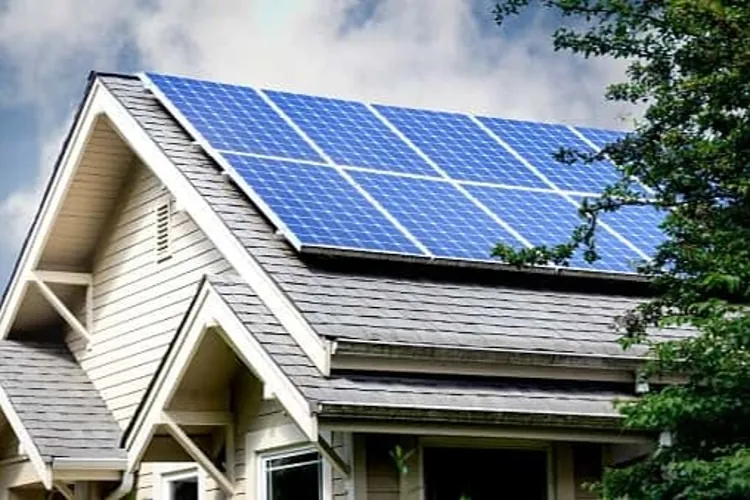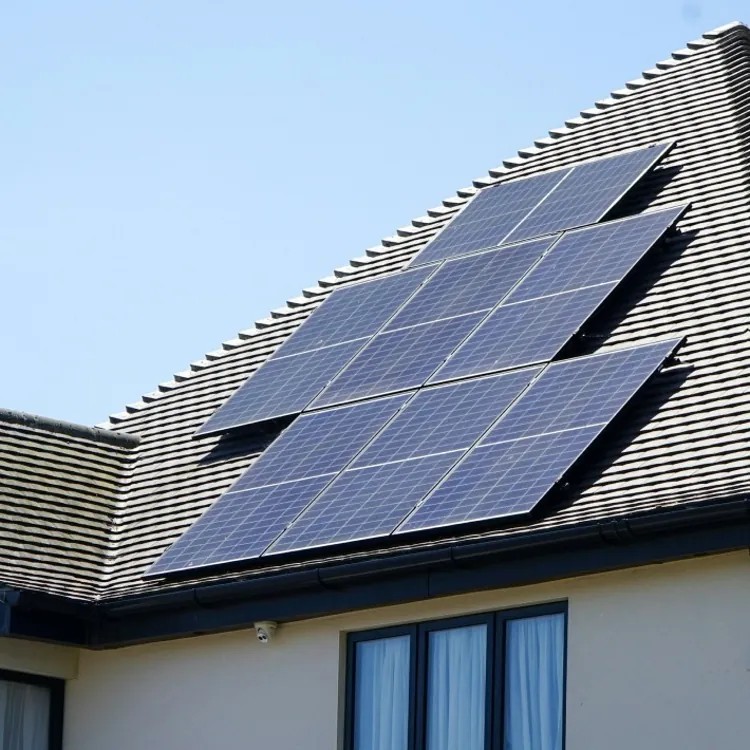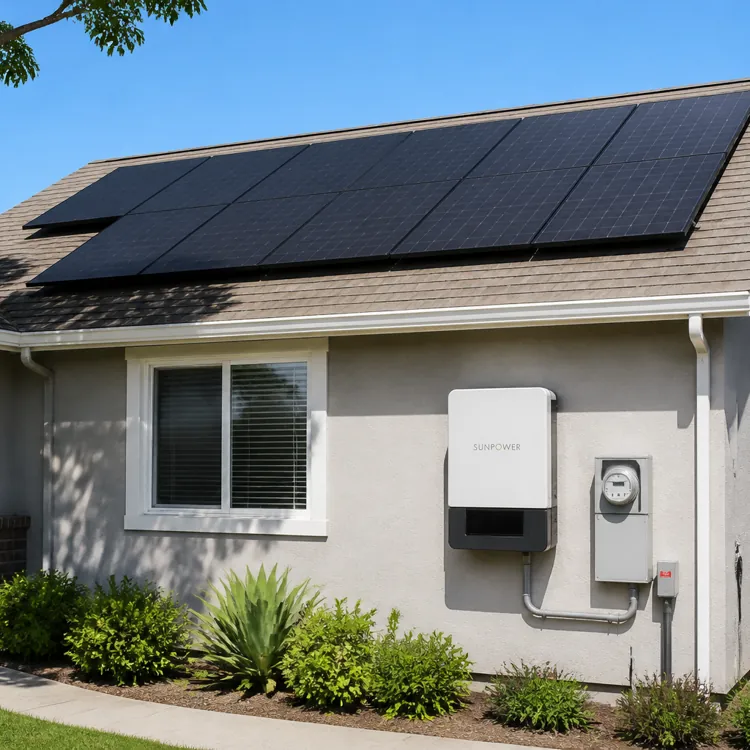

Solar panels are generally worth it if you like the idea of cheap, clean energy. The main drawback is the high upfront cost of purchasing and installing the equipment, which is why many take out a solar loan.
Financing can make solar more affordable upfront, but it’s important to compare your loan payment, interest costs and expected electricity savings.
Solar panels can provide low-cost electricity for years after the system pays for itself.
Key insights
A typical residential solar system costs $15,232 to $30,465 in Michigan.
Jump to insightIt takes solar panels approximately 16 years to pay for themselves in Michigan.
Jump to insightOver 25 years, Michigan homeowners with solar panels avoid $26,981 in total utility costs on average.
Jump to insight5 factors to consider before getting solar panels in Michigan
ConsumerAffairs has heard from thousands of solar customers who have already gone through the installation process, including dozens from Michigan. Here’s what to consider before making the switch.
1. Solar panel installation costs
Average solar panel costs in Michigan are comparable to the national average. A typical residential solar panel system costs $19,825.
Most installers set the price according to the system's wattage, with a typical cost between $2.50 and $5 per watt. “Cost per watt” is a little like looking at the price per square foot when you buy a house. It helps you compare the value of solar energy systems in different sizes. In Michigan, the average cost per watt is $3.05.
Solar panel costs by system size in Michigan
| 5 kW | 6 kW | 7 kW | 8 kW | 9 kW | 10 kW | |
|---|---|---|---|---|---|---|
| Statewide average | $15,232 | $18,279 | $21,325 | $24,372 | $27,418 | $30,465 |
| Detroit | $15,453 | $18,544 | $21,634 | $24,725 | $27,816 | $30,906 |
| Grand Rapids | $14,891 | $17,870 | $20,848 | $23,826 | $26,804 | $29,783 |
2. Your current energy consumption
It’s smart to get your electrical loads as low as possible before going solar. That way, you can get a smaller system, which will be cheaper overall. If you have older electrical appliances, upgrade those before investing in solar panels.
Homeowners with solar panels typically save $20,000 to $90,000 over 25 years.
A typical Michigan household needs a system with a capacity of 6.5 kW to offset its electricity needs with solar energy. You might need a larger or smaller system, depending on your current energy consumption.
Once you know your current energy consumption, you can calculate your potential savings and the time it should take for your solar installation to pay for itself.
3. Michigan solar incentives
The 30% federal solar tax credit has expired, and Michigan doesn’t have a broad statewide solar rebate. Still, a few programs can lower your costs or improve your savings.
Property tax break: Qualifying residential solar systems generally won’t increase your home’s taxable value while you own it.
Lansing BWL rebate: Eligible customers can get $500 per kW, up to $2,000, while funding lasts.
Michigan Saves: Homeowners may qualify for financing for solar panels, batteries and other energy upgrades.
Utility credits: Extra solar power sent to the grid can earn bill credits, though they’re usually worth less than the retail electricity rate.
What to know about net metering in Michigan
Michigan no longer uses traditional net metering for most new solar customers.
You save the most by using the solar power your home produces. If you send extra electricity to the grid, your utility gives you a credit. But, that credit is usually worth less than the electricity you buy.
Credit rates vary by utility, so check your provider’s rules before estimating how much you’ll save.
» MORE:Solar incentives in Michigan
4. How long you plan to stay in your house
It takes years for electric bill savings to make up for the initial cost — about 16 years on average in Michigan. If you sell your house and move before then, you might not fully realize the financial benefits of your solar investment.
Solar panels last 25 to 30 years.
A Zillow study found that, on average, houses with solar panels sell for 4.1% more. However, don't get solar panels just because you want to sell your house soon. Consider a home improvement project with a better return on investment, like remodeling the bathroom or kitchen, instead.
Let’s say you spend $25,000 putting solar panels on a house that costs $400,000. It might sell for $16,400 more in a few years. But you miss out on some of that $26,981 in total avoided utility costs over 25 years.
5. How you pay
It’s great if you can pay for the whole thing upfront. You own the system from day one, plus you don’t have to pay interest on a loan. Of course, that’s not always an option, which is why loans, leases and other agreements can come into play.
Solar loans work like any other type of home improvement loan. There’s an application and approval process. You pay it back over time (with interest) each month.
Leasing solar panels lets you set up a system without the high upfront costs. Monthly payments usually range $150 to $250. Agreements last 20 to 25 years.
Power purchase agreements are similar to leases. A PPA lets you install solar panels without the upfront costs. You sign a long-term contract with a solar services provider to purchase the electricity generated by the panels at a predetermined rate.
Monthly costs: solar payments vs. savings
Think of going solar in terms of your monthly costs. Financing solar panels can make sense as long as your monthly loan payment is less than what you would be paying the utility company anyway.
» SOLAR PANELS: Lease vs. buy
Is my house a good candidate for solar panels?
Going solar ends up being worth it for many homeowners as long as their house is a good candidate to support the panel installation. Here’s what to think about before you commit:
- How much sunlight do I get? Solar panels need regular exposure to sunlight to produce the most energy possible. Michigan averages 2.5 to 3.5 peak sun hours each day. However, lots of shading — like trees or tall buildings above your roof — could make your solar system less efficient.
- What is the size and angle of my roof? Michigan (and the rest of the United States) is in the Northern Hemisphere, so solar panels perform best on south-facing roofs. The worst place to install would be on north-facing roofs, especially if those roofs have a high pitch. For example, if the only place you can install is a north-facing roof with a 30-degree pitch, your costs will likely go up by 30% to 40%.
- What is the condition of my roof? If you have to replace your roof, do that before you install solar panels. Solar panels are designed to last up to 30 years, so you want your roof to last just as long. Otherwise, it could cost thousands to remove the panels, fix your roof and reinstall the panels.
Pros and cons of solar panels in Michigan
In the best-case scenario, it’s easy, and you’re happy with your system’s performance. In the worst-case scenario, you end up paying thousands for mid-tier solar equipment from a company with poor customer service and no follow-up or support.
Pros
- Long-term savings
- Better for the environment
- Low maintenance costs
- May increase home resale value
Cons
- Upfront costs
- Seasonal production variations
- Potential roof leaks
Find solar companies in Michigan
A good solar company helps you navigate local incentives, permitting and net metering policies. Compare our picks for Michigan’s top solar companies to learn more.
| Company | Customer rating | Pro install | Payment options | Year founded | |
|---|---|---|---|---|---|
 Blue Raven Solar | Learn More | 2.9 |  | Cash, loan, lease, PPA | 2014 |
 Project Solar | Learn More | 3.7 | | Cash, loan | 2020 |
 SunPower | Learn More | 3.5 | | Cash or loan | 1985 |
 ShopSolar | Learn More | 4.5 |  | Cash, loan | 2018 |
Michigan solar FAQ
What are the benefits of solar panels in Michigan?
Cheaper energy bills: The average homeowner in Michigan uses a lot of power, which adds up to a lot of savings when you switch to solar. Going solar now means that your monthly energy expenses will be more predictable (and very often significantly lower). Solar panels also protect you from future energy cost increases.
Better for the environment: Traditional energy sources like coal and natural gas release carbon dioxide and other harmful pollutants into the air. Solar panels generate electricity from sunlight, a clean and renewable energy source. Installing solar panels on your roof helps the environment primarily by reducing greenhouse gas emissions and dependence on fossil fuels.
Higher home resale value: Installing solar panels can significantly increase a home's value. According to the study mentioned above, houses with solar panels sell for 4.1% more on average. The exact increase in value varies by location, with homes in active solar markets sometimes seeing even higher boosts.
What are the drawbacks of solar panels in Michigan?
Solar equipment is expensive: Even with rebates and other financial incentives, the price typically starts between $10,000 and $30,000. It’s even more expensive if you want a solar battery for energy storage. Solar battery costs are generally between $7,000 and $18,000.
Potential roof leaks: The installation process involves drilling holes into the roof to anchor the panel mounting systems. If not done correctly, this can lead to leaks or structural damage.
Energy production varies: Solar panels are dependent on weather conditions and seasonality. Solar panels still work on cloudy days, but less available sunlight does affect how efficiently they produce energy. Snow cover may also temporarily reduce efficiency until it's removed or melts off.
» MORE: Solar energy pros and cons
How much can I save with solar panels?
On average, Michigan homeowners with solar panels avoid $26,981 in total utility costs over 25 years.
» EXPLORE: Where solar savings go the furthest
How long does it take to install solar panels in Michigan?
Installation times depend on a range of factors, especially seasonality and supply chain issues. The actual installation might take only a day, but it takes time to design, plan and activate the system.
Is it cheaper if I install solar panels myself?
It’s potentially cheaper to install your solar energy system yourself, but it’s difficult and dangerous if you don’t know what you’re doing, especially for a large residential project.
» DIY SOLAR PANELS: Pros and cons and installation guide
Bottom line: Is going solar in Michigan worth it for you?
Going solar in Michigan can be a worthwhile investment for homeowners looking to reduce their long-term energy costs and environmental impact. While the initial installation costs can be significant, federal tax credits and potential energy savings over time can make solar increasingly attractive.
However, recent changes to net metering policies in the state may affect financial returns, so it's crucial for prospective solar adopters to carefully evaluate their specific situation, including energy usage patterns and local incentives.
Additionally, Michigan's variable climate means that while solar production may be lower in winter months, the long summer days can provide substantial energy generation, potentially offsetting annual electricity costs for many households.
Solar costs vs. savings: Michigan and nearby states
| 6-kW system cost (before incentives) | 10-kW system cost (before incentives) | Typical system size needed* | Average cost per watt | Total utility power cost savings** | |
|---|---|---|---|---|---|
| Illinois | $18,415 | $30,691 | 7.3 kW | $3.07 | $28,060 |
| Indiana | $17,115 | $28,524 | 8.7 kW | $2.85 | $24,351 |
| Michigan | $18,279 | $30,465 | 6.5 kW | $3.05 | $26,981 |
| Ohio | $16,699 | $27,832 | 7.2 kW | $2.78 | $48,647 |
| Wisconsin | $19,040 | $31,733 | 7 kW | $3.17 | $37,066 |
Article sources
ConsumerAffairs writers primarily rely on government data, industry experts and original research from other reputable publications to inform their work. Specific sources for this article include:
DSIRE, "Michigan Programs.” Accessed Sept. 4, 2026.
EnergySage, "The cost of solar panels in Michigan.” Accessed Sept. 4, 2026.
Solar Energy Industries Association, "Michigan Solar." Accessed Sept. 4, 2026.
SolarReviews, "How much do solar panels cost in Michigan" Accessed Sept. 4, 2026.
U.S. Environmental Protection Agency, “Solar Power Purchase Agreements.” Accessed Sept. 4, 2026.