2025 Consumer Satisfaction and Business Performance

Article Image

Americans stretch soap, toothpaste and paychecks as grocery bills soar

• Consumers find creative ways to stretch every dollar amid inflation fatigue
• Companies like Procter & Gamble report lower sales as shoppers use less

• Many say the frugality is here to stay — even if prices eventually fall


A new wave of household thrift

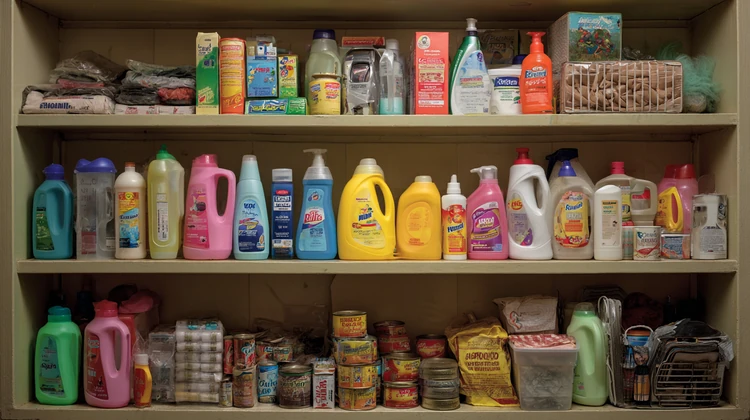
Saddled with ever-rising grocery and cleaning costs, a consumer in Mississippi began adding water to her Dawn dish liquid and Clorox floor cleaner, and switched to refillable bottles so she could stretch her supplies further. She even considered watering down her Sensodyne toothpaste, but drew the line — instead squeezing out every last bit.

She is part of a growing number of Americans embracing “creative frugality” — diluting products, cutting doses, and shopping secondhand to cope with stubbornly high prices. From Facebook Marketplace to backyard gardens, many are finding ways to reduce what they buy rather than simply switching to cheaper brands.

Companies feel the pinch

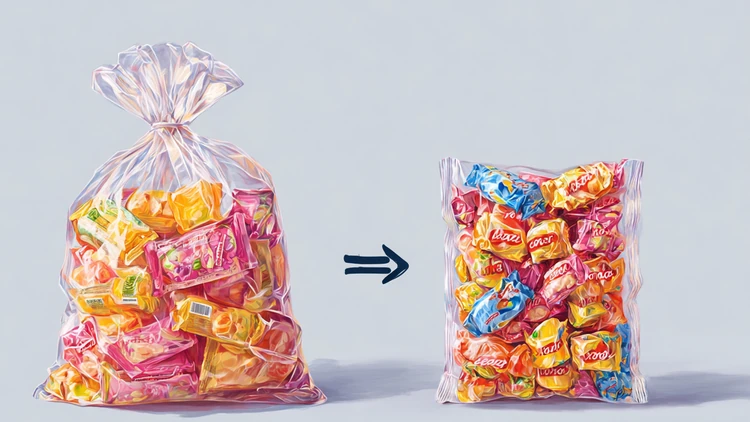
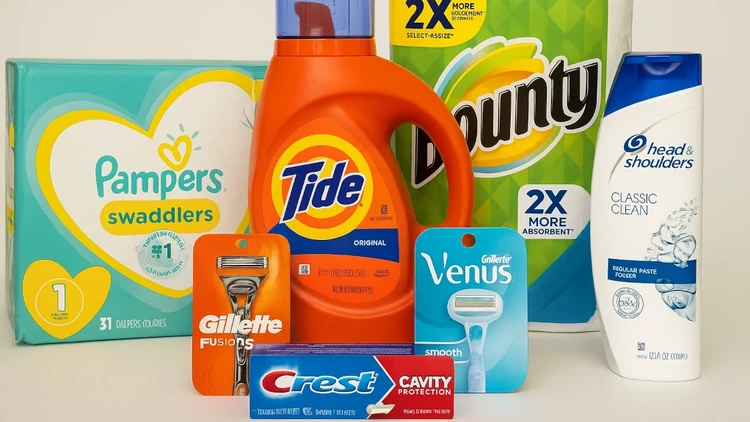
The shift is starting to show up in corporate earnings. Procter & Gamble reported a 2% volume decline in its home and fabric care division last quarter, which includes brands like Tide, Dawn and Swiffer. But private-label brands haven’t seen a matching bump — meaning consumers aren’t just trading down, they’re using less overall.

“Consumers are a little bit more cautious,” said Andre Schulten, P&G’s chief financial officer, in a Wall Street Journal story highlighting the shift to household frugality. “They are trying to be more thoughtful on usage.”

Schulten said the behavior reflects paycheck-to-paycheck stress. “Consumers who want to make it to the next paycheck tend to squeeze a bit more out of the bottle, or skimp a little bit on dosing.”

Making it last longer

In Virginia Beach, a Navy veteran abandoned Tide Pods in favor of generic laundry powder — and uses half the recommended amount, boosting it with vinegar. He dilutes his dish soap, buys Febreze overstock on Facebook Marketplace, and recently purchased half a cow from a North Carolina farmer for $2,500 — about 300 pounds of beef to last two years.

“I’ve realized you don’t need as much as you think,” he said. “There are so many ways to make the suds stretch further.”

In Atlanta, an entrepreneur grows okra, kale and broccoli in her backyard to feed her family. She’s trading down from Publix to Aldi, swapping Iams for store-brand dog food — and even mixing in cat food when stretching the last bag.

Frugality as a long-term habit

While companies like P&G expect thriftiness to fade once inflation cools, many consumers say the habit is sticking. One person quoted in the WSJ report said she has cut her family’s grocery bill by more than $400 a month, to $1,265 from a July peak of $1,696.

Her daughters are banned from grocery runs and from doing laundry. She now monitors Tide powder in a glass jar, using one scoop per load instead of two, and even splits paper towels in half for packed lunches.

Whether inflation stays high or not, America’s new thrift economy — one diluted bottle at a time — seems likely to last.

Article Image

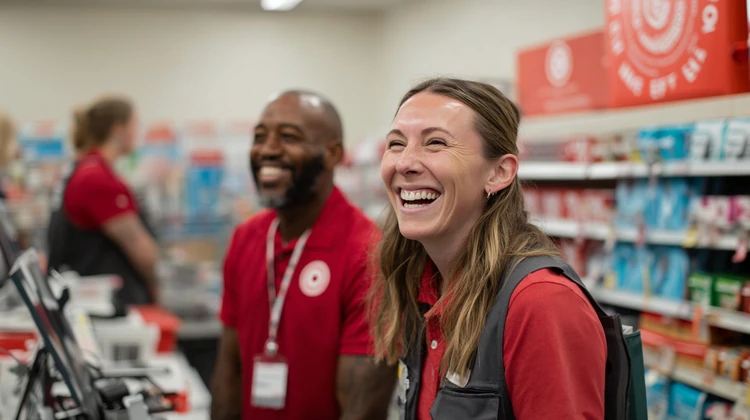
Ulta and Target to end in-store partnership in 2026

  • Ulta and Target will end their in-store beauty partnership when the current agreement runs out in August 2026.

  • Until then, you can still shop Ulta Beauty at Target stores and online, and continue earning linked rewards.

  • Both brands promise a smooth transition, with Ulta launching its own online marketplace and Target continuing to offer a strong beauty lineup.


If you’ve been a fan of the Ulta Beauty section inside Target stores, the days of shopping both stores in one are officially numbered. 

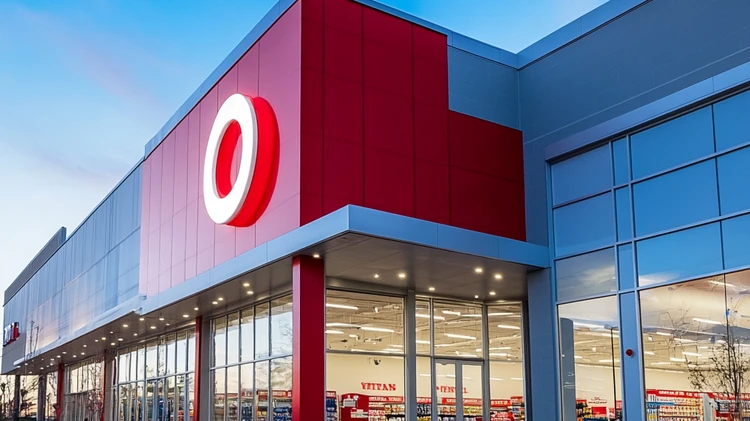
Ulta and Target announced that they have mutually decided not to renew their shop-in-shop agreement, which means the Ulta-in-Target experience will officially end when the contract wraps up in August 2026. 

However, there’s no need to worry just yet! Until then, everything still operates as usual, both in stores and online. Plus, if you've linked your Ulta Beauty Rewards with your Target Circle account, those earned perks continue until August 2026.

“For 35 years, Ulta Beauty has revolutionized how people experience beauty – bringing together an unmatched assortment from mass to luxury – and our partnership with Target was one of many unique ways we have brought the power of beauty to guests nationwide,” Amiee Bayer-Thomas, chief retail officer, Ulta Beauty, said in a news release 

“As we continue to execute our Ulta Beauty Unleashed plans, we’re confident our wide-ranging assortment, expert services and inspiring in-store experiences will reinforce our leadership in beauty and define the next chapter of our brand.”

What Shoppers Should Know

Shopping and Rewards Still Work—Until 2026

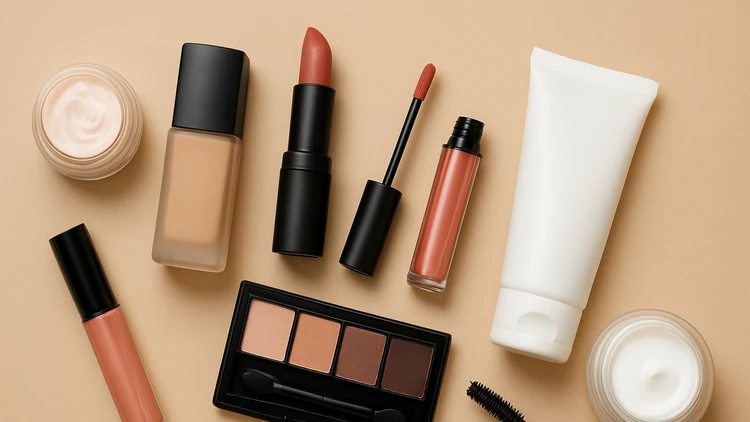
From now through August 2026, Ulta Beauty at Target remains fully operational. You can still stroll into your local Target (or browse the mobile app or website) and get all the Ulta-branded makeup, skincare, fragrance, and more — plus earn Ulta Rewards if your accounts are linked.

What Ulta Has Planned

Ulta isn’t going away — it’s focusing on growing its own game. The retailer highlights its long-standing presence (about 1,500 stores across the U.S.) and its plan to launch the Ulta Beauty Marketplace later this year, a curated online hub to bring in new brands and audiences. Essentially, Ulta is steering shoppers toward its own platforms, where rewards, a vast product mix, and salon services stay front and center.

What’s Next for Target

Target is keeping its beauty game strong. Even after the Ulta section closes, Target promises to maintain an up-to-date beauty selection — beauty essentials, brand-new finds, fun product trials, and sharp pricing. The takeaway: beauty at Target stays convenient and fresh, even without the Ulta branding.

A Smooth Transition Ahead

Both companies want consumers to know that this will be a seamless hand-off. They pledge to preserve product availability and a smooth shopping experience through the end of the partnership, plus ensure support for their teams and partners during the transition.

“We’re proud of our shared success with Ulta Beauty and the experience we’ve delivered together,” Rick Gomez, executive vice president and chief commercial officer, Target, said in the news release. 

“The magic of shopping for beauty at Target is the combination of on-trend products that delight consumers with an inspiring and convenient shopping experience. We look forward to what’s ahead and remain committed to offering the beauty experience consumers have come to expect from Target – one centered on an exciting mix of beauty brands with continuous newness, all at an unbeatable value.”

Article Image

New York secures $1 billion settlement against Yellowstone Capital

New York Attorney General Letitia James has announced a massive $1.065 billion judgment against Yellowstone Capital and its network of 25 lending companies she accused of being predatory. 

The settlement could deliver over $534 million in debt relief and at least $16 million in restitution to small businesses across New York and the U.S. that were targeted with illegal high-interest loans.

James’ suit against Yellowstone claimed the company disguised high-interest loans as merchant cash advances. These advances were purportedly structured as purchases of future revenues, but in reality, James said they imposed fixed daily repayments disconnected from the businesses' actual earnings. The suit charged the loans resulted in effective interest rates soaring up to 820% annually, far exceeding legal limits.

"Targeting small businesses with predatory loans and outrageous interest rates threatens the livelihoods of hardworking business owners and their employees," James said in a statement. 

Substantial financial relief

She said the settlement not only provides substantial financial relief but also marks a significant step in protecting small businesses from exploitative financial practices.

Among the affected businesses were City Bakery in Manhattan, which was forced to close due to the crippling debt cycle. The bakery, a staple in Union Square for nearly 30 years, succumbed to daily repayments exceeding $2,000, which it could not sustain.

The settlement requires Yellowstone to cease all collection efforts, vacate court judgments, and terminate liens on small businesses' properties. Additionally, the companies and their officers are permanently banned from the merchant cash advance industry. If they fail to adhere to the settlement terms, the immediate $16.1 million payment will increase to $30 million.