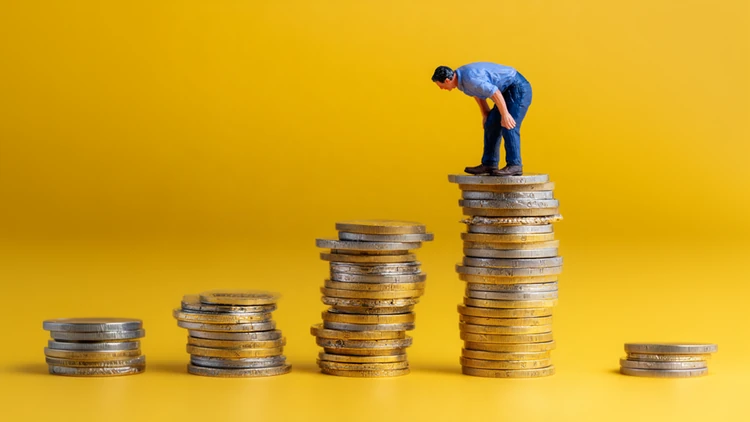

Companies aren’t just shrinking products, they’re shrinking service too — less housekeeping, weaker rewards, and more chatbots for the same (or higher) price
Hotels, customer support, and loyalty programs are big offenders: fewer cleanings, harder-to-reach humans, and points that suddenly buy a lot less
Your move: check policies before you buy, screenshot “promises,” and don’t hesitate to ask for credits, bonus points, or to downgrade/cancel when service is cut
Everyone’s been yelling about shrinkflation for the last few years. The cereal box is smaller. The chips bag is mostly air. The ice cream “pint” is mysteriously 14 ounces now.
But companies aren’t just shrinking the product, they’re now also shrinking the service that used to come with it.
In other words, you’re paying the same price (or more), but:
- Your hotel room doesn’t get cleaned every day.
- Your loyalty points suddenly don’t go as far.
- Trying to get support now means dealing with a chatbot in an attempt to talk to a human, followed by a 30-minute hold.
Let’s call it service shrinkflation, some might call it “skimpflation”, and it’s becoming a big part of why you feel like you’re getting less for your money, even when the price technically hasn’t changed.
Let’s walk through where it’s happening, how to spot it, and what you can realistically do when a company gives you less than what you thought you paid for.
Hotels: same nightly rate, less housekeeping
If you’ve stayed in a hotel recently and wondered, “Wait, do they not clean rooms every day anymore?” or “Why are there only two clean towels in the bathroom?”, you’re not imagining it.
This phenomenon seemed to really kick in gear after the pandemic when hotels started shifting away from the automatic daily housekeeping service. Forbes reported that Hilton was one of the first to institute “on request” housekeeping, meaning your room was only cleaned daily if you specifically asked for it.
Hotels often call the reduced housekeeping bit “more sustainable” or “gives guests more flexibility.” Those may be partially true, but there's no arguing the major cost savings for hotels. Savings they take advantage of without any discounts or reduced nightly rates for you.
How this hits you:
- When you’re only staying for a night or two, and you don’t get an automatic refresh of towels, your trash is not removed, and toiletries are not checked or refilled.
- You now need to call the front desk to request stuff that used to be standard.
- And the big one, you pay a higher nightly rate (especially in popular cities) while getting less service than pre-2020.
What you can do:
- Look for their housekeeping policy before you book so you know what you’re getting. They often bury the policy in their amenities or FAQ section.
- If daily housekeeping is important to you, clearly request it when you’re checking in. They’ll either offer it for free, or for a small fee, at which point you can decide if you want it.
- If the hotel advertised daily cleaning when you booked your room, but didn’t follow through on it, you’re on very solid ground to ask for a partial credit when you check out. Don’t be afraid to hold their feet to the fire since they didn’t hold up their end of the bargain.
Customer support: more bots, fewer humans
Companies are pouring more money into AI and automated customer service, and not always in a way that feels helpful.
Consulting firms like McKinsey have pointed out that AI-enabled customer service can reduce cost and improve satisfaction when it’s done well. Newer stats suggest that by the middle of this decade, roughly half of all customer service cases will be handled by AI tools.
These all might sound like positives, until you’re stuck dealing with an AI bot who has no idea what you’re talking about or how to help you.
The “service shrinkflation” version is where support is redesigned almost entirely around cost-cutting, often at the expense of the customer’s overall experience.
- Phone numbers tend to disappear or are hidden several clicks deep.
- Chatbots keep you in an endless loop and make it hard to reach a person.
- Live agents are handling more contacts per hour, which can mean rushed or superficial support when you actually reach a human.
From the consumer's standpoint, this definitely feels like: “I’m paying for the same product or membership, but it’s way harder to get help when something goes wrong.”
What you can do:
- Document the promise. If a company advertises “24/7 live support” or “priority access,” screenshot that when you sign up.
- Use the magic words: “Can you escalate me to a supervisor?” or “Can I please speak with a live agent?” Be sure to get the agent’s name and case number.
- If the support level is dramatically below what was promised, it’s reasonable to ask for a fee credit, a free month, or to cancel without penalty.
Loyalty programs: your points quietly buy less
Service shrinkflation is really obvious with many loyalty programs. You’ll often see scenarios where the annual fee stays the same, your spending stays the same, but the reward changes, almost always for the worst.
Airlines
Just this year, Qantas announced changes to its Frequent Flyer program that required passengers to have more points needed to take advantage of certain rewards. For example, on some international routes, business and first-class seats would require about 20% more points than before, with even higher fees on top of that.
Qantas argued that the changes would let them release more reward seats overall. But from the consumer’s point of view, the math is simple, you now need way more points for the same trip.
Coffee and fast food rewards
In the U.S., Dunkin’ is in the middle of another overhaul to its rewards program. Starting this past October, the reward points they required for some of their more popular items jumped significantly.
And they’re hoping you don’t notice. But the increase is so significant it’s hard not to. For example, a regular coffee jumped from 500 points needed to 600, and some specialty drinks now require nearly twice as many points as before.
Loyal Dunkin’ fans are already venting on social media and message boards about needing to spend significantly more before they can redeem a “free” drink.
What this looks like in practice:
- Nothing has changed, same app, same brand, and the same spending habits.
- The rewards program now requires more visits from you to earn the same “free” item.
- New expiration rules that wipe out points sooner if you’re not constantly active. Starbucks is famous for this with their monthly expiring stars.
You’re not imagining it and the program didn’t go away, but the value sure did.
What you can do:
- Take screenshots of reward charts or “How it works” pages when you sign up so you know where you’re starting from.
- When you notice a program has gotten worse, try asking customer service for a one-time courtesy exception (bonus points, fee waiver, or if they can honor the old system just once more).
- If you have to pay annual fee, or if a paid membership is tied to a loyalty program that just got slashed, I think you can fairly argue that it’s no longer what you signed up for and ask to downgrade or cancel without penalty.