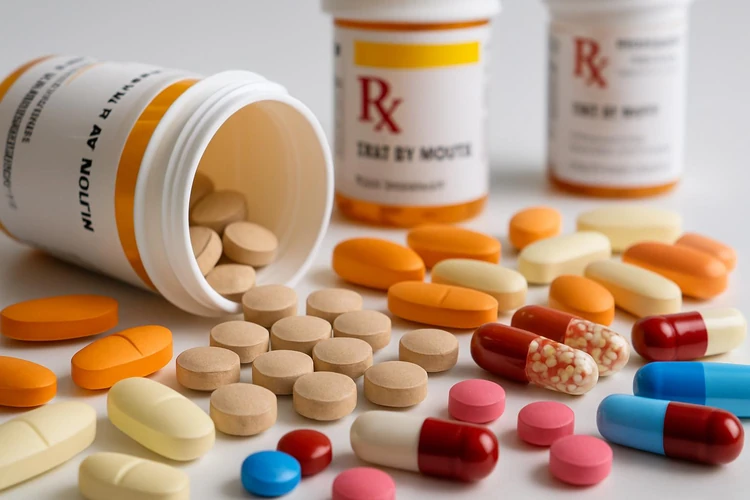







A recent study compared the cost of 33 neurologic drugs via a direct-to-consumer (DTC) pharmacy and via commercial insurance.
Out-of-pocket costs were on average 75% higher under the DTC model, but total system costs (which include insurance payments) were 413% lower.
For patients without insurance, the DTC route might offer a viable alternative—though it currently covers less than half of all neurologic drugs.
If you’ve ever paid for a prescription and winced at the price — and then wondered what your insurance was really doing for you — you’re not alone.
A study highlighted by Ohio State News explores whether online, direct-to-consumer pharmacies (like the Mark Cuban Cost Plus Drug Company) could compete with traditional insurance-based models.
“I had heard about the Mark Cuban pharmacy through colleagues and thought it would be interesting to compare the costs because his pharmacy is very direct-to-consumer – they cut out the middleman and whatever is advertised on the website is what you’re paying for, and that’s your only cost,” researcher Amanda Gusovsky Chevalier said in a news release.
The study
Here’s how the researchers set up the trial:
They focused on neurologic medications — used for conditions like Alzheimer’s, MS, Parkinson’s, and more.
From 79 medications, they found 33 that were available through the DTC pharmacy (Mark Cuban’s Cost Plus).
For each drug, they collected the out-of-pocket (OOP) cost under the DTC model (i.e. what a person would pay themselves) and estimated what it would cost under commercial insurance (including what the patient + insurer would pay).
Because insurance-based data came from 2012–2021, they used statistical modeling to project what those insurance costs might look like in 2024.
They compared two main outcomes:
1. Out-of-pocket difference (i.e. what you pay directly)
2. Total cost difference (i.e. sum of what the patient + insurer pay)They also repeated comparisons focusing only on generic drugs (i.e. leaving out brand-name ones) to see how much that changes things.
What they found: The upside (and the catch)
The results show a mixed but compelling picture:
Out-of-Pocket Costs:
On average, the DTC model’s out-of-pocket cost was 75% higher than what insured patients would pay through traditional commercial pharmacies.
However, for many medications, that difference was relatively small in dollar terms. In 76% of the drugs studied, the OOP difference was under $200 per year.
Only two medications — teriflunomide and droxidopa — had lower OOP costs via the DTC route.
Among generics only, none of the DTC drugs had lower OOP costs.
Total System Costs:
The real eye-opener: on average, DTC’s total costs (patient + what insurer would have paid) were 413% lower than in the insurance-based model.
18 out of the 33 medications (~55%) showed lower total annual costs when purchased via the DTC pharmacy.
A few drugs stood out with especially large cost reductions (e.g. teriflunomide, dimethyl fumarate, droxidopa).
One caveat: because the DTC pharmacy’s catalog is limited — it only listed 33 of 79 neurologic drugs — the model isn’t yet a full replacement.
Also, if everyone switched to DTC, the study estimated that patients’ aggregate out-of-pocket spending would increase by about $82 million — but total costs across the system might drop.
In short: for insured patients, the DTC model often means paying more out of pocket, so it may not seem appealing. But for the system at large — and especially for people without insurance — it has real promise.
“Our research has shown that the costs of medications just continue to rise through insurance plans, and it’s really important to find ways for patients to access medicines,” Gusovsky Chevalier said.
“I think this adds to a larger body of evidence showing that these direct-to-consumer pharmacies have the potential to disrupt the market in some significant way in the future. It’s important for people to know that online pharmacies like this are available.”