





2025 Understanding and Navigating Insurance

Article Image

Your life insurance may not travel abroad with you

  • Life insurance may not automatically cover you while traveling abroad, potentially leaving families vulnerable
  • Policies can contain exclusions for certain countries, high-risk activities, or lengthy stays overseas

  • A simple check-in with your insurer could prevent denied claims and financial hardship for loved ones


As Americans pack their bags for international adventures in record numbers, an overlooked detail could transform their dream trips into financial nightmares: life insurance that stops at the border.

According to Mariah Bliss, a life insurance expert with Everly Life, far too many travelers assume their life insurance offers blanket protection no matter where they roam. In reality, that’s not always true — and failing to check could leave families exposed to devastating consequences.

“Most people assume their life insurance follows them wherever they go, but that’s not always the case,” Bliss warns. “Your policy may contain territorial restrictions or exclusions that many travelers never even consider.”

In recent years, remote work, digital nomad lifestyles, and long-term overseas assignments have fueled a surge in international travel. However, this trend also increases the likelihood that Americans might find themselves in places or situations where their life insurance doesn’t apply.

Geographic gaps, high-risk zones

The idea that life insurance could leave you stranded might seem far-fetched, but Bliss explains that many standard policies were written without globe-trotting policyholders in mind. Territorial limitations are often buried in the fine print, restricting coverage to specific countries or regions—or excluding entire areas considered high-risk due to political instability, conflict, or crime.

“A death that occurs in a country not covered by your policy could result in a denied claim, leaving your beneficiaries without the financial protection you thought you’d provided,” Bliss says.

This isn’t merely theoretical. Many insurers maintain lists of high-risk countries flagged due to government travel advisories. Travel to these destinations can mean coverage exclusions or may require riders—special add-ons to maintain full benefits. For travelers heading to regions with ongoing conflict or political unrest, this scrutiny becomes even more critical.

Hazardous activities could be troublesome

Geography isn’t the only concern. Bliss points out that what you do while traveling also matters. Adventure sports, volunteer work in conflict zones, journalism assignments in dangerous areas, or even certain types of business travel can be classified as hazardous activities. Such pursuits might trigger policy exclusions or significantly higher premiums.

“It’s not just where you’re going, but what you plan to do while you’re there,” says Bliss.

Proactive Steps for Travel-Savvy Coverage

Fortunately, avoiding these pitfalls is relatively simple. Bliss urges travelers to take proactive steps:

  • Notify Your Insurer: Don’t assume your insurance company knows about your travel plans. A quick call or email documenting your destinations and activities can help prevent future claim disputes.

  • Consider Global Riders or Expat Policies: If your policy has territorial limits, ask your insurer about worldwide coverage riders or specialized expat insurance.

  • Review Beneficiaries and Claims Process: International claims can be more complicated than domestic ones. Make sure beneficiaries understand the process and have necessary documents.

  • Keep Records: Detailed documentation of travel plans, destinations, and activities can prove invaluable if questions arise.

“The more transparent you are with your insurer about your lifestyle and travel habits, the better they can tailor your coverage to protect you,” Bliss emphasizes.

As global travel continues to boom, Bliss’s message is clear: a few minutes reviewing your life insurance before you fly could mean the difference between peace of mind—and financial heartbreak for the family you leave behind.

Article Image

Charleston condo residents evacuated amid structural concerns

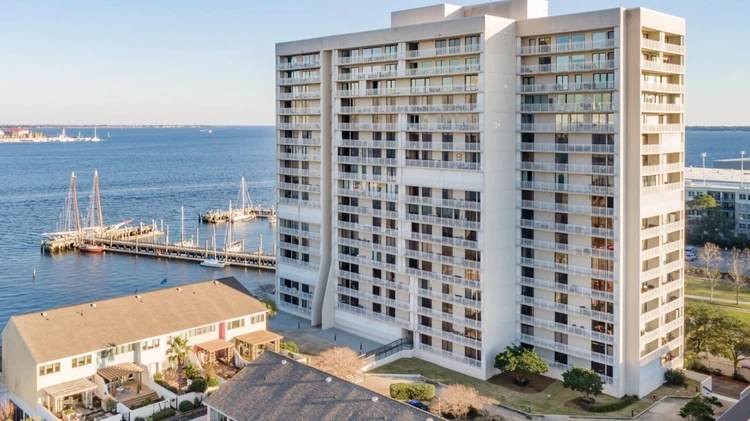
Residents of the Dockside condominium complex in Charleston, S.C., have been ordered to evacuate after city officials cited structural concerns reminiscent of the deadly 2021 Champlain Towers South collapse in Surfside, Florida. The decision follows an engineering report warning of potential failures in the 19-story building’s concrete columns.

The order came on February 27, when Charleston’s chief building official issued an urgent evacuation directive to all residents. According to reports from the Post and Courier and other news outlets, engineers are now assessing the building’s integrity to determine if it is at risk of collapse. The situation is only now gaining national attention.

Engineering firm raises red flags

Two days prior to the evacuation, an engineering firm hired by the Dockside condo board raised alarms about the building’s stability. The firm is the same one that had been consulted by the Champlain Towers condo association after the Surfside disaster, which killed 98 people.

Engineers warned that the building’s concrete columns could be at risk of punching through the concrete slabs—one of the primary triggers of the 2021 Surfside collapse, according to a report in Insurance Journal.

Concerns about the Charleston condo’s structural integrity were not new. Reports indicate that warnings about the building’s condition had been raised two years ago. In the wake of the Florida tragedy, several high-rise buildings across the U.S. underwent inspections, including structures in Charleston. In August 2024, another Charleston property, the Peoples Building, was evacuated due to similar concerns over water intrusion and structural weaknesses.

Next steps and safety assessments

Charleston officials have given the engineering firm until March 14 to complete a full structural analysis of the Dockside building. Until then, residents remain displaced, awaiting clarity on whether they will be able to return or if the building will require major repairs or even demolition.

The sudden evacuation has left many residents scrambling for temporary housing while officials work to ensure public safety. The incident serves as another reminder of the ongoing risks posed by aging high-rise structures, particularly in coastal cities where water intrusion and salt corrosion contribute to accelerated structural deterioration.

As Charleston authorities and engineers work against the clock, residents of Dockside—and beyond—are left grappling with questions about the safety of their homes and the adequacy of building inspections and maintenance protocols in the face of such risks.

Another Champlain Towers?

he Champlain Towers South collapse was one of the deadliest building failures in U.S. history, occurring in Surfside, Florida, on June 24, 2021. The tragedy resulted in 98 deaths and widespread scrutiny of building safety regulations, particularly in coastal areas.

What Happened?

  • Around 1:22 a.m., a large portion of the 12-story beachfront condominium suddenly collapsed, leaving residents trapped under tons of rubble.
  • Search and rescue efforts lasted for two weeks, but after no survivors were found beyond the initial hours, the operation transitioned to a recovery mission.
  • The remaining part of the structure was demolished on July 4, 2021, for safety reasons.

Possible Causes

  • Engineers and investigators found signs of long-term structural damage, particularly in the pool deck and underground parking garage.
  • A 2018 structural report warned of major concrete deterioration and waterproofing issues, especially in areas supporting the building’s foundation.
  • Water intrusion and corrosion from salt air may have weakened key structural components over time.
  • Investigators suggested "punching shear failure", where concrete columns effectively broke through the slabs they supported.
Article Image

Kin Insurance launches homeowners coverage in California

Kin, a direct-to-consumer, digital home insurance provider, has expanded into California with a homeowners insurance product, something that's not very easy to find in California these days. 

The policies in California are marketed and distributed through Kin Insurance Services, a California surplus lines broker. California policies are underwritten by a non-admitted carrier in partnership with Kin.

A non-admitted insurance carrier (also called a surplus lines insurer) is not licensed by the state's Department of Insurance but is allowed to sell policies under special regulations. These insurers can offer coverage that admitted (state-licensed) insurers won’t or can’t provide—often for high-risk areas like those prone to wildfires, earthquakes, or floods, which pretty much sums up some of California's most populated areas.

Non-admitted carriers generally step into areas where established carriers have pulled out because of high risks and heavy losses. They offer much the same coverage but are not covered by all the rules that admitted carriers are.

Among other things, this means that if the insurer goes bankrupt, policyholders cannot turn to the California Insurance Guarantee Association (CIGA) for compensation.

Chicago, Illinois-based Kin was founded in 2016, and reports more than 240,000 policies in effect.

Coverage Areas

As of early 2025, Kin offers homeowners insurance in the following states:​nerdwallet.com

  • Alabama​

  • Arizona​

  • California​

  • Florida​

  • Georgia​

  • Louisiana​

  • Mississippi​

  • South Carolina​

  • Tennessee​

  • Texas​

  • Virginia​

The company says it specializes in providing coverage in disaster-prone areas, such as regions susceptible to hurricanes and floods, offering tailored policies to meet the unique needs of these homeowners. ​

Article Image

New app helps ALS patients overcome health insurance denials

Patients increasingly complain that it is difficult to win approval from health insurance companies for certain types of treatment. Now, the ALS Association has introduced a new tool, the ALS Insurance Navigator, aimed at assisting individuals living with amyotrophic lateral sclerosis (ALS) and their families in navigating the often complex and challenging landscape of health insurance. 

The app is free and the ALS Association describes it as a user-friendly resource is designed to address the significant issue of insurance denials, which affect nearly one-third of the ALS community, according to a recent ALS Focus survey.

The survey highlights the critical services often denied, including medications, power wheelchair modifications, and in-home care, which result in treatment delays, financial burdens, and increased stress for families. 

Despite the daunting nature of these denials, research from the Kaiser Family Foundation shows that 80% of Medicare drug coverage denials are overturned upon appeal, yet only a small fraction -- 10% -- are ever contested.

Melanie Lendnal, senior vice president of Public Policy and Advocacy at the ALS Association, emphasized the growing frequency of these denials and their severe impact on patients' quality of life and survival, reporting that “anecdotally, these challenges are becoming more common." 

Guiding appeals

The ALS Insurance Navigator equips users with the knowledge to understand the reasons behind claim denials and offers guidance on interpreting the complex language found in denial letters. It provides a comprehensive, step-by-step approach to the appeals process, complete with letter templates, timelines, and strategic tips for building a robust case. 

It also connects individuals with essential resources, such as the ALS Association's care services team and the Patient Advocate Foundation, which offers personalized case management assistance through The ALS Insurance and Benefits Resource Line.

The association said the ALS Insurance Navigator is designed to empower individuals, whether they are new to managing insurance or currently engaged in an appeal, by helping them advocate for the needed coverage and benefits. 

Article Image

Surging insurance premiums have resulted in a surge in policy shopping

More consumers are searching for, but not necessarily finding cheaper auto and homeowners insurance. In 2024, the LexisNexis Risk Solutions U.S. Insurance Demand Meter reported an 18% increase in consumer policy shopping compared to 2023. 

There’s a fairly obvious reason. The surge is attributed to rising insurance rates over the last 12 months. LexisNexis also cites aggressive marketing campaigns by carriers promoting lower premiums. 

However, once consumers dug into the details they may have found other offers less than convincing. Despite the heightened shopping activity, the analysis found that many consumers opted not to switch their policies, indicating a complex interplay between shopping behavior and actual policy changes.

Insurance is a growing pain point for many consumers. Auto insurance rates are up by more than 11% in the last 12 months, for a variety of reasons. New cars are more expensive and contain lots of expensive high-tech parts. Auto repair costs have also risen as shops have increased pay and benefits to attract mechanics.

Home insurance policies have not only gotten more expensive in the wake of natural disasters, but some companies have stopped insuring homes in certain areas, reducing competition.

Nearly half of policies are getting shopped

By the end of 2024, 45% of policies in force had been shopped at least once in the preceding 12 months. The fourth quarter of 2024 saw a 26% increase in shopping activity and a 17.7% rise in new policy growth year-over-year. 

However, the holiday season traditionally sees a dip in new policies, a trend that continued in 2024 as consumers prioritized holiday spending over insurance shopping. This decline was more pronounced than in previous years, likely due to increased rate parity across carriers, which limited consumers' ability to find significantly lower rates.

New York and Hawaii emerged as outliers in the national trend. While most states saw pre-hard market volumes in shopping and new business, New York experienced a decline in new policy growth, remaining below fourth quarter 2020 levels. This was despite rate increases aligning with industry averages, possibly due to continued underwriting restrictions and limited marketing efforts in the state.

Looking ahead

As 2025 unfolds, the potential slowdown in policy shopping and switching may prompt carriers to step up their targeted marketing strategies.

The start of 2025 has been marked by significant events, including wildfires in Southern California and winter storms in the South, exacerbating the impact of last year's natural disasters.

While auto insurance rates have stabilized, insurers are expected to continue raising rates in response to these catastrophes. Monitoring the interplay between home insurance shopping and auto insurance behavior will be crucial as the market evolves.

Article Image

Unhappy with an insurance settlement? Complaining helps, research says

Poor insurance settlements and delayed claims often plague buyers of health and car insurance.

The good news? Complaining often works.

Only 4.1% of complaints against insurers ended with the company's position being upheld in 2024, compared with around 26% of cases ending with the insurer's position overturned or a compromise on an insurance settlement, according to a review of National Association of Insurance Commissioners data by insurance-comparison website ValuePenguin.

The findings show that appeals largely work, ValuePenguin insurance expert Divya Sangameshwar said.

"If your insurance company refuses to settle a claim in a way you think is fair or if they drop your coverage without proper reason, you have a right to appeal the company’s decision," Sangameshwar said. "The benefit of the appeal is that it forces your insurer to tell you why they’ve made their decision — and they also have to let you know you can dispute their decision."

What are most insurance complaints about?

Claim handling made up the biggest share of complaints about insurance in 2024, accounting for around 65% of cases, ValuePenguin said.

Claim handling included around 22% of complaints about delays and 12% for unsatisfactory settlements or offers.

Companies are required under regulations to respond to and resolve claims promptly, although no timelines are given, Value Penguin said.

Sangameshwar said delays can be because of incomplete or inaccurate documentation or paperwork problems from the insurance claimant.

"However, delays also come from the insurance company themselves, who may delay the process citing a need for further investigation," she said. "Or the insurer may be swamped with a high volume of claims — which is usually the case in the aftermath of a major natural disaster like a hurricane."

What kinds of insurance get the most complaints?

Accident and health insurance and car insurance drew the most complaints by far in 2024, accounting for around 37% and 35%, respectively, ValuePenguin said.

Between 2021 and 2024, ValuePenguin said accident and health insurance complaints grew around 17% and car insurance complaints increased around 32%. 

But complaints rose across the board except for liability insurance, which had a decrease of 31%.

At the more specific coverage level, private passenger car insurance, or personal auto insurance, got the most complaints at around 18% in 2024.

Following private passenger car insurance are general homeowners insurance at around 10% of complaints and individual accident and health insurance at 9%.

It is important for buyers of homeowners and car insurance to understand their coverage limits and excluded perils to avoid making claims that get denied, Sangameshwar said.

"They should also include insurance in their disaster prep, like making an inventory of all the valuable items in their home to find out how much they stand to lose in a disaster situation and making sure they have enough insurance to cover those losses," she said.

For health insurance, Sangameshwar said claimants should work with patient advocates, experts who help navigate the healthcare system.

Patient advocates can be enlisted for free through the Patient Advocate Foundation.

"Advocates can help policyholders understand their insurance policies, ensure that insurers are honoring their commitments, and assist with appealing denied claims and checking medical billing to see that policyholders aren’t overcharged," she said.

Tips for filing an insurance complaint

ValuePenguin has the following advice for filing an insurance complaint:

  • A complaint requires documentation. "Make sure you document everything while dealing with your insurer," Sangameshwar said. "You’ll need to fill out a complaint form, submit a detailed account of what happened, and provide supporting documents, emails and a log of phone calls, photographs or screenshots."
  • While complaints with your state’s Department of Insurance are meant to be a last resort, you can sometimes bypass the internal appeal process with your insurer. This could include a scenario where the insurance company isn’t complying with a reasonable time frame for an internal appeal (this standard varies by state), or if the insurance company waives its right to an internal review.
  • In the case of health insurance claims, a patient facing a life-threatening health crisis can request an expedited internal and external appeal at the same time. Pushing for a faster decision can be critical to accessing coverage for life-saving medicine or helping offset high care costs.

Email Dieter Holger at dholger@consumeraffairs.com.

Article Image

Your house burns down. What happens to your mortgage?

The recent disastrous wildfires in Southern California are an extreme example of the challenges homeowners face after their home is destroyed or seriously damaged. But a fire, flood or other disaster can strike almost anyone so it's worth facing some unpleasant facts.

Your friends will feel sorry for you, politicians will pledge their support and your family may raise a few dollars through Gofundme and, we hope, you insurance will pay off promptly, assuming you've been able to get insurance.

But whether or not those things happens, the stark truth is that you are still responsible for the mortgage payments, insurance premiums, property taxes and, if applicable, your HOA payment.

Let's review a few salient, if unpleasant, facts:

Mortgage Obligations

  • You still owe your mortgage. Even if your house is gone, you’re still required to pay the remaining mortgage balance unless your lender provides relief.
  • Relief options:
    • Disaster forbearance: Temporary suspension of mortgage payments. You must contact your lender to request this. Do this sooner rather than later. It may take time and time, as always, is money. Don't waste it. 
    • Repayment plans: Options include lump sum payments, payment deferrals, or mortgage modifications to make your repayments manageable. Lenders will usually grant you a few months of forbearance, meaning you don't have to pay right away but the unpaid amount will get tacked onto the end of your mortgage. 

Property Taxes

  • Tax payments still apply: You’re still required to pay property taxes, but natural disasters might reduce what you owe. If your house is now a pile of ashes, its value is drastically reduced. 
  • Relief Options:
    • Delayed Payments: Contact your local tax collector to request a delay.
    • Reassessment: If your property value decreases due to damage, you can apply for a reassessment to reduce taxes. This may happen automatically but you should be ready to press the issue and to document how much your property's value has decreased. 

Seek Assistance

  • FEMA: While FEMA doesn’t help with mortgage payments, it does provide support for temporary housing, repairs, and other disaster-related needs. 
  • Act Quickly: Contact your mortgage servicer or local tax office as soon as possible to explore relief options. You need to start the process quickly, since it may take a long time to complete. 

Be sure to keep making your mortgage payments if you don't arrange a forbearance agreement. You legally owe the money and if you stop making mortgage payments, you'll be considered late, which can damage your credit. You could eventually default and lose your property.

In places like Southern California, where much of the property value comes from the land rather than its structures, you should take care to avoid this outcome even if your home has been destroyed. The land is very valuable and you don't want to lose it. 

You can apply for FEMA assistance, assuming your home is in a designated diseaster area, and find applications and information on the FEMA site. 

Article Image

Consumers should consider insurance costs before buying a vehicle

The December Consumer Price Index showed the cost of new and used vehicles has fallen over the last 12 months, but the cost of insuring cars and trucks continues to rise. However, insurance rates are higher on some vehicles than on others.

The Tesla Cybertruck not only carries a high price tag, but according to insurance comparison site Insurify it’s very costly to insure. The average annual full coverage premium on the Cybertruck is $3,392 per year — 45% more than the national average of $2,336, according to Insurify data.

There are two factors that influence the Cybertruck’s insurance premiums. The first is that it’s an electric vehicle. EVs typically cost more to insure.

The second is the price tag. Insurance rates are higher for very expensive vehicles because repair and replacement costs are so high.

Cheapest to insure

On the other end of the scale, the cheapest vehicles to insure are typically small SUVs or trucks. Car and Driver ranks them like this:

  • Subaru Outback

  • Honda CR-V

  • Honda Pilot

  • Ford Escape

  • Honda Odyssey

  • Ford F-150

  • Jeep Wrangler

  • GMC Sierra 1500

  • Toyota RAV4

  • Nissan Rogue

Location, location, location

Another factor influencing insurance rates is where you live. A recent ConsumerAffairs study identified these states as the most expensive for auto insurance:

Rank

State

Average cost of full coverage in 2020 (NAIC)

Estimated cost of full coverage in 2023

1

Louisiana

$1,685

$2,865

2

Rhode Island

$1,556

$2,645

3

New York

$1,554

$2,642

4

Washington, D.C

$1,547

$2,630

5

Michigan

$1,533

$2,606

6

Florida

$1,459

$2,480

7

New Jersey

$1,442

$2,451

8

Georgia

$1,424

$2,421

9

Nevada

$1,366

$2,322

10

Delaware

$1,349

$2,293

But the study also found that age and gender are the biggest factors that influence car insurance rates. Eighteen-year-old men pay the most, but 35-year-old women actually pay up to 21% more than men of the same age with identical driving profiles.

Article Image

What's worse than no insurance? Not having enough insurance.

Homeowners seeking to rebuild their homes after a devastating disaster may be surprised to find themselves in another conundrum – their home insurance doesn’t cover enough to help them move on with their lives and rebuild their devastated house.

They are underinsured.

Researchers who looked into the underinsurance phenomenon found that most homeowners lack enough coverage to rebuild their house after a total loss. By exploring the plight of 4,859 policyholders from 24 insurers in Colorado, where the December 2021 Marshall Fire took down more than 1,000 homes and 30 commercial buildings, researchers found that underinsured homeowners were more likely to sell off their home than rebuild it.

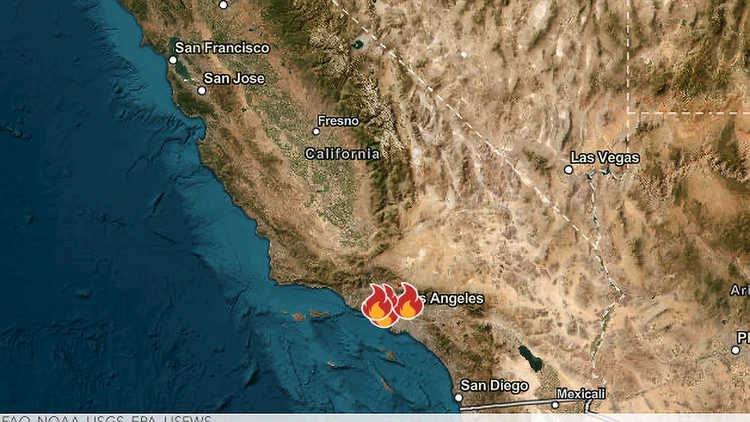
Wildfires in Southern California have already claimed close to 16,000 structures, according to the California Department of Forestry and Fire Protection, affecting people across various income streams and backgrounds. And with construction costs creeping up, it is unclear what rebuilding will look like for residents.

“Most people don’t have the money in the bank to rebuild a house,” said Mark Friedlander, corporate communications director for the Insurance Information Institute. “It makes a tragedy even worse.”

Friedlander reminds that most mortgage companies require homeowners to carry adequate insurance, and consumers can’t intentionally buy less required coverage. But most homeowners Triple-I surveyed in 2023 also didn’t anticipate having to experience a severe weather event.

According to the survey, 25% of homeowners didn’t believe their residence would be impacted by climate risk, and 42 percent said they didn’t believe they’d be impacted within the next five years. And only four in ten homeowners stated they completed some preventative measures on their homes, which could help mitigate damage and reduce cost.

Carmen Balber, executive director of Consumer Watchdog, said the wildfire’s impact in Los Angeles will be “massive,” and while underinsurance is always a problem, she suspects it will only worsen in California.

“The whole point of insurance is to make our communities whole in times of crisis. If the policies aren’t doing that and we’re still paying through the nose for them, then what are we paying for?” she said. “It will be really important for regulators and potentially lawmakers to step in and make insurance companies meet their obligations.”

Making sure you’re not underinsured

Sharon Cornelissen, housing director at Consumer Federation of America, said it’s getting more difficult to get insured and shop around for affordable insurance options in disaster prone areas as insurers pull out. And insurance prices can vary year by year.

“It’s good for everyone to reexamine their coverage every now and then, to ensure they’re still fully insured for both the replacement value of their home and their property within that, their possessions within the home,” Cornelissen said. “Both should be covered by their policies.”
Cornelissen provided important tips for consumers who need to recheck or shop around for insurance policies:

  • Ask what the policy excludes – Some policies do not cover flooding, wind events, or fires, and consumers may need to look at supplementary policies to help fill the gap

  • Understand the high deductibles – While a higher deductible can mean a lower monthly payment, it has to fit the consumer’s budget and comfort so that it doesn’t become a problem once an event occurs. Cornelissen also reminds that the value of the home is not linked to property value, but to replacement value which is how much it would cost to rebuild the house in the case of total destruction. She advises that consumers check if they are covered for the full replacement value of the house.

  • Shop around for the insurance – Even if a broker offers the best price on insurance, there may still be limitations. Compare prices and see if it is a good value for the protection you need.

For homeowners recovering from a disaster, Cornelissen also advises they take advantage of help from The Federal Emergency Management Agency, as they may qualify for additional help when they discover they are underinsured.

Article Image

Current flood maps aren't accurately predicting disaster risk, CFPB finds

The Consumer Financial Protection Bureau (CFPB) released a new report showing differences in how likely homeowners with mortgages are to have flood insurance, based on location, income and assets.

It founds that homeowners in coastal areas were most likely to have flood insurance and generally had higher incomes and assets, making them better able to recover from floods. However, homeowners near inland rivers and streams were less likely to have flood insurance and had fewer resources to recover from floods.

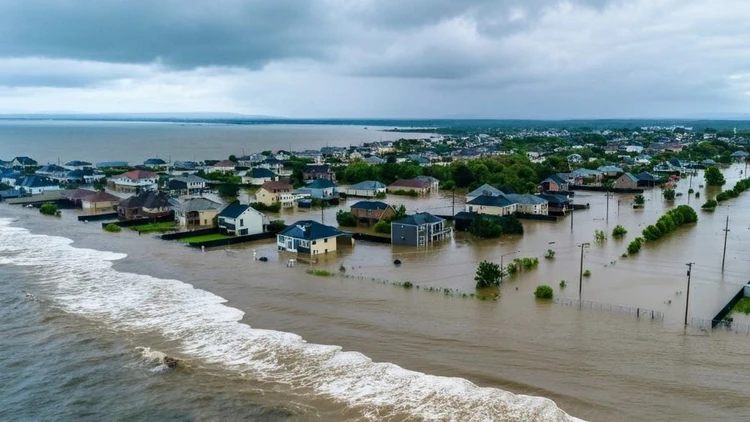
The report looked at flood risks in the southeast and central southwest U.S., using data from FEMA and the First Street Foundation. It found that FEMA's flood maps mainly focus on coastal areas and may not fully capture flood risks in inland areas. This leaves many homes underinsured, especially in inland flood-prone areas.

Key findings include:

  • Current flood maps may not accurately reflect future flood risks.
  • Over 400,000 homes in certain U.S. regions may be underinsured for flooding.
  • Homeowners in high-risk inland flood areas are more likely to have lower incomes and fewer financial resources to recover from floods.

The CFPB’s report highlights the need for better flood insurance coverage and financial resources for homeowners in flood-prone areas.

Article Image

California Realtors express hope that the insurance crisis will be addressed

Even before the Santa Ana winds turned the Los Angeles wildfires into a raging inferno, the entire area was struggling with an insurance crisis. Because a number of insurance companies canceled policies or declined to offer coverage, many Los Angeles residents who lost homes were not covered by insurance.

The California Association of Realtors, which has been dealing with the issue for at least two years, expressed hope that policymakers are ready to address the issue.

"As Los Angeles reels from the devastating fires that have resulted in the loss of homes, businesses, schools, and neighborhoods, we are encouraged by the proactive measures taken by policymakers to tackle the homeowners insurance crisis,” the group said in a statement.

Specifically, the Realtors group said it has actively worked with state leaders since the beginning of the insurance crisis and is supporting Assembly Bill 226, authored by Assembly Insurance Committee Chair Lisa Calderon and Assemblymember David Alvarez.

The bill aims to alleviate uncertainty for FAIR Plan policyholders. CAR said it also supports Insurance Commissioner Ricardo Lara's moratorium on homeowner insurance policy cancellations.

"In addition, CAR continues to support the California Department of Insurance's 'Sustainable Insurance Strategy,' key pillars of which are now in place,” said CAR President Heather Ozur, a Palm Springs Realtor.

Removing barrier to access

“This approach aims to remove barriers to insurance access, particularly for those in higher-risk areas. As we now confront the significant aftermath of these fires, we will continue to work with government leaders on solutions to ensure that all homeowners have access to the homeowners insurance they need."

In December, California introduced new insurance regulations aimed at encouraging insurers to offer more policies in wildfire-prone areas.

Under these new rules, insurers will use advanced computer models, which take into account weather, geography, and other data, to set insurance rates, rather than relying solely on past losses.

The change comes in response to the impact of climate change on wildfires, which has made it difficult to find homeowners and renters insurance in some of the state's most populous areas. 

“With our changing climate we can no longer look to the past. We are being innovative and forward-looking to protect Californians’ access to insurance,” Insurance Commissioner Ricardo Lara said in a statement.

As the fires raged last week, Lara took action to protect Southern California homeowners by issuing a mandatory one-year moratorium on insurance non-renewals and cancellations. The Commissioner’s Bulletin shields those within the perimeters or adjoining ZIP Codes of the Palisades and Eaton fires in Los Angeles County for one year from the Governor’s January 7 emergency declaration regardless of whether they suffered a loss.

Article Image

Southern California wildfire victims can now apply for federal aid

Californians affected by the wildfires in the Los Angeles area can begin applying for federal assistance, Gov. Gavin Newsom announced Saturday. 

"Thanks to our strong partnership with the federal government and the President’s swift action, Californians can apply now for federal assistance. Even as we make resources available to help folks recover, we’re still laser-focused on fighting these fires and protecting lives and property,” Newsom said.

To begin the process, go to https://www.disasterassistance.gov and answer a few questions to get started. You'll need to create an account and start an application to the Federal Emergency Management Agency (FEMA). For business losses, visit the MySBA Loan Portal.

The state has established a website -- www.ca.gov/LAfires -- where you can get real-time information, sign up for alerts and find other resources, including information for seniors, animal control and family services.

For information on filing an insurance claim, see the California Department of Insurance Wildfire Resources page. 

More about California Wildfires 

  • Southern California wildfire victims can now apply for federal aid

  • First the fire, then the insurance vacuum

  • California ups premium options for homeowners insurance

  • California revises home insurance rules, hoping insurers write more policies

What you will need

FEMA understands that you may not have all of your personal documents with you or that they may have been lost in the fires. To apply for assistance, you only need: 

  • Names of everyone living in your home at the time of the fires.
  • Social Security number (yours or your child’s).
  • Household income.
  • Contact information.
  • Information of property damage/emergency needs.

If you have insurance, you should file a claim as soon as possible. FEMA assistance is available to help jumpstart your recovery if you have uninsured or underinsured damage. If insurance does not cover all your damage, FEMA may provide additional help. There are three ways to apply: 

  • Online at DisasterAssistance.gov and in Spanish language at DisasterAssistance.gov/es.
  • Calling the FEMA Helpline at 1-800-621-3362 for assistance in multiple languages. 
  • On the FEMA App for mobile devices.  

It's a process

After applying for assistance, you will receive a letter from FEMA by mail or email and you can find it on your DisasterAssistance.gov account, based on the preference you indicated when you applied. The letter will explain whether FEMA has found you eligible for assistance, how much and how the assistance must be used.

In some cases, you may receive a letter stating you are “not approved” for help from FEMA. While this may seem like a denial, you may still be eligible for FEMA assistance. Oftentimes, survivors are “not approved” because FEMA needs additional information to make a determination. The letter will explain the reason for the initial decision. Read the letter carefully. The fastest way to submit additional documents is to upload to your disaster assistance account at DisasterAssistance.gov.

Article Image

First the fire, then the insurance vacuum

First your home burns to the ground, then you remember that the insurance company canceled your policy a few months ago.

That's the situation facing many of the Pacific Palisades homeowners who've lost their homes in the disastrous wildfires that roared through their neighborhood this week.

Many thousands of homeowners in the Los Angeles area were booted off their policies in recent months, especially those who had been covered by State Farm, which abandoned much of the state. A recent investigation by the San Francisco Chronicle found that the insurer had planned to cancel 69.4% of policies in the Pacific Palisades neighborhood. 

Insurance Commissioner Ricardo Lara said in late December that California would allow "reinsurance" costs -- the insurance that insurance companies buy -- to be added into premiums while also requiring insurers to write more policies in high-risk areas. But it's doubtful that action came soon enough to help today's fire victims.

Beyond the Palisades, a similar situation afflicts many homeowners throughout Southern California. Some have been without insurance for more than a year, basically playing roulette with their largest personal asset.  

A growing insurance drought

California isn't alone. A report published in December by the U.S. Senate Budget Committee found that Florida, Louisiana and North Carolina were also suffering from an insurance drought.

“It’s deadly, deadly serious,” said Sen. Sheldon Whitehouse (D-Rhode Island), who commissioned the report. He called the non-renewals "a sign of market distress."

Nearly 3% of insurance policies in Florida weren't renewed in 2023, the highest non-renewal rate in the nation for the last year covered by the report, which warned that other states were likely to experience similar insurance crises as climate change accelerates across the country.

"Unless the United States and the world rapidly transition to clean energy, climate-related extreme weather events will become both more frequent and more violent, resulting in ever-scarcer insurance and ever-higher premiums," the Senate report warned. 

"This is predicted to cascade into plunging property values in communities where insurance becomes impossible to find or prohibitively expensive -- a collapse in property values with the potential to trigger a full-scale financial crisis similar to waht occurred in 2008," it said.