2025 Food and Beverage Industry Trends

Article Image

In-N-Out Burger eyes Tennessee for 35 new restaurants

  • Snyder cites challenges of raising a family and doing business in California as reasons for her move
  • In-N-Out will open a new office in Franklin, Tennessee to support its southeastern expansion

  • Company maintains firm stance against broader East Coast expansion, saying “Florida has begged us”


Lynsi Snyder, the billionaire president and owner of In-N-Out Burger, announced she is leaving California and relocating to Tennessee as the iconic burger brand opens a new eastern territory office to support its expansion into the southeastern U.S.

In a recent appearance on the Relatable podcast hosted by Allie Beth Stuckey, Snyder said the company is building a new office in Franklin, Tennessee — part of a larger move to establish a presence in the state where In-N-Out plans to open 35 restaurants.

“We’re building an office in Franklin, so I’m actually moving out there,” Snyder said. “There’s a lot of great things about California, but raising a family is not easy here. Doing business is not easy here.”

Snyder, the only grandchild of In-N-Out founders Harry and Esther Snyder, has long been the face of the famously family-run burger chain. Despite her move, she assured customers that California remains central to the company’s identity. “The bulk of our stores are still going to be here in California,” she said.

Florida has "begged" for new burger joints

In February, In-N-Out announced plans to close its Irvine, Calif., headquarters and consolidate its two West Coast offices into a single facility in Baldwin Park, the city where the first In-N-Out stand opened in 1948. Snyder told Stuckey the Irvine office is expected to close by 2030.

The new Tennessee office is part of a carefully planned expansion, Snyder said. In-N-Out famously adheres to a strict logistics model that requires a patty production facility within 300 miles of any location, a constraint that has limited its national footprint. Still, the company is growing steadily into the American South and Midwest.

Despite interest from states like Florida and others on the East Coast, Snyder said she remains committed to a more selective expansion strategy.

“Florida has begged us and we’re still saying no,” she said. “You know, the East Coast states, we’re still saying no. You know, we’re able to reach Tennessee from our Texas warehouse.”

Snyder’s relocation underscores a broader trend of California-based business leaders relocating to states like Texas and Tennessee, often citing more favorable conditions for business and family life. In-N-Out’s East Coast fans may have to keep waiting—but for Tennessee burger lovers, the wait is almost over.

Article Image

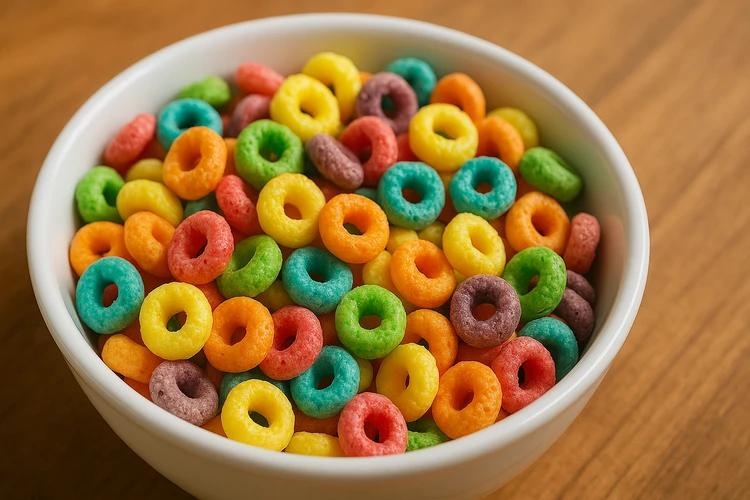
Smucker is the latest food company to ditch artificial dyes

  • Smucker joins MAHA-aligned food reform movement, announcing it will eliminate all FD&C synthetic dyes from its consumer products.

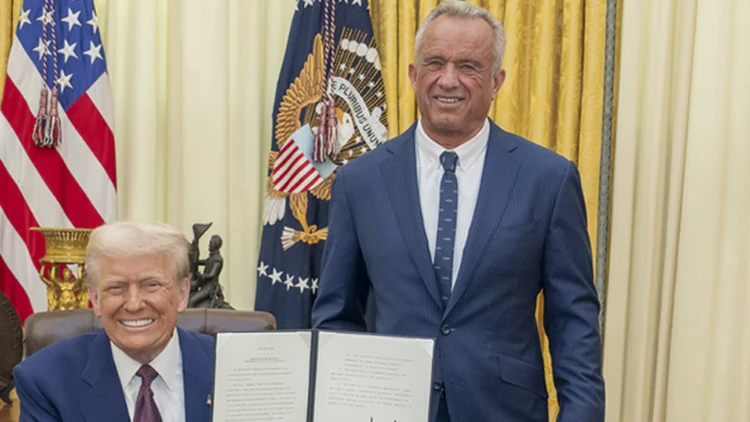
  • RFK Jr. praised industry cooperation during recent Congressional testimony, saying that enforcement has not been necessary as companies voluntarily embrace the "Make America Healthy Again" (MAHA) campaign's goals.

  • Other major brands like Starbucks, General Mills, and Kraft Heinz have also committed to removing artificial ingredients such as synthetic dyes, sweeteners, and trans fats, signaling a broad shift toward cleaner, more transparent food offerings.


In his recent testimony before Congress, Health and Human Services Secretary Robert F. Kennedy Jr. praised the food industry's responsiveness to his "Make America Healthy Again" (MAHA) campaign, noting that enforcement actions were not required.

Smucker is the latest food company to respond, announcing that it will eliminate all FD&C synthetic colors from its consumer food products by the end of 2027.

The announcement will affect several product categories, including the company’s sugar-free fruit spreads, ice cream toppings, and select items from the popular Hostess brand portfolio. Although the majority of Smucker’s current offerings are already free of synthetic dyes, the company said this initiative reflects a broader push by the food industry to reformulate products for greater transparency and health appeal.

“Throughout our 128-year history, we have successfully evolved our portfolio and product offerings based on shifts in consumer preferences,” said Mark Smucker, chairman and CEO of the company. “Our commitment to remove FD&C colors... represents the latest example of our desire to evolve and our ability to continue to innovate to deliver on the expectations of our consumers.”

The company emphasized its ongoing efforts to align with growing demand for clean-label and naturally sourced ingredients. In recent years, Smucker said it has removed high-fructose corn syrup from its Uncrustables sandwiches and introduced fruit spreads made from all-natural ingredients and with reduced sugar content.

Other companies

Kennedy said other food companies have also been supportive of his efforts. In his Congressional testimony, Kennedy pointed to Starbucks as a notable example, noting the company's commitment to removing artificial dyes, flavors, high fructose corn syrup, artificial sweeteners, and trans fats from its products. 

Starbucks has also introduced healthier options, such as a sugar-free vanilla latte with protein banana cold foam, aligning with MAHA's goals to promote public health through improved food standards. 

Kennedy said that such voluntary reforms by companies like Starbucks demonstrate a growing industry willingness to support MAHA's vision. He also mentioned that other major food manufacturers, including General Mills and Kraft Heinz, have pledged to remove petroleum-based synthetic dyes from their products within two years. 

Article Image

Instacart launches new group-ordering app, Fizz, for drinks, snacks

  • New delivery app: Instacart has introduced a new party-focused delivery app, Fizz. 

  • Split the bill with friends: Users can create group orders, sharing the link with their friends, and Fizz does all the math for you, splitting the bill automatically based on who adds what to the order. 

  • Flat delivery fee: All orders with Fizz have a standard $5 delivery fee. 


In a time where consumers can get just about anything delivered to their doors, Instacart is introducing a new delivery app – Fizz. 

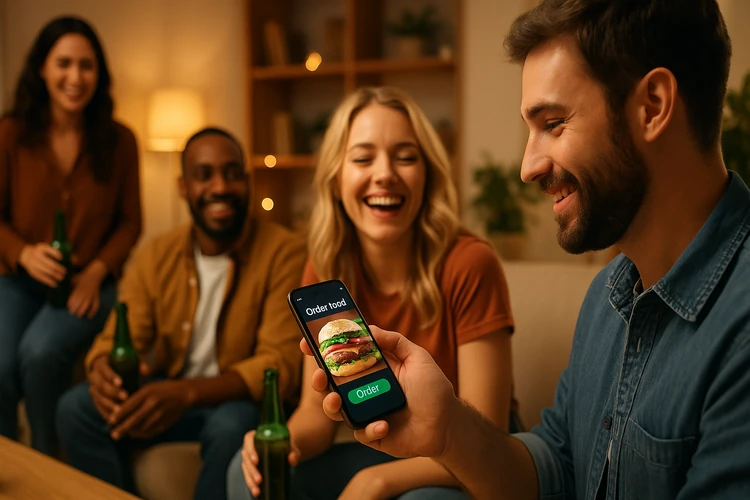
The app was designed for those hosting or attending parties, who may need some items delivered – and want to split the bill with their friends. 

With Fizz, users who are 21 or older can get alcohol and snacks delivered right to their doors, and their friends can join the app’s “party carts.” When the order is complete, each individual user is responsible for paying for what they added to the cart. 

“A party shouldn’t feel like a chore,” Instacart Chief Product Officer Daniel Danker wrote in a news release. “That’s why today we’re launching Fizz, an all-new app for drink and snack delivery, and the easiest way to stock up for a party together. Everything is delivered right when you need it, no matter how many people participate, with no membership required. 

“Plus, Fizz completely eliminates the headache of splitting the bill – you simply pay for what you added. Built and powered by Instacart, Fizz combines selection from Instacart’s leading retailer partners with lightning fast delivery.” 

How it works

To get started with Fizz, users can download the app on both the Apple App Store or the Google Play Store, or start shopping at Fizz.com in their mobile browser. 

The host of the party creates the party cart and sends the app-generated link to their friends to start shopping. Anyone with the link can add items to the cart, as well as see what others have already added. 

However, the decision on what items make the final cut, as well as when the order is delivered, is up to the host. They get to choose whether orders are delivered immediately, or at a scheduled date and time. 

Fizz also does all of the math when it comes to splitting the bill. Each friend who adds items will be responsible for paying for the items they’ve added to the party cart. 

What can you get?

What can consumers expect to see on Fizz? Any and all party essentials. 

This includes beer, hard seltzer, non-alcoholic drinks, snacks, party decorations, party supplies, and more. Instacart will match Fizz users with the store closest to them, and all items will be picked up from there and delivered to customers. 
Every order on Fizz earns users SnackBucks, which will help you save money on snacks on future orders. 

Additionally, all orders on Fizz have a $5 flat delivery fee, plus any applicable taxes and store fees. 

Article Image

U.S. will phase out synthetic food dyes

Key Takeaways:

  • The FDA is launching a comprehensive plan to eliminate petroleum-based synthetic food dyes and replace them with natural alternatives.

  • Two dyes, Citrus Red No. 2 and Orange B, will soon have their approvals revoked, while six others will be phased out by the end of next year.

  • The initiative is part of the "Make America Healthy Again" campaign, with a strong focus on protecting children's health and restoring public trust in food safety.

The U.S. Department of Health and Human Services and the Food and Drug Administration have announced a plan to phase out all petroleum-based synthetic dyes in food products. The action is part of HHS Secretary Robert F. Kennedy Jr.’s Make America Healthy Again campaign.

The FDA said it will begin by establishing a national transition framework, setting clear standards and deadlines for food manufacturers to replace synthetic dyes with natural colorants.

Two dyes—Citrus Red No. 2 and Orange B—are first on the chopping block, with authorization revocations expected within months. Meanwhile, six additional synthetic dyes, including FD&C Red No. 40, FD&C Yellow Nos. 5 and 6, and FD&C Blue Nos. 1 and 2, are slated for removal from the food supply by the end of 2026

At the same time, the FDA is expediting the approval of four natural alternatives and reviewing several others, such as calcium phosphate, Galdieria extract blue, and butterfly pea flower extract, offering manufacturers a wider range of safe, natural coloring options.

The objective

Kennedy has long been a critic of synthetic food dyes, noting that they are banned in many other countries, including Canada.

 “These poisonous compounds offer no nutritional benefit and pose real, measurable dangers to our children’s health and development,” Kennedy said in a statement. “We’re restoring gold-standard science, applying common sense, and beginning to earn back the public’s trust.”

FDA Commissioner Dr. Marty Makary echoed these concerns, linking synthetic dyes to rising childhood health issues such as obesity, diabetes, depression, and ADHD. “Today, the FDA is asking food companies to substitute petrochemical dyes with natural ingredients for American children as they already do in Europe and Canada,” Makary said.

Article Image

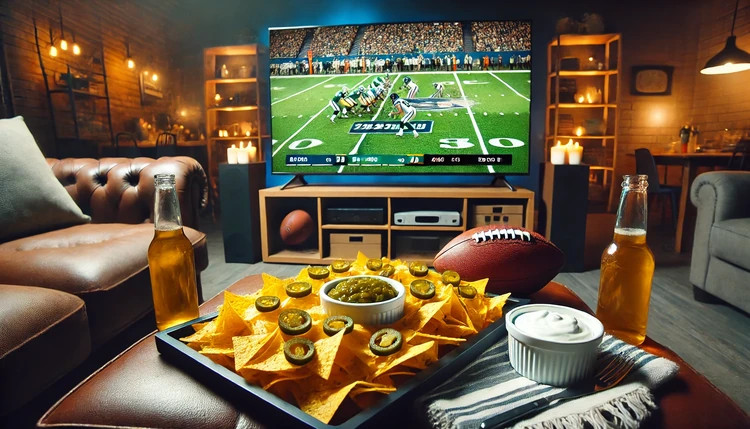
Commercials during NFL games promote unhealthy food, study finds

Super Bowl commercials always draw a lot of attention for their humor and creativity. But the underlying message of many of them might not be good for your health. 

A new study of food advertising found that the food advertised during NFL games generally promotes unhealthy food options.

The findings, published by researchers from Saint Louis University and the University of Nevada, Reno School of Medicine in JAMA Network, analyzed the nutritional content of foods advertised during televised NFL games, which are among the most-watched sporting events in the United States.

The study focused on the impact of advertising and sponsorships on consumer behavior, particularly among adults with conditions such as heart failure, coronary artery disease, hypertension, diabetes, and kidney failure.

The results showed that foods promoted during NFL games are often high in sodium, calories, and fat, contributing to excessive dietary intake. The study concludes that this trend is particularly concerning given the lack of regulations on the frequency of such advertisements.

Bad influence?

 "The thing that surprised me most was how normalized these ads and paid promotions were, and there weren't any regulations on how much people could view them," Lara Al-Zoubaidi, a third-year nutrition student at SLU said in a press release.

The study's methodology involved assessing the nutritional content of advertised foods based on information from company websites, with serving sizes determined by the presentation in each commercial. The researchers emphasized that the combination of extended viewing times and poor dietary choices could negatively impact the prevention and management of chronic cardiovascular and other conditions.

The findings suggest that healthcare providers should counsel patients with prevalent conditions to limit their intake of high-sodium foods advertised during NFL games, which could lead to improved symptoms and quality of life. 

Questions or comments? Email Jim Hood at jhood@consumeraffairs.com.

Article Image

Trump Administration's firing of the USDA Inspector General raises questions about food safety

The Trump Administration's house-cleaning efforts went into high gear Friday night, as it ousted Inspectors General (IGs) at several major departments, among them Phyllis K. Fong, Inspector General for the U.S. Department of Agriculture (USDA).

The timing was at best unfortunate, as the IG was in the midst of investigating a serious food safety incident at Boar’s Head’s facility in Jarratt, Virginia, after a fatal listeriosis outbreak was linked to the plant.

The USDA’s OIG had been alerted to repeated sanitary violations at the facility, which had sparked concern among both the public and government officials, especially after several outbreaks traced back to the plant.

Fong, who had been the USDA Inspector General since her appointment in 2002, had managed to raise awareness and prompt action on numerous food safety issues, such as those at Boar’s Head. Security agents escorted Fong from the building after she said she did not believe the Administration had followed the proper steps to remove her from her Senate-approved post. 

The White House defended the firings, saying "these rogue, partisan bureaucrats... have been relieved of their duties in order to make room for qualified individuals who will uphold the rule of law and protect Democracy."

With her ouster, the outcome of the Boar's Head investigation is in doubt, along with the continuing examinations of the growth of bird flu and of Elon Musk's brain implant startup Neuralink. 

Article Image

Feds issue health alert for Wegmans chicken nuggets

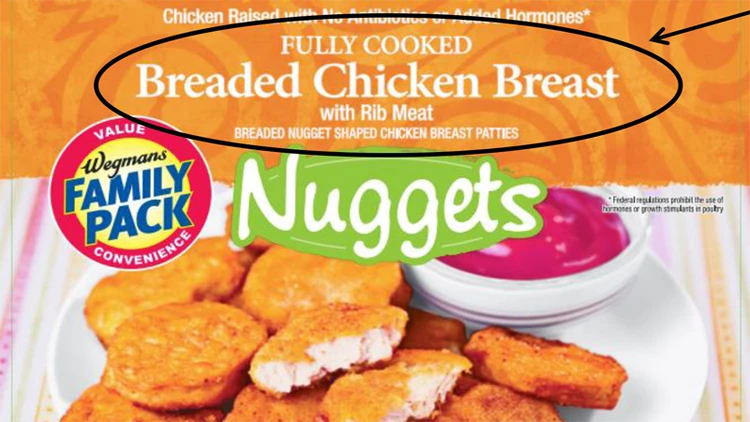
The U.S. Food Safety and Inspection Service is issuing a public health alert for frozen, fully cooked Wegmans breaded chicken breast nuggets that may be contaminated with extraneous material, specifically bone fragments. 

FSIS said it is issuing this public health alert to ensure that consumers are aware that this product should not be consumed. A recall was not requested because the product is no longer available for purchase. However, the recalled product may still be in consumers’ freezers.

The frozen, fully cooked breaded chicken breast nugget product was produced on August 26, 2024. Items included in the alert are:

  • 46-oz. plastic packages containing “Wegmans FAMILY PACK FULLY COOKED Breaded Chicken Breast with Rib Meat” and a best if used by date 08 26 25, located on the back of the packaging next to the barcode in the lower right corner. 

  • The product subject to the public health alert bears establishment number “P-33944” inside the USDA mark of inspection. This item was produced solely for Wegmans Food Markets and distributed to retail locations in Delaware, Maryland, Massachusetts, New Jersey, New York, North Carolina, Pennsylvania, Virginia, and Washington, D.C.

FSIS was notified of the issue after Wegmans received multiple consumer complaints of bone fragments in the frozen fully cooked breaded chicken breast nugget product.

There have been no confirmed reports of injury due to consumption of these products. Anyone concerned about an injury should contact a healthcare provider.                    

What to do

FSIS is concerned that some product may be in consumers’ freezers. Consumers who have purchased this product are urged not to consume it. This product should be thrown away or returned to the place of purchase. 

Consumers with questions about the public health alert can contact Wegmans Food Markets at 1-855-934-3663 Monday through Friday from 8:00 a.m. - 7:00 p.m. or Saturday and Sunday from 8:00 a.m. - 5:00 p.m. ET.

Consumers with food safety questions can call the toll-free USDA Meat and Poultry Hotline at 888-MPHotline (888-674-6854) or send a question via email to MPHotline@usda.gov. For consumers that need to report a problem with a meat, poultry, or egg product, the online Electronic Consumer Complaint Monitoring System can be accessed 24 hours a day at https://foodcomplaint.fsis.usda.gov/eCCF/.