2024 Artificial Sweeteners

Article Image

Food allergy sufferers need more support, study finds

Imagine constantly worrying about the food you eat, every single day. That's what it's like for many people with food allergies. This constant stress and fear can really affect their mental health, making them feel anxious, sad, or even depressed.

A new study found that most adults with food allergies and parents of kids with allergies feel this way. They worry about things like:

  • Having a serious allergic reaction: This is a big fear, as reactions can be life-threatening.

  • Accidentally eating something unsafe: It can be hard to avoid certain foods, especially when eating out or at school.

  • Missing out on normal activities: Food allergies can make it difficult to enjoy things like parties, sleepovers, and travel.

  • Their child being bullied: Sadly, kids with food allergies are sometimes bullied because of their condition.

The study also found that very few people with food allergies get help for these mental health struggles. This is a big problem because:

  • Most people don't get screened for these issues: Doctors often don't ask about anxiety or depression during allergy appointments.

  • Getting help is expensive: Therapy and counseling can be costly, and many people can't afford it.

The researchers behind the study want to change this. They believe everyone with food allergies should be able to get the mental health support they need. They're working on creating online resources to help people cope with the emotional challenges of food allergies.

In short:

Living with food allergies can be tough, not just physically, but mentally too. Many people struggle with anxiety and sadness, but don't get the support they need. This needs to change so that people with food allergies can live full and happy lives.

Article Image

Thousands of chemicals from food packaging can make their way into the human body

If you think you see the last of your food wrappers once you dispose of them, you may want to think again. 

A new study revealed that nearly 4,000 chemicals used for food packaging can have lasting impacts on the human body, with traces detectable in urine, breast milk, and blood. Additionally, many of these chemicals have been known to be detrimental to consumers’ health long-term.

“This work highlights the fact that food contact materials are not fully safe, even though they may comply with regulations, because they transfer known hazardous chemicals into people,” said researcher Dr. Jane Muncke. “We would like this new evidence base to be used for improving the safety of food contact materials – both in terms of regulations but also in the development of safer alternatives.” 

The risks of food wrappers

For the study, the researchers analyzed data from five human biomonitoring programs, three metabolome/exposome databases, and recent studies that included information on more than 14,000 food contact chemicals (FCCs). 

Ultimately, their analysis revealed that 3,601 chemicals, or 25%, were found in humans. This means that the chemicals that are used to make food packaging are then leaching into the human body. 

“There are surprisingly many hazardous chemicals used in food contact materials, and they do not just stay there, but quite some of them reach, to some extent, the human body,” said researcher Dr. Martin Scheringer. “This is concerning, and there clearly is a need for safer and simpler food contact materials.”

Some of the well-known chemicals that have long been detected in food packaging include metals, bisphenols, per and polyfluoroalkyl substances (PFAS), phthalates, and volatile organic compounds. Exposure to these chemicals comes with a long list of health hazards – a higher risk of cancer, reproductive issues, fertility issues, immune system issues, developmental delays, behavioral changes, and more. 

There are still unknowns

In addition to uncovering the chemicals studies have long identified in food packaging, the researchers also identified thousands of new chemicals. The primary concern is that the long-term health effects of these lesser-known chemicals are also unknown. So, as consumers continue to be exposed to them, it remains unclear how that exposure is affecting them. 

“We already knew that problematic chemicals in food packaging are not limited to well-known substances such as bisphenol and phthalates, but we were surprised by the high number of food contact chemicals for which some evidence of human exposure exists,” said researcher Olwenn Martin.

“This shows that there needs to be more research about the toxicity and exposure to many chemicals and regulation around their use in food packaging.” 

Article Image

Cinnamon products have a lead problem

Cinnamon is a favorite spice around the holidays, but this year consumers should be mindful of what increasingly comes with that spicy flavor – unhealthy levels of lead.

The U.S. Food and Drug Administration (FDA) has issued eight recalls for cinnamon products since June 1 because of lead content. The most recent came in recent days when Asli Fine Foods issued a recall for Asli Cinnamon Powder because it has the potential to be contaminated with lead. 

The issue began to gain attention in late 2023 when the FDA issued an advisory to parents and caregivers not to buy WanaBana apple cinnamon fruit puree pouches because the company recalled the product for having too much lead. In the months that followed several children were treated for lead poisoning. 

There have been 519 cases in 44 states of lead poisoning linked to the food as of March 22, according to the Centers for Disease Control and Prevention.

In spite of all the attention, cinnamon with elevated lead levels is still out there. Consumer Reports this month released a lab analysis showing that most of the 36 cinnamon products it tested had concerning amounts of lead.

So, how in the world does lead get into ground cinnamon? According to food safety experts, contaminated soil, unsafe food production and sellers mixing lead into spices are the likely culprits.

Three ways lead gets into cinnamon

Most, if not all, of the tainted ground cinnamon came from Ecuador, where the FDA said some sellers may have mixed in lead to increase the cinnamon's value by adding weight and more vibrant color.

“These recent cases may reflect a step up in surveillance,” Thomas Gremillion, director of food policy at the nonprofit Consumer Federation of America, told ConsumerAffairs earlier this year. “They may also be an indication, however, that the apple sauce incident was just the tip of the proverbial iceberg.”

Lead can also get into root crops like sweet potatoes and fruit like grapes if the soil is contaminated, food safety experts say. Lead can also get into food by coming in contact with other metals, such as aluminum, tin, brass and bronze, which is more of a problem in countries slower to phase out of lead or where it still in pipes and paint.

To ensure food is safe, Teresa Murray, consumer watchdog at the nonprofit U.S. Public Interest Research Group, says companies selling in the U.S. should focus on working with trusted partners, distributors and importers.

She adds that domestic and foreign suppliers should test their products voluntarily to meet safety standards.

Article Image

FDA is conducting a new study on the risks of toxic metals in tampons

Earlier this year, a study highlighted the potential health risks women are exposed to due to the alarming number of metals found in tampons. 

Now, the U.S. Food and Drug Administration (FDA) is working on a new study to get to the bottom of this issue and better understand how these metals are affecting women’s health. 

The decision comes after a group of senators, led by Patty Murphy (D-Wash.), put pressure on the FDA to take this issue seriously. Murphy wrote a letter to the FDA in July, emphasizing the importance of further testing to better understand the effects that this metal exposure can have on women’s health. 

“Women use about 7,400 tampons over the course of their reproductive years, so the presence of potentially harmful metals and chemicals in these products is incredibly concerning,” the members of the Democratic Women’s Caucus wrote. 

“Exposure to heavy metals can cause severe negative health effects, including damage to the cardiovascular system and liver, and an increased risk of cancer, among many other complications. The FDA must review and improve the current safety standards for tampons. We urge the FDA to take swift action to ensure that women are safe from harmful and toxic substances in tampons.” 

What are the next steps?

The FDA has outlined its next steps to ensuring women’s health and safety. 

The first step is a deep dive of currently existing literature to see what previous studies have found regarding metal exposure from tampon use. The agency has hired an independent contractor to take on this job, with the primary goal of tackling three major questions: 

  • What does the literature describe regarding prevalence, levels, and types of biomarkers (indicators of disease) found in individuals using tampons, and how does that differ from normal/expected values? 

  • What health outcomes are described in the literature associated with tampon use (not including toxic shock syndrome), and how is the frequency of these health outcomes different from those not using tampons? 

  • What does the literature describe in terms of laboratory measures from testing tampons? 

In addition to the literature review, the FDA will be conducting its own, more in-depth study on the risks women face from metal exposure in tampons. 

The initial study tested 30 types of tampons from over a dozen different brands, testing the levels of 16 metals. The results were unanimous: all of the metals were detected in the tampons, and each type of tampon contained some concentration of metal. 

With the results from this new study, the agency will be better able to guide consumers on the potential health risks associated with tampon use. 

“Millions of American consumers use tampons,” said Congresswoman Grace Meng (D-N.Y.). “They should be able to trust that the products they see on store shelves are properly regulated and will not negatively affect their health and wellbeing. 

Other health risks associated with tampons

While tampons are generally considered safe and effective for menstrual management, there are a few potential health risks associated with their use:

  1. Toxic Shock Syndrome (TSS):

This is a rare but serious bacterial infection that can be associated with tampon use.  Symptoms include high fever, rash, low blood pressure, and organ failure.

Risk factors include using high-absorbency tampons, leaving them in for too long, and having cuts or abrasions in the vagina. To reduce risk, change tampons every 4-8 hours, avoid super-absorbent tampons, and consider alternative menstrual products like pads or menstrual cups.  

  1. Irritation and Allergic Reactions:

Some people may experience vaginal irritation or allergic reactions to the materials in tampons, such as fragrances or dyes. Symptoms may include itching, burning, redness, and swelling.  

If you experience these symptoms, switch to unscented tampons or try a different brand.

  1. Exposure to Chemicals:

Concerns have been raised about potential exposure to trace amounts of chemicals in tampons, such as dioxins and pesticides. The long-term effects of this exposure are not fully understood, but research is ongoing.

Choosing organic or unbleached cotton tampons may reduce exposure to certain chemicals.

  1. Forgotten Tampons:

Leaving a tampon in for too long can increase the risk of bacterial growth and infection. Symptoms may include foul odor, vaginal discharge, and discomfort.  

If you suspect you have a forgotten tampon, seek medical attention promptly.

It's important to note that most people who use tampons do so without experiencing any health problems. However, it's crucial to be aware of the potential risks and take precautions to minimize them. If you have any concerns about using tampons, consult with your healthcare provider.

Alternatives to tampons

There are several alternatives to tampons that offer a range of benefits and drawbacks depending on your personal preferences and lifestyle:

  1. Menstrual Cups:

  • Pros: Reusable, eco-friendly, can be worn for up to 12 hours, no risk of TSS.

  • Cons: Requires initial learning curve for insertion and removal, can be messy to empty, may not be suitable for everyone.

  1. Menstrual Discs:

  • Pros: Disposable, similar to cups in terms of wear time and comfort, can be worn during sex.

  • Cons: Less eco-friendly than cups, can be tricky to insert and remove.

  1. Period Underwear:

  • Pros: Reusable, comfortable, can be worn alone or as backup protection.  

  • Cons: Can be expensive initially, requires regular washing, may not be suitable for heavy flow.

  1. Reusable Cloth Pads:

  • Pros: Eco-friendly, customizable absorbency, soft and comfortable.  

  • Cons: Requires regular washing and drying, may not be as convenient as disposables.

  1. Sea Sponges:

  • Pros: Natural and reusable, can be worn during sex, gentle on the body.

  • Cons: Not regulated by the FDA, can be difficult to clean and maintain, potential for bacterial growth if not properly cared for.

  1. Menstrual Pads:

  • Pros: Widely available, easy to use, variety of sizes and absorbencies.  

  • Cons: Disposable, can be bulky and uncomfortable, may contribute to environmental waste.  

Ultimately, the best alternative to tampons depends on your individual needs and preferences. Consider factors such as comfort, convenience, sustainability, and cost when choosing the right option for you. Don't hesitate to try different products until you find the perfect fit.

Remember: It's always recommended to consult with your healthcare provider if you have any concerns or questions about menstrual hygiene products.

Article Image

Researchers find tampons contain lead, arsenic, and other toxic chemicals

A new study conducted by researchers from the University of California Berkeley is highlighting the potential health risks associated with tampons. 

Of 30 different types of tampons involved in the study, all 30 contained some concentration of metals or other toxic chemicals, which can pose significant health concerns for women. 

“Despite this large potential for public health concern, very little research has been done to measure chemicals in tampons,” said researcher Jenni Shearston. “To our knowledge, this is the first paper to measure metals in tampons. Concerningly, we found concentrations of all metals we tested for, including toxic metals like arsenic and lead.” 

Understanding metal exposure

For the study, the researchers looked at 30 types of tampons from 14 different brands, testing the concentration of 16 metals: arsenic, barium, calcium, cadmium, cobalt, chromium, copper, iron, manganese, mercury, nickel, lead, selenium, strontium, vanadium, and zinc. 

The results were clear: all of the metals were detected in the tampons, and each type of tampon contained some concentration of metals. 

The researchers identified differences in the metal concentration depending on whether or not the tampons were organic or non-organic, where they were purchased – in the U.S. vs. in the U.K., as well as store brand vs. name brand. 

Lead was found in all of the tampon samples in the study, though non-organic tampons were more likely to have higher levels of lead. On the other hand, non-organic tampons had higher levels of arsenic. 

What are the health risks? 

According to the researchers, exposure to lead alone is associated with several serious health risks. 

This includes disruption to the neurological, renal, cardiovascular, hematological, immunological, reproductive, and developmental systems. Low levels of lead exposure can also increase the risk of cognitive issues, including memory function, attention, and learning ability. 

How do metals get into tampons?

The researchers explained that there are a few ways that tampons can be exposed to metals and other toxic chemicals. 

For starters, the materials used to make the tampons could be contaminated in the production process. Additionally, metals may be added intentionally as antimicrobial agents, to help fight odors, or for coloring. Lastly, if contaminated water is used in the production process, that can ultimately increase the concentration of metals. 

“I really hope that manufacturers are required to test their products for metals, especially for toxic metals,” Shearston said. “It would be exciting to see the public call for this, or to ask for better labeling on tampons and other menstrual products.” 

Article Image

Ultra-processed, plant-based food could increase the risk of heart disease

While many consumers opt for plant-based foods for a healthier choice, a new study is sounding alarm bells when it comes to some of these options. 

A new study published in The Lancet Regional Health – Europe found that ultra-processed, plant-based foods could increase consumers’ risk of heart disease and early death. 

“Previous studies have found a beneficial effect in adopting a healthful plant-sourced diet and reduced cardiovascular disease risk,” the researchers wrote. “However, none of these studies have clearly assessed whether the degree of industrial food processing affects this association. This is particularly important when considering a possible rising trend in new plant-sourced ultra-processed products.”  

The study

For the study, the researchers analyzed data from the U.K. Biobank. This included data on over 500,000 participants aged 40-69 when the study began in 2007. 

Participants completed a questionnaire at the start of the study that included information on their medical history, their current baseline health, their diets, and more. Over the course of the multi-year study, participants completed these questionnaires several times. 

The researchers then compared the health outcomes of the participants, breaking them into different groups depending on their diets. 

What are the health risks? 

Ultimately, the researchers identified a clear distinction: ultra-processed plant-based foods were associated with a higher risk of cardiovascular disease and death, whereas plant-based foods that weren’t processed had health benefits. 

The study showed that participants who ate 10% more non-processed plant-based foods had a 7% lower risk of cardiovascular disease and an 8% lower risk of coronary heart disease.

Similarly, eating 10% more non-processed plant-based foods was associated with a 13% lower risk of cardiovascular-related mortality and a 20% lower risk of coronary heart disease-related death. 

However, the opposite was found when participants ate ultra-processed plant-based foods. There was an increased risk of developing both cardiovascular disease and coronary heart disease, as well as an increased mortality risk from both conditions. 

“Despite being plant-sourced, ultra-processed-rich diets may still pose health risks due to negative effects caused by their composition and processing methods,” the researchers wrote. “High content of unhealthy fats, sodium, and added sugars contribute to dyslipidemia (high cholesterol), atherosclerosis, hypertension, insulin resistance, obesity, and metabolic disorders, all cardiovascular disease risk factors. 

The researchers also found that certain food additives in ultra-processed foods, such as monosodium glutamate and artificial sweeteners, as well as contaminants formed during industrial processing, such as acrolein, have been associated with an increased risk of cardiovascular disease, possibly through oxidative stress, inflammation, endothelial dysfunction, metabolic dysregulation, insulin resistance, and alterations in gut microbiota composition. 

Article Image

FDA tells another website to stop selling injectable semaglutide weight loss drugs

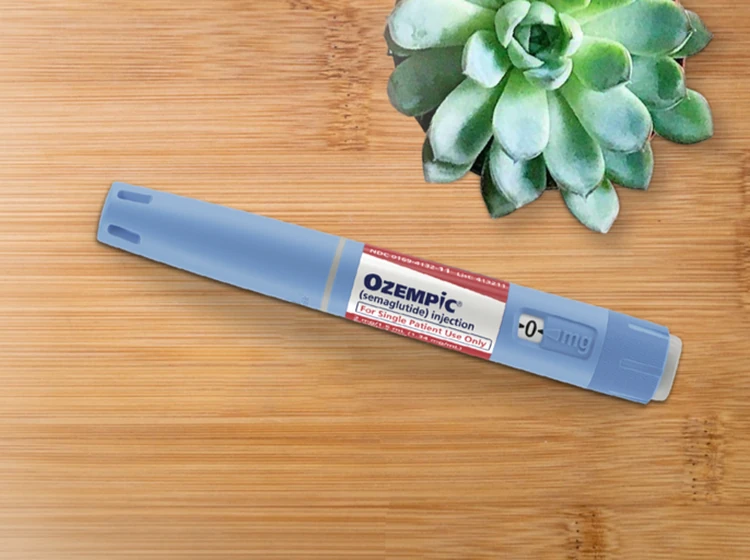
The feds are cracking down on unapproved sales of weight loss drugs claiming to contain Ozempic's active ingredient, semaglutide. Ozempen.com is the latest to get caught in the crosshairs.

Ozempen.com, which advertises the "same active ingredient as Ozempic, Rybelsus, and Wegovy, now more budget-friendly," should stop selling its selling unapproved, misbranded injectable drugs that have health risks, the U.S. Food and Drug Administration said Tuesday.

"This is critical to protect the public from harm," the FDA said.

There are two FDA-approved semaglutide drugs available by prescription, Ozempic and Wegovy, but none for the “4mg Semaglutide Pen” and “8mg Semaglutide Pen” sold on Ozempen.com, the FDA said.

FDA-approved semaglutide drugs have a so-called black box warning, the strongest required due to serious or even life-threatening effects, which notes the risk of thyroid C-cell tumors. 

This is the sixth warning letter the FDA has sent regarding Ozempic or semaglutide drugs since 2023, including to Dashpct.com, Gorillahealing.com and Semaspace.com.

The warnings come at a time when Ozempic-related scams are on the rise. People are getting targeted through email phishing scams and scammers impersonating doctors online. Phishing attempts about weight loss drugs were up 183% in the first quarter of 2024 compared with the fourth quarter of 2023, according to cybersecurity company McAfee. 

In response to scams and illicit online pharmacies, the FDA offers tools to help people safely identify where they can buy drugs online through its BeSafeRx campaign.

"Some websites may appear to be legitimate online pharmacies, but they are actually operating illegally and selling medicines that can be dangerous, even deadly," FDA spokesperson Amanda Hils told ConsumerAffairs.

Article Image

The ins and outs of improving your gut health

Many consumers struggle with maintaining good gut health, dealing with some kind of digestive issue on a daily basis. 

With countless sources sharing the latest and greatest thing to cure your gut health woes, it can be difficult to know what sources are trustworthy, what options will work, and where to even start the search. 

ConsumerAffairs sat down with Julie Ann Davey, a nurse practitioner who specializes in functional medicine and gut health, to share the ins and outs of improving your gut health. 

Beyond the gut

Maintaining optimal gut health is important because it goes beyond your stomach. Davey explained that our gut health can affect just about every other bodily system – our immune systems, hormone levels, nervous systems, etc. 

“A healthy gut means that the balance of bacteria is good, the gut lining is strong, the immune system is strong, and digestion of food and nutrients are optimal,” Davey said. “A healthy gut also communicates with the brain through nerves and hormones, which helps maintain general health and well-being. 

“There is no disease or condition that does not originate in the gut at a core and foundational level. We cannot achieve our highest state of wellness without a good, strong gut.” 

Gut health concerns

Because our gut health is interconnected with the rest of our bodies, there are several risks to keep in mind when you find yourself with any kind of gut issues. Davey broke down these concerns into several different categories: 

  • Digestive disorders: irritable bowel syndrome, inflammatory bowel disease, gastroesophageal reflux disease 

  • Microbiome imbalance: 

    • Dysbiosis: An imbalance in the gut microbiota

    • SIBO (Small Intestine Bacterial Overgrowth): An abnormal increase in the overall bacterial population in the small intestine.

  • Food sensitivities: lactose intolerance, gluten sensitivity, celiac disease 

  • Leaky gut: A condition where the lining of the small intestine becomes damaged, causing undigested food particles, toxins, and bacteria to leak into the bloodstream

All of these issues can lead to further issues that may not seem gut-related, including: skin conditions like acne and rosacea, chronic fatigue, mental health issues, nutrient malabsorption, and more. 

Do’s and Don’ts for better gut health 

Davey has compiled lists of things to avoid and things to do to improve gut health for consumers who may be struggling. 

Avoid: 

  • Highly processed foods

  • Excessive sugars and sweeteners 

  • Artificial additives

  • Low-fiber diets

  • Excessive alcohol consumption

  • Antibiotics (when possible) 

  • Stress

  • Smoking

  • Lack of sleep 

  • Excessive caffeine

  • Dehydration 

To improve gut health: 

  • Deep breathing: This activates the parasympathetic nervous system which helps digest your food. 

  • Eat in a relaxing environment: When we are in a relaxed state, it allows the production of adequate digestive enzymes and activates our parasympathetic nervous system.

  • Chew properly: You should chew each bite 30-40 times. Make it a habit to put your fork down between each bite so that you are forced to slow down and chew each bite thoroughly.

  • Avoid drinking water with meals: This can dilute stomach acid and digestive enzymes, making it more difficult for your body to digest food.

  • Avoid chewing gum: When you chew gum, you end up swallowing more air, which can cause bloating. Also, sugar-free chewing gum contains sweeteners such as xylitol and sorbitol, which can ferment in the gut, causing the release of gas and potential bloating.

  • Take a walk: This stimulates digestion. 

  • Apple cider vinegar, lemon water, peppermint tea, ginger, and arugula are all foods and drinks that stimulate digestion. 

“Be a student of your body. Pay attention,” Davey said. “Signs and symptoms are our body's way of crying out for help. 

“Don’t normalize the abnormal. Most people don’t know just how great they could feel. Partner with a provider that you feel comfortable with and confident in that will walk you through the process and be there to answer questions.” 

Article Image

People in these states may be most concerned about heart health

For many consumers, the internet is where they’re headed first with any major questions about their health. 

A recent study conducted by ProTrainings, a company dedicated to providing free online training for CPR, self defense, fire safety, and more, looked at internet trends surrounding heart health and cardiovascular disease from consumers across the country. 

The states most concerned with heart health

ProTraining analyzed Google search data and CDC data across the U.S. to better understand which areas are most concerned with heart health. 

The study found that there are five key terms that consumers are using when searching about heart health: 

  • Hypertension

  • Stroke

  • Heart disease

  • Heart attack

  • Cardiovascular disease

Some of the key takeaways from the study include: 

  • Nearly 40% of consumers in Southern states are concerned about hypertension, Mississippi, Louisiana, Florida, Texas, Alabama, Georgia, South Carolina, and Arkansas were all among the top 10 states that were searched about hypertension.  

  • At least 30% of consumers in these states are concerned about stroke: Oregon, New York, Illinois, Massachusetts, Iowa, New Jersey, Washington, Montana, Missouri, and Michigan. 

  • Heart disease was the least popular search term across the country. The top 10 states searching “heart disease” the most are: Nevada, New Hampshire, Wyoming, Kentucky, Maine, Colorado, Idaho, Delaware, West Virginia, and Ohio. 

“Heart disease is the leading cause of death in the U.S.,” said Tyler Accardi, marketing director at ProTrainings. “This makes preventive measures such as regular exercise, a balanced diet, and avoiding smoking incredibly important and universal steps that can significantly reduce consumers’ risk.” 

Prioritizing relevant information

While searching online about health-related topics is inevitable, it’s important that consumers are prioritizing relevant, accurate information – not exacerbating fears and concerns. 

“Use Google proactively, not reactively,” Accardi said. “We've all heard the nightmare scenarios where individuals increase their anxiety by searching about something they're concerned about. In these cases, it's best to consult a medical professional, not a website. 

“However, Google is a great way to find ways to prepare yourself ahead of time so that you're more confident when a situation occurs. Make sure to look for information from reputable sources that are evidence-based and where the authors have valid credentials.” 

The best way to search

Here are some of Accardi’s best tips for consumers spending time on Google: 

  • Look for .edu, .gov, or .org URLs. These domains are often more reliable than commercial (.com) sites. They are usually run by educational institutions, government bodies, or non-profits.

  • The Mayo Clinic, Johns Hopkins, and The American Heart Association are organizations that are well known for the research they do in the field of cardiovascular care. 

  • Online information should not replace professional medical advice! It’s best to consult health care providers for personalized advice. 

Article Image

Is there a disease, an addiction, or a body part that Ozempic can’t make better?

Has Ozempic and its glucagon-like peptide 1 (GLP-1) next of kin found their place alongside Swiss army knives and jacks of all trades? A new report published by the Journal of American Medical Association brings to light that very possibility.

Luba Yammine, an associate professor in the department of psychiatry and behavioral sciences at UTHealth Houston, discovered that when she prescribed GLP-1 to treat patients with type 2 diabetes, a certain number of her patients quit smoking.

“That sort of prompted my dive into the literature [studies of those medications],” Yammine said.

And what did she find? Not only could these medications be a game-changer for smokers trying to quit, but once someone does kick their nicotine habit, they could also prevent the inevitable weight gain that often comes with ditching cigarettes.

Kick more habits, too

On top of the promise that those drugs hold for Type 2 diabetes, smoking cessation, and weight loss, they also might have positive effects on protecting against cardiovascular death, myocardial infarction, stroke, alcoholism, and cocaine abuse.

Let’s take those last two – alcohol and cocaine abuse. The findings on whether these drugs help with alcohol use disorder are a bit mixed so far, but researchers continue to look into the situation.

In one of the related studies, researchers in Denmark found that another class of drugs used to treat Type 2 diabetes – dipeptidyl peptidase 4 inhibitors (gliptins) – reduced the number of alcohol-related events for the people in their study.

Those “events” included being treated for alcoholism, buying medications to treat alcohol withdrawal syndrome, alcohol dependence, or visiting a hospital with an alcohol use disorder.

“It is likely that people will have to stay on these treatments for a while if they prove effective,” Christian Hendershot, who is leading a separate study on substance use disorders, said.

But there might be a downside

But he then threw this wrench into the works: “We do have some reason to believe that stopping GLP-1s could lead to a rebound effect in terms of drinking.”

Hendershot suggested that anyone who reads this and thinks they can Ozempic to suppress their alcohol intake might not find their physician ready to go along with the notion, because most healthcare professionals don’t have the proper training for addictions. 

But he thinks all that will change as GLP-1 medications continue to grow in acceptance.

“These medications are becoming increasingly normalized, and very quickly. We know that many physicians will be comfortable prescribing them,” he said.

And cocaine?

Last summer, Yammine co-authored a small study regarding using exenatide – another diabetes drug – to roll down cocaine appetites. For six weeks, three people with the condition attended a weekly clinic visit and received exenatide injections and individual drug counseling.

“This is a very difficult population to keep engaged,” she noted. Out of her test group, two participants carried on with their use of cocaine through the study, but the third stopped by the second half. Yammine said the satisfaction scores were positive for the most part, and because of that, she wants to do a further, more involved study.

Your kidneys? Your brain?

Evidently, there’s not a body part that Ozemic, et al, can’t have some positive effect on. One thing we can keep our fingers crossed for is that it looks like these meds might protect the kidneys of people with diabetes and potentially slow down kidney disease. 

Dr. Lance Alan Sloan, medical director of the Texas Institute for Kidney and Endocrine Disorders in Lufkin, recently wrote an article about the potential uses of GLP-1 receptor agonists. In it, he asserted that the next new FDA-approved indication of Ozempic and other GLP-1 drugs will be to safeguard against making matters worse for people with Type 2 diabetes who also experience chronic kidney disease.

In fact, Novo Nordisk – the company behind Ozempic – seems to be working in that direction already. In a press release in March, the company announced the results of an international trial that found patients receiving semaglutide were 24% less likely to experience progression of their kidney disease or kidney or cardiovascular death.

“Approximately 40% of people with type 2 diabetes have chronic kidney disease, so the positive results from [the study] demonstrate the potential for semaglutide to become the first GLP-1 treatment option for people living with type 2 diabetes and chronic kidney disease,” the company said.

Brain food?

The last body part that might be able to benefit from GLP-1 drugs? Our brains. Other trials have concluded that these drugs could reduce cognitive impairment and our risk of dementia. 

Alireza Atri, an Alzheimer's disease clinician and researcher and director of the Banner Sun Health Research Institute in Arizona, told JAMA’s Rita Rubin that people who took GLP-1 were less likely to report cognitive impairment or dementia.

And, when researchers searched insurance databases to find a similar correlation, voila! Every single database showed a lower risk for cognitive impairment or dementia among people whose type 2 diabetes was treated with a GLP-1 receptor agonist, Atri said.

And, guess what, it’s another use of Ozempic not lost on Novo Nordisk either, so get ready. The company is conducting phase 3 trials using oral semaglutide to see if it can slow the progression of Alzheimer's disease in patients with brain amyloid deposits. Those results are expected in 2025.

Is there more? It's still early days for a lot of this research, but the results are definitely exciting. Who knew a diabetes medication could have this much potential?


Article Image

Study says Lunchables contains too much lead for school lunches

Just how healthy are school lunches? An independent lab report says they would be a lot healthier if certain items – such as pre-packaged Lunchables – were removed from the menu.

Lunchables, produced by Kraft Heinz, contains crackers, cheese and meat slices. The lab also found lead that it said exceeded federal limits in food.

"The Lunchables and similar lunch kits we tested contain concerning levels of sodium and harmful chemicals that can lead to serious health problems over time," said Brian Ronholm, director of food policy at Consumer Reports, which conducted the study. "The USDA should remove Lunchables from the National School Lunch Program and ensure that kids in schools have healthier options."

Kraft Heinz took issue with the report, saying it stands behind its product. In a statement, a spokesperson for the company said all of its products meet strict safety standards. The spokesperson also said that lead and cadmium occur naturally in the environment and should not be of concern because they appear at low levels.

"We are proud of Lunchables and stand by the quality and integrity that goes into making them," the company said.

A nutritionist weighs in

Sarah Herrington, a nutritionist at Brio-Medical, an alternative cancer treatment center, says many food options offered at schools skirt nutrition recommendations.

“Lunchables for schools are allowed because technically they meet guidelines by providing the ‘equivalent’ of whole grains and a meat / meat alternative,” Herrington told ConsumerAffairs. “But these are still highly processed food items that we are giving to our children.”

Herrington says processed grains and meat alternatives are linked to poor health outcomes later in life, such as cancer and diabetes, and that doesn’t begin to address the potential severe health complications associated with heavy metal toxicities such as lead. 

“These health outcomes are even becoming more and more prevalent in younger individuals, largely due to diet and lifestyle,” she said. “Excess sodium, or salt, also increases the palatability of food items, so children may learn to prefer those items over whole, natural foods.”

Article Image

Rural hospitals are closing at a faster pace

If you live in a rural area of America, your healthcare options are shrinking.

A new report from Chartis, a healthcare advisory firm, shows that 50% of the nation’s rural hospitals are operating at a loss and 418 are vulnerable to closure.

“America’s rural hospitals have been battling against drivers of instability for more than a decade, but this newest research suggests this crisis has accelerated quickly to previously unseen levels,” said Michael Topchik, national leader of the Chartis Center for Rural Health. “To learn the percentage of rural hospitals in the red has shifted 7% and now includes half of all rural hospitals is startling and should serve as an urgent call to action for everyone invested in rural healthcare.”

It costs a lot to operate a hospital and successful facilities require scale, meaning they need to serve a lot of patients. In rural areas, there often are not enough people to cover operating costs. But Val Mignogna, senior vice president of Clinical Operations at Gloria Gates CARE, sees other issues.

“Failure of reimbursement levels to keep up with the increase in costs, particularly labor and specifically nurses which are the key to the operation of all hospitals,” Mignogna told us.

Hiring is a problem

He also says rural hospitals face challenges in recruiting and retaining physicians. Dr. Bradley Serwer, an Interventional cardiologist and chief medical officer at VitalSolution a company that offers cardiovascular and anesthesiology services to hospitals nationwide, sees four reasons rural hospitals are closing their doors.

“A large percentage of rural community hospitals are losing money on an annual basis,” Serwer told ConsumerAffairs. “Reimbursement for inpatient hospitalization is not sufficient to cover expenses. Hospitals are monetarily penalized for readmitting patients within 30 days of their initial discharge. Many times, these readmissions occur due to a lack of sufficient resources to care for patients in their homes.”

He says other issues include difficulty in recruiting healthcare professionals, declining quality of care and a lack of community support. 

Is there an answer?

Sean Marchese, a registered nurse at The Mesothelioma Center, says rural hospitals have to find a way to overcome these issues. Part of the answer, he says, may lie in specialization.

“In the short term, rural hospitals can develop specialized programs for rare diseases and cancers that incentivize patients to travel for unique treatments and care,” Marchese said. “These services would also benefit local rural populations by providing sources of income that hospitals can funnel back into primary care services or local support programs."

Serwer says rural hospitals need creative staffing models that promote work-life balance, incentivize high-quality health care delivery, and reward those willing to help build and grow programs. 

Time is of the essence. The Chartis report found a record 28 rural communities lost access to inpatient care last year as a result of rural hospital closures or conversion to a model excluding inpatient care.

The report also found that 267 rural hospitals—nearly 25% of America’s rural obstetrics (OB) units—dropped OB services between 2011 and 2021.

Article Image

Want to shed some pounds in 2024? Watch out for scams.

What have Americans resolved to do better in 2024? Take care of themselves.

According to a new Statista study, eating healthier, exercising more, losing weight, drinking less, quitting smoking, and becoming a vegetarian/vegan represent nearly half of the goals that we have for the year. One of those, however, stands out like a sore thumb when it comes to getting scammed: losing weight.

Scammers are so resolved to help consumers lose money instead of weight that the Federal Trade Commission (FTC) says scammers are showing up everywhere. Not just in online pitches for things like weight loss pills, patches, creams, or “fake” Ozempic, but now they’re tying in subscriptions and endorsements to help convince someone to help them shed a few pounds. 

Shark Tank…

A case-in-point of that deception is products claiming to have been endorsed by celebrities or on popular TV shows like Shark Tank. The Shark Tank angle is particularly concerning, given the show’s massive viewership and the fact that its experts invest millions of dollars into product development which, when leveraged in an ad can look impressive to a consumer.

ConsumerAffairs research uncovered everything from Facebook pages for “Purefit KETO” and “One Shot Keto diet pills” that swear their product is either a “Shark Tank Official Product” or that “Every Judge On Shark Tank Backed This Product!" 

One supplement company that is investing all it takes to be the first result when you search for “Keto diet Shark Tank” is the company experthealthreview.com with a paid-for placement that says, "Official Shark Tank diet drink Reviews - #1 Weight Loss Gummies In 2023. Our Health Experts Tested 100s Of The Best Rated Shark Tank Diet Drink On The Market Today."

However, there’s nothing on ExpertHealthReview.com that mentions “Shark Tank” and the company did not respond to ConsumerAffairs' request for clarification and confirmation of Shark Tank’s endorsement. 

But, Shark Tank’s Lori Greiner isn’t too happy about it, that we know. Greiner pulled no punches on her website about how little consumers should trust anything they see related to Keto or diet aid productswith her name attached to it.

“I DO NOT sell or endorse any “Keto”, “Weight Loss” or “Diet Aid” Products and I’m NOT affiliated in any way with these ads,” Greiner says. “These are Fake Ads and Scam Ads. They photoshop their keto product into my hands.”

… or shark bite?

“Scammers will say just about anything to get you to buy their weight loss or fitness products,” Ari Lazarus, an FTC consumer education specialist, says. Lazarus says some of the just-about-anything weight loss promises will look like this:

  • If someone says you don’t have to watch what you eat to lose weight? That's a scam.

  • If someone says using their product helps you lose weight permanently? Scam.

  • If someone tells you that, to lose weight, all you have to do is take their pill? Scam.

  • If someone says that Dr. Oz, Dolly Parton, or Kelly Clarkson endorse their product? Very likely a scam.

  • If someone promises that you can lose 30 pounds in 30 days? Royal scam.

  • If a company says its weight loss product is “approved” by the FDA? Scam, scam, scam. Unlike prescription meds, dietary supplements aren't evaluated or reviewed by the FDA for effectiveness.

  • If it’s a “review” site – like the one promoting Shark Tank’s love of a Keto product – or TikTok videos, be doubly careful. It’s best to stick to consumer product review sites that allow both goodandbad reviews of weight loss plans and products. 

For example, ConsumerAffairs has ranked the best weight loss programs based on thousands of verified consumer reviews.

If someone says you need to sign up for a subscription

If you find a weight loss company that offers you a “free trial” or says you need to sign up for a “subscription” or “plan” to make their weight loss system work, you should also proceed with caution. 

There are some unscrupulous companies that go hard and heavy with their come-ons, yet make it hard to cancel or get a refund. 

Free trial offers should always be viewed with skepticism, regardless of who is offering them. Before committing to any program or product, make sure you understand the terms and conditions. Reading the fine print is a hassle for sure, but it’s five minutes that could save you $500.

Another trick scammers and fraudsters use when making consumers sign up for subscription or membership programs is to have pre-checked boxes designed to trick you into signing up for more than you want without your consent.

Educate yourself about weight loss

Weight loss doesn't have a universal fix, but it certainly is well-studied. Over the years, ConsumerAffairs has produced many articles on the subject. It might be of help to read several of these just so you have a better idea of what's what.

  • Probiotics contribute to weight loss, researchers say

  • Low carb diets found to burn more calories and help maintain weight loss

  • Weight loss is more successful when doctors offer specific tips

  • Maintaining weight loss is possible with the right strategies, experts say

  • Consumers struggling with poor fitness could have difficulties with weight loss programs

  • FDA approves new prescription weight loss drug

  • Eating most of your calories early in the day doesn't impact weight loss, study finds

  • Mild weight loss could cut the risk of diabetes in half, study finds

  • Study shows how consumers with obesity can maintain healthy weight loss

  • Prioritizing fitness over weight loss is best for obesity-related health conditions, researchers say

  • Rye products trump wheat in terms of weight loss, study finds

  • Mayo Clinic launches new diet program focused on weight loss

  • Weight loss from bariatric surgery may lower consumers' risk of cancer, study finds

  • Non-sugar sweeteners shouldn't be used for weight loss, WHO says

  • How does coffee affect weight loss? A new study finds out.

  • Weight loss drugs may come with serious digestive risks