Best Gyms and Fitness Centers
The right gym helps you take control of your health, meet fitness goals, train for athletic events, recover from injuries and socialize. Use our guide to research and discover the best gym or fitness center for you. We explain what to look for when choosing a fitness center and what features matter most. It’s crucial to consider cost, equipment and convenience as you evaluate your options.
- Our recommendations are based on what reviewers say.
- 4,898,292 reviews on ConsumerAffairs are verified.
- We require contact information to ensure our reviewers are real.
- We use intelligent software that helps us maintain the integrity of reviews.
- Our moderators read all reviews to verify quality and helpfulness.
Compare Reviews for Top Gyms and Fitness Centers

Uses DNA testing and health trackers to personalize fitness plans. Plans include a wearable health-tracking ring and app-based guidance that adjusts workouts, nutrition and sleep recommendations using daily health data.

24 Hour Fitness offers over 400 gym locations in 13 states. Headquartered in San Ramon, California, it offers group fitness, personal training, competitive workouts, childcare and more to help clients meet their fitness goals.

Anytime Fitness is one of the largest American fitness club franchises, with over 3,000 locations in more than 20 countries. Its gyms are open 24 hours a day and offer fitness classes, an array of equipment and personal training.

Curves International is one of the largest fitness franchise chains for women, with over 1,000 locations in the United States and internationally. It offers group fitness classes, weight loss support, personal coaching and more.

With over 300 locations in the United States, LA Fitness is a well-known chain of fitness centers. Most locations offer fitness equipment, personal training, a pool and fitness classes to give patrons several fitness options.

Las Vegas Athletic Clubs (LVAC) was founded in 1977 as a racquetball club and now has seven locations in the Las Vegas, Nevada area. LVAC offers full health club amenities including equipment, classes, women-only areas and more.
With over 1,200 locations across the United States, Planet Fitness is an American gym franchise with new locations in Canada and the Dominican Republic. It is a self-described “Judgment Free Zone” for those new to fitness.

Gold’s Gym is a gym chain with over 700 locations in the United States and internationally. It offers a full array of fitness equipment, group fitness classes, personal training and more.

Life Time Fitness is a private luxury fitness chain with 122 locations in 26 states and Canada. It offers a resort-like experience with high-end facilities, state-of-the-art equipment and classes, pools, childcare and more.

World Gym is a gym franchise with 85 United States locations and an international presence. Founded in 1976 in the celebrity fitness scene, it maintains its identity as a no-frills, dedicated weight training and cardio gym.

With over 150 locations in Florida, Utah, Texas, Illinois, Michigan and New England, Retro Fitness is a convenient and well-equipped gym franchise that offers group fitness classes, personal training, childcare and more.

There are over 70 In-Shape Health Clubs in California. In-Shape offers fitness equipment, group classes, personal training and more. Options and amenities vary by location. Monthly memberships start at $19.99.

New York Sports Clubs has over 100 locations throughout New York and New Jersey. A member of Town Sports International, the largest gym network in the Northeast, it offers group fitness, luxury services and more.

Lucille Roberts is a women’s fitness chain with 18 locations in New York, New Jersey and Pennsylvania. It focuses on group fitness classes and offers over a hundred options, including P-90X, Insanity and Zumba.

Equinox Fitness has locations in eight states, Washington DC, Canada and the UK. Each facility has exercise equipment, group fitness classes, a Pilates studio and a spa. Members can also sign up for personal training sessions.

Boston Sports Clubs is a luxury gym chain with 28 clubs in Boston and surrounding areas and one in Rhode Island. Owned by Town Sports International, the Northeast’s largest fitness chain, it offers group fitness, sports and more.

National Fitness Center offers equipment, fitness classes and personal training in Tennessee. Its nine locations feature amenities like indoor and outdoor pools, kids’ group classes, full court basketball, boxing rings and more.
Gyms and Fitness Centers Buyers Guide
Jump into our guides and start learning
In this guide
Contents

Features to consider when choosing a gym or fitness center
What are the terms of the contract?
Most gym memberships are paid in monthly dues which can range from around $10 to several hundred dollars a month, depending on the gym’s features and its location. When a gym representative offers you a deal you like, be sure to get all the details in writing in an official contract. Gym membership contracts and pricing schedules vary from company to company. Be sure to read the entire contract and ask questions before signing if you’re not sure what something means.
- Initiation or registration fees: Many gyms charge a one-time, up-front initiation fee. Some companies waive this fee during promotional periods, especially in the off season when fewer people join gyms (generally April through December, and especially the latter half of the year).
- Annual fees: Most gyms and health clubs charge a monthly membership fee, but many also tack on an additional annual fee, which could substantially increase the cost of your membership.
- Prepayment options: Many gyms offer a discount if you opt to prepay for a year or more of membership. If this is your first time with a gym membership, you might not want to prepay since you will not receive a refund if you decide the gym is not for you.
- Added or hidden fees: Some gyms tack on additional fees like cancellation fees, added charges for certain classes or equipment, required membership for children in order to take advantage of childcare services and more.
What fitness equipment is available?
In general, the more fitness options available at a gym or fitness center, the more expensive the membership. Think about what types of equipment you are likely to use regularly and find a gym that has all the options you need. Try to visit the gym at the time of day that you would normally work out to see if the equipment you want to use is available, or if the gym is especially busy.
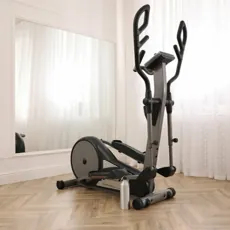
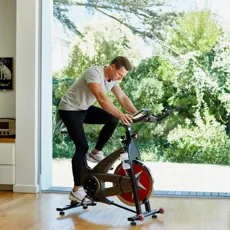
- Cardio equipment: Gyms typically have machines like treadmills, ellipticals and stationary bicycles to increase your heart rate and burn fat through cardio exercise.
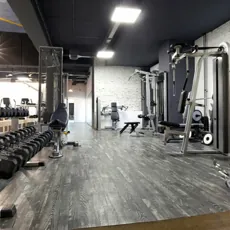
- Weight training equipment: Look for weight training equipment like benches, bar weights, hand weights and weight machines. Pull-up bars, kettlebells, suspension equipment and resistance bands can add more options to your weight training routine.
- Other fitness options: Some gyms also have supplementary equipment like yoga mats, foam rollers and exercise balls for functional exercises. Sports facilities like boxing gyms, lap pools and rock walls can also add to your workout. Think about what options you need to succeed at your fitness or training goals.
What classes and coaching options are offered?
Most gyms offer one-on-one or group instruction to help you get started in a new fitness program. These sessions are especially helpful if you are new to exercise or want to try something new. Experts can help you learn proper forms and movements to avoid injury and maximize your workout.
- Group classes: Some gyms and fitness centers offer group fitness classes, which can be a great option if you like working out with others or need a bit of extra motivation. A large selection of diverse classes like yoga, barre, Zumba, Pilates, kickboxing, dance classes and more can help you get out of a fitness rut and find something you enjoy.
- Personal training: Most gyms and fitness centers employ full- or part-time certified trainers to work with clients on baseline readings, fitness goals and coaching. Some trainers also conduct group fitness classes or circuit training. Check to see if sessions with a personal trainer are included in the contract or if you have to pay extra.
Can you try it before committing?
If you’ve never used a particular gym or fitness center before, you might be reluctant to commit to a membership contract. Find out if you can try the gym before committing or spending any money.
- Friend passes: Many clubs and gyms offer members free passes to give to their friends. Typically the passes are for one visit, one week or a similar short time period. Ask your friends if they can get you passes to try their gyms.
- Trial period: Many gyms offer new customers free or reduced-price trial periods to see if they like the gym and its services. These are often offered seasonally or on rotation, so follow your local gym’s website and social media feeds to stay updated on current deals.
- Discount membership: Group discount websites like Livingsocial and Groupon periodically offer deals on gym memberships or fitness classes. These deals can allow you to try out a gym without signing a full contract.
What other features does it offer?
There are other features to keep in mind when touring gyms or fitness centers. Think about what aspects of the experience matter most to you, and prioritize those when considering which one you want to join.
- Locker rooms and showers: Think about how you’ll use the gym and whether you need one with just basic facilities or more fully-appointed locker rooms. If you plan to use the locker room to shower and get ready for the day, be sure the area is clean and fully stocked with all the amenities you prefer.
- Childcare services: Many gyms and fitness centers offer on-site childcare facilities so children can be supervised while parents exercise. Almost all gyms with onsite childcare implement age restrictions for the children they accept and charge extra for childcare services.
- Cleanliness: When you tour a fitness center, pay attention to the cleanliness of the facilities. Check out the bathrooms, floors and corners. Look to see that all equipment is in working order and kept clean. Sanitizing wipes or spray should be available for customers to clean up after themselves when using equipment. A dirty gym is a breeding ground for germs and sickness, and a company that doesn’t keep its facilities in order may not be one you want to do business with.
How accessible is it?
You are more likely to stick to your fitness goals if you choose a convenient gym that fits your schedule and lifestyle. Additionally, if you have any type of physical limitation or disability, be sure that your gym is compliant with the Americans with Disabilities Act.
- Location: Think about when you’ll go to the gym. If you plan to go on your lunch break, it makes sense to find a location near your place of work. If you plan to go before or after work, think about what traffic will be like in different areas of town, and pick a place that will be easy to get to.
- Hours: Be sure the gym is open when you may need to work out, whether that’s late at night, early in the morning or on weekends and holidays. More and more gyms are open 24 hours a day, seven days a week, which is helpful if you need to work out at unusual hours.
- ADA Accessibility: Many fitness centers are accessible for customers with disabilities or physical limitations, for instance using ramps instead of stairs and equipment that is modified or adaptive for different abilities. The Americans with Disabilities Act requires gyms and fitness centers built after 2010 to be reasonably accessible for people with disabilities, meaning ramps must be available, equipment must be in an accessible location and at least one of every type of equipment must be accessible. If you have a particular need, like accommodations for a visual or hearing impairment, be sure to check the gyms in your area to find one that fits your needs.
What types of gyms and fitness centers are there?
Multi-purpose gyms
Multi-purpose gyms offer weight training and cardio equipment, typically in a medium to large space. Some gyms also offer other amenities like fitness classes and personal training.
Fitness centers
Gyms that also offer group fitness classes like Pilates, yoga or spin classes and that offer personalized services like personal training and nutritional coaching are often, though not always, referred to as fitness centers.
Dedicated gyms
Some gyms and similar businesses specialize in one type of sport or fitness activity. Examples of dedicated gyms include boxing gyms, Pilates clubs and yoga studios.
Luxury health clubs
Health clubs often have the largest selection of activities and amenities, including all of the services available at a gym or fitness center plus additional luxury services. Health clubs typically have large, separate rooms for weight training, group exercise, swimming, a sauna or spa, rock climbing and more. Some also offer services like manicures, facials, cafes and nutrition services.
Who might benefit from a gym or fitness center?
Athletes
Athletes often use a gym or fitness center to train for their sport, receive personal fitness coaching, strength or endurance training or supplement outdoor or team-based training.
Fitness beginners
Anyone interested in becoming healthy by adding a physical fitness routine to their lifestyle can benefit from the structure and support of a gym or fitness center. A gym with personal trainers and nutritionists on staff can be especially helpful if you are just starting out on your fitness journey.
Anyone interested in wellness
Exercise is beneficial to anyone regardless of their current fitness level. A gym membership is especially beneficial if you live in an area with harsh winters or summers that make outdoor exercise unpleasant, if you don’t own your own fitness equipment, if you find group exercise motivating or if you enjoy or could benefit from using many types of fitness equipment.
People recovering from injury
Many types of injuries require daily rehabilitation work. Under the guidance of a physician, personal trainer or physical therapist, many people can benefit from a gym’s variety of equipment in order to gradually rebuild strength, field of movement and stamina after an injury.
Gyms and fitness centers FAQ
How much does a gym membership cost?
Individual membership at a gym costs anywhere from $10 per month up to $100 per month. Some gyms also charge an initiation fee. The cost of a gym membership varies based on the gym and type of membership you choose.
What is the difference between a gym and a health club?
It’s easy to confuse a gym and a health club, but there is a difference:
- A gym is a place for indoor physical workouts using various machines and equipment.
- A health club focuses on whole-body wellness rather than just physical fitness. It provides a number of activities and amenities, including group sports, health food bars and swimming pools.
How do you rate your fitness level?
To check your fitness level, you should:
- Take your resting heart rate.
- Measure your heart rate during exercise.
- Time a run of 1.5 miles.
- Count how many pushups and situps you can do.
- Do a sit-and-reach test.
- Measure your waist circumference.
- Calculate your body mass index.
Together, these activities gauge your aerobic endurance, muscular strength, muscular endurance, flexibility and body composition. Compare your results with established benchmarks to assess your fitness level.
What does a gym include?
Every gym is different. However, the average gym has a variety of equipment, such as:
- Weights
- Weight machines
- Treadmills
- Ellipticals
- Exercise bikes
- Rowers
- Stair climbers
How many times a week should you go to the gym?
It’s good to go to the gym three to five times per week for a total of at least 75 to 150 minutes of aerobic activity. You should also strength train two to three days per week.
Frequency and intensity of workouts vary from individual to individual, based on objective, such as losing weight or gaining muscle.
How long should your workout be?
The amount of time for a good workout depends your fitness level and the activity. Your overall workout should be between 30 to 90 minutes and include a warmup and cooldown.
Which time is the best to go to the gym?
The best time to go to the gym depends on your schedule and preference.
- Morning: Working out in the morning can boost your metabolism and help you avoid crowds. Some people like getting a workout out of the way before work and say it prepares them physically and mentally and/or helps them sleep better.
- Afternoon/evening: You may feel more physically ready to exercise in the afternoon or evening and have less chance of injuring yourself.
The most important thing to do is choose a time of day when you can work out effectively and consistently.
Information in this guide is general in nature and is intended for informational purposes only; it is not legal, health, investment or tax advice. ConsumerAffairs.com makes no representation as to the accuracy of the information provided and assumes no liability for any damages or loss arising from its use.
Thanks for subscribing.
You have successfully subscribed to our newsletter! Enjoy reading our tips and recommendations.
Author reviews for gyms and fitness centers
The first In-Shape Health Club opened in 1981 in Stockton, California. The chain of fitness facilities now includes more than 70 other locations throughout California. The company prides itself on creating a community where people can exercise and work towards a healthier lifestyle.
Equinox is a luxury fitness club chain with 91 locations in Massachusetts, Illinois, Connecticut, Florida, New Jersey, New York, California, Texas, Washington, D.C, Canada and the United Kingdom. It offers elite personal training, unique fitness classes and spa services.
Life Time Fitness, also known as the Healthy Way of Life Company, is a privately held luxury fitness chain with 122 locations in 26 states and Canada. It offers resort-like fitness amenities, including swimming pools, basketball and racquetball courts, extensive group fitness classes, child centers, spas and personal training.
Founded in 2002, Anytime Fitness is a large gym franchise with locations throughout the United States, Canada, Grand Cayman and over 20 other countries. Members can access any Anytime Fitness location after 30 days of membership.
Curves International, also known as Curves or Curves for Women, is one the largest fitness franchise chains in the world. Founded in 1992, Curves is designed as a fitness and weight-loss club for women only and features a 30-minute Circuit program, group fitness classes, lifestyle coaching and more. It has over 1,000 franchise locations in the United States and internationally.
Retro Fitness is a health club franchise founded in 2002 in New Jersey. With over 150 locations, its gyms feature a retro theme with fitness equipment, group fitness classes and more.
Founded in 1994, Planet Fitness is an American gym that expanded into a franchise operation in 2003. Franchisees operate over 1,200 locations across the United States and are currently expanding into Canada and the Dominican Republic. Planet Fitness offers a full array of exercise machines, and many locations offer a selection of fitness classes.
Gold’s Gym was founded in 1965 in Venice, California. After being featured in a bodybuilding documentary in 1977 starring Lou Ferrigno and Arnold Schwarzenegger, Gold’s Gym gained popularity and expanded internationally. It now has over 700 company-owned and franchise locations in 38 states and 28 countries.
World Gym was founded in 1976 by Joe Gold, the founder of Gold’s Gym, in Venice, California. It began as a part of the “Muscle Beach” celebrity fitness scene and is today a franchise gym with 85 United States locations and branches in 16 other countries. It is dedicated to remaining a traditional, no-frills gym experience for those serious about weight training and fitness.
Lucille Roberts founded a gym for women in New York City in 1969. It began as an aerobics studio and now features cardio, strength training and group fitness classes of many kinds.
LA Fitness was founded in Southern California in 1984. Today it has over 300 locations across the United States and Canada. LA Fitness offers fitness equipment, group classes and personal training.
24 Hour Fitness offers over 400 gym locations in 13 states, including California, Colorado, Florida, Hawaii, Maryland, Nevada, New Jersey, New York, Oregon, Texas, Utah, Washington and Virginia.